banner (1)

High-Quality Hardened Pan Head Phillips Washer Head Self Tapping Screw

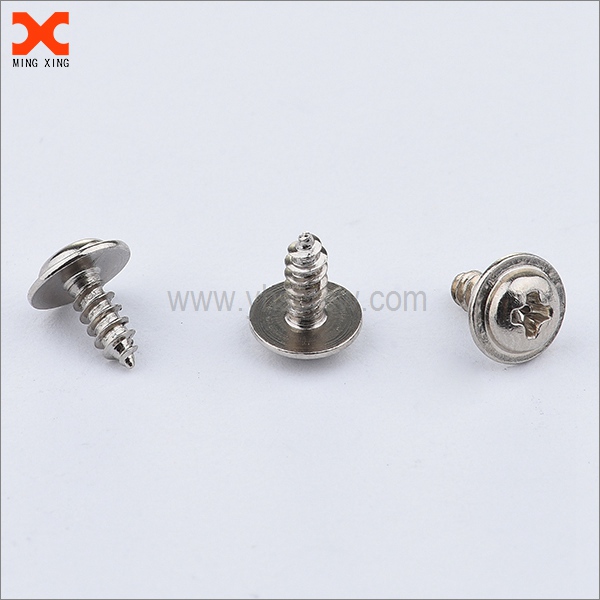
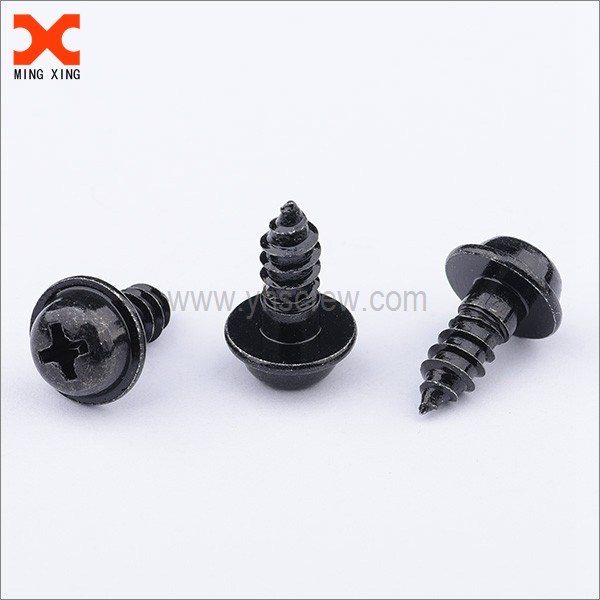
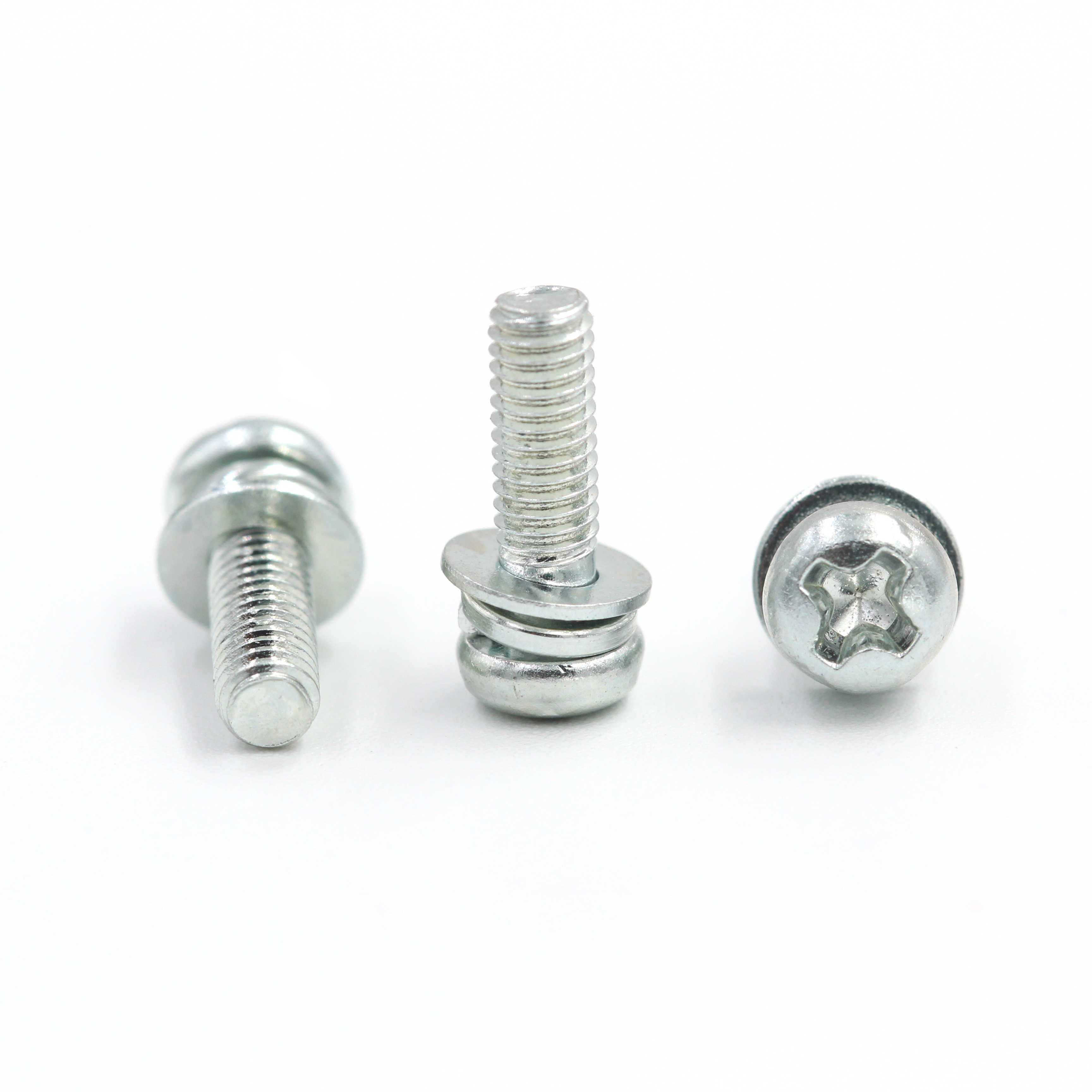
We provide a reliable solution for fastener needs with the Hardened Pan Head Phillips Washer Head Self Tapping Screw. I know that for OEMs and project contractors, durability, quick installation, and predictable performance matter. Our product is manufactured from hardened alloy steel, heat-treated for high shear resistance, and plated for corrosion protection. The Phillips drive ensures smooth turning, while the pan head with integrated washer provides a tight seal and load distribution. Self-tapping threads cut into metal without pre-drilling, saving time on assembly lines. I concentrate on delivering High-Quality components and reliable supply through a trusted Supplier network. The screw is designed for metal, thicker plastics, and assemblies requiring vibration resistance. We offer dimensional options (length, thread pitch, diameter) to match your specification and standardization needs. If you’re sourcing dependable fasteners for high-volume production or critical applications, I’m ready to discuss your packaging and certification requirements today.

Hot Selling Product

Hardened Pan Head Phillips Washer Head Self Tapping Screw Market Leader Delivers Unmatched Quality

Global procurement of fastening solutions requires strength, installability, and consistent quality. Hardened pan head Phillips washer head self-tapping screws deliver these with a hardened steel core, a broad washer surface, and a Phillips drive for broad compatibility. The self-tapping thread creates its own mating path in common sheet metals, reducing pre-drilling and assembly time, while the head distributes load and resists pull-out and vibration. This makes them ideal for enclosures, electronics housings, and mechanical assemblies where durability and a clean finish matter. Delivering unmatched quality relies on rigorous materials control, precise heat treatment, and corrosion-resistant coatings such as zinc or zinc-nickel. For global buyers, standardized dimensions, traceability, and scalable production translate into stable lead times and batch-to-batch interchangeability. By partnering with a supplier that combines engineering know-how with strict QA and customization, purchasers gain consistent performance, lower total cost of ownership, and confidence across regional supply chains.

{ Hardened Pan Head Phillips Washer Head Self Tapping Screw Market Leader Delivers Unmatched Quality }

Size (Major x Length) Material Heat Treatment / Hardness (HRC) Tensile Strength (MPa) Head Type Drive Type Thread Type Finish
M3x8 Carbon Steel Quenched & Tempered, HRC 45-48 900 Pan Head Phillips Self-tapping Zinc plated
M4x12 A2-70 Stainless Steel Not heat-treated, HRC ~36-40 700 Pan Head Phillips Self-tapping Passivated
M4x16 Carbon Steel Quenched & Tempered, HRC 46-49 920 Pan Head Phillips Self-tapping Black Oxide
M5x20 A4-70 Stainless Steel Not heat-treated, HRC ~40-44 730 Pan Head Phillips Self-tapping Bright Zinc
M5x25 Carbon Steel Quenched & Tempered, HRC 45-50 950 Pan Head Phillips Self-tapping Zinc Plated
M3x6 A2-70 Stainless Steel Not heat-treated, HRC ~38-42 650 Pan Head Phillips Self-tapping Zinc Plated

Related Products

banner (3)

Hardened Pan Head Phillips Washer Head Self Tapping Screw Manufacturer Is The Best

New Data Dimension Title: Material Hardness vs Tensile Strength Across Production Cycles

Hardness (HV) Tensile Strength (MPa) 1 2 3 4 5 6 7 8 9 10 11 12 Hardness (HV) Tensile Strength (MPa)
The chart compares two material properties measured across a sequence of twelve production cycles for hardened pan head screws. Hardness values (HV) were recorded through microhardness testing, showing a steady upward trend from approximately 210 HV in Cycle 1 to around 370 HV by Cycle 12. Tensile strength (MPa) was evaluated with standardized tensile tests, rising from roughly 980 MPa in Cycle 1 to about 1130 MPa in Cycle 12. The visualization uses a shared horizontal axis representing production cycles, while the two properties are scaled to fit the same plotting area by placing Hardness on the left vertical axis and Tensile Strength on the right axis conceptually; here we present them as two overlapping lines for ease of comparison. The concurrent increase suggests that process adjustments increasing hardness—such as alloy balance, heat treatment parameters, and quenching rate—are associated with enhanced tensile strength within this data range. The relationship appears positive but not perfectly linear: initial hardness gains are modest yet tensile strength increases become more pronounced in later cycles, indicating possible synergistic effects or threshold effects in processing. This insight can inform QA and process optimization: aiming for a target hardness may drive desirable strength levels, but care must be taken to monitor other properties such as ductility, toughness, and wear resistance. Limitations include the small sample size (12 cycles) and lack of additional variables (fillet radius, surface finish, corrosion resistance). Future work could extend the dataset with more cycles and multivariate analysis to develop a robust predictive model for end-use performance.

Top Selling Products