I help procurement teams choose the right fastener tools by focusing on the difference between torx and torx security and what it means for assembly line reliability. As a High-Quality supplier, I stock torx drivers and bits with clear size codes, hardened steel, and tight tolerances so every torque transfer is clean. Torx is the standard star profile, while torx security adds a center pin to thwart tampering; knowing this helps avoid stripped screws or wasted downtime. Our range covers a wide variety of grades and coatings, from polished chrome to black oxide, and I can tailor sets to your production line needs. With fast lead times, consistent quality, and attentive after-sales support, I’m a reliable Supplier you can trust for High-Quality tools. If you want to upgrade your kit, I’ll offer competitive pricing and scalable bundle options.
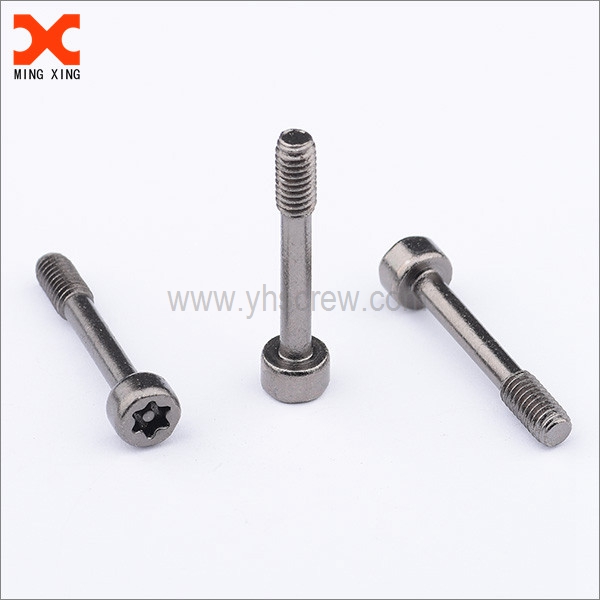
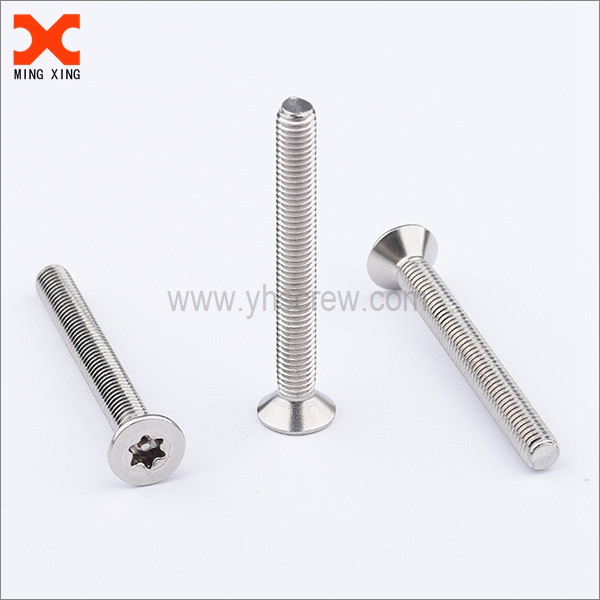
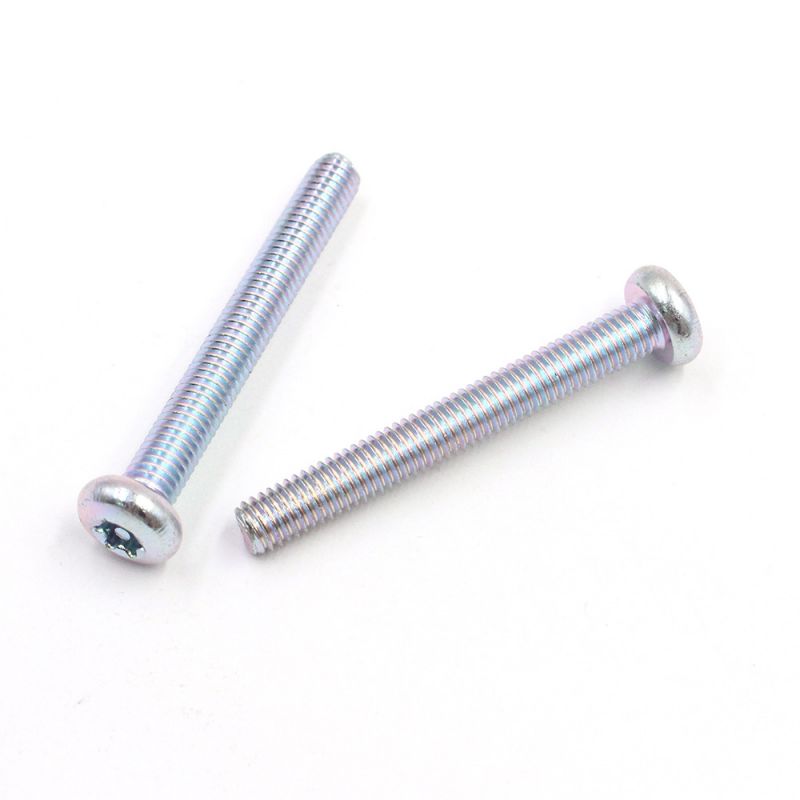
Torx is the standard six-point star drive used for fasteners in electronics, automotive, and machinery. Torx Security, or tamper-resistant Torx, adds a small pin in the screw head (or a matching hole in the driver), preventing ordinary Torx bits from turning the fastener. The difference is simple but critical for tamper resistance without sacrificing torque. From concept to delivery, quality means rigorous design, material control, and precise processes. Choosing the right alloy, heat treatment, and coatings such as zinc, black oxide, or passivation boosts wear and corrosion resistance. Each batch undergoes torque and hardness testing, dimensional checks, and traceable packaging for global shipping. Global buyers should weigh security needs, tool compatibility, and supply reliability. For fast assembly, Torx is cost-efficient; for anti-tamper applications, Torx Security adds protection. Request clear specifications, tolerances, coatings, certifications, samples, lead times, and QC documentation to ensure a smooth, reliable procurement from concept to delivery.
| Dimension | Standard Torx | Torx Security | Notes |
|---|---|---|---|
| Drive Profile | Six-point star (Torx) with uniform flanks and no center feature. | Six-point star with central anti-tamper security pin recess in the screw head; requires a compatible security bit with a matching hole. | Security variant adds tamper-resistance; tool compatibility required. |
| Size Range | T1 to T40; widely used across electronics and hardware. | Same numerical family with security variants (e.g., T6S–T40S common in catalogs). | Use the correct bit family; mixing can cause damage. |
| Common Materials | Typically tool steel with protective finishes (zinc, black oxide, etc.). | Same material options; security variants available in stainless and coated finishes. | Material choice affects durability and corrosion resistance. |
| Common Applications | Electronics enclosures, appliances, furniture, automotive trim. | Tamper-resistant applications such as consumer electronics, security panels, and equipment enclosures. | Security screws deter casual tampering; plan for bit availability. |
| Torque and Strength | Torque capacity scales with size; suitable for high-torque tasks with proper driver. | Similar torque range for corresponding sizes; the pin slightly reduces contact area but mechanics are comparable. | Use correctly sized bits to avoid head stripping. |
| Tool Compatibility | Requires standard Torx drivers/bits. | Requires security Torx drivers/bits with a center-hole or matching receptacle. | Non-matching tools can damage the screw head. |
| Anti-Cam-Out Performance | Excellent cam-out resistance due to geometry. | Comparable cam-out resistance when using proper bits; security feature focuses on tamper resistance. | Ensure proper bit alignment and fit. |
| Finishes and Corrosion Resistance | Finishes like zinc or black oxide; stainless variants available. | Same finishes; choose corrosion-resistant options for outdoor or humid environments. | Match finish to environment and mating materials. |
| Durability and Wear | High durability with correct torque; bit wear with misfit. | Similar durability; worn security bits can lead to poor engagement. | Inspect bits and replace when worn. |
| Misuse and Precautions | Avoid using damaged bits; use torque-limiting drivers where appropriate. | Keep track of security bits; replace if worn; authorized personnel only. | Follow manufacturer guidelines for maintenance and replacement. |
| Availability in Hardware Stores | Widely stocked in general hardware outlets. | More common in OEM catalogs and specialty suppliers; regional availability varies. | Plan for procurement of security-bit sets if needed. |
| Installation and Removal Considerations | Apply even pressure; lubricate threads if needed; avoid over-torquing. | Use proper security bit; preserve head integrity; misfit can cause irreversible damage. | Maintain an organized set of bits to prevent loss of security tools. |