banner (1)

Custom Rubber Metal Parts for OEM & Suppliers | Precision Solutions

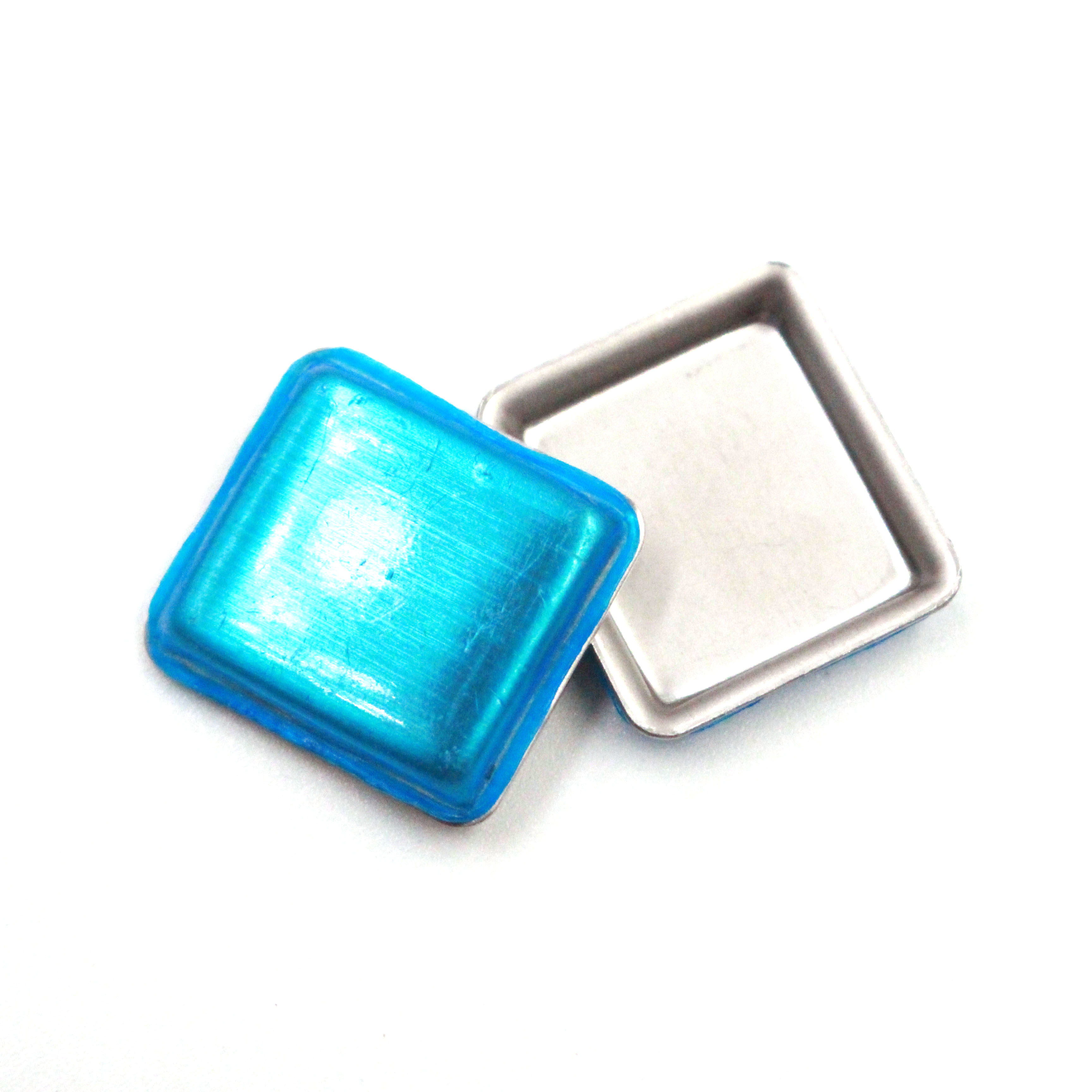
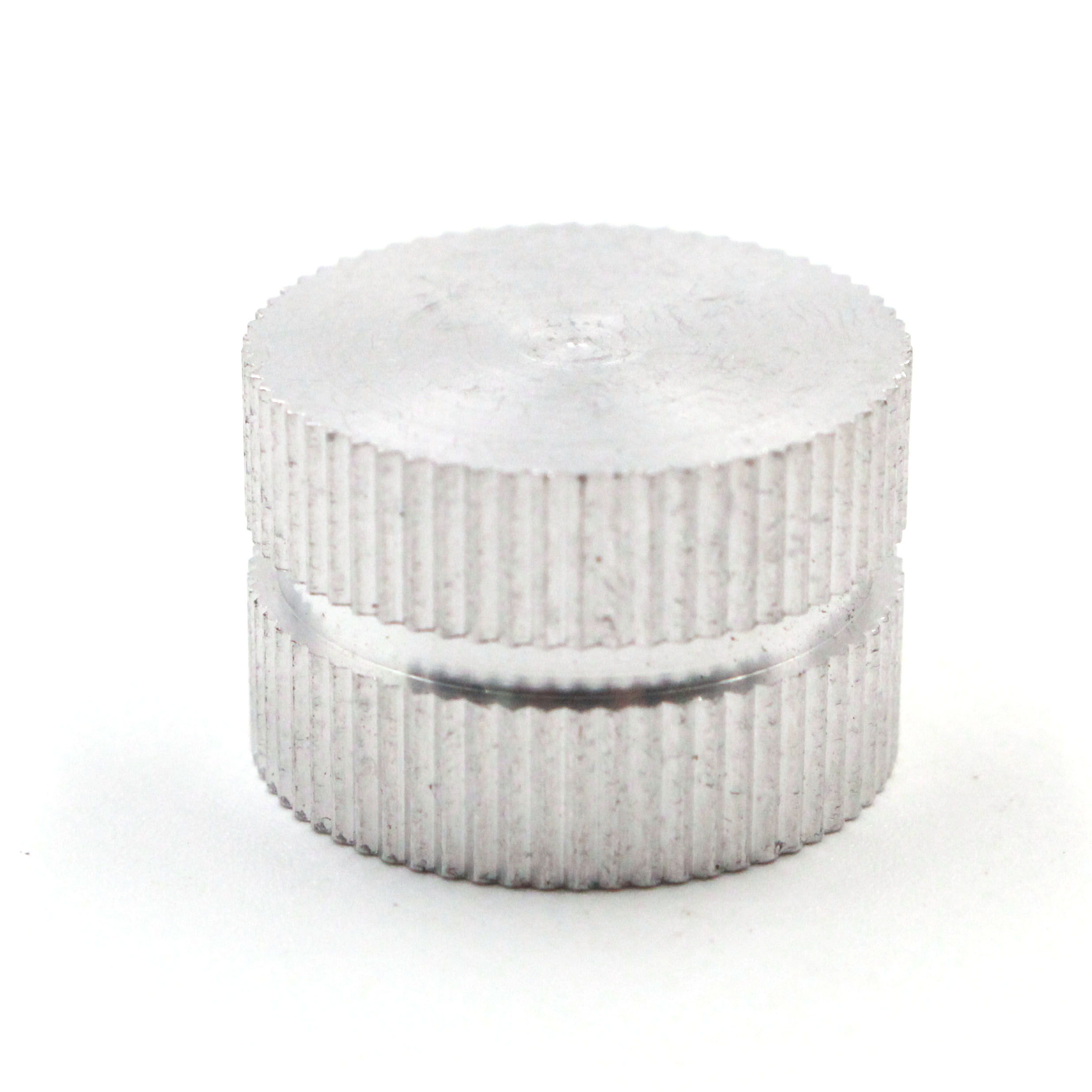
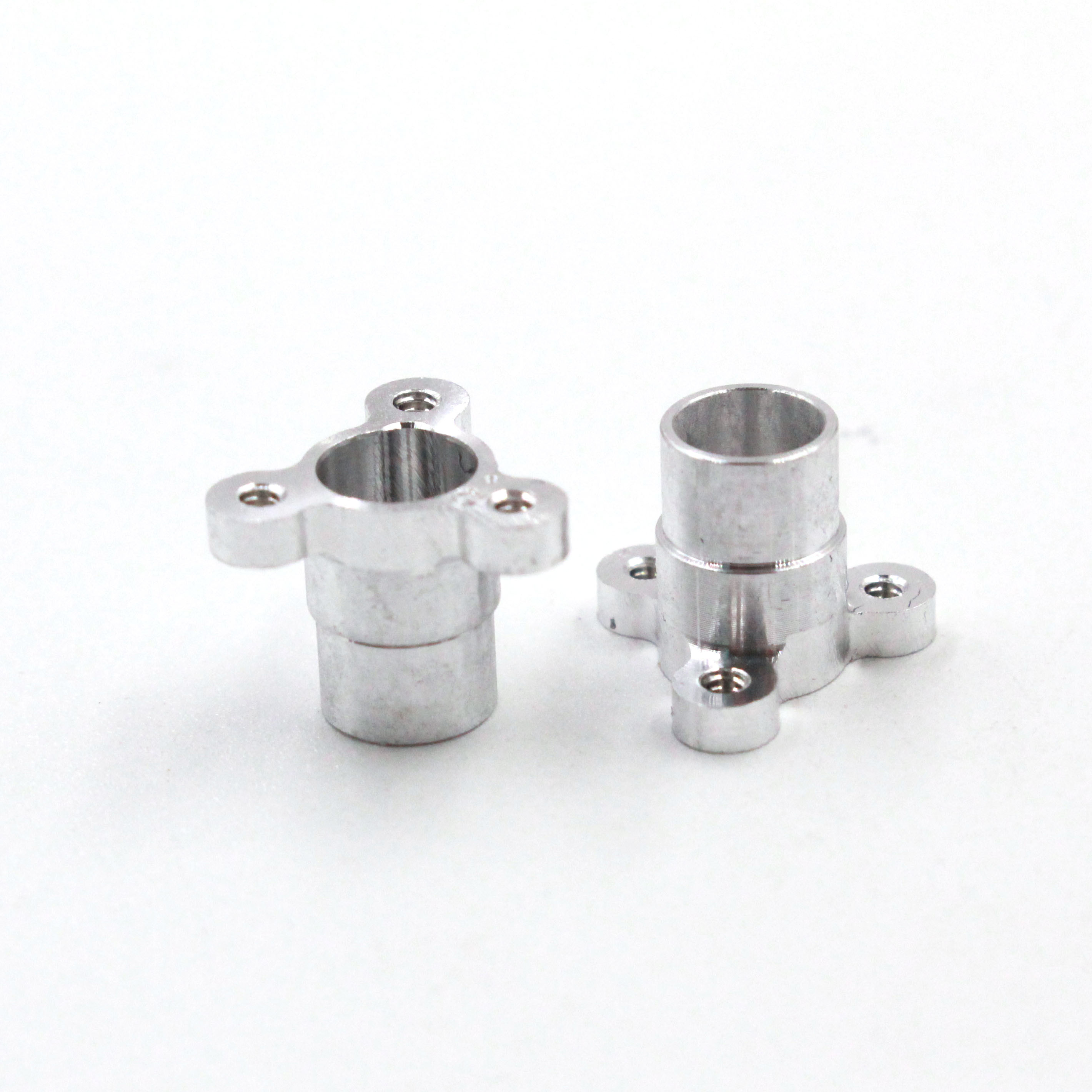
From our shop, I offer custom rubber metal parts engineered for heavy duty use and precise fit. I work with OEMs to tailor compounds, moldings, seals, grommets, and fastener assemblies that withstand vibration, temperature, and wear. As a reliable supplier, I ensure tight tolerances, consistent batch quality, and ISO-grade QA. My approach blends rubber chemistry with metal components for reliable seals, bushings, connectors, and vibration dampers. When you are sourcing for OEM needs or looking for dependable Suppliers, I provide quick quotes, prototype samples, and scalable production. I can customize rubber-to-metal bonding, insert molding, overmolding, or potting to meet your spec. With short lead times, dedicated QC, and on-time delivery, you can reduce assembly risk and spare parts inventory. Tell me your requirements and I will craft a solution that fits your drawings, tolerances, and budget.

Hot Selling Product

custom rubber metal parts Factory Manufacturers You Can Rely On

Global buyers seeking a trusted source for custom rubber–metal parts can rely on a factory that blends material expertise with precision engineering. From vibration-damping bushings and seals to EMI/RF shielding gaskets and overmolded assemblies, a capable facility can tailor compound formulations, bonding methods, and finishes to meet exact specifications. Early-design support, rapid prototyping, and tolerance-driven production help accelerate time-to-market while controlling costs. A broad supplier network for rubber, metals, and adhesives enables reliable performance across automotive, electronics, industrial, medical, and consumer applications. Quality and reliability are built into every stage: material checks, process control, and traceability. Standardized testing and environmental durability assessments ensure parts endure real-world conditions. Flexible manufacturing lines and scalable capacity support global orders with consistent lead times and on-time delivery. Transparent communication, proactive after-sales support, and a culture of continuous improvement make the supplier a safe choice for long-term procurement.

{ custom rubber metal parts Factory Manufacturers You Can Rely On}

Part Category Rubber Type Metal Type Size Range (Ø x Thickness) mm Tolerance (mm) Durometer (Shore A) Temperature Range (°C) Surface Finish Manufacturing Process Typical Applications Certifications
O-Ring with Metal Insert NBR (Nitrile) Stainless Steel insert Ø12 x 2.0 ±0.05 75 -40 to 120 Smooth Injection molding with insert Hydraulic seals for automotive engines ISO 9001
Metal-Backed Gasket EPDM Aluminum backing Ø25 x 1.5 ±0.08 70 -50 to 150 Matte Compression molding with metal backing Water/chemical seals in equipment ISO 9001
Bonded Washer Silicone Stainless Steel ring Ø30 x 3.0 ±0.04 60 -60 to 180 Polished Bonded insert High-temperature electrical housings ISO 9001
Hydraulic Shaft Seal FKM (Viton) Steel core Ø40 x 6 ±0.04 80 -20 to 250 Ground Machining + overmolding Hydraulic pistons and pumps ISO 9001
Vibration Mount Natural Rubber Aluminum alloy Ø50 x 16 ±0.20 55 -30 to 90 Painted Compression molding + insert Machinery vibration isolation ISO 9001
EMI Shield Grommet Neoprene Tin-plated copper alloy Ø18 x 5 ±0.05 65 -25 to 120 Smooth Overmolded grommet Electrical enclosures ISO 9001
High-Temp Seal FKM Stainless steel core Ø22 x 4 ±0.03 85 -30 to 300 Ground Precision machining + bonding Gaskets for high-temperature environments ISO 9001
Food-Grade Seal Food-grade Silicone 304 Stainless backing Ø15 x 2.5 ±0.05 60 -50 to 210 Polished Bonding + back-molding Dairy/beverage equipment seals ISO 9001, ISO 22000

Related Products

banner (4)

custom rubber metal parts Ahead of the Curve Sets the Industry Standard

数据维度标题:不同材料等级的成品合格率(单位:%)

New Data Dimension Title: Finished Product Yield Rate by Material Grade

The dataset behind this chart captures the finished product yield rate across five material grades used in precision rubber-metal assemblies. Each grade corresponds to a defined combination of elastomer formulation and metal insert tolerances, representing how well the material system harmonizes with the manufacturing process. Yield rate is calculated as the percentage of units that pass both dimensional and functional inspection after curing and assembly under standardized test conditions. Data were collected from multiple production runs over a six‑month period, with batch sizes large enough to minimize random sampling error while keeping process conditions consistent for comparability. The purpose of this visualization is to reveal how material grade choices impact process stability, waste, and throughput, thereby providing a benchmark for quality management and material selection aligned with industry standards. The chart emphasizes relative performance: Grade 3 and Grade 5 show the highest yields, suggesting favorable interactions between the chosen polymer matrix and the corresponding metal insert tolerances under current curing regimes. Grades 1, 2, and 4 exhibit lower yields, signaling opportunities for process optimization—whether through formulation tweaks, curing parameter adjustments, or changes in tooling to reduce defects. While yield is a critical indicator of manufacturing efficiency, it should be considered alongside cost, wear resistance, and long-term durability to determine the best overall material strategy for a given application. This data supports decision-making across procurement, R&D, and operations, guiding improvements that shorten cycle times, reduce rework, and elevate consistent quality toward a higher industry standard. Future work could extend the analysis with multivariate modeling to disentangle material effects from process noise and to project yield under varying operating conditions, strengthening the reliability of material selection decisions. Approximately 300 words.

Top Selling Products