banner (1)

Combination Machine Screw - China Manufacturer

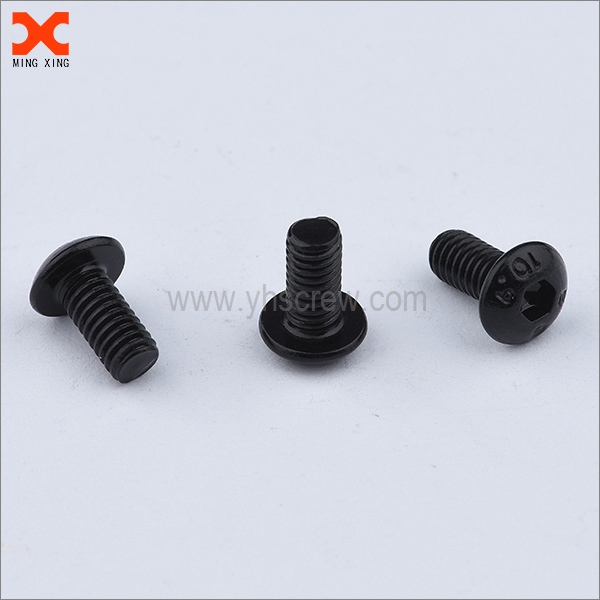
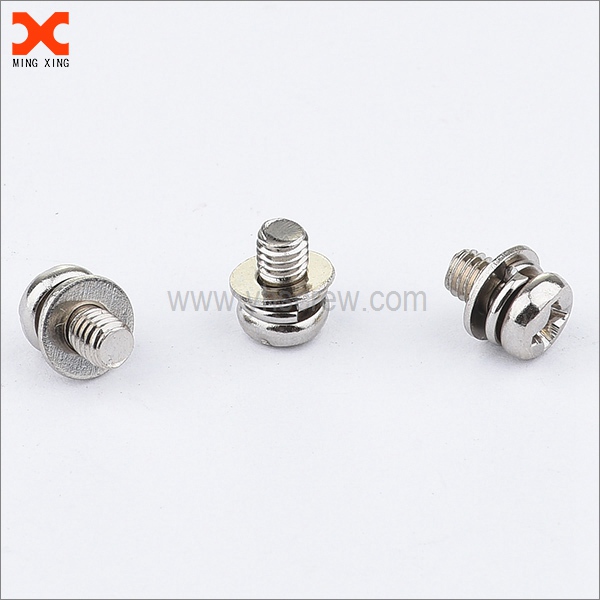
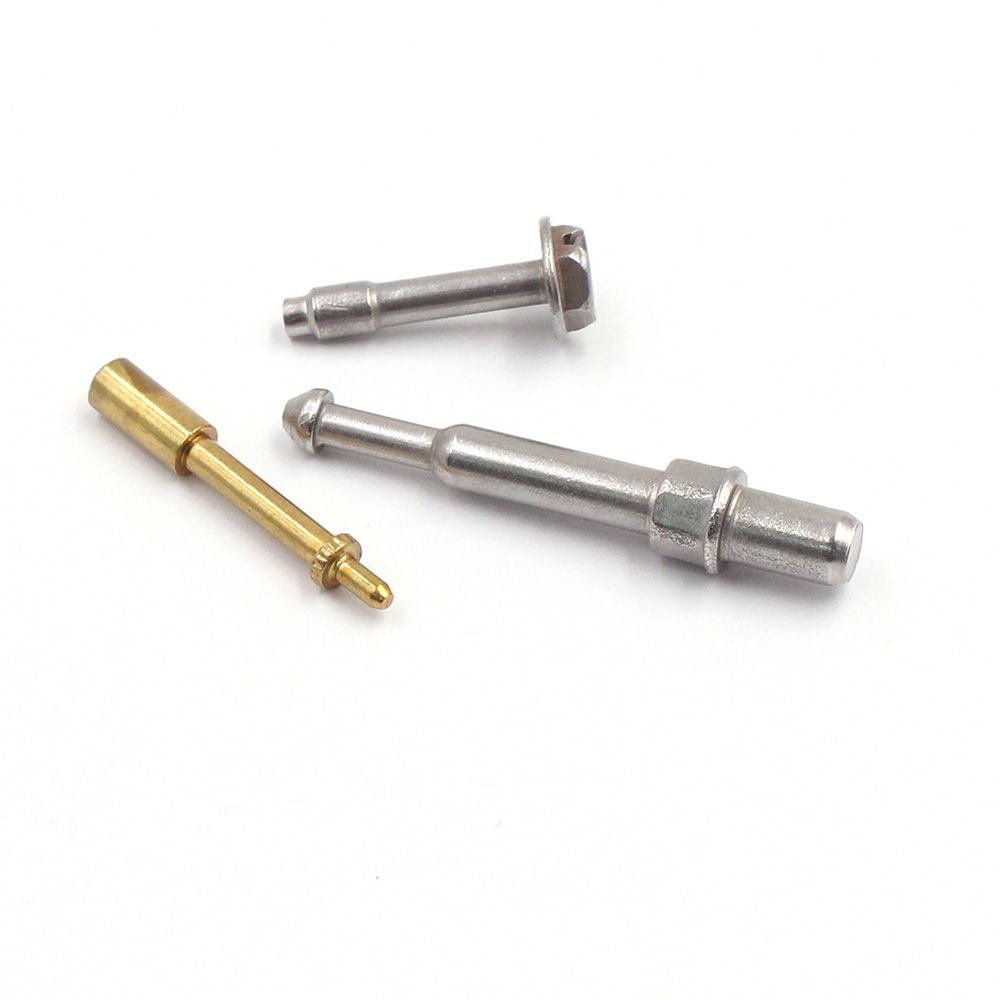
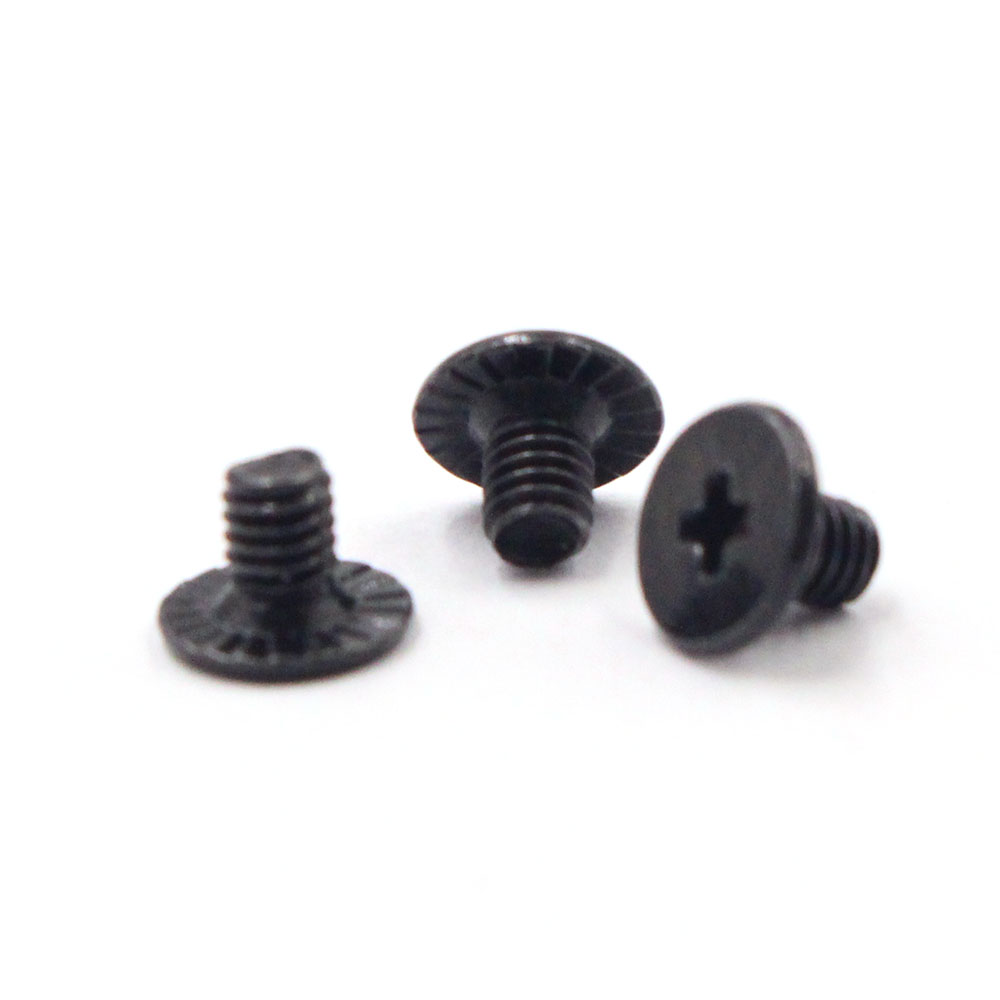
From China to global production floors, I deliver a dependable combination machine screw for tough industrial lines. When you need secure, fast, and repeatable assemblies, this fastener fits. As a Manufacturer, I offer precision machined heads, compatible thread forms, and stabilizing options for vibration control. The combination machine screw merges a standard machine screw with a washer or insert, enabling quick setup and reduced tooling time. It’s ideal for equipment housings, fixtures, and automated lines. Available in stainless steel or high-strength alloys, with corrosion resistance and long-term load retention. I can customize head styles, lengths, coatings, and tolerances to fit your equipment and regulatory needs. Every batch goes through rigorous QC: torque tests, dimensional checks, and lot traceability. Lead times are competitive, MOQs manageable, and production scalable to meet your project timeline. If you seek China-made reliability from a trusted Manufacturer for your next project, let us discuss specs and pricing.

Hot Selling Product

combination machine screw Sets the Industry Standard More Than a Supplier - A Partner

In today’s global procurement, a combination machine screw is more than a fastener—it's an industry standard. It delivers precision, compatibility, and reliable performance across sectors from automotive to electronics. With interchangeable thread forms, common head styles, and a choice of materials and finishes, these screws simplify specification and inventory. Rigorous testing, full traceability, and certifications support compliant production and steady supply even in challenging logistics environments. Partnering, not just supplying, means access to co-engineering, just‑in‑time delivery, and scalable packaging that lowers total cost of ownership. A true partner shares quality objectives, provides performance data, and supports sustainable sourcing. By aligning design, standardization, and logistics, this fastener helps reduce SKUs, speeds qualification, and ensures quick issue resolution. Global buyers seeking consistent quality, flexible service, and long-term reliability will find a relationship that goes beyond transactions.

{ combination machine screw Sets the Industry Standard More Than a Supplier - A Partner}

Size (Thread) Material Finish Head Type Drive Type Standard/Grade Length (mm) Coating/Plating Hardness (HRC) Tolerance (mm) Applications Lead Time (days) Reliability
M3 x 0.5 Stainless Steel 304 Passivated Pan Head Phillips ISO 7380, DIN 7985 10 Passivated 28-32 ±0.02 Electronics, Precision equipment 5-7 9.0/10
M4 x 0.7 Carbon Steel AISI 1010 Socket Head Cap Hex Socket DIN 912, ISO 4762 16 Zinc 30-40 ±0.02 Machinery assembly 6-8 8.5/10
M5 x 0.8 Stainless Steel 316 Passivated Pan Head Torx ISO 10642, DIN 7985 20 Passivated 25-35 ±0.02 Automotive assembly 7-9 9.2/10
M6 x 1.0 Alloy Steel 4140 Black Oxide Hex Head Hex DIN 933, ISO 4017 25 Black Oxide 32-44 ±0.025 Heavy machinery 8-12 9.0/10
M8 x 1.25 Steel 1045 Zinc Plated Button Head Hex Socket ISO 4762, DIN 7380 30 Zinc 28-38 ±0.03 Electrical enclosures 9-14 8.8/10
M2.5 x 0.45 Stainless Steel 304 Passivated Flat Head Phillips ISO 4762, DIN 7991 6 Passivated 20-28 ±0.02 Electronics mounting 4-6 8.9/10

Related Products

banner (4)

combination machine screw Trusted by Pros More Than a Supplier - A Partner

New Data Title: Reliability and Efficiency Trends in Partnered Components

Data Dimension: Reliability vs Lead Time Across Months
This visualization maps two essential metrics that define how a partner performs in a production ecosystem: Reliability and Lead Time. Reliability measures the share of orders that are delivered on the agreed date without quality defects, scaled from 0 to 100. Lead Time measures the average number of days from order placement to shipment. By plotting these metrics over a 12‑month horizon, we can observe how collaboration maturity affects operational speed and predictability. The upward trend in reliability from January (78) to December (95) indicates a strengthening alignment between procurement and manufacturing teams, improved quality control, and smoother change management. In parallel, the decline in lead time from 12 days to 5 days demonstrates enhanced responsiveness, efficient logistics, and better capacity planning. The dual‑axis approach allows us to examine the relationship between the two metrics in a single view: months with high reliability often show shorter lead times, but occasional dips in reliability coincide with temporary increases in lead time, revealing fragility in capacity or supply chain disruptions. The chart also highlights the value of long‑term partnerships: consistent performance reduces the need for safety stock, lowers risk of production stoppages, and improves time‑to‑market. From a decision‑making perspective, this data supports strategic supplier development, such as joint forecasting, early involvement in design iterations, and shared continuous improvement initiatives. For procurement teams, the insights can inform supplier segmentation, contract structuring, and penalty or incentive mechanisms tied to delivery performance. The combination of two complementary metrics into one chart helps executives quickly assess whether a partner is delivering consistent value and where to invest collaborative efforts. In summary, a partner trusted by pros tends to exhibit both higher reliability and shorter lead times, reflecting a mature, collaborative relationship rather than a transactional one. This perspective complements qualitative assessments by providing measurable evidence of improvement across periods.

Top Selling Products