banner (1)

Custom Cnc Machining Parts for Factories

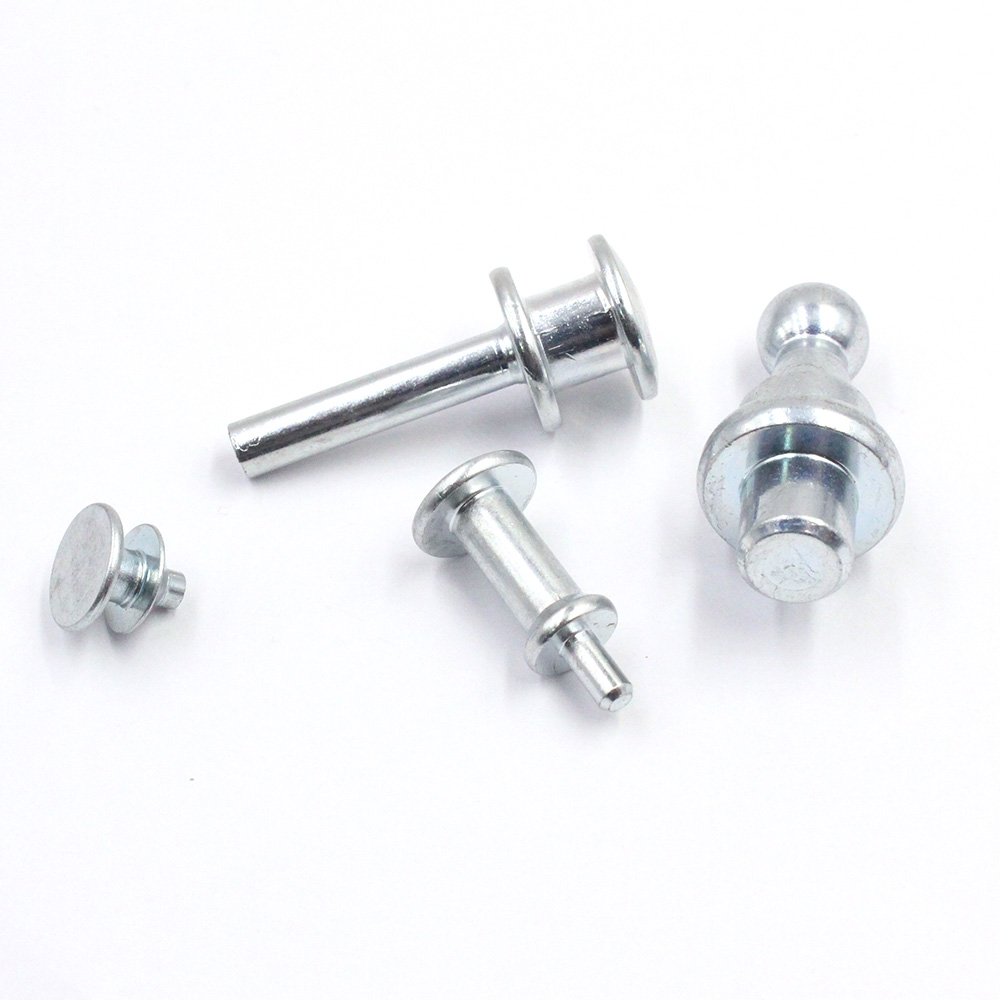
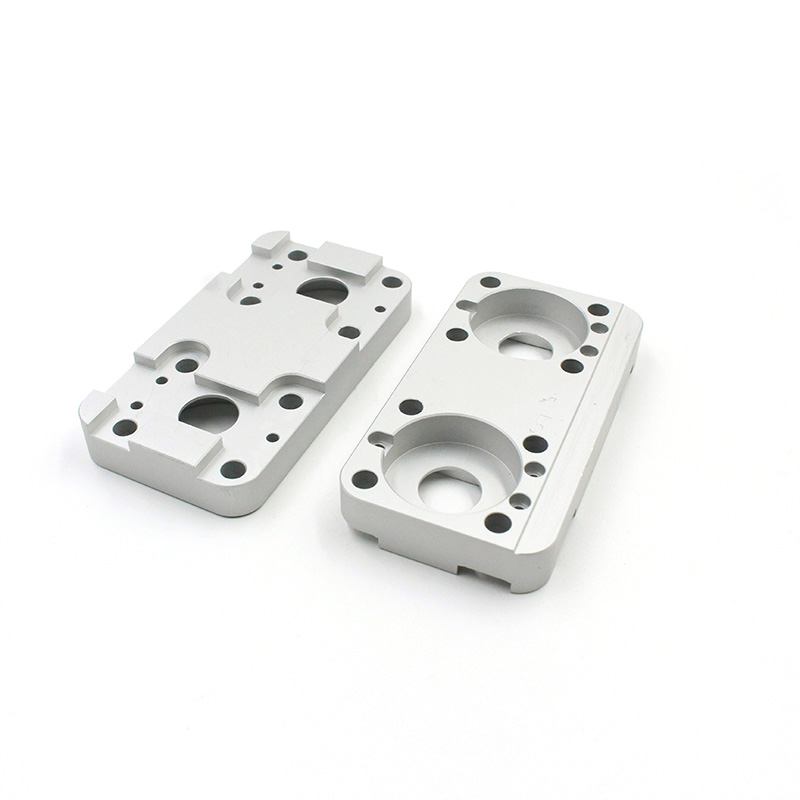
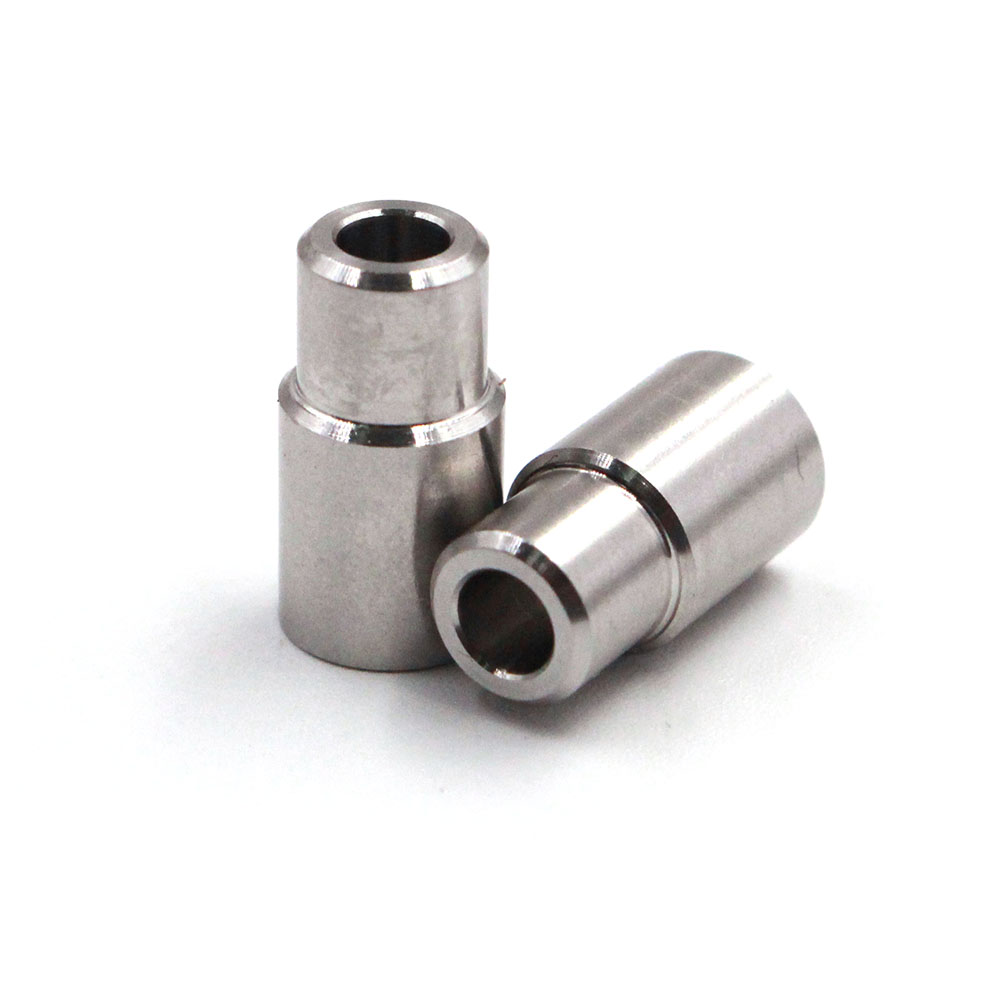
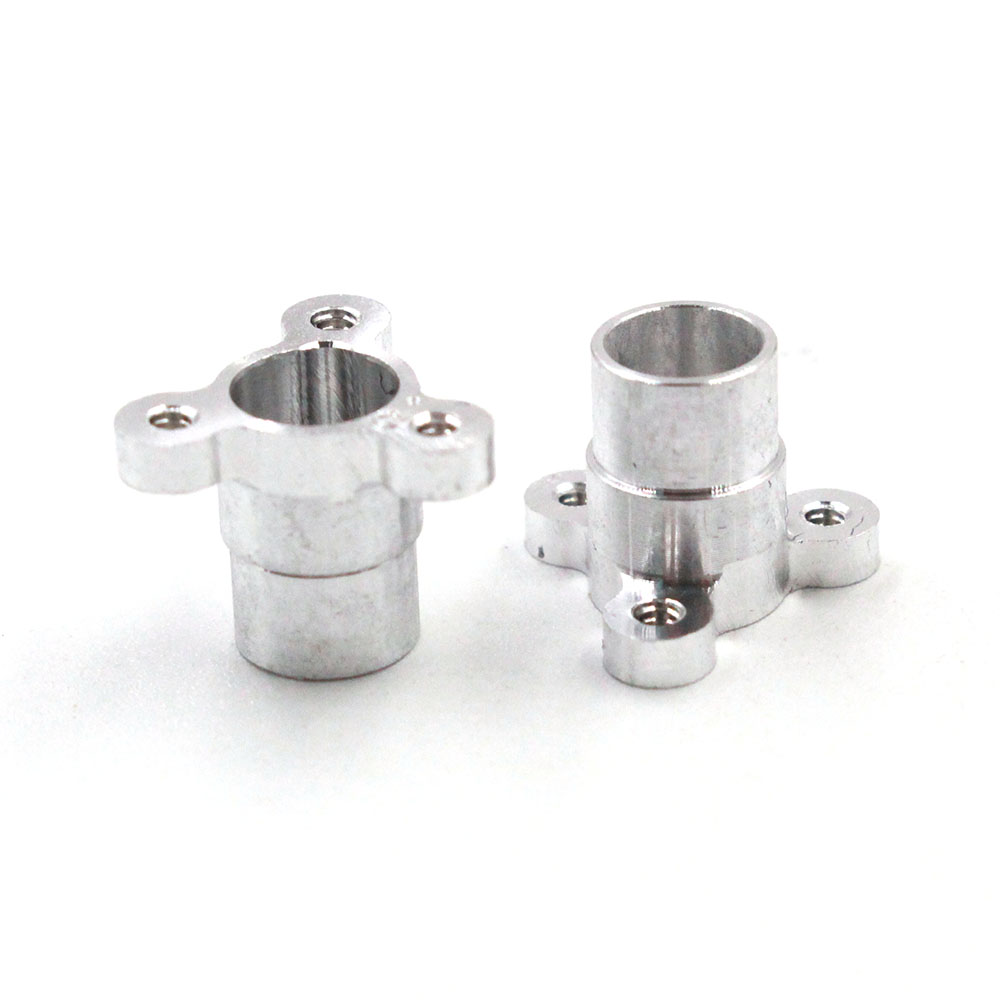
From the shop floor to your assembly line, I supply Cnc Machining Parts that meet your exact specs. I know factories want reliable, repeatable components, so I offer Custom solutions tailored to tolerances, materials, and lead times. Each part is engineered with precision, tested, and packaged for easy integration. I focus on fast quotes, clear communication, and flexible manufacturing to fit your schedule. Using state‑of‑the‑art CNC setups, I achieve tight tolerances and smooth finishes, whether you need prototypes, limited runs, or high‑volume production. If you require custom geometries, specialized alloys, or surface finishes, I deliver consistent quality and on‑time delivery. Your project becomes mine: I capture requirements, propose optimized designs, and deliver ready‑to‑assemble Cnc Machining Parts that keep your operations efficient and cost‑effective. Share your Custom needs and your Factories timeline—we’ll turn your specs into dependable parts.

Hot Selling Product

Cnc Machining Parts Stands Out Now Trending

Global buyers are embracing CNC machining parts for precision, repeatability, and speed. Advances in 5-axis centers, high-speed spindles, and micro-machining now enable complex geometries with tight tolerances and reliable surface finishes. A wide range of materials—from aluminum and stainless steel to titanium and composites—can be processed with consistent quality, shortening development cycles and enabling scalable production across global markets. To capitalize on this trend, seek suppliers with end-to-end capabilities, rigorous quality management, and digital integration. Prioritize traceability, certifications, and in-house finishing or assembly options, along with transparent lead times and rapid quoting. Emphasize design-for-manufacturability, real-time status updates, and sustainable manufacturing practices to ensure dependable delivery of precision components wherever customers are located.

{ Cnc Machining Parts Stands Out Now Trending}

Part ID Part Name Material Tolerance (mm) Surface Finish (Ra μm) Dimensions (L×W×H) mm Weight (kg) Monthly Production Process Type
P-AL6061-01 Aluminum Bracket A-1 6061-T6 Aluminum ±0.05 Ra 1.6 60×40×20 0.32 1500 5-axis Milling, Drilling
P-SS304-02 Stainless Steel Mounting Plate AISI 304 Stainless Steel ±0.03 1.2 120×80×6 0.86 2300 CNC Milling, Turning, Deburring
P-AL7075-03 High-Strength Arm 7075-T6 Aluminum ±0.05 0.8 90×45×30 0.65 1200 5-axis Milling, Tapping
P-SS316-04 Bracket for Enclosures AISI 316 Stainless Steel ±0.04 0.8 100×60×40 1.10 900 Milling, Turning, Surface Finishing
P-CBZ-05 Bronze Sleeve Bronze (C95400) ±0.05 1.6 40×40×25 0.70 700 CNC Lathe, Milling
P-AL6061-06 Machining Adapter 6061-T6 Aluminum ±0.02 0.8 70×50×25 0.45 2100 5-axis Milling, Drilling
P-SS304-07 Clamp Band AISI 304 Stainless Steel ±0.03 1.2 150×20×8 0.40 1800 Milling, Deburring
P-AL6063-08 Cable Guide 6063-T5 Aluminum ±0.05 1.6 75×25×12 0.22 3200 Milling, Finishing
P-SS316-09 Flange Nut Housing AISI 316 Stainless ±0.04 1.0 80×80×25 0.95 540 Milling, Turning
P-AL2024-10 Aircraft-Grade Bracket 2024-T3 Aluminum ±0.03 0.8 110×60×32 0.72 600 5-axis Milling, Drilling, Reaming

Related Products

banner (4)

Cnc Machining Parts For the Current Year Sets the Industry Standard

CNC Machining Parts Volume by Material Type (Current Year)

Data Dimension: Part Category and Material Type Distribution

The chart above presents the distribution of CNC machined parts produced in the current year by material type. It uses a synthetic dataset for demonstration, illustrating a typical mix across common engineering materials in precision manufacturing. The primary dimension is Material Type, while a secondary perspective reflects Part Category tendencies through how often each material appears in various finished parts. Plastics are shown as a high-volume category due to rapid prototyping, low initial cost, and suitability for non-structural components, while metals dominate functional parts requiring strength, wear resistance, or thermal performance. Aluminum and steel are among the most frequently used materials because of favorable strength-to-weight ratios and cost profiles, with stainless steel and brass occupying intermediate volumes due to corrosion resistance and machinability considerations. Titanium and copper appear at lower volumes, reflecting higher raw material costs and more specialized applications such as high-strength aerospace components or heat transfer assemblies. This distribution aligns with broader industry standards that prioritize common, easily machinable materials for high-volume runs while reserving premium alloys for niche, performance-critical parts. The visualization can support capacity planning, material-mix optimization, and supplier collaboration by highlighting where most parts originate in terms of material type. For more robust decision-making, integrating this chart with internal ERP data, cycle times, and cost per unit by material would enable deeper insights. Note that this representation is intended for illustrative purposes and should be paired with actual production metrics for precise benchmarking.

Top Selling Products