banner (1)

Cnc Brass Parts - Wholesale from Manufacturers

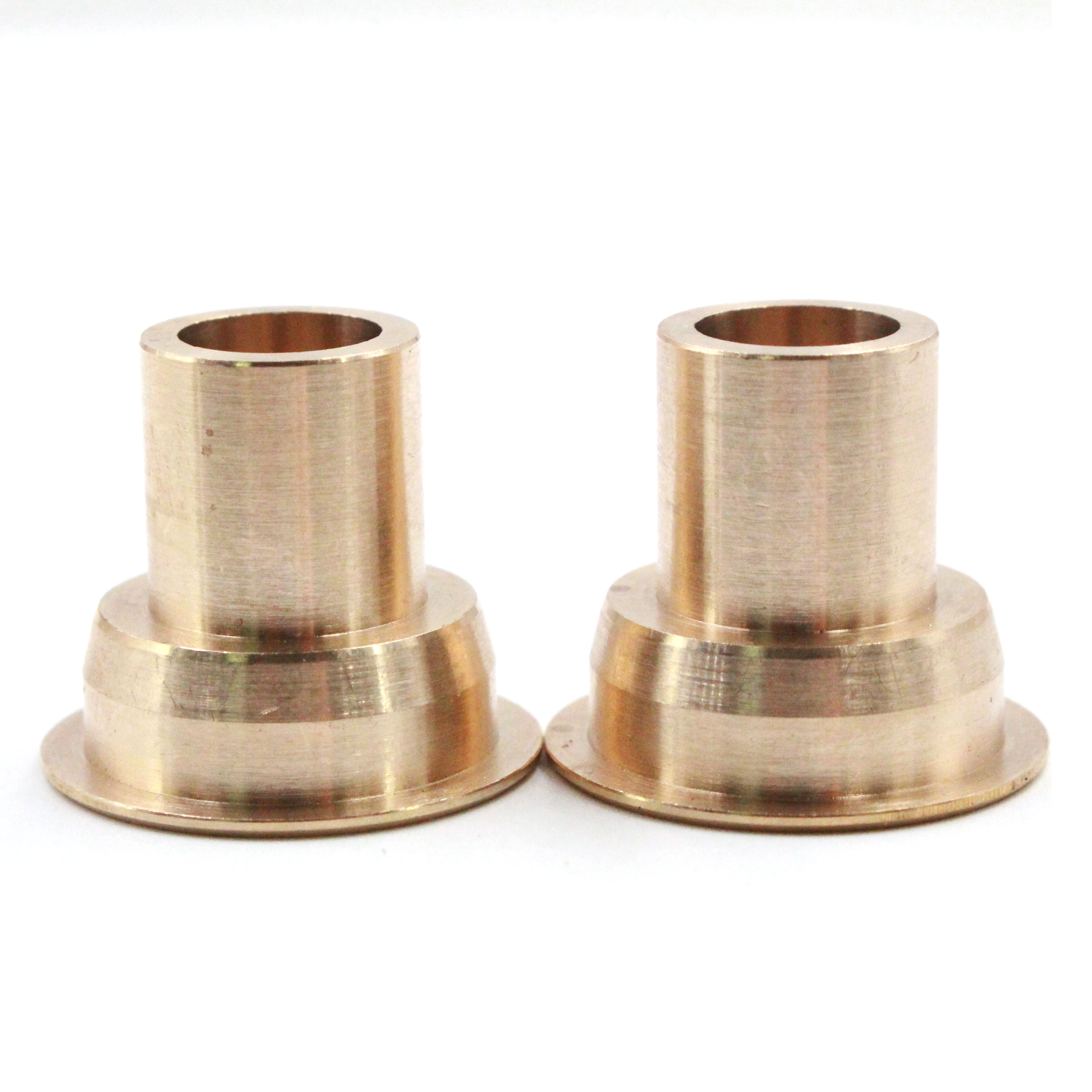
From the workshop to your production line, I offer Cnc Brass Parts that meet exacting specs for durability and corrosion resistance. As a partner to Wholesale buyers and Manufacturers alike, I tailor small runs or high-volume orders with precise tolerances and fast lead times. My Cnc Brass Parts are machined from premium brass alloys, finished with clean deburring, and delivered with inspection reports. I understand your buy-hold-ship cycle and I am ready to support you with QC data, color/finish options, and customized geometries. Flexibility in batch sizes, quick quoting, and reliable on-time delivery are my promises. Whether you need tight tolerance components for pneumatic fittings, electrical connectors, or decorative hardware, my process ensures consistent performance. I invite you to compare specs, pricing, and delivery. I’m here to grow with your manufacturing needs and help your production stay lean and efficient.

Hot Selling Product

Cnc Brass Parts Service Factory-Direct Excellence

Global buyers seeking precision brass components can rely on a factory-direct CNC partner that blends design flexibility with cost efficiency. Brass parts are machined to tight tolerances using high-quality alloys known for excellent machinability, corrosion resistance, and reliable electrical performance. The service covers the entire lifecycle, from early design review and prototyping to high-volume production, with rapid iterations to validate form and fit. By aligning engineering, tooling, and process planning early, we reduce risk and accelerate time-to-market for electronics, plumbing, lighting, and automotive applications. Quality is built in through a rigorous management system, inline inspections, and traceable lot control, ensuring consistent performance. Clients can customize finishes—from polished to passivated, plating to selective coatings—and receive parts ready for assembly. The factory-direct model offers transparent pricing, predictable lead times, and scalable capacity to meet global demand. With QC data, certification-ready documentation, and engineering support during transfer and production, this approach delivers reliable supply chains for buyers worldwide.

{ Cnc Brass Parts Service Factory-Direct Excellence}

Part ID Category Material Size (L × W × H mm) Tolerance Finish Operating Temp (°C) Process Lead Time (days) Application Compliance
P-ACB-101 Valve Component Brass CuZn39Pb3 40 × 25 × 12 ±0.05 Brushed -20 to 120 CNC Machining 5 Water system fittings RoHS, REACH
P-ACB-102 Quick-Connect Fitting Brass CuZn37 28 × 18 × 10 ±0.03 Polished -15 to 105 CNC Turning + Milling 4 Plumbing assembly RoHS
P-ACB-103 Sensor Housing Brass CuZn39Pb3 50 × 40 × 20 ±0.05 Bright Brass -40 to 100 Precision CNC Milling 7 Automotive sensor housing RoHS
P-ACB-104 Adapter Brass CuZn39Pb3 35 × 25 × 15 ±0.04 Satin finished -25 to 110 CNC Machining 6 Hydraulic systems RoHS
P-ACB-105 Valve Seat Brass CuZn39Pb3 18 × 12 × 7 ±0.02 Electropolished -20 to 120 Micro Machining 3 Air handling RoHS, REACH
P-ACB-106 Bracket Support Brass CuZn39Pb3 60 × 35 × 20 ±0.06 Brushed -30 to 90 CNC Milling 8 Industrial equipment RoHS, REACH
P-ACB-107 Cap Screw Component Brass CuZn37 15 × 10 × 6 ±0.03 Polished -20 to 85 CNC Turning 2 Fluid control RoHS
P-ACB-108 Connector Plate Brass CuZn39Pb3 70 × 50 × 8 ±0.05 Nickel Plated -10 to 110 CNC Machining 9 Gas & Plumbing RoHS

Related Products

banner (3)

Cnc Brass Parts Is The Best Stands Out

Dataset Title: Production Volume by Brass CNC Part Category

Data Dimension: Production Volume by Part Type
Explanation: This chart presents production volume for seven brass CNC part categories in thousands of units, enabling quick comparisons across part types for planning and capacity decisions. Turned Parts lead with 180, followed by Milled Parts at 150, Fasteners at 120, Bushings at 95, Valves and Components at 80, Brackets at 70, and Custom Assemblies at 60. The ordering indicates that precision turning operations currently drive the bulk of output, while milling and assembly based components contribute progressively less volume. The horizontal-bar layout emphasizes relative sizes and supports fast scanning by executives and shop-floor managers alike. The gap between the top two categories and the rest suggests potential opportunities to rebalance workflow, for example by increasing spindle utilization on turning centers or by improving fixture setups for milling to capture additional capacity without major capital investment. The data also hints at product mix dynamics: the high share of turned parts may reflect core customer demand in automated assemblies, hydraulics and pneumatics, where tight tolerances and surface finishes are critical. Meanwhile, the lower volumes for Custom Assemblies may relate to higher design variability or longer lead times. For future analysis, incorporating cycle times, scrap rates, and tool wear would enrich the interpretation and help translate volume insights into throughput improvements and cost optimization. It would also be useful to segment by machine type or operator to identify bottlenecks and training needs. Overall, this visualization supports decision-makers in monitoring category performance, identifying where to invest in tooling, automation, or process improvements, and communicating with suppliers about capacity alignment. With time-series data, the same chart could reveal trends, seasonal shifts, or the impact of new CNC technologies on the brass parts portfolio, enabling proactive production planning and greater resilience in the supply chain. The approach is generalizable to other precision machining domains and can be easily adapted for dashboards and executive reviews.

Top Selling Products