banner (1)

High-Quality Carbon Steel Partial Thread Screw - Trusted Supplier

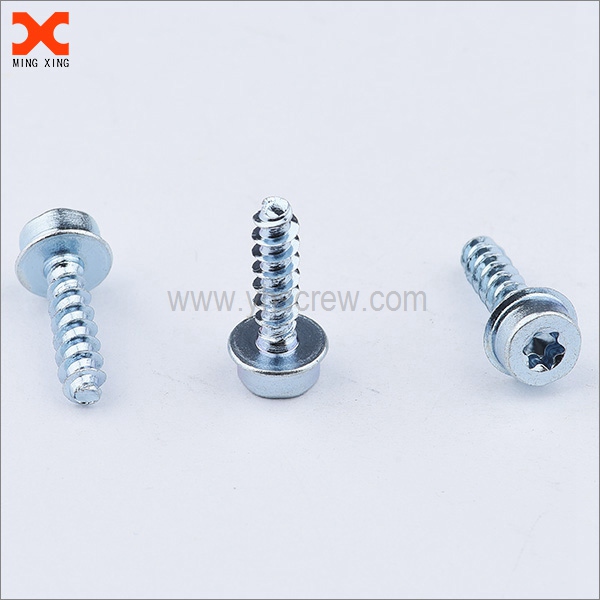
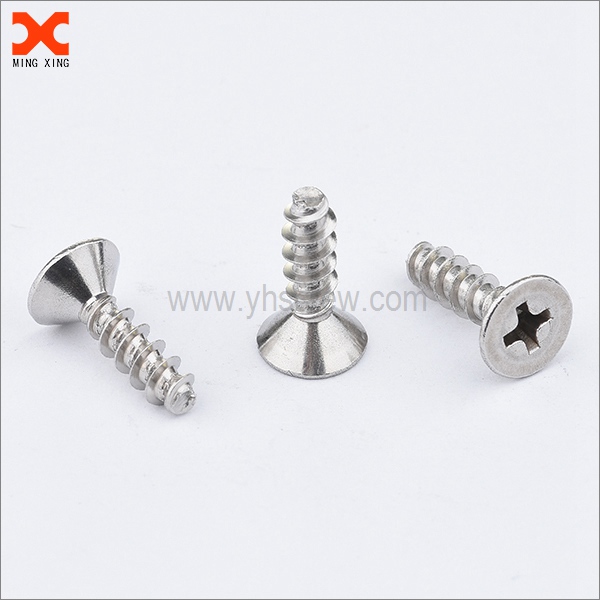
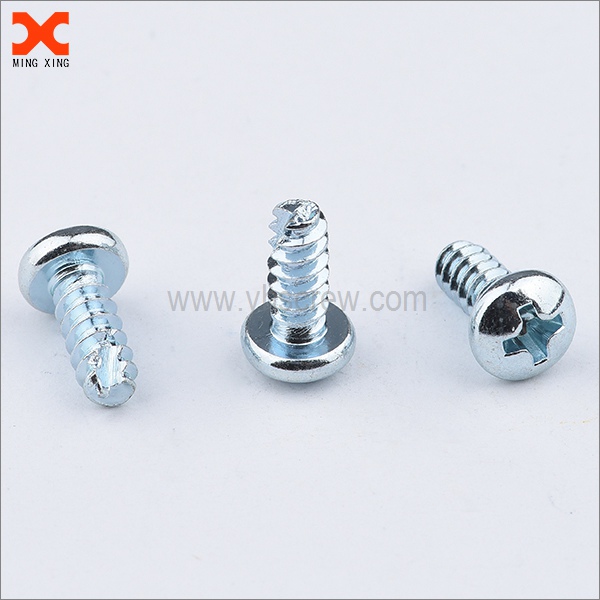
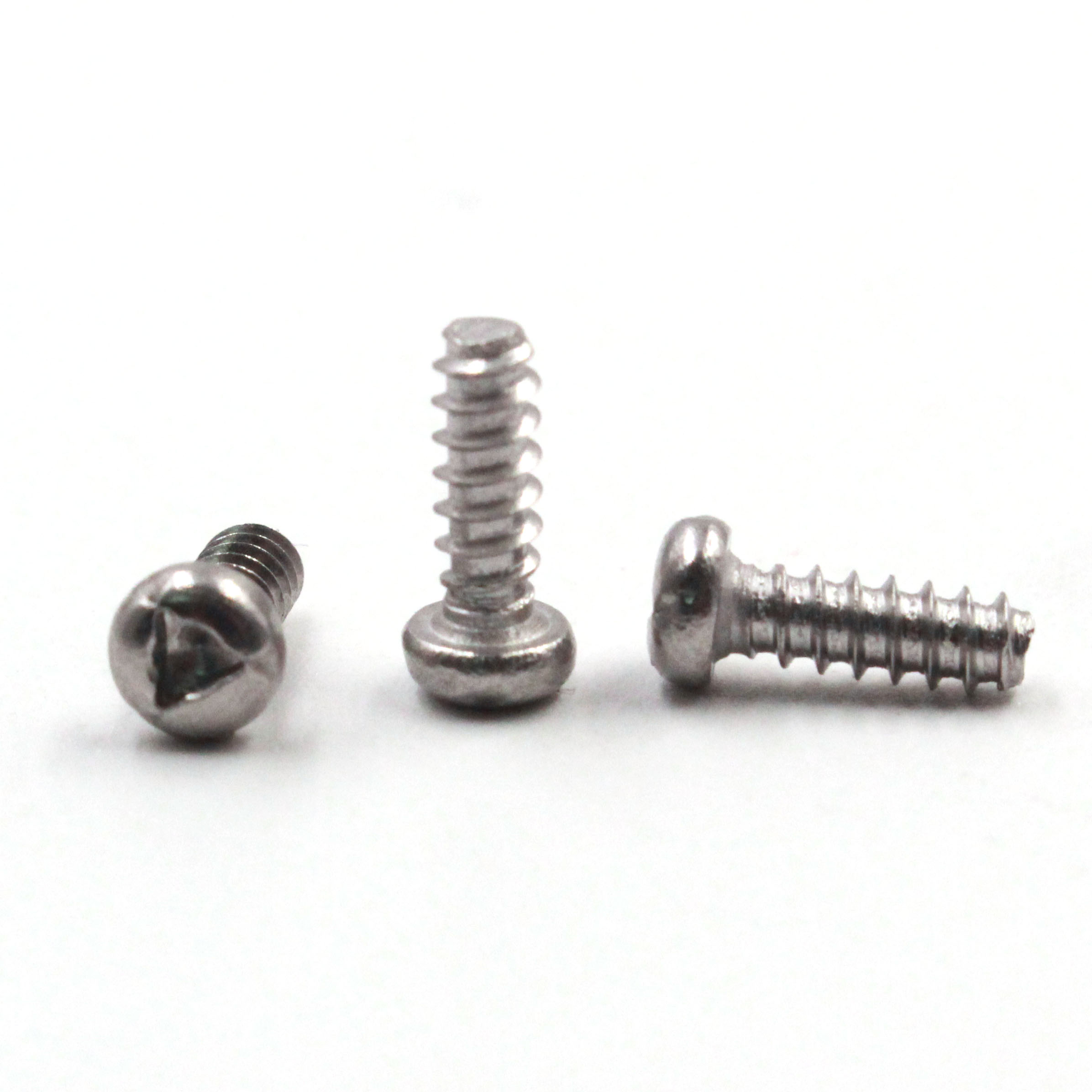
I’m sourcing dependable fasteners for our assembly lines, and the Carbon Steel Partial Thread Screw fits the bill. This item delivers high strength at a practical threading length, with a partial thread that gives precise clutch and controlled load distribution. We offer it as a High-Quality product from a reliable Supplier, available in multiple diameters and lengths to match your design specs. Finish options like zinc-plated or black oxide protect against wear in steel-to-steel connections. For bulk orders, I rely on consistent tolerances, clean heads, and tight thread engagement to reduce assembly time and avoid rework. Lead times are predictable, packaging is bulk-friendly, and substitutions are easy if you need standard sizes. If you’re prototyping or ramping production, this Carbon Steel Partial Thread Screw helps you keep cost down without sacrificing strength or reliability. Get in touch to confirm your size, finish, and quantity.

Hot Selling Product

Carbon Steel Partial Thread Screw Dominates Your End-to-End Solution

Carbon steel partial thread screws offer a reliable, cost-conscious path for global end-to-end assemblies. The partially threaded shank provides controlled clamp load and precise alignment, while the unthreaded portion adds shear strength and smooth insertion. With standard coatings like zinc plating or black oxide, these fasteners resist corrosion across environments, widening their use from electronic enclosures to light machinery. A broad range of sizes, head styles, and tolerances lets procurement standardize on a single fastener family, reducing SKU fragmentation and simplifying inventory and reorders across regions. From sourcing to shipment, choosing a partner who covers material, production, coating, packaging, and logistics under one umbrella speeds procurement. Buyers should prioritize common thread standards (imperial or metric), clear tolerances, and tested finishes that meet ISO or equivalent certifications. A supplier offering ready-to-ship kits, lot traceability, flexible MOQs, and predictable lead times can cut cycle times and administrative overhead. With transparent QC, third‑party inspection options, and RoHS/REACH compliance, carbon steel partial thread screws become a scalable backbone for global procurement and rapid assembly across markets.

Carbon Steel Partial Thread Screw Dominates Your End-to-End Solution

Part Number Material Grade Finish Head Type Drive Type Diameter (mm) Thread Length (mm) Overall Length (mm) Coating Tensile Strength (MPa) Hardness (HRC) Common Applications
CSP-101 AISI 1018 Zinc-Plated Pan Slotted 4 8 20 Zinc 410-540 20-25 General machinery, automotive assembly
CSP-102 AISI 1020 Black Oxide Socket Head Cap Hex (Allen) 5 10 25 Black Oxide 350-480 16-22 Machinery frames, bracket assemblies
CSP-103 AISI 1010 Zinc-Plated Flat Countersunk Slotted 6 14 40 Zinc 420-520 18-25 Panel mounting, electrical enclosures
CSP-104 AISI 1018 Plain Hex Head Hex 8 12 32 None 450-520 22-28 Automotive assembly, frame components
CSP-105 AISI 1035 Zinc-Plated Pan Slotted 3 6 16 Zinc 400-480 18-24 Small-component assemblies, electronics chassis

Related Products

banner (3)

Carbon Steel Partial Thread Screw Service Your End-to-End Solution

Data Dimension: Processing Time by Stage for Partial Thread Screws

New Data Perspective: End-to-End Cycle Time Distribution

End-to-End Cycle Time Distribution visualizes the average processing time across six stages in the production of partial-thread screws made from carbon steel. The data represent measured cycle times per manufacturing batch collected over a representative period, expressed in minutes. The chart highlights which stages are the primary contributors to total lead time, enabling targeted process improvements. Observations from the current data indicate that the Machining stage is the dominant bottleneck, followed by Threading, Heat Treatment, and Raw Material handling. Finishing and Inspection contribute comparatively less time, suggesting opportunities to reallocate resources or streamline setups in the earlier stages to reduce overall cycle time. This visualization supports what-if analysis: potential reductions in specific stages can propagate through the end-to-end flow, lowering total lead time and increasing throughput. The data structure is suitable for expansion, such as adding batch size, material grade, or screw length as additional dimensions for drill-down analysis. Limitations include sample size, measurement precision, and the fact that occasional downtime or maintenance events may not be fully captured in the average values. Nevertheless, maintaining consistent data collection and updating the chart regularly can help track the impact of process improvements, align operations with customer delivery expectations, and inform capacity planning. Future enhancements could integrate variability metrics (e.g., standard deviation) or compare performance across multiple facilities to benchmark best practices.

Top Selling Products