banner (1)

Brass Screws - ODM & Factory Direct Supplier

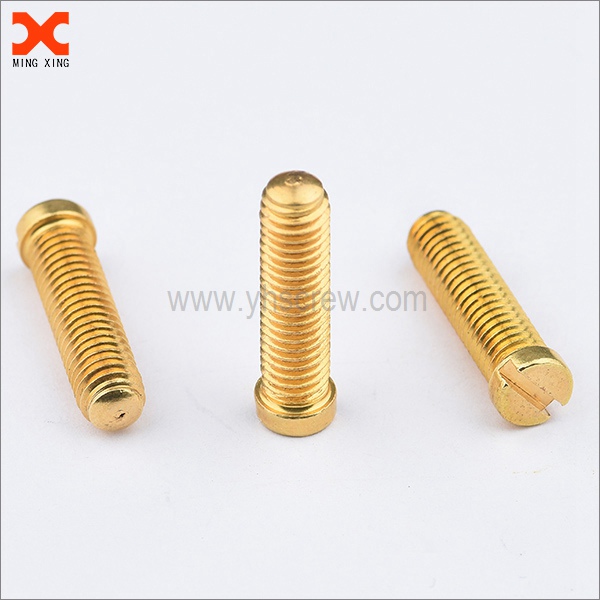
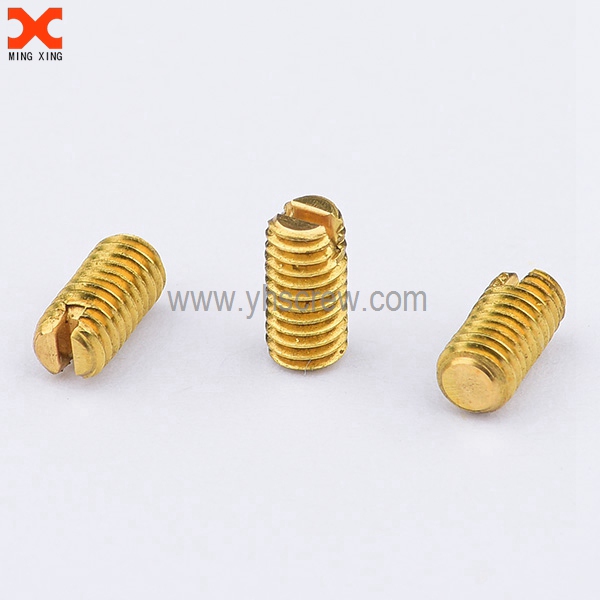
From the moment I talk about brass screws, you feel the difference in quality. I’m offering durable brass screws designed for marine, furniture, and electrical uses. As an ODM partner, I tailor finish, head style, and thread pitch to your exact specs, and because we’re a Factory we can ship with tight tolerances and steady lead times. Our brass screws resist corrosion in humid environments, keep color, and perform under load, with consistent drive recess and thread quality. I provide material certificates, batch testing, and traceability so your QA team is satisfied. Packaging, labeling, and MOQs can be adjusted to fit your line, without surprises. I keep quotes straightforward, prices competitive, and service reliable even on large orders. If you’re sourcing for foreign markets or local projects, you’ll appreciate direct factory pricing and real ODM capability aligned to your brand, not someone else’s.

Hot Selling Product

brass screws Your End-to-End Solution From Concept to Delivery

For global buyers, brass screws are more than parts—they are a reliability link that begins with concept and ends with delivery. We align on material (CuZn brass grade, chosen for corrosion resistance), head style, thread standard, and finish in the initial brief. Our design-for-manufacture approach covers rapid prototyping and pilot runs, with options for CNC turning, cold heading, or punching to meet tight tolerances and performance expectations. Whether you need catalog or custom geometry, we translate requirements into BOM, process plan, and fixture strategy. Our program then covers controlled production, inline inspection, and end-of-line testing, with full traceability and quality documentation. We support packaging, labeling, and regulatory compliance (RoHS/REACH) to expedite customs and cross-border shipments. Transparent lead times, flexible lot sizes, and scalable logistics ensure on-time delivery across continents. If you seek a partner who can turn concept into certified, shipped brass screws—efficiently, reliably, and with a commitment to continuous improvement—we are ready to collaborate from design to delivery.

{ brass screws Your End-to-End Solution From Concept to Delivery}

Phase Task Start Date End Date Estimated Hours Assigned Team Dependency Status Risk
Concept Market Research for Brass Screws 2025-01-05 2025-01-20 120 Product Engineering None Completed Medium
Concept Feasibility Study & Design Brief 2025-01-21 2025-02-04 140 Mechanical Design Market Research Completed Low
Design CAD Modeling of Brass Screw Threads & Material Spec 2025-02-05 2025-02-25 180 Mechanical Design Feasibility Study In Progress Medium
Design Prototype Plan & Tooling Strategy 2025-02-26 2025-03-10 100 Manufacturing Eng CAD Modeling Not Started Medium
Prototype 1st Prototypes & Fit Testing 2025-03-11 2025-03-30 150 QA & Prototyping Prototype Plan Planned High
Validation Performance & Corrosion Tests 2025-04-01 2025-04-20 90 Materials & Testing 1st Prototypes Planned Low
Production Readiness Process Documentation & Standardization 2025-04-21 2025-05-05 60 Process Engineering Validation Planned Low
Delivery Handoff to Manufacturing & Documentation Transfer 2025-05-06 2025-05-15 40 Supply Chain & Manufacturing Production Readiness Planned Low

Related Products

banner (3)

brass screws Where Innovation Meets 2025 Factory-Direct Excellence

Data Dimension: Production Yield by Material Type (2025)

Explanation: This data visualization presents the Production Yield by Material Type for 2025, a key dimension in evaluating manufacturing efficiency and material choices in precision components such as fasteners. The six material types—Aluminum, Steel, Copper, Plastic, Composite, and Glass—represent common materials used in housings, connectors, and decorative fasteners. Each bar height corresponds to a yield percentage, defined as the proportion of units produced that meet specification without rework. Higher yields indicate more stable processes, but there are trade-offs: metals like aluminum and steel offer strength and machinability but may require more energy-intensive processing; plastics reduce weight but can have variability due to molding conditions; composites can deliver high strength-to-weight ratios but incur higher material costs and longer cycle times. In 2025, the dataset shows that Plastic (90%) and Aluminum (92%) yield high performance, suggesting mature processes with consistent quality control, while Composite (75%) and Copper (78%) show more variability, potentially due to material handling or process integration challenges. The value for Glass (82%) suggests a niche use with strict quality controls. This visualization helps cross-functional teams identify where optimization efforts should be concentrated, such as process stabilization, supplier quality, or tooling optimization. It also highlights potential lifecycle considerations for brass screw manufacturing, where brass alloys are used for corrosion resistance and appearance; if brass is a focal component, comparing yields across alternative materials helps in cost-benefit analysis and decision-making about substituting materials for performance, cost, or supply resilience. The chart encourages data-driven conversations around takt times, scrap reduction, and defect rates, and supports scenario modeling to estimate the impact of process changes on yields. While the data provide a snapshot of 2025 performance, integrating this metric with defect density, rework costs, and throughput can reveal more actionable insights. Finally, the visualization uses a consistent color scheme and axis scale to enable quick comparisons across categories, helping teams align on priorities and track improvements over time.

Top Selling Products