banner (1)

Brass CNC Parts for Custom Solutions from Factories

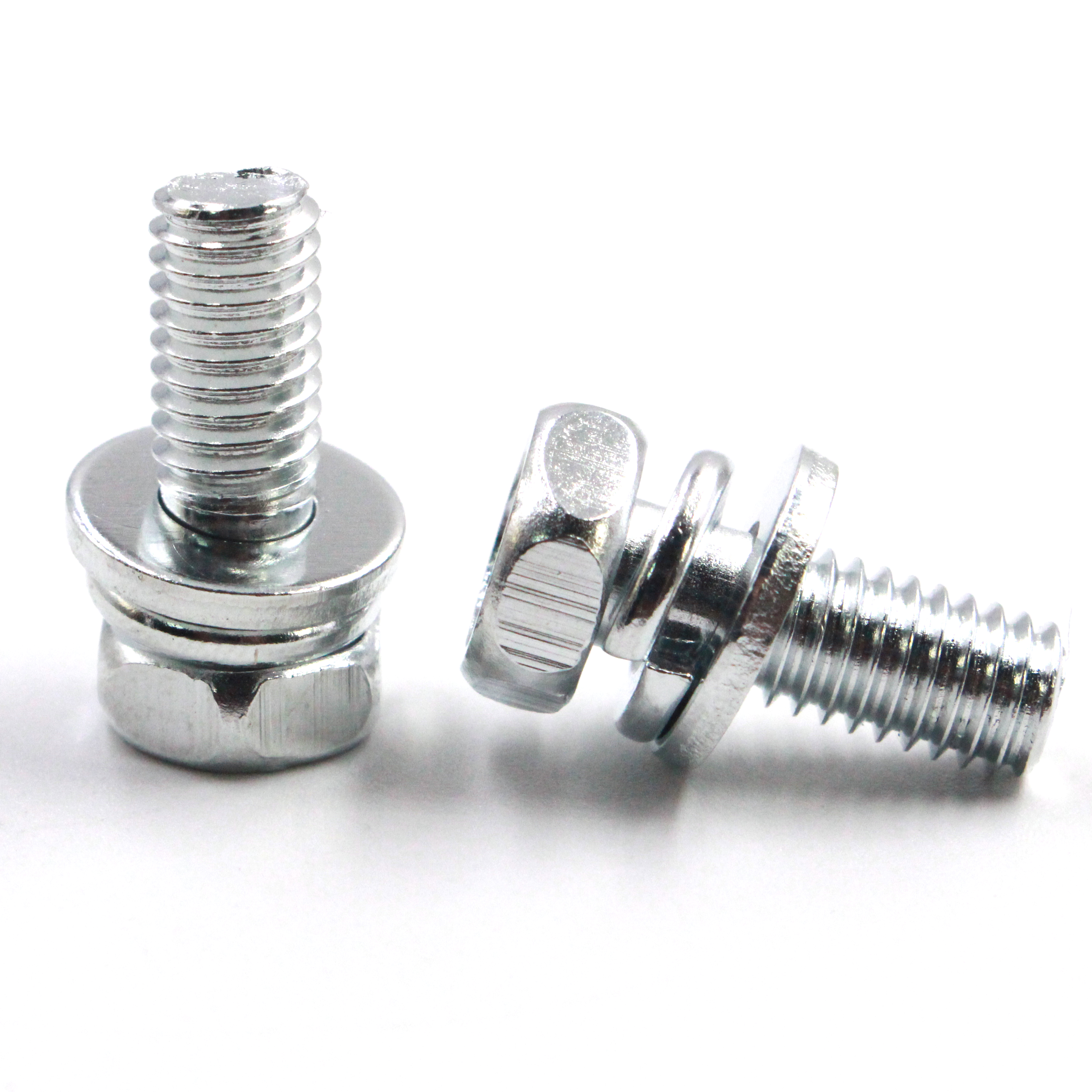
From design to delivery, I specialize in Brass CNC Parts that fit your precise specs. When you need Custom solutions, I work directly with Factories to scale production without sacrificing quality. I offer rapid prototyping and small- to mid-volume runs, with tolerances as tight as ±0.02 mm and finishes from brushed to mirror. My Brass CNC Parts suit connectors, fittings, gears, and other components across automotive, electronics, and plumbing. I use high-grade brass alloys with CNC turning and milling, plus secondary ops like threading and plating. I provide CAD drawings, material certs, and first-article inspection reports. Lead times are competitive and I can rush urgent orders. I value long-term partnerships with Factories seeking reliable supply chains and consistent quality. Customization options include hole patterns, threaded features, and coatings. If you’re sourcing Brass CNC Parts, let’s discuss your spec, MOQ, and pricing today.

Hot Selling Product

Brass Cnc Parts Application Your End-to-End Solution

Brass CNC parts unlock opportunities across industries—from precision fittings to valve components. An end-to-end solution starts with design and material selection, balancing machinability, corrosion resistance, and conductivity to hit performance and cost targets. CNC machining delivers tight tolerances and repeatable quality, while finishes such as polishing, plating, or passivation tailor appearance and durability. In-process inspection and final metrology ensure batch consistency, with optional secondary operations like tapping or threading integrated into one workflow. Global buyers gain from an end-to-end pathway: single-source procurement, transparent pricing, and certified quality management. From design validation to prototype runs and production, the supply chain is optimized for traceability, packaging, and logistics, enabling on-time delivery across regions. By aligning engineering, manufacturing, and logistics under roof, companies can shorten time-to-market, reduce risk, and scale production to meet changing demand.

{ Brass Cnc Parts Application Your End-to-End Solution }
Part ID Part Name Material Length (mm) Width (mm) Thickness (mm) Tolerance (mm) Surface Finish CNC Process Heat Treatment Hardness (HRC) Weight (g) Application Field Lead Time (days)
CNC-001 Brass Bracket Brass (CuZn39) 80 40 6 ±0.05 Polished Six-Axis Milling Annealed 28 420 Automotive control arm mounting 5
CNC-002 Brass Gear Spacer Brass (CuZn39) 60 20 5 ±0.05 Brushed CNC Turning + Milling Annealed 22 120 Gearbox spacer between shafts 7
CNC-003 Shaft Collar Brass CuZn39 70 38 12 ±0.03 Shot Peened CNC Turning Solution Annealed 25 350 Pneumatic actuator mounting 6
CNC-004 Bracket Plate Brass CuZn39 100 60 8 ±0.05 Polished CNC Milling Work-Hardened 22 600 Engine mounting bracket for brass fittings 9
CNC-005 Valve Seat Brass CuZn39 40 28 4 ±0.03 Polished CNC Turning Annealed 28 150 Brass valve seat for plumbing 4
CNC-006 Flange Adapter Brass CuZn39 120 70 16 ±0.05 Bead Blasted CNC Milling + Turning Work-Hardened 30 900 Flange adapter in HVAC systems 8

Related Products

banner (4)

Brass Cnc Parts Factory Dominates

数据维度:月度产能利用率趋势

Data Narrative: Monthly CNC Parts Production Output

Explanation: This chart presents a twelve-month trajectory of monthly production output for a brass CNC parts facility. The data points represent the number of units produced and shipped to customers, serving as a proxy for overall shop-floor activity and customer demand. Observing the pattern, several insights emerge. Early in the year the output starts at a moderate level, reflecting ramp-up after inventory cycles and planned maintenance. By spring, volume rises as new orders come online and tooling cycles optimize. The summer months show the strongest performance, driven by improved machine uptime, shorter changeover times, and better scheduling across multiple CNC stations. In late autumn there is a slight dip, which can correspond to preventive maintenance windows, supplier lead times, or personnel availability. The year-end surge into December indicates push to meet quarter-end commitments and contract renewals. The variability month-to-month suggests that capacity is being matched with demand in a flexible, just-in-time style rather than running flat production. The line can be associated with the plant's efficiency improvements: higher output often aligns with reductions in setup time and better process control, while any declines point to maintenance, tooling issues, or supply constraints. From a managerial perspective, the chart supports several actionable implications: capacity planning should consider seasonal demand shifts and risk buffers; continuous improvement programs targeting changeover reduction and spindle uptime can convert occasional dips into steadier growth; quality and process data, such as defect rates or throughput per hour, could be layered onto the chart to verify that increased production does not compromise tolerance or reliability. In summary, this dataset provides a concise view of production tempo, enabling managers to forecast, schedule, and optimize resources across the year. It also serves as a baseline for benchmarking against future improvements and expansion scenarios.

Top Selling Products