banner (1)

Brass Cnc Machining Parts | China Manufacturer of Precision Components

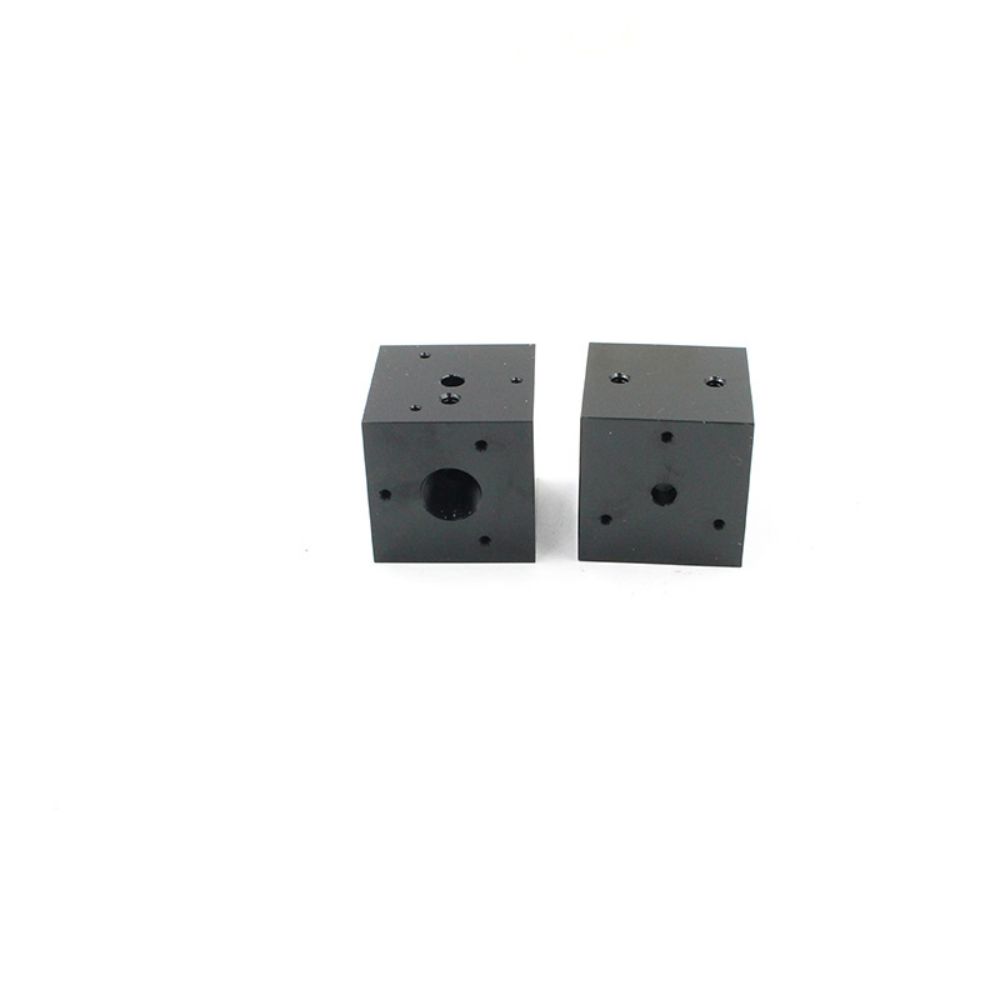
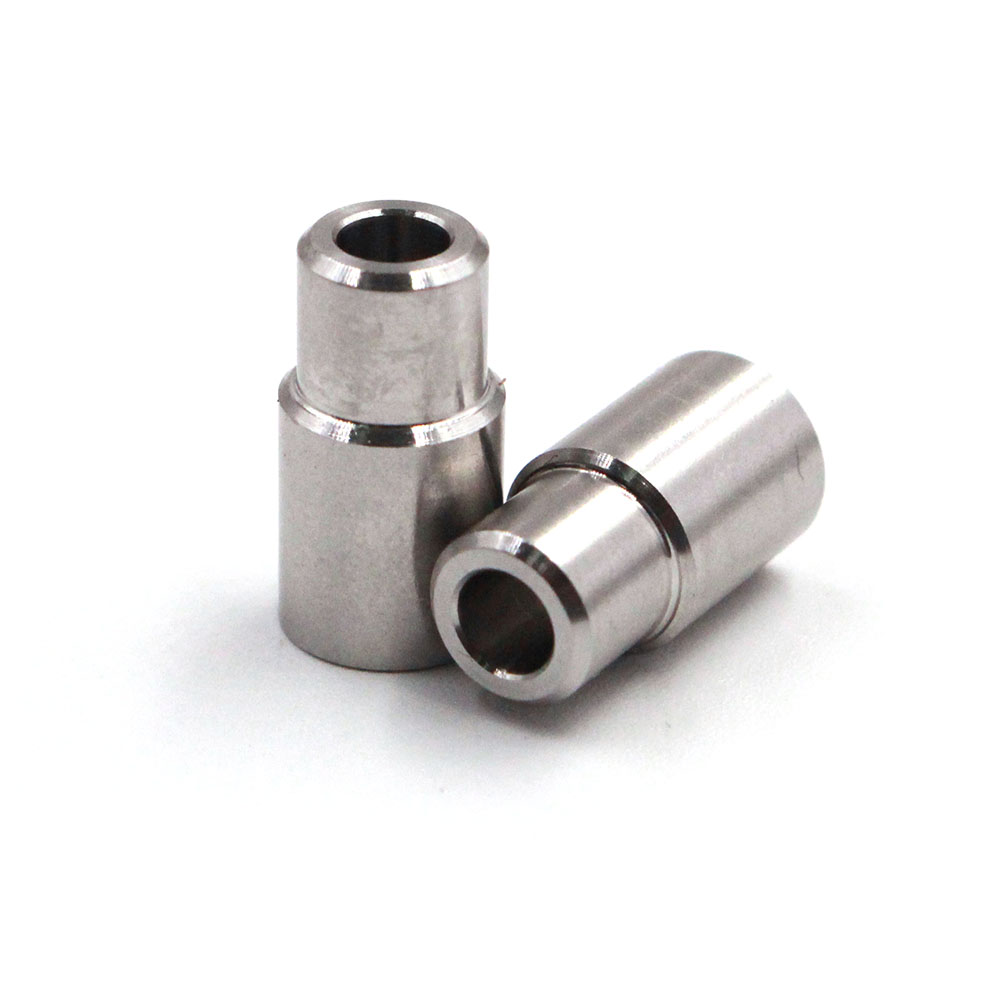
I am a China-based manufacturer, we supply precise, durable components with tight tolerances and reliable surface finishes. Our Brass CNC Machining Parts are designed for automotive, electronics, plumbing and aerospace applications, and we can customize to your specs, including assemblies, heat treatment, plating, and passivation. With our in-house CNC turning, milling, drilling, and engraving, we deliver quick turnaround, consistent quality, and scalable production. I understand quality control matters most, so we run first article inspections, DUR testing and 100% visual checks before shipping. We support MOQ flexibility for pilots and larger runs alike, and can manage packaging to meet your logistics and compliance needs. Partnering with us means you get a dependable supplier in China, who acts like a true manufacturer partner, not just a vendor. Let me know your tolerances, finishes, and quantity, and I’ll tailor a quote for your Brass CNC Machining Parts today.

Hot Selling Product

Brass Cnc Machining Parts Supplies the World\u2019s Top Brands Your End-to-End Solution

Global buyers seek reliable brass CNC parts that convert drawings into high-precision components for demanding environments. An end-to-end solution covers design support, material selection, tooling, precision turning and milling, finishing, and thorough inspection. This accelerates development from prototype to high-volume production, with 3D CAD collaboration, tolerance checks, and rapid iteration. Scalable production and flexible packaging enable a single partner to supply assemblies and components to diverse industries worldwide, reducing lead times and risk. Quality assurance is built on traceability from material to finished part, in-house inspection, and statistical process control. A robust logistics plan supports just-in-time delivery, global shipping, and compliant packaging. Aligning product engineering with procurement goals delivers cost efficiency, consistent quality, and predictable performance for brass CNC machined parts used in critical applications across industries.

{ Brass Cnc Machining Parts Supplies the World’s Top Brands Your End-to-End Solution }

Part ID Part Name Material Finish Dimension (L×W×H) [mm] Tolerance (± mm) Weight [g] Machining Process Lead Time (days) QA Pass Rate (%) Certification
P-AL-001 Bracket Plate Aluminum 6061-T6 Anodized Clear 80×40×6 ±0.05 45 3-Axis CNC Milling + Turning 5 99.2 ISO 9001
P-BA-002 Brass Mount Ring Brass C260 Natural 60×60×10 ±0.03 24 CNC Turning 4 99.6 ISO 9001
P-SS-003 Shaft Collar Stainless Steel 304 Passivated 45×25×12 ±0.02 72 CNC Turning + Milling 6 99.7 ISO 9001
P-AL-004 Gear Housing Bracket Aluminum 7075-T6 Anodized Black 120×75×25 ±0.04 210 5-Axis CNC Milling 9 99.4 AS9100
P-AL-005 Link Arm Aluminum 6063-T5 Natural 90×30×15 ±0.05 88 CNC Milling 7 99.3 ISO 9001
P-SS-006 Mounting Plate Stainless Steel 316 Satin 100×50×8 ±0.03 140 CNC Milling + Drilling 7 99.5 ISO 9001
P-CU-007 Connector Hub Brass C440 Polished 40×40×20 ±0.02 95 CNC Milling 5 99.2 ISO 9001
P-SS-008 Shaft Pin Stainless Steel 17-4PH Black Oxide 25×10×7 ±0.01 14 CNC Turning 3 99.8 ISO 9001

Related Products

banner (2)

Brass Cnc Machining Parts in 2025 Industry Leaders

Data Dimension: Production Output and Lead Time Trends (2021-2025)

Production Output (thousand units) Lead Time (days)

Explanation: This chart uses a data dimension that combines Production Output and Lead Time to illustrate how capacity and responsiveness evolve from 2021 through 2025 in the brass CNC machining parts segment. The production figures are shown in thousands of units per year, while the lead time is shown in days. The intention is to provide a compact view of both throughput and speed, recognizing that improvements in one dimension can influence the other. In the synthetic data presented, production rises from 75 thousand units in 2021 to 125 thousand units in 2025, indicating expansion of capacity, higher utilization, or stronger demand. At the same time, the average lead time declines from 28 days to 21 days, suggesting that the operation becomes more efficient, reduces bottlenecks, and shortens order-to-delivery cycles. The dual axis design helps convey these trends side by side; however, it also requires cautious interpretation, as the two metrics have different units and scales. The left axis anchors production, while the right axis anchors lead time, enabling the viewer to assess whether volume growth coincides with quicker turnaround. Key observations include the simultaneous upward trajectory of production and downward trend in lead time, which points to successful optimization efforts such as automation, improved scheduling, and supplier collaboration. If an organization can sustain this pattern, it implies a stronger competitive position through better capacity and faster delivery. Nevertheless, the chart abstracts away many real-world factors, including material costs, demand volatility, product mix shifts, and quality considerations that might influence the relationship between output and lead time. For industry leaders, this visualization highlights the value of balancing scale with agility. The metrics can support strategic decisions on capacity expansion, shift planning, inventory policy, and capital investments. More granular data, such as quarterly cycles, machine uptime, defect rates, batch sizes, and customer mix, would enrich insights and enable more precise forecasting and optimization. This example is intended for demonstration and learning rather than a representation of a specific company.

Top Selling Products