banner (1)

Wholesale Blind Tnut Threaded Inserts for Wood Manufacturers

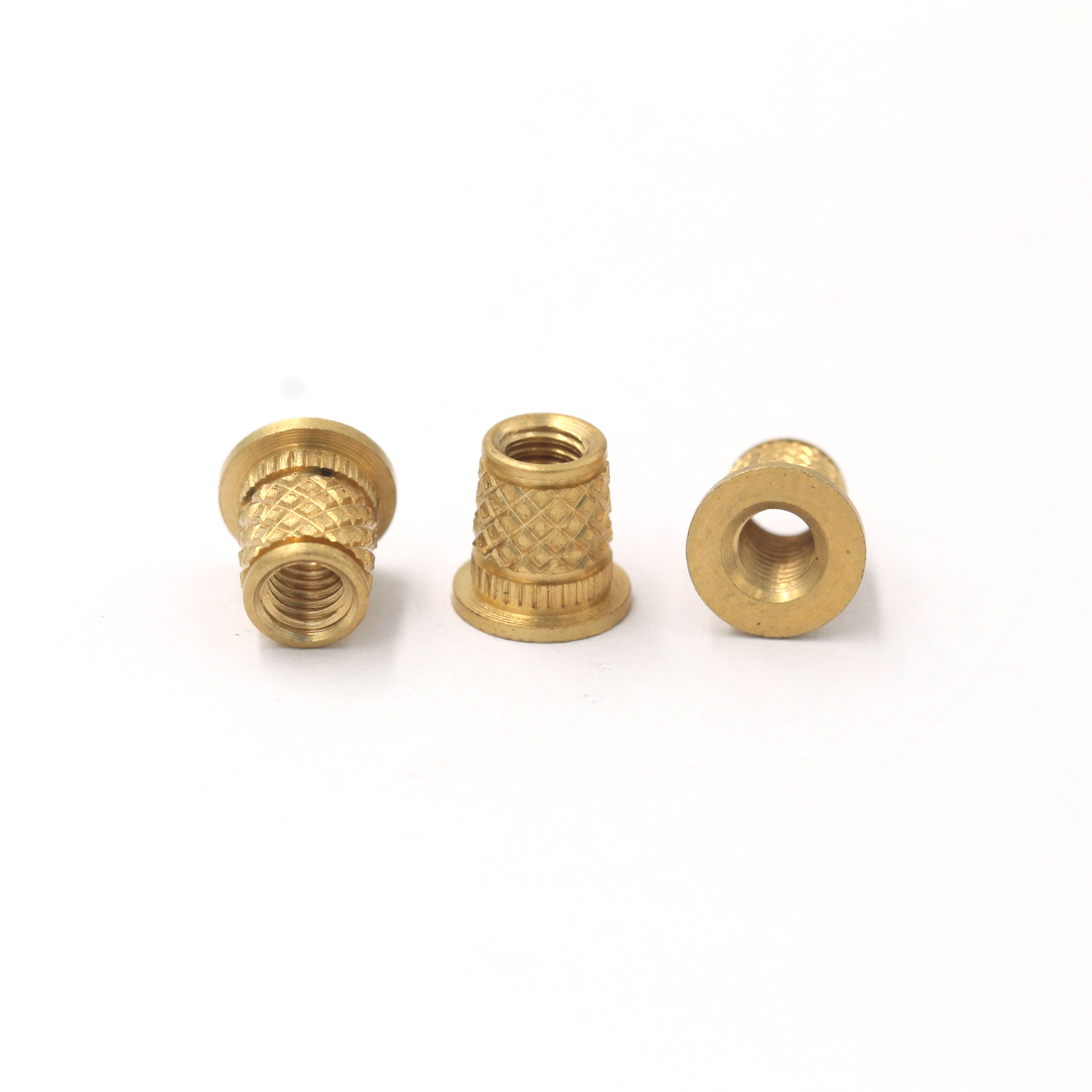
I’ve built a catalog of blind Tnut threaded inserts for wood that stand up to demanding production lines. For Wholesale buyers and Manufacturers, these inserts offer consistent quality, quick installation, and strong pull-out resistance. They sit flush with the surface, keeping your furniture or cabinetry clean and fastener-friendly. With a knurled or flanged body and a short installation depth, they grip the wood securely and spread load across the panel. Choose zinc-plated steel for cost-effective uses or stainless steel for damp environments. Our process ensures tight tolerances and reliable threading every time, so you can automate assembly or do it by hand without worry. I serve the Wholesale and Manufacturers market with flexible packaging, small MOQ, and steady supply, helping you scale production. If you’re seeking a durable, easy-to-install solution for wood joints, I’m here to help.

Hot Selling Product

blind Tnut threaded inserts for wood Where Service Meets Innovation Your End-to-End Solution

Blind T-nut threaded inserts for wood deliver strong, flush joints that resist pull-out under load. They are ideal for furniture, cabinetry, and enclosure assemblies where access is limited to one side. This is where service meets innovation—an end-to-end solution that covers design, material choices, manufacturing, coating, testing, packaging, and global logistics to ensure reliable delivery to your production lines and partners worldwide. Key features include secure load transfer, reduced wood splitting, and easy installation with common tools. Available in stainless steel, coated carbon steel, or brass, these inserts can be customized for thread size (M4–M12 or corresponding imperial options), length, and drive type. Surface treatments such as zinc plating or passivation boost corrosion resistance for indoor and outdoor use. Standard tolerances and compatibility with a range of wood species simplify procurement and minimize rework. From sample testing to bulk production, scalable lead times and responsive support ensure a smooth supply chain. Packaging, labeling, and traceability options help with global distribution, while engineering support assists with CAD guidance, installation instructions, and design-for-manufacture feedback. Share your project requirements and we will tailor the end-to-end solution to your exact application and schedule.

{ blind Tnut threaded inserts for wood Where Service Meets Innovation Your End-to-End Solution}
Item ID Spec Size Outer Ø (mm) Length (mm) Thread Size Material Finish Drill Ø (mm) Wood Type Load Capacity (N) RoHS Compliant Applications
TNU-01 M6 11.5 15 M6 Stainless Steel 304 Passivated 9.0 Softwood 2500 Yes Furniture, Drawer Guides
TNU-02 M8 13.0 18 M8 Stainless Steel 304 Passivated 11.0 Hard Maple 3200 Yes Cabinetry, Shelving
TNU-03 1/4-20 14.0 22 1/4-20 Carbon Steel Zinc Plated 12.0 Oak 4200 No Industrial Furniture
TNU-04 M10 17.0 20 M10 Stainless Steel 316 Passivated 13.0 Beech 5200 Yes Heavy-Duty Cabinets
TNU-05 M6 9.5 12 M6 Aluminum 6061 Anodized Natural 7.5 Pine 1500 Yes DIY Projects
TNU-06 M8 12.0 16 M8 Carbon Steel Black Oxide 9.5 Walnut 2300 Yes Cabinetry, Projects
TNU-07 M6 10.5 14 M6 Stainless Steel 304 Electro-Polished 8.0 Maple 2400 Yes Furniture Assembly
TNU-08 M10 18.0 25 M10 Stainless Steel 316 Satin 13.0 Oak 5500 Yes Commercial Millwork

Related Products

banner (2)

blind Tnut threaded inserts for wood Winning in 2025 Factory-Direct Excellence

Monthly Adoption Rate of Blind T-Nut Inserts in Woodworking Projects

Explanation: This chart presents a hypothetical analysis of the monthly adoption rate of blind T-nut inserts in wooden assemblies. The data dimension is monthly adoption value on a 0–100 scale, representing cumulative usage, installation frequency, or an index of project adoption. The purpose is to illustrate how product availability, manufacturing reliability, and user education can influence the uptake of a standardized fastening system in woodworking. In the early months, adoption grows steadily as builders learn about compatibility and benefits such as clean countersinking, concealed appearance, and load distribution. The middle of the year shows a sharper increase as distribution channels improve, tooling and installation guides become more accessible, and project pipelines expand. Toward year-end the curve begins to plateau, indicating approaching saturation as most target shops have integrated the inserts into routine practice. This pattern can help forecast demand for inserts, plan production capacity, and set quality targets for 2025. Key drivers of the trend include product quality (thread engagement, corrosion resistance), ease of installation (self-tapping threads, compatible pilots), and supply reliability (shorter lead times via factory-direct channels). The data also reflects the importance of education and demonstrations in lifting adoption, as workshops and online tutorials reduce hesitation among woodworkers. While the numbers are synthetic, they demonstrate how a simple time series can reveal the relationship between supply chain improvements and user uptake. The analysis suggests that consistent performance and predictable availability encourage repeat purchases and wider adoption across varied wood species and project types. Stakeholders can use such charts to align inventory, training resources, and after-sales support with expected demand, while remaining flexible to external factors such as material costs, regulatory changes, and evolving standards for fasteners in woodworking. Overall, the chart highlights a positive trajectory tied to reliability, accessibility, and demonstrated value in the woodworking community.

Top Selling Products