banner (1)

Zinc Plated Thumb Screw - OEM Suppliers of Fasteners

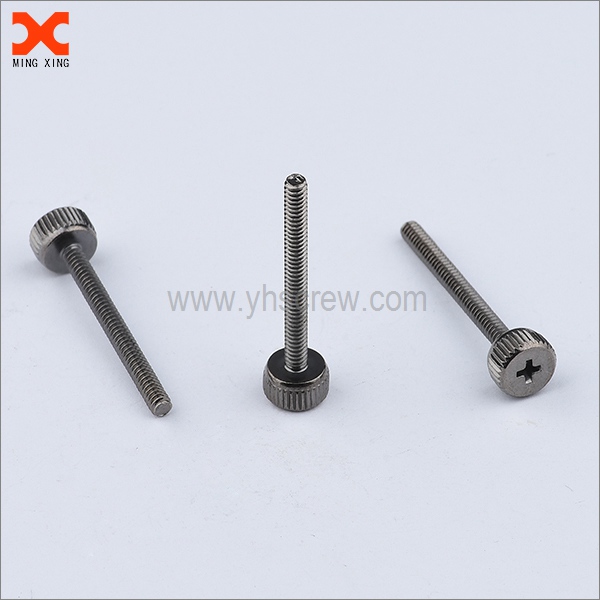
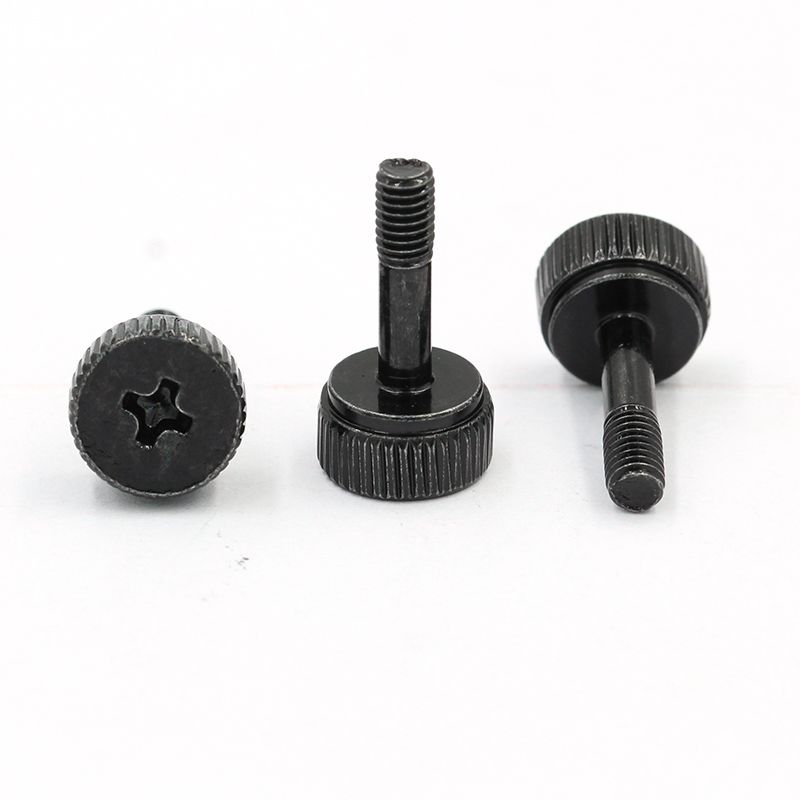
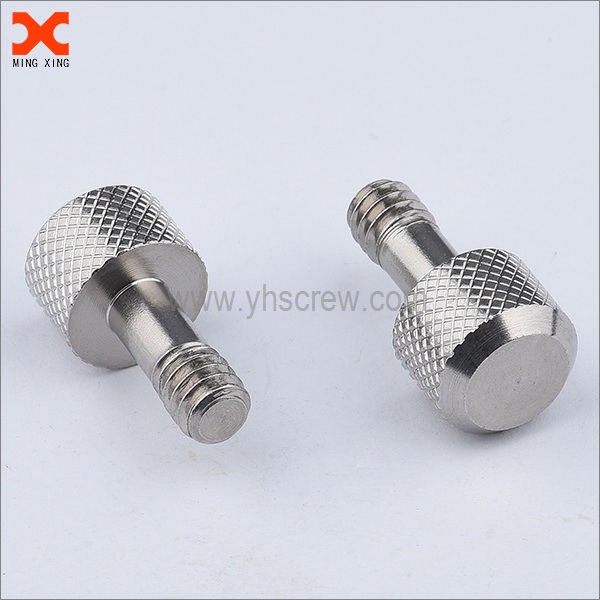
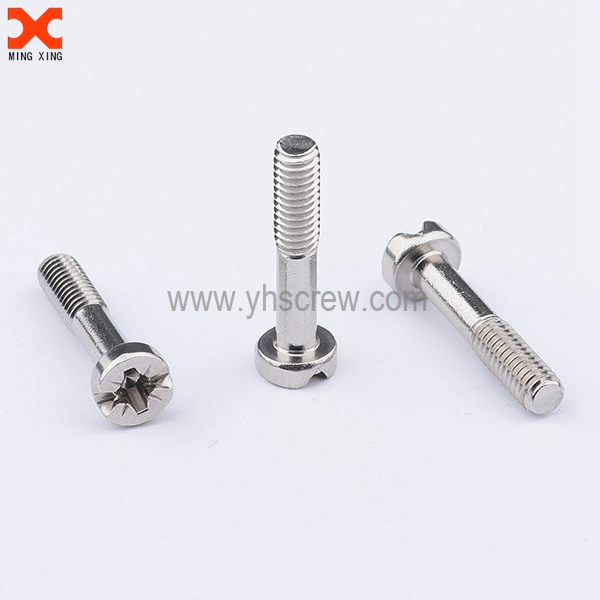
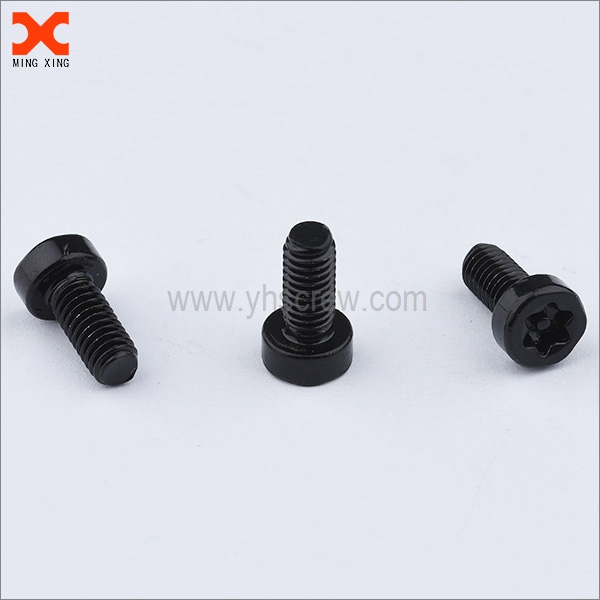
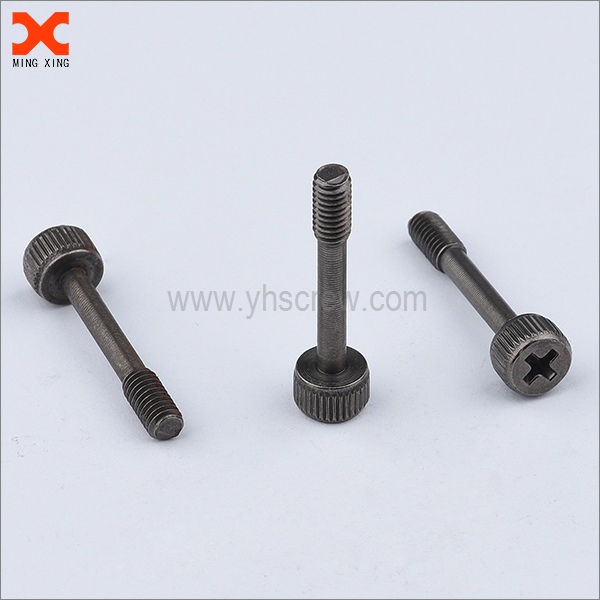
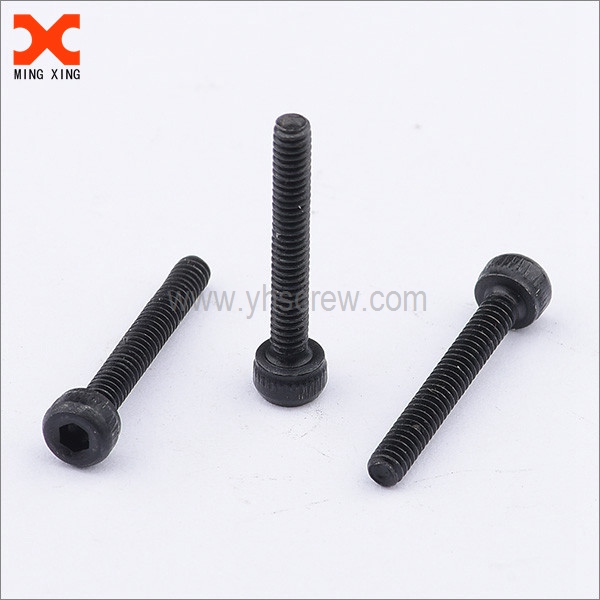
From design to delivery, I offer a zinc plated thumb screw that fits perfectly into quick assembly lines. I know OEMs and Suppliers need dependable fasteners that resist corrosion under harsh environments, and our zinc plated thumb screw delivers. Each screw is machined to tight tolerances and finished with a bright zinc coating for corrosion protection and easy handling. I choose only material grade steel with plating that passes salt spray tests, ensuring long service life even in vibration-prone assemblies. For volumes, I can scale production to meet your project timeline, with customization on drive type, length, and thread size. I provide quick quotes and packaging options tailored for OEMs and Suppliers. Our goal is to simplify your procurement while improving assembly speed and reliability. If you need a dependable, cost-effective hand-tighten solution, this zinc plated thumb screw is it.

Hot Selling Product

zinc plated thumb screw Application Industry Leaders

Zinc plated thumb screws are compact hand-tightening fasteners for enclosures and panels that require quick servicing. A steel core with zinc electroplating provides corrosion resistance, a smooth finish, and cost efficiency. The zinc layer accepts lubricants and secondary coatings, making them versatile for electronics and consumer devices. Buyers should note core material, head style (knurled or standard), and thread type (metric or imperial). RoHS-compliant plating supports electronics use and helps meet modern quality standards. These screws enable tool-free assembly in control panels, automation devices, and modular systems, supporting rapid prototyping and maintenance. For procurement teams, key considerations include plating thickness consistency, testing, packaging, lead times, and a supplier’s capacity to scale. From a Dongguan-based electronics components producer, this approach aligns with a global procurement program. In dynamic markets, a robust zinc plated thumb screw program can reduce total cost and keep product launches on schedule.

{ zinc plated thumb screw Application Industry Leaders}
Industry Segment End-Use Application Screw Size Range (mm) Thread Type Base Material Plating Salt Spray Resistance (Hours) Operating Temperature Range (°C) Min Tensile Strength (MPa) Standards / Certifications
Automotive Interior trim mounting M3×6 – M4×8 Metric coarse Carbon steel Bright zinc plating 240 -20 to 120 420 ISO 4042; ASTM B633 Class B
Electronics Enclosures and chassis assembly M2.5×4 – M3×6 Metric coarse Carbon steel Bright zinc plating 180–240 -25 to 85 520 ISO 4042; IEC/IPC guidelines
Furniture Drawer and cabinet assembly M2 – M3 Metric coarse Carbon steel Bright zinc plating 120 -30 to 110 400 ISO 4042
Household Appliances Panel fasteners for housings M3 – M4 Metric coarse Steel Bright zinc plating 180 -20 to 100 450 ISO 4042; DIN 6914
Construction / Electrical Electrical enclosure fasteners M4 – M5 Metric coarse Steel Bright zinc plating 160 -20 to 90 410 ISO 4042
Marine Cabin Interiors Cabin fittings in non-salt-exposed zones M3 – M4 Metric coarse Steel Bright zinc plating 96 -15 to 85 430 ISO 4042
Medical Equipment Non-sterile housings and fixtures M2 – M3 Metric coarse Steel Bright zinc plating 100 -5 to 60 520 ISO 4042

Related Products

banner (3)

zinc plated thumb screw Industry Leaders Sets the Industry Standard

Data Dimension: Lead Time vs Defect Rate Across Production Batches

This chart presents two key manufacturing performance metrics over the course of a typical production year: Lead Time (days) and Defect Rate (%). The data are synthetic for demonstration but illustrate how process improvements can impact both speed and quality in the zinc plated thumb screw line. Each month, batch production faced varying mix of components and handling times. The lead time shows a gradual improvement from January to December, sliding from about 5.1 days to just under 4 days by year end. This downward trend suggests better scheduling, supply chain stability, and more efficient machining, finishing, and inspection processes. The defect rate also trend down from roughly 1.8% to around 0.9%, indicating that as lead time improved, the process became more repeatable with fewer quality excursions, possibly due to standard work, enhanced quality checks, and reduced changeover variability. The two series move in a compatible direction, though not perfectly synchronized; there are months where defect rate dips more steeply than lead time, and vice versa, reflecting independent influences such as supplier variability, tool wear, or batch-size adjustments. The dual-axis presentation enables clarity: lead time is measured on the left axis in days, a utility metric that directly affects customer lead times and inventory planning; defect rate is on the right axis as a percentage, a quality performance indicator with implications for returns, rework, and overall cost of quality. Together, these metrics highlight how process discipline in zinc plating operations—uniform plating thickness, controlled quench times, consistent drying and curing, and rigorous in-line inspection—can yield faster throughput while maintaining or improving quality. This chart should be interpreted as a learning tool rather than a precise forecast: real-world data vary with production schedules, demand, and maintenance. For manufacturing leaders, the takeaway is that sustained gains in speed must be matched by quality controls; simultaneous improvement in both metrics provides a robust signal of process maturity.

Top Selling Products