banner (1)

Truss Phillips Type 23 Thread Cutting Screws - Wholesale Manufacturers

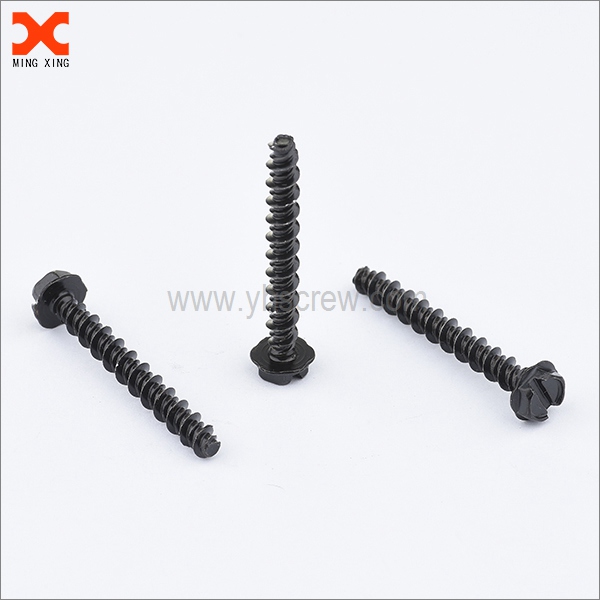
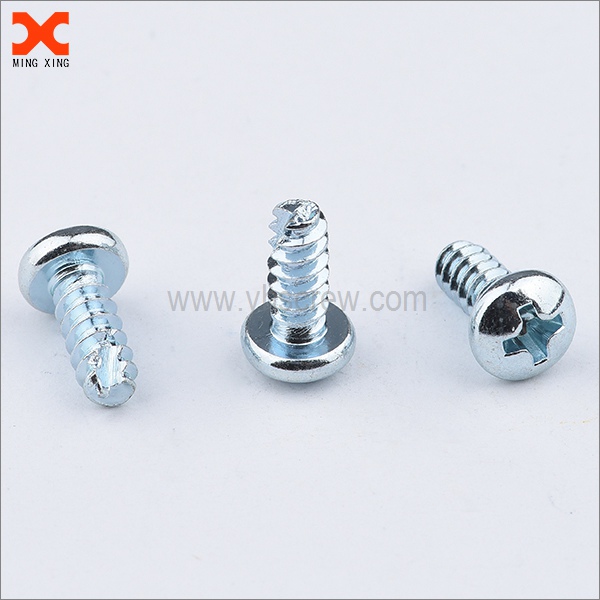
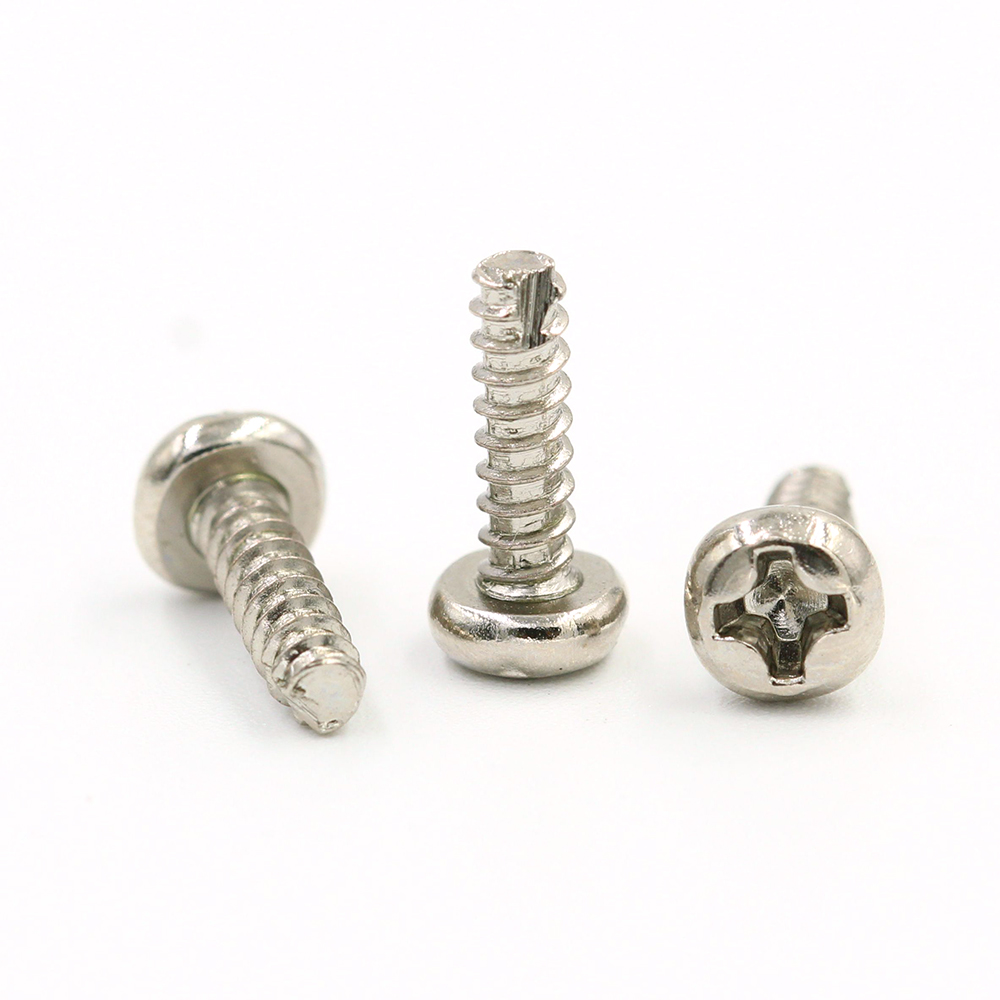
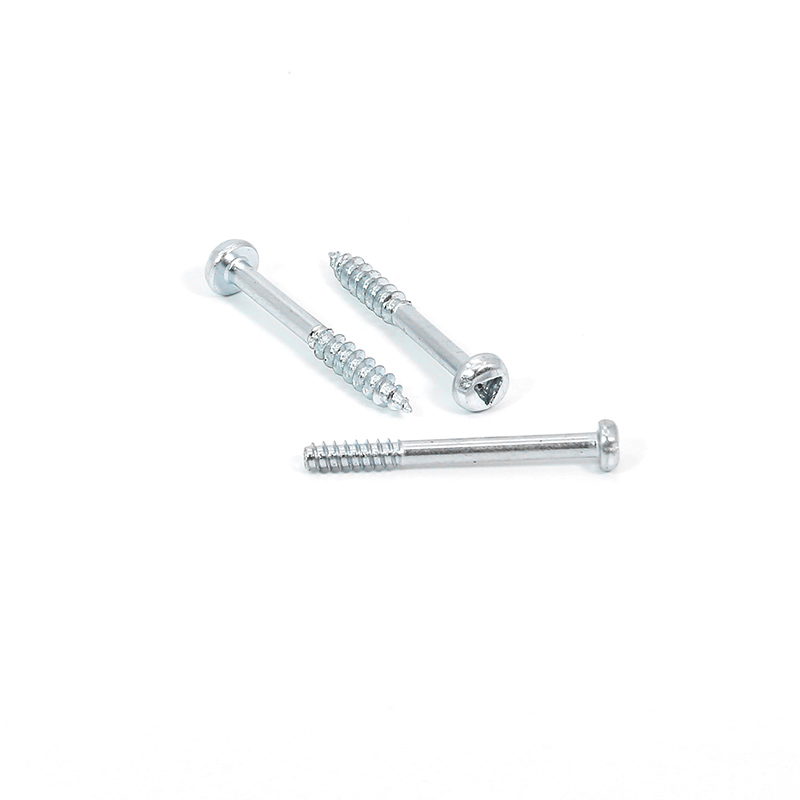
When you’re sourcing fasteners for high-volume contracts, I bring the Truss Phillips Type 23 Thread Cutting Screws to your project lineup. Built for metal and wood framing, these screws cut threads as they’re driven, delivering fast, secure joints with minimal predrilling. I offer consistent head size, sharp point, and a reliable Phillips drive that reduces stripping on job sites. Made from high-grade steel with protective coatings, they resist corrosion in exposed assemblies, making them suitable for Wholesale orders and ongoing manufacturing runs. Whether you’re stocking for distributors or supplying direct to Manufacturers, this screw ensures repeatable performance and reduced assembly times. I can tailor quantities, packaging, and finishes to your needs, supporting bulk orders, just-in-time shipments, and quality audits. Choose Truss Phillips Type 23 Thread Cutting Screws for dependable throughput and sound long-term value in any commercial build.

Hot Selling Product

Truss Phillips Type 23 Thread Cutting Screws Sets the Industry Standard Delivers Unmatched Quality

Engineered as a benchmark in fastening, Truss Phillips Type 23 thread-cutting screws form threads in metal and high-strength sheets in a single operation. Their precision thread geometry and hardened coating deliver smooth installation, high pullout resistance, and consistent torque across batches. Available in multiple lengths with corrosion-resistant finishes, they suit demanding applications from structural trusses to outdoor enclosures, enabling faster, dependable assemblies. For global buyers, consistent quality and reliable supply are essential. These screws are manufactured under strict process controls with traceable lots, enabling clear QA from material to finish. Standardized packaging, short lead times, and scalable MOQs support pilots and mass production, while certifications simplify cross-border shipments. Partnering with a trusted supplier provides a dependable fastening solution aligned with international procurement expectations.

{ Truss Phillips Type 23 Thread Cutting Screws Sets the Industry Standard Delivers Unmatched Quality }
Part Number Size (mm) Thread Type Material Finish Length (mm) Head Type Drive Type Coating Tensile Strength (MPa) Hardness (HRC) Standards / Certifications Origin Application
TP23-1001 5.0 Type 23 Self-Threading Carbon Steel Zinc-Plated 12 Truss Phillips #2 Zinc 900 32 DIN 7500; ISO 16484 China Light Metal Roofing
TP23-1002 6.3 Type 23 Self-Threading Alloy Steel Black Oxide 16 Truss Phillips #3 Black Oxide 980 34 ASTM F593; JIS B1192 Germany Structural Wood-to-Metal
TP23-1003 4.8 Type 23 Self-Threading Stainless Steel Passivated 10 Truss Phillips #2 Passivated 750 28 ISO 3506; DIN 26724 USA Exterior Cladding
TP23-1004 5.5 Type 23 Self-Threading High-Strength Alloy Bright Zinc 20 Truss Phillips #3 Galfan 950 33 EN 14592; ASTM F593 Japan Siding and Roofing
TP23-1005 5.0 Type 23 Self-Threading Carbon Steel Black Zinc 14 Truss Phillips #2 Blackened 880 31 GB 1200; JIS G 3141 South Korea Steel Framing
TP23-1006 6.0 Type 23 Self-Threading Carbon Steel Zinc-Nickel 18 Truss Phillips #3 Chromate 920 35 SAE J429; ISO 898-1 Italy Metal Roofing Systems
Note: Data presented here are representative specifications for educational purposes and may vary by lot.

Related Products

banner (3)

Truss Phillips Type 23 Thread Cutting Screws Ahead of the Curve From Concept to Delivery

New Data Dimension Title: Time-to-Delivery Efficiency Across Product Development Stages

Lead Time (days) Throughput (units)
This dataset models a time-to-delivery scenario for a product development cycle, focusing on two complementary metrics: Lead Time and Throughput. The lead time sequence represents the number of days from project start to delivery for each month, while the throughput sequence tracks the number of units completed and released per month. The visualization uses a dual-axis line chart to compare the pace of delivery with production capacity over a 12-month horizon. The left y-axis translates Lead Time into a decreasing trend, illustrating process maturation, better design-for-manufacturability, and more effective change management. The right y-axis captures Throughput growth, reflecting learning effects, standardization, and supplier readiness that enable higher output. The two series are plotted against a common x-axis representing months, allowing observers to observe how efficiency gains in cycle time correlate with production scale. The chart hints at the typical pattern of optimization: early months show longer cycles and moderate output, while mid-year improvements accelerate both metrics as feedback loops are closed and processes stabilize. A critical insight is that shortening lead times often unlocks capacity for greater throughput, enabling more aggressive scheduling and lower delivery risk in subsequent iterations. This visualization supports decision-making around resource allocation, process standardization, and continuous improvement programs by making it easier to detect bottlenecks and assess the impact of changes in development practices. While synthetic, the dataset captures essential dynamics of a fast-moving engineering program, where learning curves and scale effects drive toward more reliable and timely outcomes. The visualization can be extended with scenario analysis to explore how variations in processing times or demand affect capacity and risk.

Top Selling Products