banner (1)

Truss Head SEMS Screw - China Manufacturer

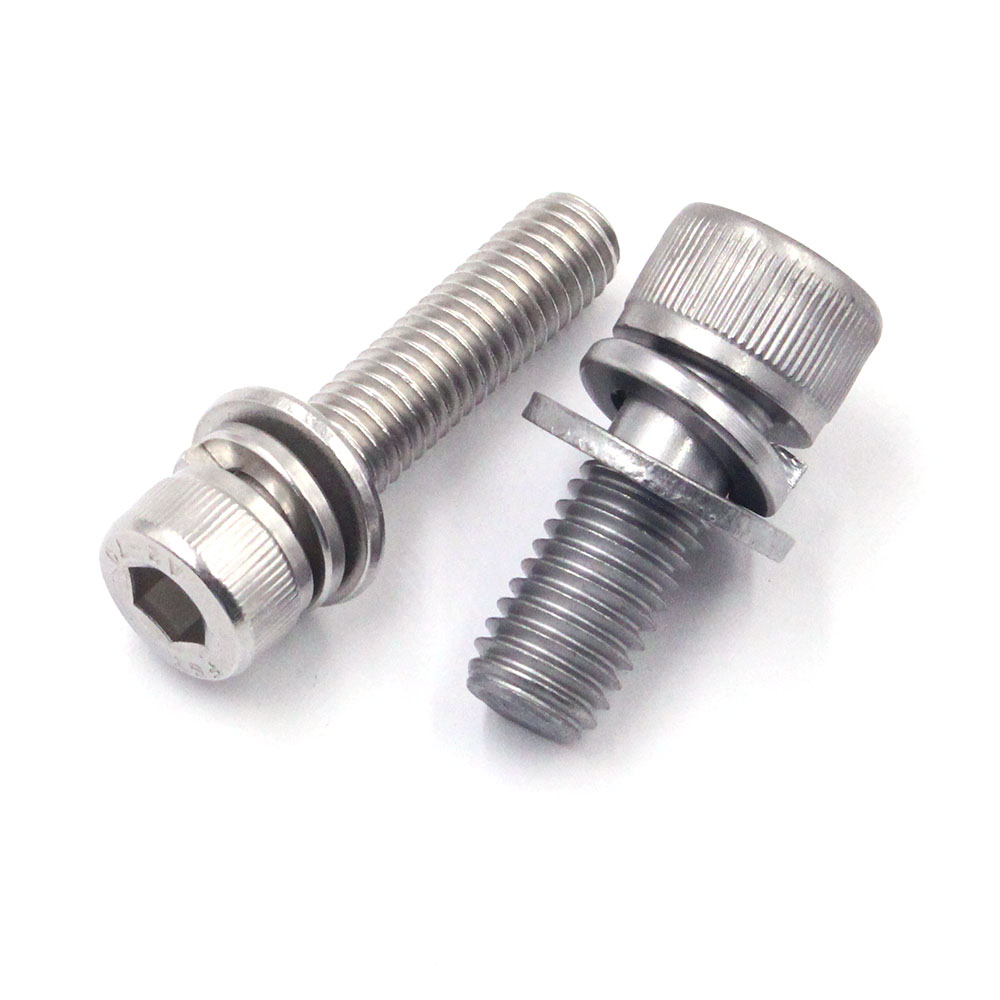
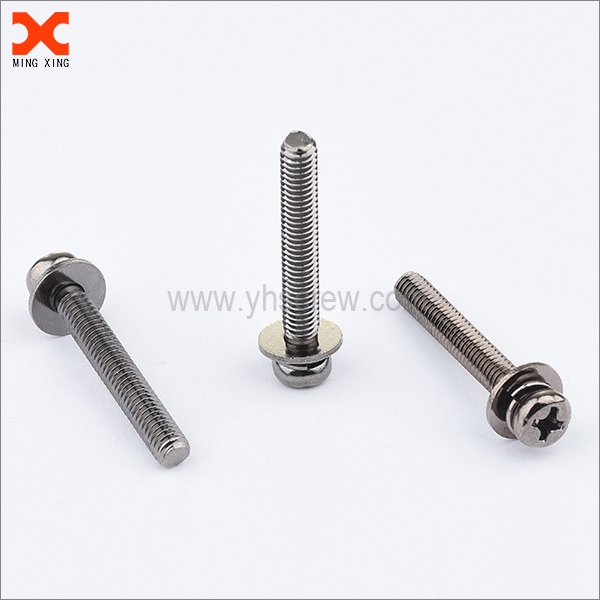
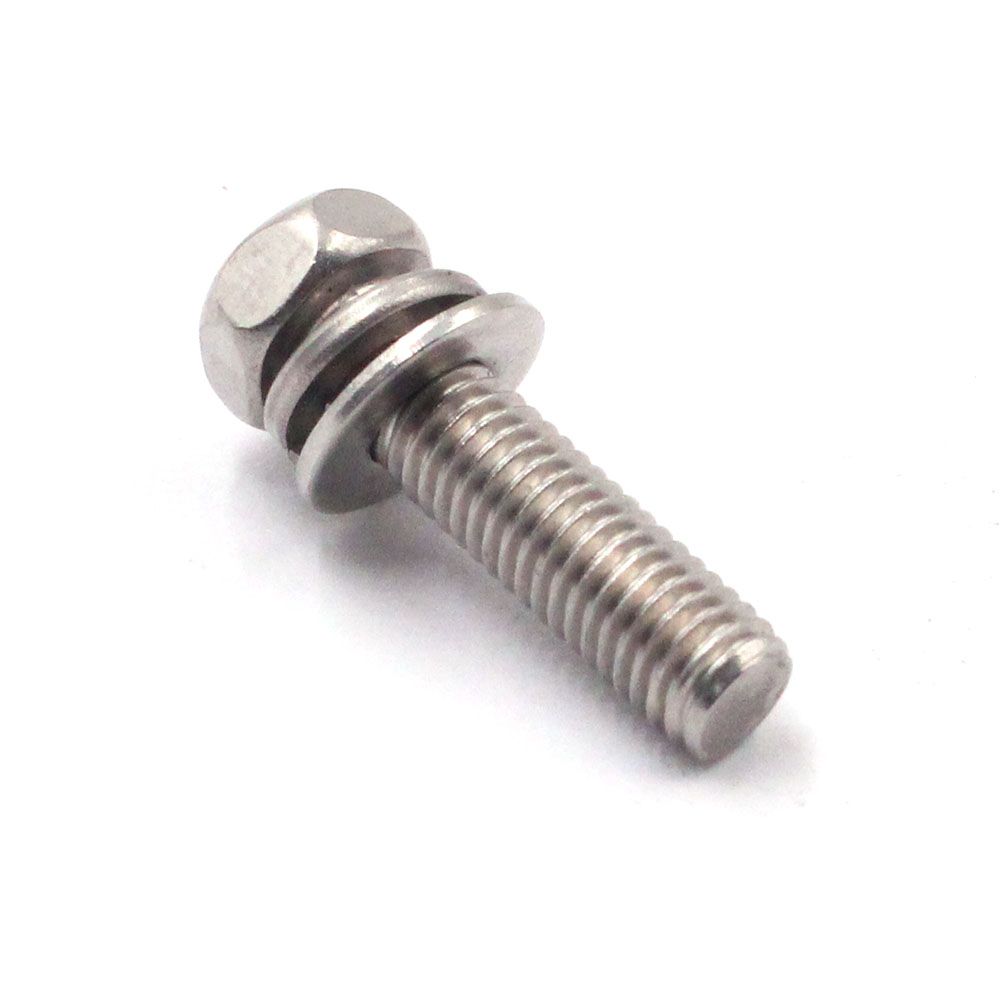
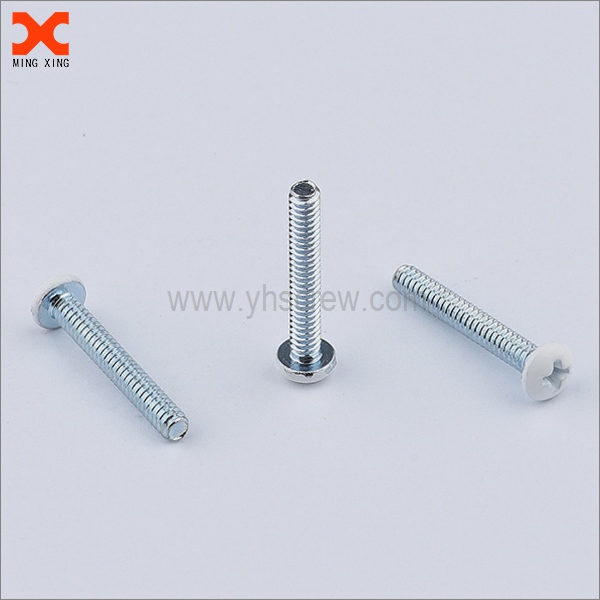
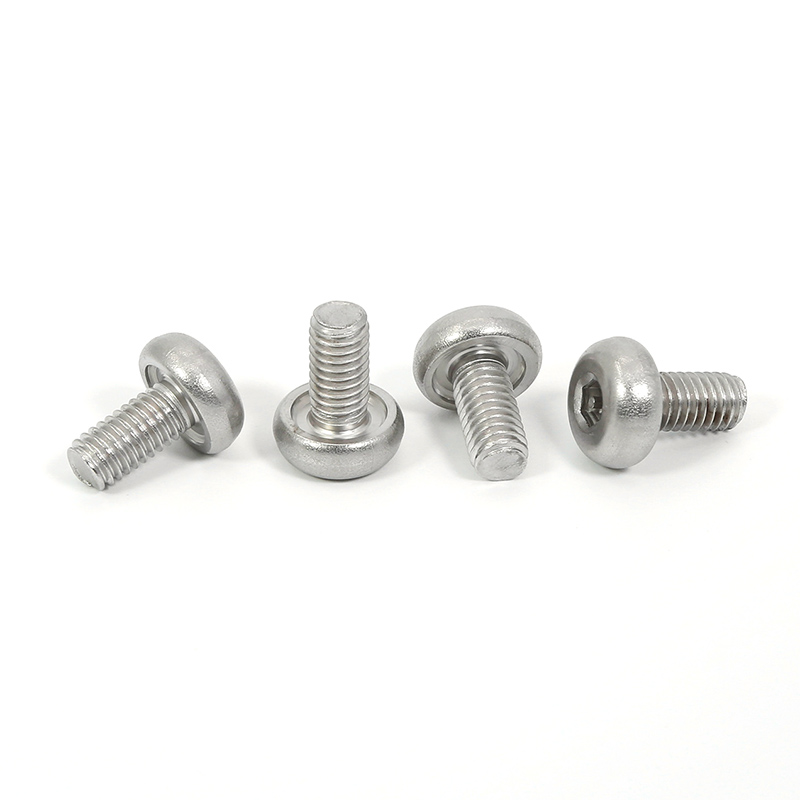
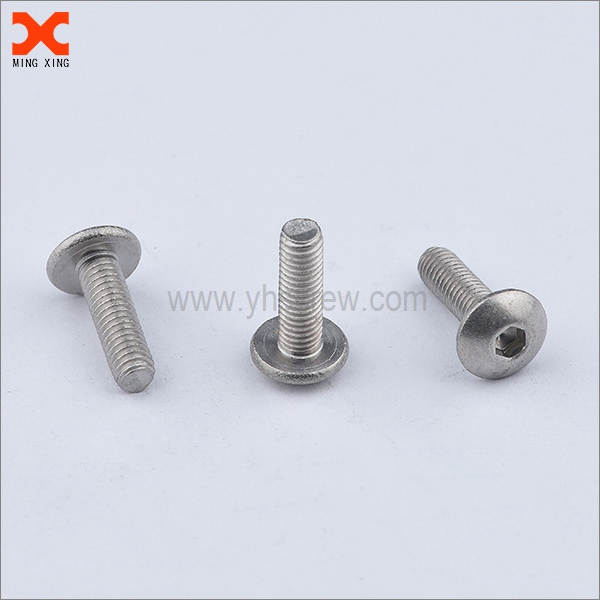
From a China manufacturer, I supply truss head sems screw that meet high standards for metal framing and electrical enclosures. In my catalog, the truss head SEMS screw offers a wide washer-like head for even load distribution, corrosion resistance, and easy drive. I work directly with OEMs and distributors who need reliable fasteners for climate harsh environments. I use high-grade steel, zinc plating, and passivation or pre-coated finishes to resist rust. My production runs control tolerances for length and diameter to ensure consistent performance in roofing, HVAC, and light structural applications. You can count on short lead times, QA documentation, and packaging that minimizes damage in transit. As a China manufacturer, I understand what B2B buyers look for: supply certainty, competitive pricing, and technical support. If you want a trusted truss head sems screw supplier, drop me a note with your required specs and I’ll tailor a solution.

Hot Selling Product

truss head sems screw Stands Out Outperforms the Competition

Among fasteners designed for high-traffic assemblies, the truss head SEMS screw stands out for its blend of load distribution and a sleek, low-profile finish. The rounded head reduces edge pull and creates a flush appearance in dense pack applications, while the SEMS variant streamlines installation with a self-securing underhead effect. For global buyers, this means fewer inventory SKUs and faster line changes. Beyond geometry, the true differentiator is consistency. Reputable suppliers offer strict material specs, enhanced corrosion resistance, and full traceability from raw material to finished parts, backed by comprehensive testing—tensile, torque, and corrosion. With scalable production, flexible packaging, and reliable lead times, the truss head SEMS screw can outperform rivals in both quality and supply chain resilience.

{ truss head sems screw Stands Out Outperforms the Competition}
Model Length (mm) Diameter (mm) Material Finish Drive Type Thread Type Tensile Strength (MPa) Shear Strength (kN) Substrate Installation Notes Rating
SEMS-TRUSS-304-4x16 16 4 Stainless Steel 304 (A2-70) Bright Zinc Phillips Coarse 520 2.3 Softwood Pre-drill recommended; drive with low-torque bit 92
SEMS-TRUSS-304-5x20 20 5 Stainless Steel 304 (A2-70) Zinc Torx Coarse 520 2.8 Hardwood Pre-drill in hardwood; pilot hole 90
SEMS-TRUSS-316-6x40 40 6 Stainless Steel 316 Satin Torx Fine 650 3.6 Metal (Mild steel) Self-tapping in steel 88
SEMS-TRUSS-316-4x12 12 4 Stainless Steel 316 Passivated Phillips Fine 560 2.2 Metal Optional drilling; use anti-corrosion bits 86
SEMS-TRUSS-304-3x12 12 3 Stainless Steel 304 (A2-70) Bright Phillips Fine 480 1.9 Softwood Pre-drill; recommended for softwoods 82
SEMS-TRUSS-304-5x25 25 5 Stainless Steel 304 (A2-70) Zinc Hex Socket Coarse 525 2.9 Structural Steel Anti-seize recommended; high-torque caution 89
SEMS-TRUSS-316-6x30 30 6 Stainless Steel 316 Satin Torx Coarse 600 3.5 Aluminum Use torque-limiting driver 93
SEMS-TRUSS-316-4x40 40 4 Stainless Steel 316 Passivated Phillips Coarse 540 2.5 Hardwood 24V driver recommended 87

Related Products

banner (2)

truss head sems screw Trusted by Pros Supplies the World\u2019s Top Brands

Data Dimension: Reliability Index by Fastener Type Over Time

Screws Bolts Nuts Rivets

Explanation

The chart presents a reliability index for four fastener types across six years (2016–2021). The Reliability Index is defined here as the aggregated percentage of components that meet predefined performance criteria under standardized load tests. Values range from 0 to 100, where higher values indicate greater expected durability and consistent performance. The data shown are synthetic but designed to illustrate how the relative performance of common fasteners can evolve with manufacturing improvements, material science advances, and quality-control processes.

Screws begin at a strong base and show a steady year‑over‑year improvement, rising from around 78 in 2016 to 92 in 2021, reflecting better thread precision, coating durability, and production consistency. Bolts track a similar upward path, moving from roughly 75 to 90, with a brief plateau in 2021 that may correspond to variations in material batches or tightening specification changes in certain applications. Nuts start lower, from about 70 and ascending to the mid‑80s by 2021, indicating improvements in plating quality and tolerance control, yet still trailing screws and bolts in the tested scenarios. Rivets, initially the least reliable in this cohort, improve from about 68 to the mid‑80s by 2021, benefiting from advancing alloy formulations and setting-process optimizations.

The gaps between lines highlight the relative strengths of different fastener families under the tested conditions, while the convergence in later years suggests that ongoing process improvements are narrowing performance disparities. This visualization can help engineers and procurement teams benchmark options, prioritize quality initiatives, and identify where additional testing or supplier collaboration may yield the most impact. It should be noted that real-world reliability is influenced by installation quality, operating environment, load profiles, and maintenance practices; the chart simplifies these factors into a comparable index to facilitate cross-type analysis. Future refinements could segment data by material, coating, and application domain to deliver tailored guidance for design decisions and supplier evaluation.

Top Selling Products