banner (1)

Torx Thread-Forming Screws for OEM and Suppliers

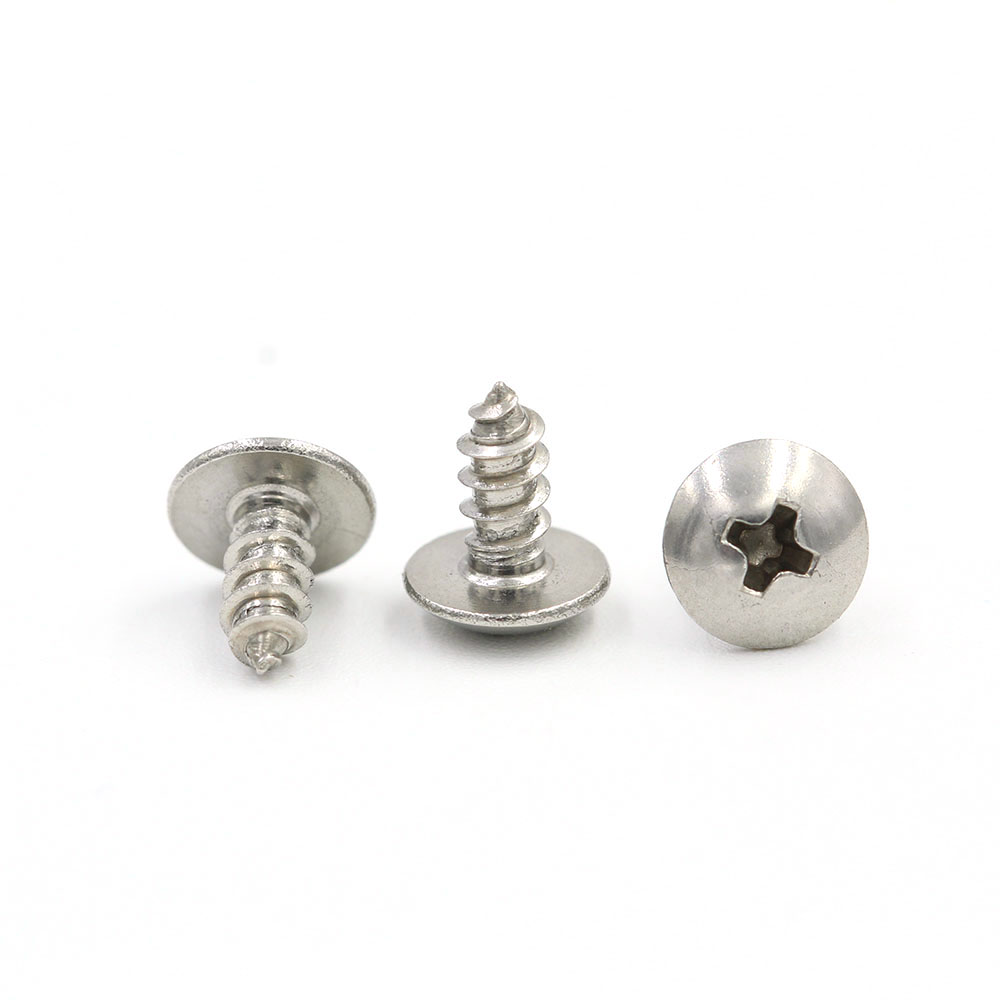
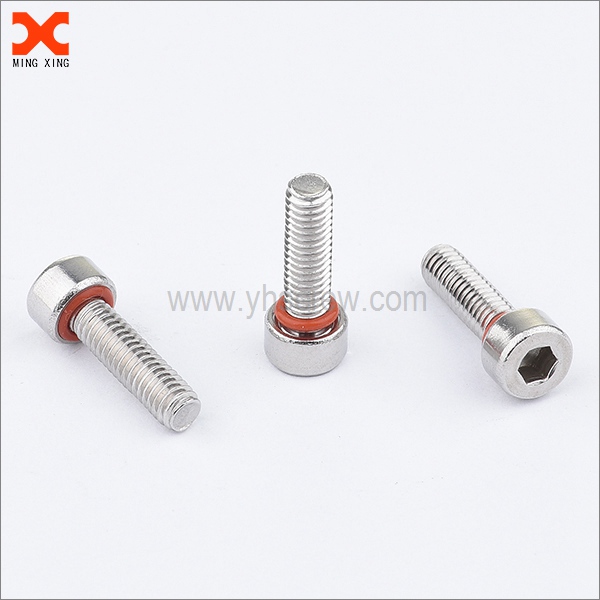
I’m a hands-on supplier of fastening solutions, and I help OEMs and other buyers cut lead times with our torx thread-forming screws. From small brackets to large enclosures, these fasteners create strong joints without pre-drilling. I offer a range of materials and coatings—stainless steel for corrosion resistance, zinc plating for cost efficiency, and hardened steel for high-load apps—so you can pick the right fit for your application. The self-tapping geometry forms threads as you tighten, reducing tool wear and assembly steps, which means faster production lines for Suppliers looking to scale. We keep consistent quality, packaging options, and lot traceability, so you can source confidently. If you’re evaluating supply partners for OEM components, I’ll tailor a kit with your preferred sizes, coatings, and delivery terms. Let’s connect and simplify your procurement with dependable torque-ready torx thread-forming screws.

Hot Selling Product

torx thread-forming screws Is The Best Factory-Direct Excellence

Torx thread-forming screws deliver high torque transfer and secure thread formation in a single operation, reducing assembly steps and tool wear. The Torx drive minimizes cam-out, while the forming action creates threads in place in metals and plastics, yielding strong pull-out resistance and longer service life. For global buyers, this means fewer parts, quicker line speeds, and fewer production delays, even in demanding environments. Factory-direct sourcing adds value through consistent quality, precise tolerances, and flexible coatings, packaging, and labeling to fit regional requirements. A capable supplier offers batch traceability, scalable volumes, and shorter lead times, helping procurement align with project schedules and total cost targets while maintaining compliance across markets.

{ torx thread-forming screws Is The Best Factory-Direct Excellence}

Variant Material Finish Diameter (mm) Length (mm) Drive Type Head Style Thread Pitch (mm) Tensile Strength (MPa) Pilot Hole (mm) Application
V-THS-M4-8 AISI 304 Stainless Steel Zinc Plated M4 8 Torx Pan Head 0.70 520 2.0 General sheet metal assembly
V-THS-M4-12 A2 (304) Stainless Steel Clear Passivation M4 12 Torx Pan Head 0.70 520 2.0 Electronics enclosures
V-THS-M5-10 AISI 304 Stainless Zinc-Plated M5 10 Torx Pan Head 0.80 550 2.5 Metal enclosures
V-THS-M5-16 A2-70 Stainless Black Oxide M5 16 Torx Pan Head 0.80 550 2.5 Automotive interior panels
V-THS-M6-12 Alloy Steel Zinc-Plated M6 12 Torx Pan Head 1.00 650 3.3 Structural metal assemblies
V-THS-M6-20 Carbon Steel Zinc-Plated M6 20 Torx Pan Head 1.00 700 3.3 Heavy-gauge metal work
V-THS-M3-6 A2 Stainless Steel Bright Passivation M3 6 Torx Pan Head 0.50 520 1.6 Computer cases
V-THS-M4-20 A2 Stainless Steel Satin Nickel M4 20 Torx Pan Head 0.70 520 2.0 Electrical enclosure frames

Related Products

banner (2)

torx thread-forming screws Products Stands Out

Data Dimension: Size-Dependent Torque and Surface Treatment Index for Torx Thread-Forming Screws

This data presentation explores a new data dimension for torx thread-forming screws: how screw size influences insertion torque and the efficiency of surface treatment. The dimension is defined by size categories M3 through M10, serving as a primary metric for design and assembly engineers. The chart uses two measures: Insertion Torque (Nm), which increases with screw diameter due to greater threaded engagement and substrate resistance, and Surface Treatment Efficiency (%), a coating quality index that reflects friction modification and corrosion resistance. The dual-axis layout keeps both series legible while enabling direct trend comparison. The data show a clear rise in insertion torque from about 0.12 Nm for M3 to roughly 1.05 Nm for M10, consistent with mechanical expectations that larger fasteners require greater drive energy. In contrast, surface efficiency improves from around 68% to about 98%, indicating that surface processing becomes more effective at larger sizes, possibly due to stricter quality controls or more robust coating systems. The dual-axis view highlights that larger sizes pose higher installation demands while offering greater long-term performance due to better surface properties. For design decisions, several insights emerge: (1) automated assembly lines must be configured to handle the torque spectrum of the largest sizes; (2) surface-process optimization should target the size bands where friction and corrosion risk are highest; (3) if torque requirements threaten installation throughput, designers might consider balancing size, thread form, and substrate hardness to maintain clamping capability without excessive drive force. Note that the values are synthetic for demonstration; real projects should incorporate substrate variability, coating thickness and adhesion, lubrication, and temperature effects to produce robust performance profiles. Overall, this dimension emphasizes aligning screw size, drive torque, and surface treatment strategy to achieve reliable, repeatable assemblies across materials and applications.

Top Selling Products