

Torx Head Shoulder Screw - Wholesale & Manufacturers
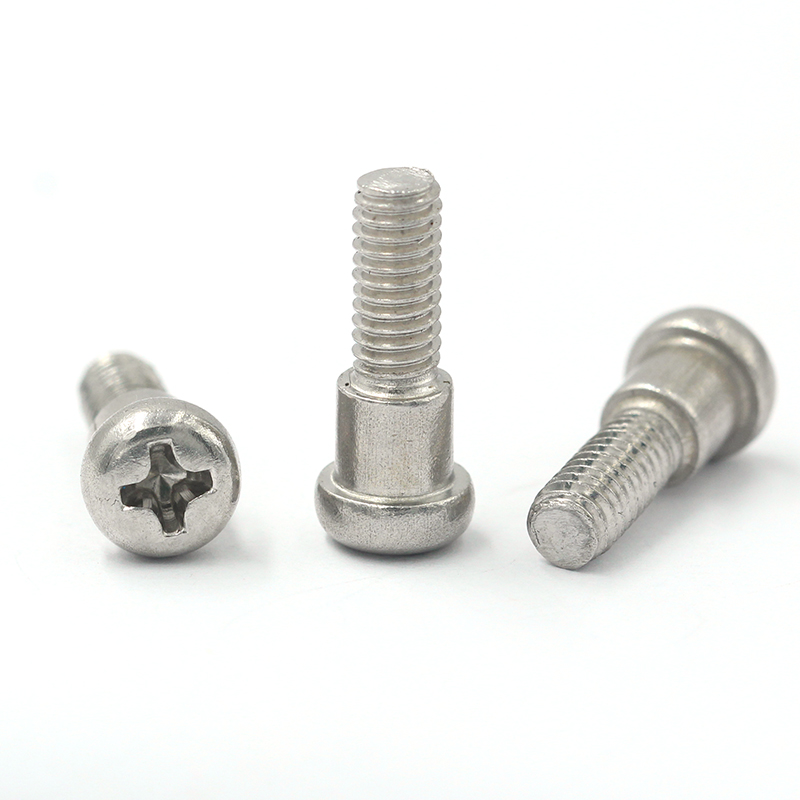
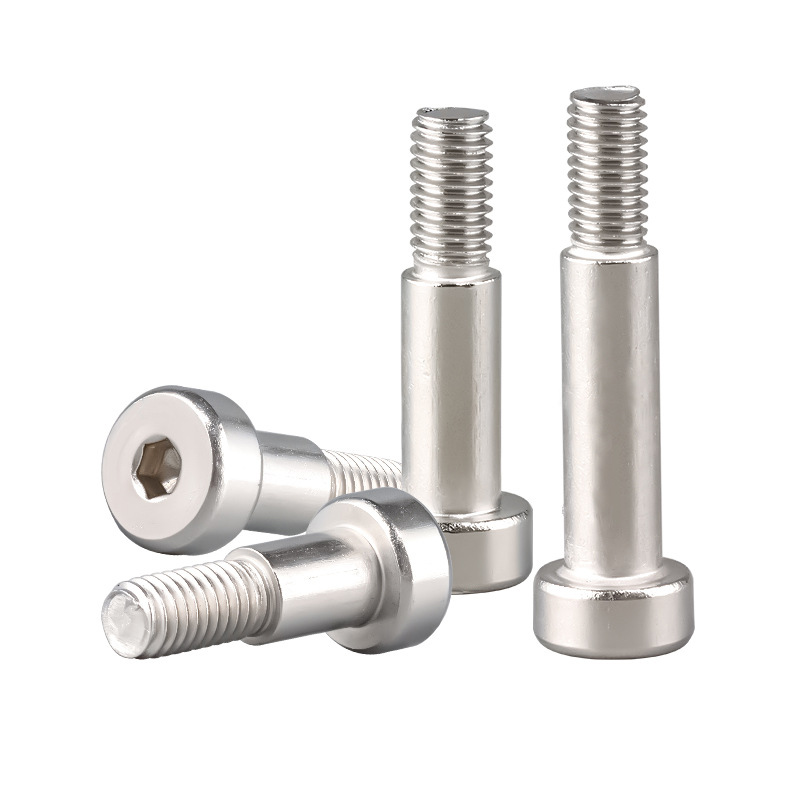
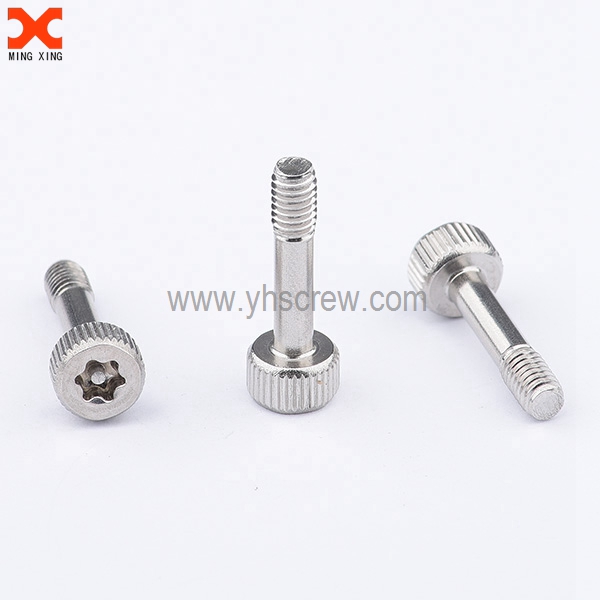
We supply a robust line of torx head shoulder screw designed for demanding assembly lines. Whether you’re a Wholesale buyer or Manufacturers alike, you’ll appreciate the consistency we build into every piece. The torx head shoulder screw features a precise shoulder diameter and a smooth finish, letting parts slide and align with less wear. Made from high-grade alloy steel (or stainless 304/316 options) and finished with zinc or black oxide, it resists corrosion and keeps torque specs. We offer multiple lengths and thread sizes to match your exact tolerance. Our stock is in ready-to-ship quantities, and we also do OEM/ODM customization for volume orders, with short lead times. By choosing this screw, you get reliable shear and pull strength, tight fit, and reduced assembly time. If you’re sourcing in bulk, contact me for wholesale pricing, packaging options, and supply continuity.
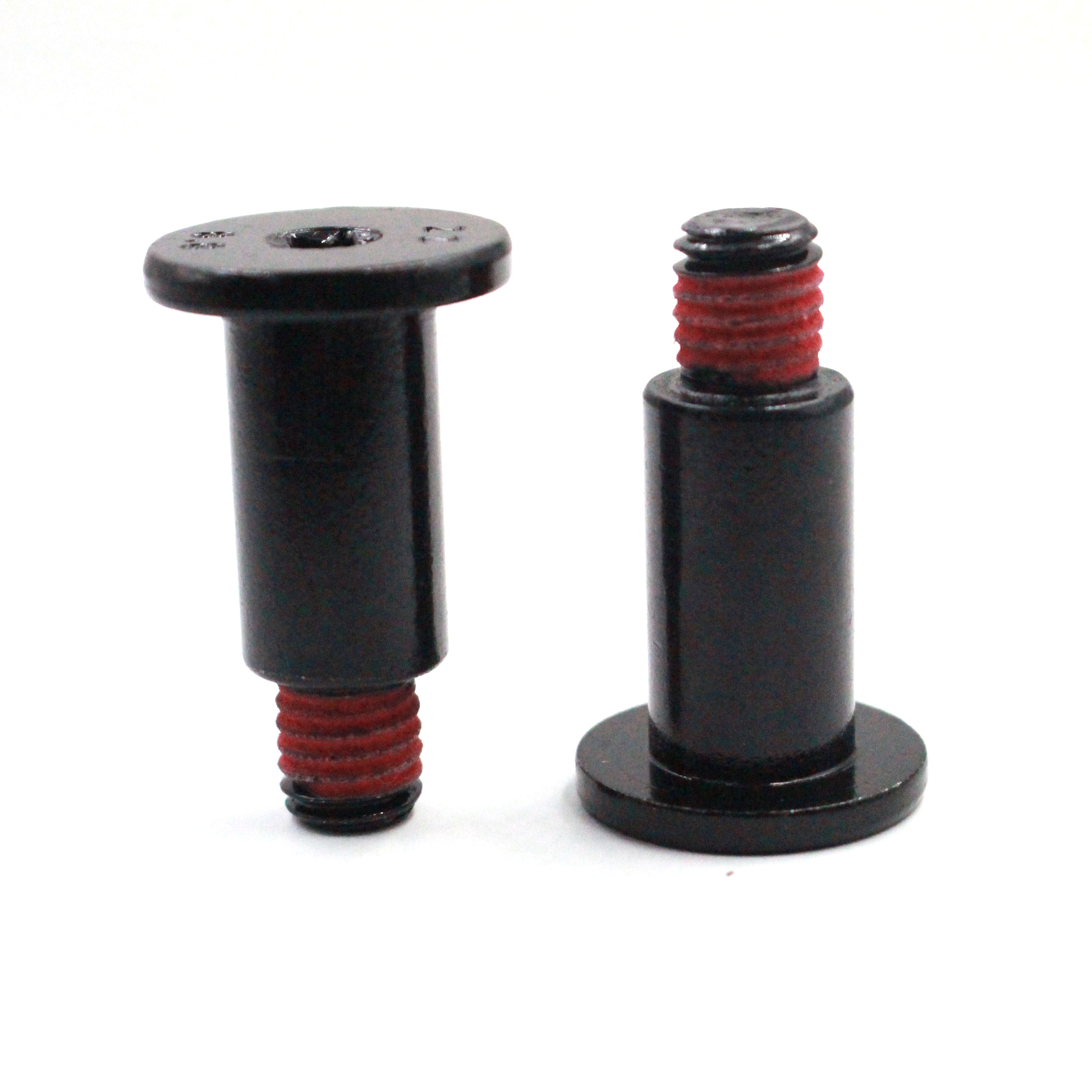


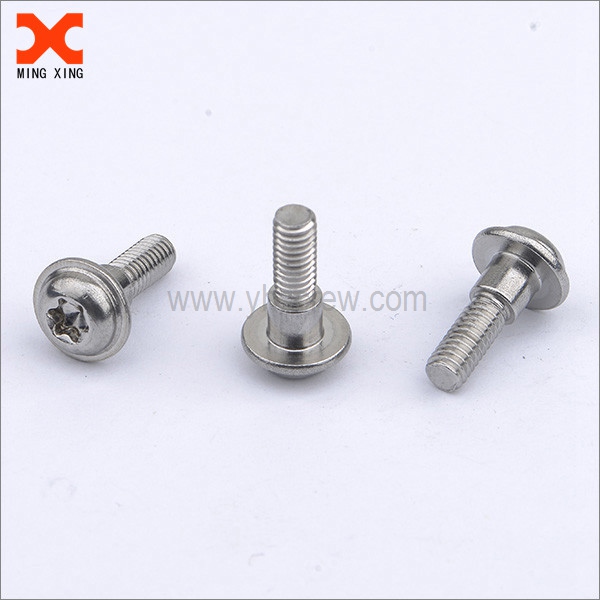
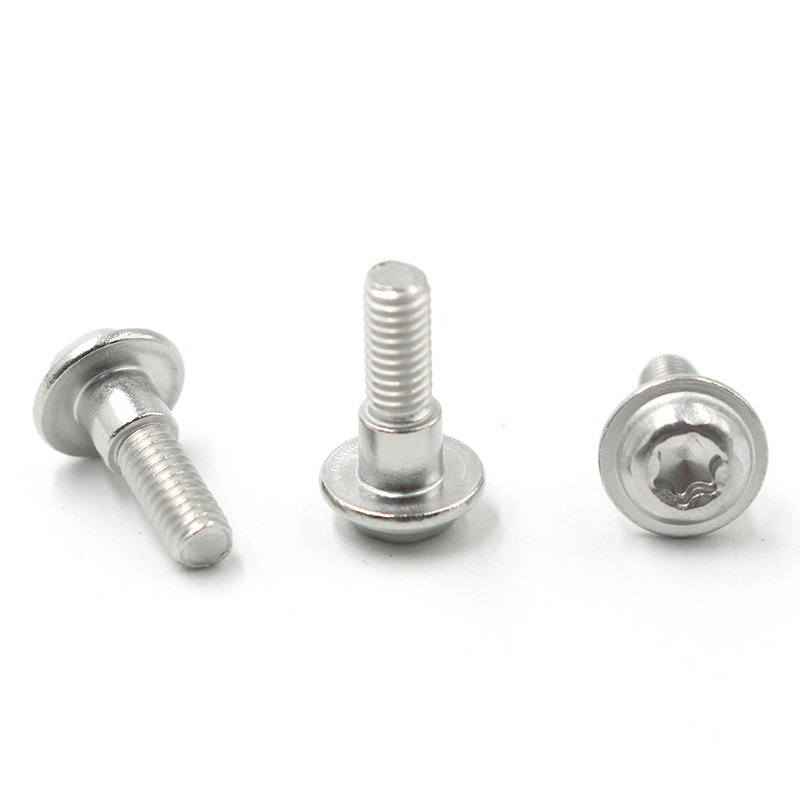
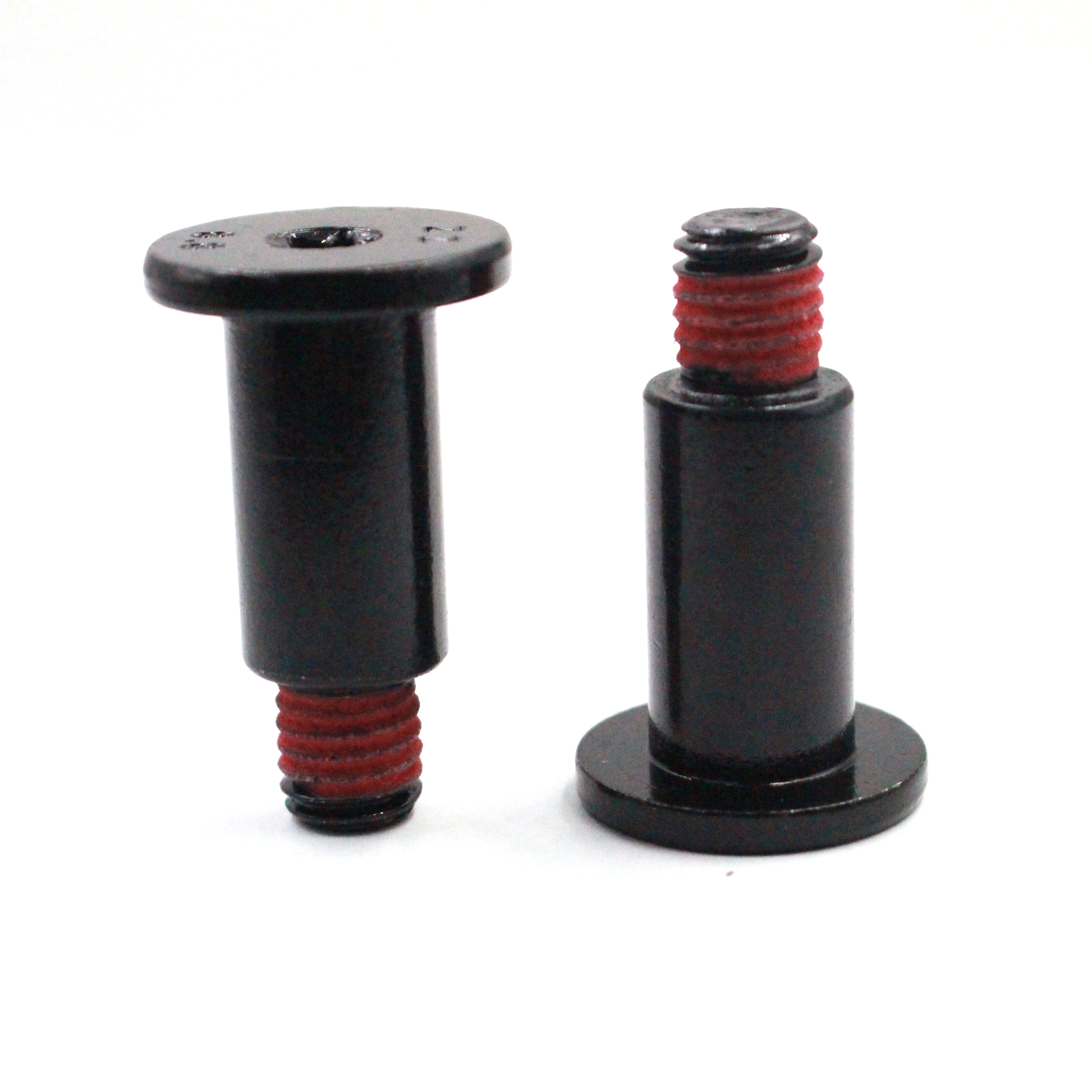
torx head shoulder screw Products Delivers Unmatched Quality
Torx head shoulder screws fuse precise shoulder dimensions with a high-torque Torx drive for reliable, slip-resistant fastening in demanding assemblies. The shoulder ensures exact seating and alignment, while the Torx head minimizes cam-out during tightening. Premium variants use carefully chosen materials—stainless, alloy, or heat-treated carbon steels—with controlled finishing to boost hardness, corrosion resistance, and dimensional stability. Tight tolerances and precise machining yield consistent performance across batches, reducing assembly issues in electronics, automotive, and industrial equipment. Global buyers can rely on a Dongguan-based manufacturer known for precision components. A rigorous QA framework, traceable lot records, and standardized inspections ensure every batch meets spec. Flexible production supports varied shoulder lengths, bore sizes, Torx sizes, and finishes, including zinc, black oxide, and passivation. Clear documentation, predictable lead times, and compliance with environmental standards streamline cross-border procurement. By partnering with a supplier that prioritizes quality and responsive service, international buyers gain reliable supply, lower risk, and long-term value for mission-critical applications.
| Part Number | Material | Finish | Head Type | Shoulder Diameter (mm) | Shoulder Length (mm) | Thread Size | Overall Length (mm) | Country | Notes |
|---|---|---|---|---|---|---|---|---|---|
| TSH-SS4-6 | A2-70 Stainless Steel | Satin | Torx Head Shoulder Screw | 4.0 | 6.0 | M4 x 0.70 | 12.0 | Germany | Die/assembly alignment |
| TSH-SS5-8 | A4-80 Stainless Steel | Passivated | Torx Head Shoulder Screw | 5.0 | 8.0 | M5 x 0.80 | 14.0 | USA | Corrosion resistance |
| TSH-AL4-5 | Alloy Steel (QT) | Black Oxide | Torx Head Shoulder Screw | 4.0 | 5.0 | M4 x 0.70 | 9.0 | China | General purpose |
| TSH-AL6-12 | Alloy Steel (QT) | Zinc Plated | Torx Head Shoulder Screw | 6.0 | 12.0 | M6 x 1.0 | 18.0 | Taiwan | Precision fit |
| TSH-AL8-10 | Alloy Steel (Case Hardened) | Bright Zinc | Torx Head Shoulder Screw | 8.0 | 10.0 | M8 x 1.25 | 22.0 | Japan | High load |
| TSH-SS3-8 | A2-70 Stainless Steel 316 | Passivated | Torx Head Shoulder Screw | 3.0 | 8.0 | M3 x 0.50 | 15.0 | Italy | Food-grade option |
Related Products


torx head shoulder screw Sets the Industry Standard Custom Solutions,
Top Selling Products

- Related Blog
- Reviews
- Reviews

-

Phone
-

E-mail
-

Whatsapp
-

WeChat

-

Top


