

Thread Forming Screws - Discount Quotes
From my desk to yours, I bring Thread Forming Screws that cut assembly time and boost joint strength. I offer high-quality self-forming screws designed for plastics and soft metals, with durable coatings and precise thread formation that eliminates pre-drilling. You’ll appreciate consistent batch quality, reliable performance, and fast delivery for your next project. I stock a wide range of sizes and finishes, available in bulk for OEMs and job shops alike. For you, I can offer Discount on large orders and transparent Quotes with price breaks, lead times, and any compliance data you need. Packaging and labeling can be tailored to your spec, helping you streamline inbound logistics. If you want fewer returns and smoother assembly lines, these Thread Forming Screws are the answer. Reach out for Quotes today, and I’ll tailor a solution to your exact specs and budget.


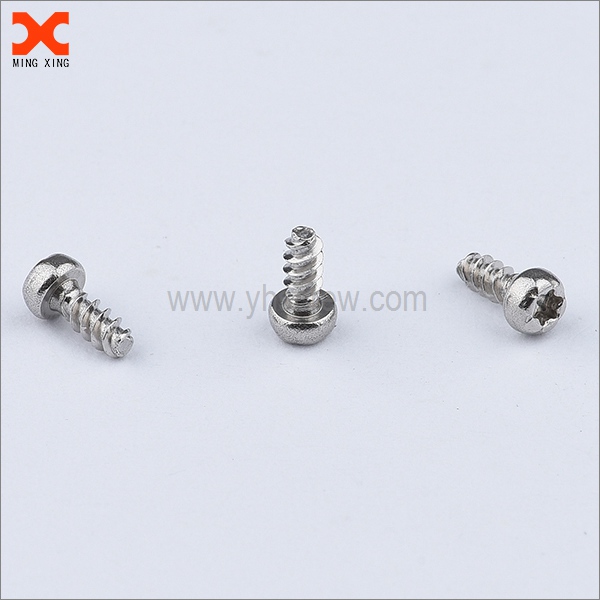
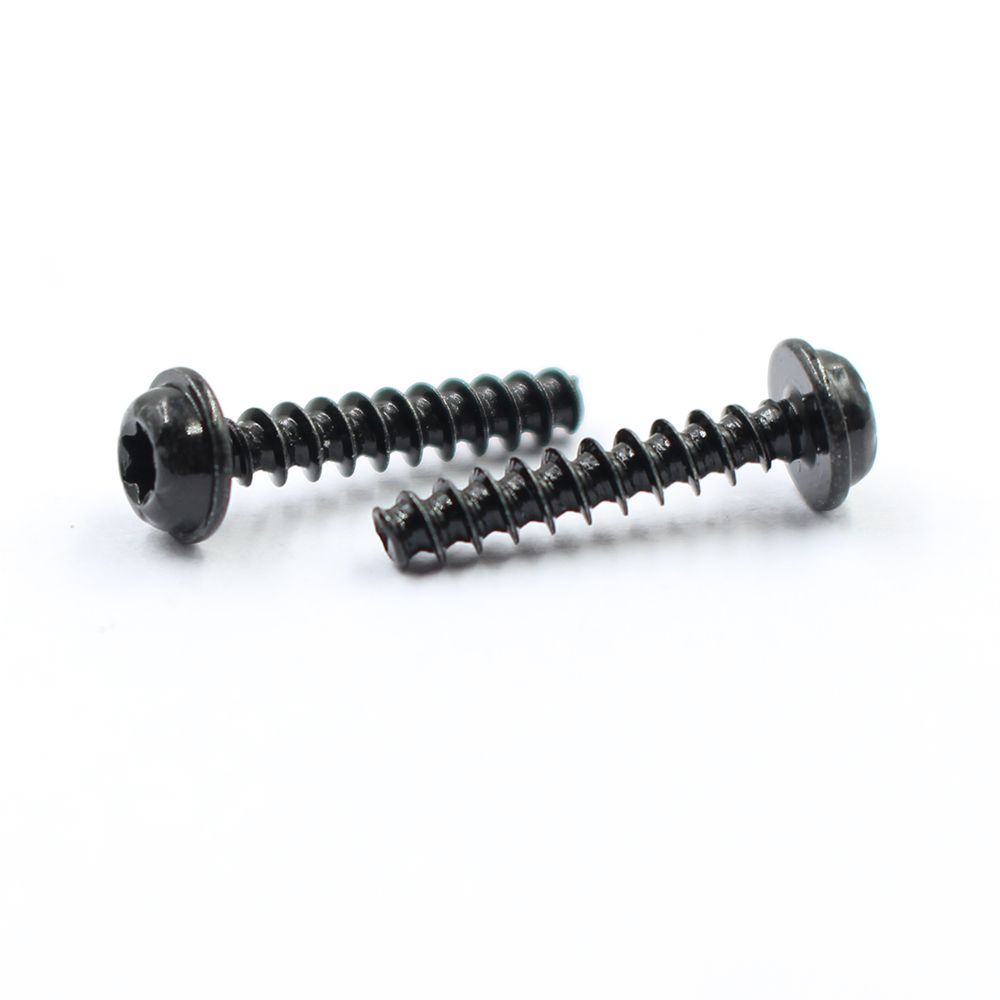
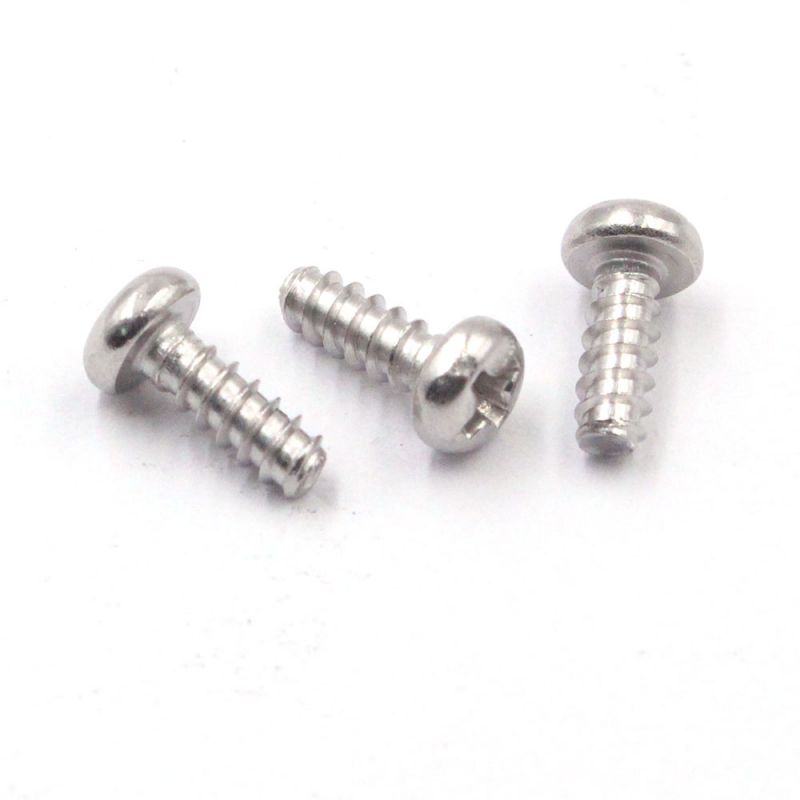
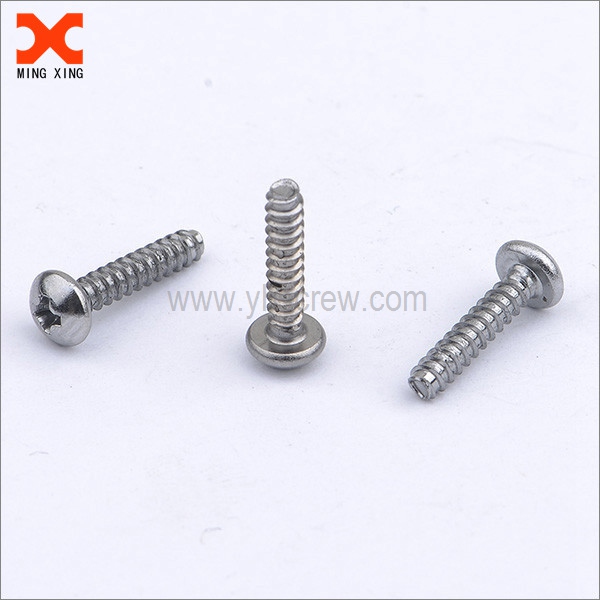
Thread Forming Screws Industry Leaders Guarantees Peak Performance
In today’s market, thread forming screws are the backbone of reliable assemblies, and industry leaders guarantee peak performance. Global buyers demand consistent torque, clean threads, and resistance to vibration across the product lifecycle. Industry leaders invest in material science, precision forming, and rigorous testing to ensure traceability from raw materials to finished parts. Quality guarantees rely on standards conformance, process controls, and robust supplier partnerships. Top producers use ISO-certified systems, advanced metrology, and statistical process control to minimize variation. They offer customization on length, head style, drive type, and thread pitch, plus coatings and corrosion protection for diverse environments. A multi-site supply chain with clear lead times strengthens global programs. Global procurement teams should evaluate suppliers with capability assessments, audits, and transparent test data. Seek material certifications, performance data, and warranty terms. Align drawings, BOMs, and testing protocols to ensure seamless adoption across borders. When a supplier guarantees performance, the partnership becomes a strategic asset for on-time delivery and consistent quality worldwide.
{ Thread Forming Screws Industry Leaders Guarantees Peak Performance}
| Dimension | Attribute | Range / Value | Unit | Notes |
|---|---|---|---|---|
| Material Type | Common Materials | Carbon steel (AISI 1018–1045); Stainless steel (AISI 304/316); Alloy steel (AISI 4140) | - | Widely used; properties depend on grade |
| Thread Form Type | Forming vs Tapping | Thread forming screws displace material to form threads; they do not cut threads | - | Often require pilot holes in harder substrates |
| Coatings / Finish | Surface Finishes | Zinc plating (5–12 µm); Black oxide; Nickel plating | µm | Zinc provides corrosion resistance |
| Mechanical Properties | Ultimate Tensile Strength (UTS) | Carbon steel 500–800 MPa; Stainless steel 520–860 MPa | MPa | Depends on material grade |
| Hardness | Hardness for Forming | 20–40 HRC | HRC | Higher hardness improves forming capability |
| Size Range | Common Thread Sizes | Metric: M3, M4, M5, M6, M8, M10, M12; Imperial: #4–40, 1/4–20 | - | Standard fastener sizes used in many industries |
| Standards | Governing Standards | ISO, ANSI/ASME B18, DIN standards commonly referenced | - | Ensures compatibility and interchangeability |
| Applications | Typical Domains | Automotive assemblies; Electronics enclosures; Furniture hardware; Electrical equipment | - | Diverse use cases in manufacturing |
Related Products
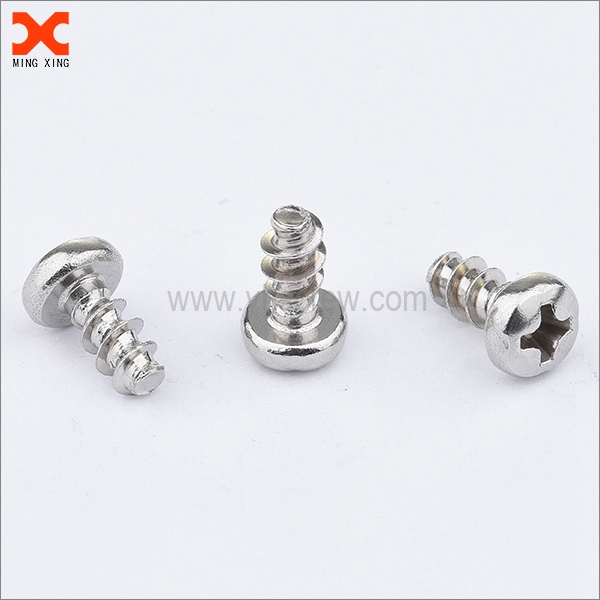
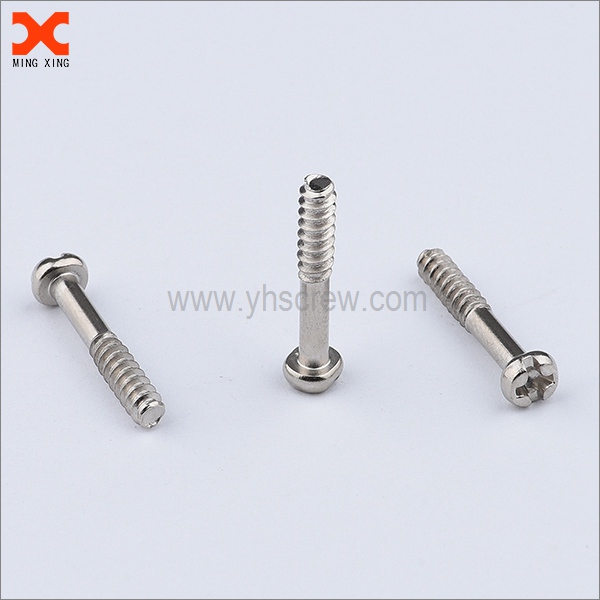
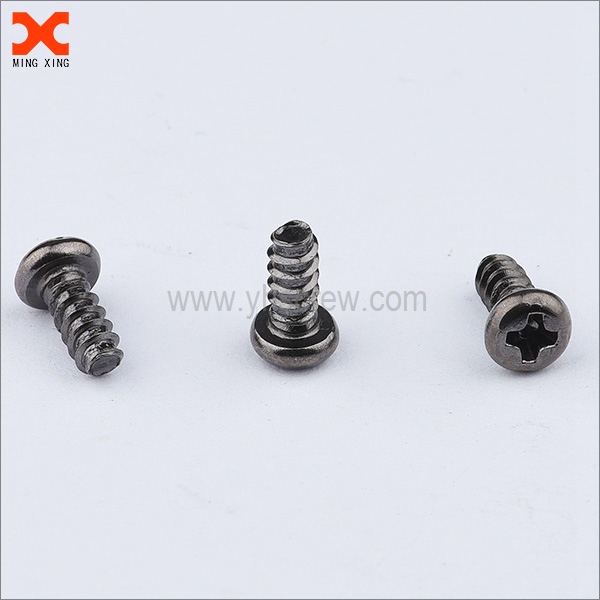
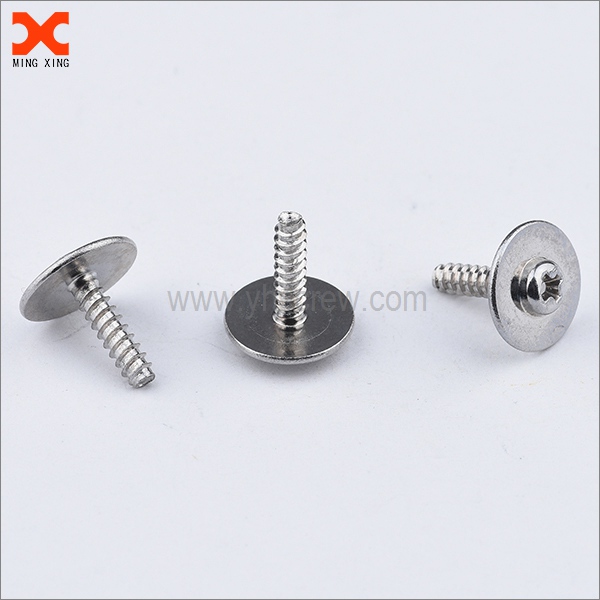
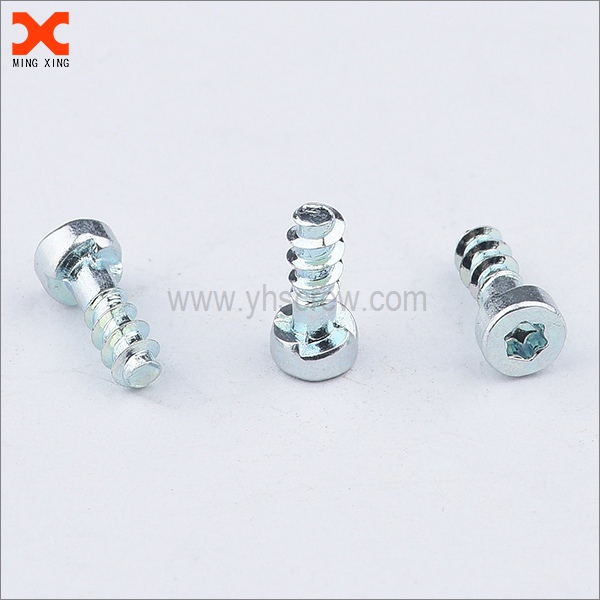


Thread Forming Screws in 2025 Pioneers in the Field
Top Selling Products




- Related Blog
- Reviews
- Reviews

-

Phone
-

E-mail
-

Whatsapp
-

WeChat

-

Top


