banner (1)

thread cutting screws for plastic m1.2 - OEM Suppliers

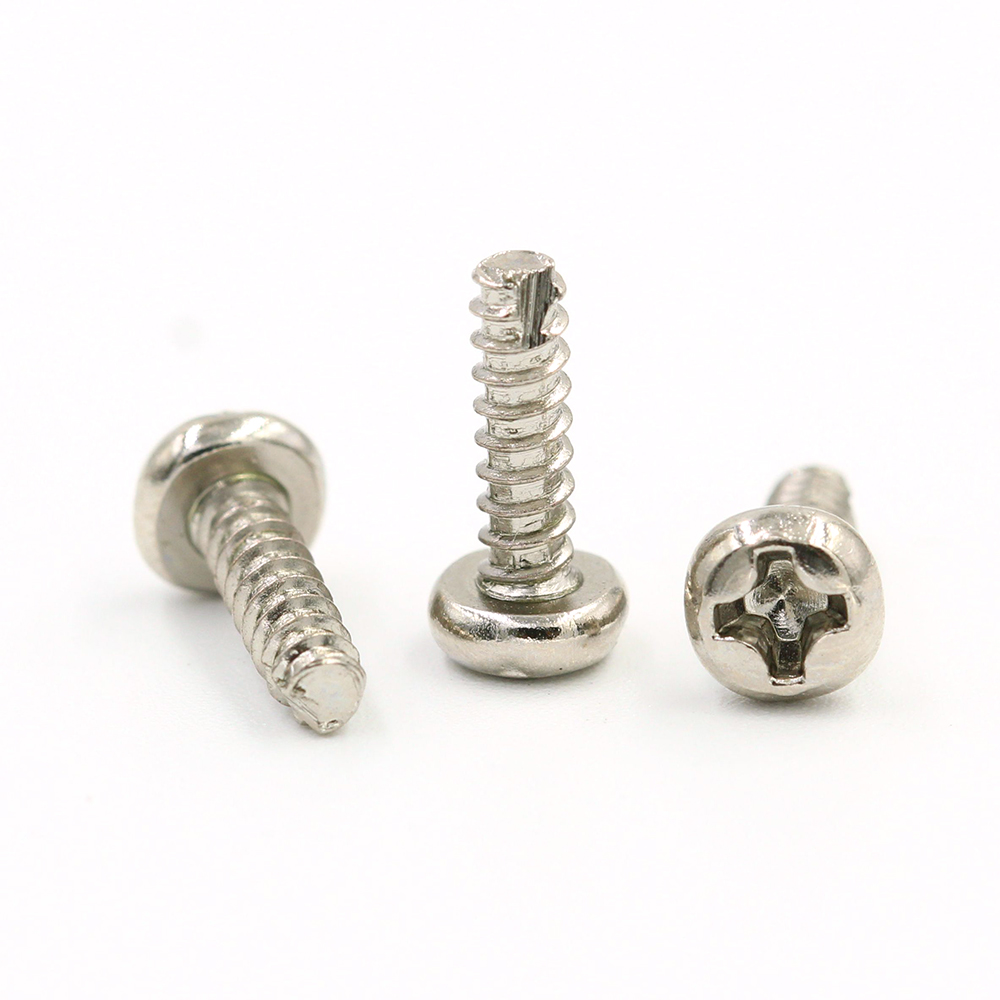
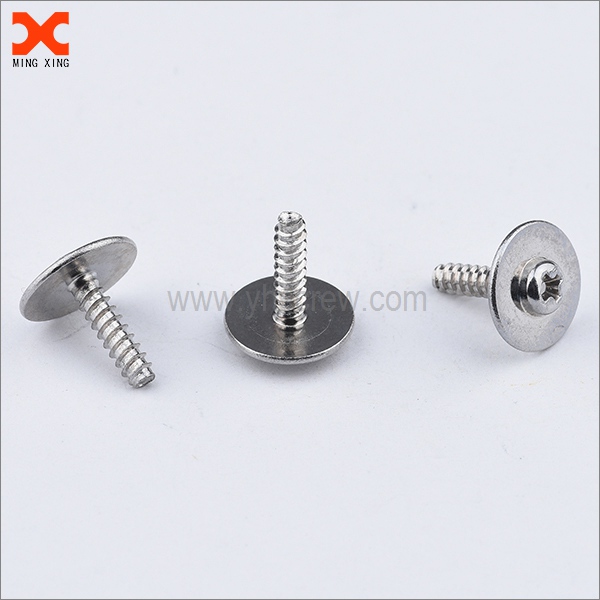
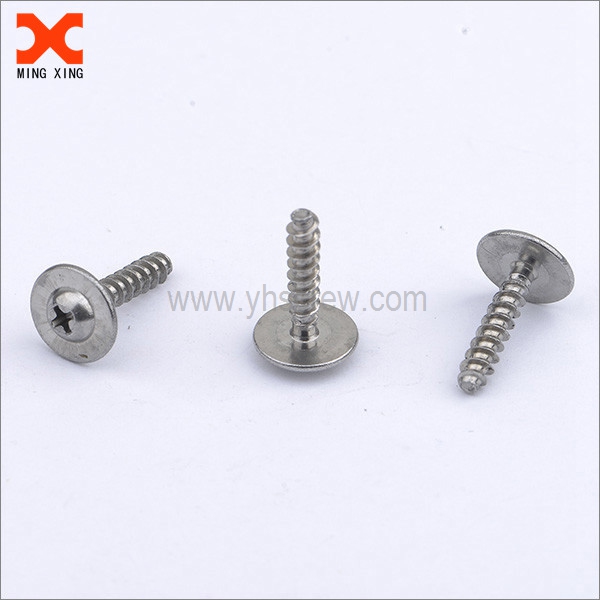
We ship thread cutting screws for plastic m1.2 you can count on for fast, clean self-tapping into plastics. Built for high-volume assembly, they form robust threads in polycarbonate, ABS, nylon and other engineering plastics without cracking or stripping. We align with OEM requirements, delivering consistent thread quality, tight tolerances, and repeatable performance. These screws come in stainless steel or coated finishes, with corrosion resistance for automotive, electronics, and consumer equipment. Our supply chain supports OEM programs and tailored packaging; we can adjust pilot holes, drive heads, and countersinks. We also work with Suppliers seeking dependable fastening solutions. Fast lead times, flexible MOQs, and responsive technical support shorten time-to-market. If you’re evaluating plastics fastening options, we are ready to provide samples, test reports, and a competitive quote.

Hot Selling Product

thread cutting screws for plastic m1.2 Service Pioneers in the Field

Thread cutting screws for plastic M1.2 offer a precise, high-strength fastener solution for compact electronic enclosures, automotive interiors, and consumer devices. Specifically designed to cut threads into thermoplastics, they provide secure engagement with low insertion torque and reduced risk of cracking when used with properly sized pilot holes. The M1.2 size suits miniature assemblies, while options in stainless steel or coated variants deliver corrosion resistance and long service life. With tight tolerances and impeccable surface finishes, these screws ensure reliable performance across high-volume production. As service pioneers in the field, we support global buyers with end-to-end help: design consultation, rapid prototyping, and scalable manufacture, plus testing for pull-out, torque, and thread integrity. We offer flexible packaging and reliable, on-time delivery, with tight QC and traceability. Compliant with RoHS and REACH, we provide OEM-ready documentation to simplify approvals. Partner with a supplier that prioritizes compatibility, consistency, and responsive service.

{ thread cutting screws for plastic m1.2 Service Pioneers in the Field}
Part No. Thread Size Screw Type Material Plastic Compatibility Cutting Method Length (mm) Drill Diameter (mm) Surface Treatment Recommended Torque (Nm) Temperature Range (C) RoHS/Certifications Notes
PT-101 M1.2 Thread-cutting Stainless steel AISI 304 ABS, PC, Nylon 6/6 Self-tapping 6.0 1.0 Zinc plating 0.25 -40 to 120 RoHS Compliant General purpose for small enclosures
PT-102 M1.2 Thread-cutting Carbon steel, zinc plated PC, PBT, Nylon 6/6 Self-tapping 4.0 1.0 Zinc plating 0.18 -40 to 85 RoHS Compliant Compact fixations for panels
PT-103 M1.2 Thread-cutting Carbon steel, phosphate coating HDPE, PVC, Nylon 6/6 Self-tapping 8.0 1.0 Phosphate coating 0.30 -20 to 100 RoHS Compliant Higher torque for rigid plastics
PT-104 M1.2 Thread-cutting Stainless steel AISI 304 Nylon 6/6 Self-tapping 5.0 1.0 Black oxide 0.20 -40 to 105 RoHS Compliant Corrosion resistant variant
PT-105 M1.2 Thread-cutting Carbon steel with phosphate coating Polycarbonate Self-tapping 3.5 1.0 Phosphate coating 0.15 -20 to 80 RoHS Compliant Common for enclosures
PT-106 M1.2 Thread-cutting Stainless steel AISI 316L PC/ABS blend Self-tapping 7.0 1.0 Passivated 0.28 -40 to 120 RoHS Compliant Superior corrosion resistance in humid environments
PT-107 M1.2 Thread-cutting Carbon steel, zinc plated Nylon 12 Self-tapping 2.5 1.0 Bright zinc 0.12 -40 to 110 RoHS Compliant Ideal for tight spaces

Related Products

banner (2)

thread cutting screws for plastic m1.2 Factory Ahead of the Curve

Data Dimension: Throughput vs Defect Rate for M1.2 Plastic Screws

This dataset investigates the production performance of thread cutting screws used in plastic components with M1.2 sizing. The chart summarizes throughput across four production lines (Line A, Line B, Line C, Line D) under current toolpaths and feed settings. Throughput values indicate the number of parts per hour each line can process while maintaining dimensional stability in the molded substrate and thread features. Observations from the data show Line B achieving the highest throughput at 610 parts per hour, while Line C records the lowest at 480, highlighting differences in machine condition, spindle calibration, and setup efficiency. Although this chart focuses on throughput, the related defect-rate data (presented separately) reveals a complementary story: lines operating at higher speeds can incur incremental risks such as burrs, tooth breakage, or minor thread deformities. For example, in the defect-rate context, rates range from 1.9 to 3.5 defects per thousand parts, with Line C showing the least favorable quality signal. This juxtaposition underscores a classic production trade-off: pushing cycle times up can reduce batch lead times but may require tighter process controls to avoid compromising part fit and function. In the context of M1.2 plastic screws, the interaction between cutting forces and the soft polymer matrix demands careful balancing of cutting depth, clearance, and coolant effectiveness. Optimal performances emerge when the tool geometry and lubrication strategy stabilize chip formation and heat buildup, preserving thread accuracy and surface finish. The data suggests several actionable steps: (1) implement predictive maintenance to minimize unplanned downtime on Line B, (2) adjust feed rate and spindle speed to maintain a target defect-rate band while sustaining acceptable throughput, (3) improve material consistency from suppliers to reduce variability in substrate hardness. Future work could expand the dataset to include temperature, vibration, and chip morphology as continuous signals, enabling a multi-factor analysis that directly ties process telemetry to both throughput and quality outcomes. This would empower operators to set real-time operating windows that maximize productivity without sacrificing performance.

Top Selling Products