banner (1)

Stainless Steel Tapping Screw - Wholesale & Manufacturers Guide

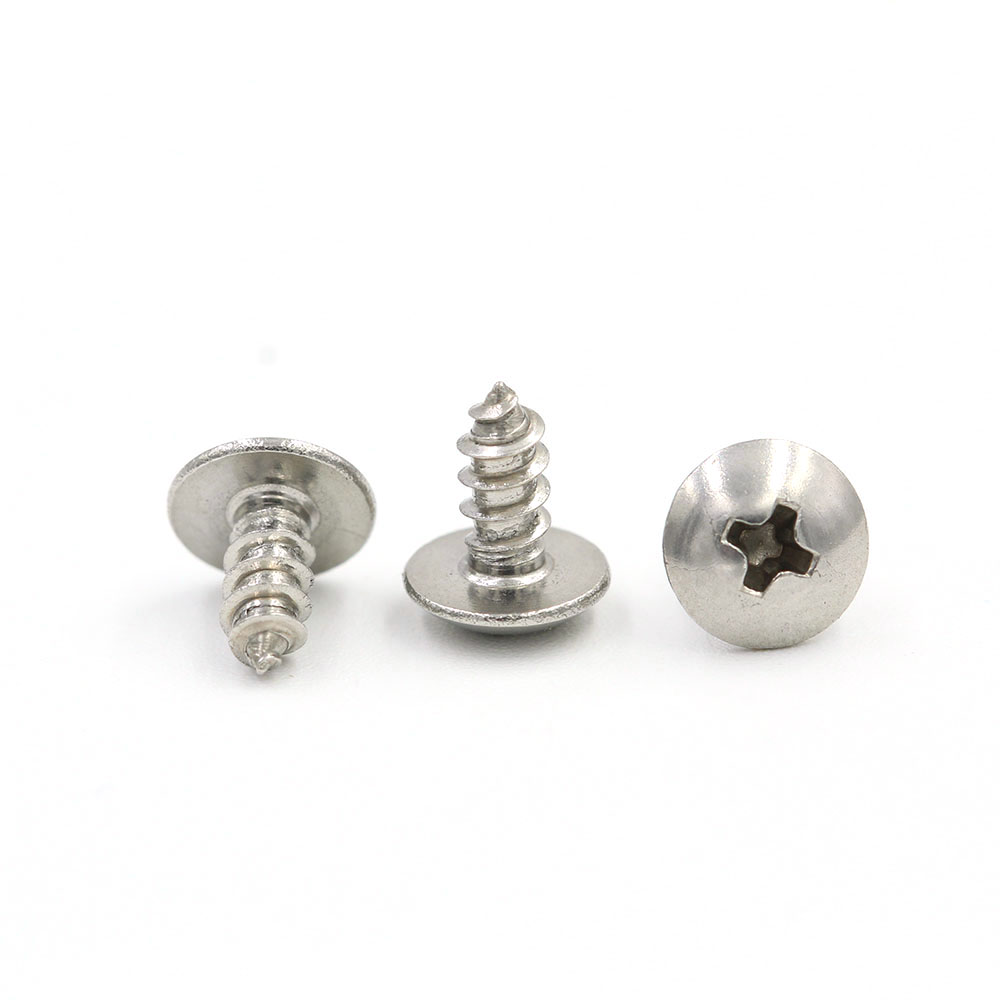
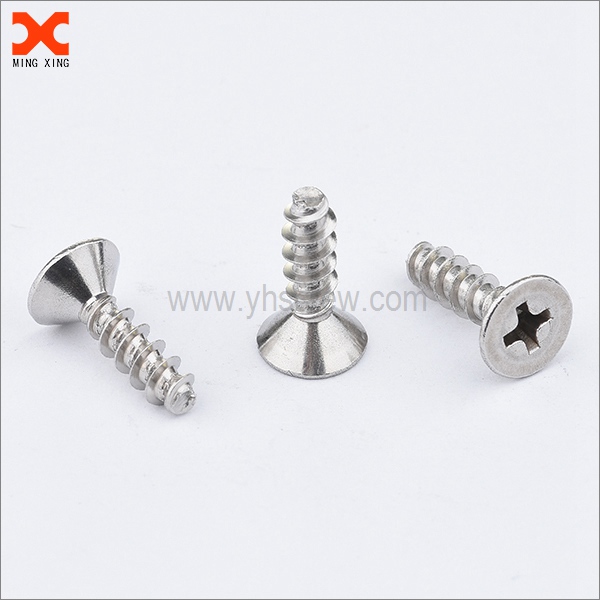
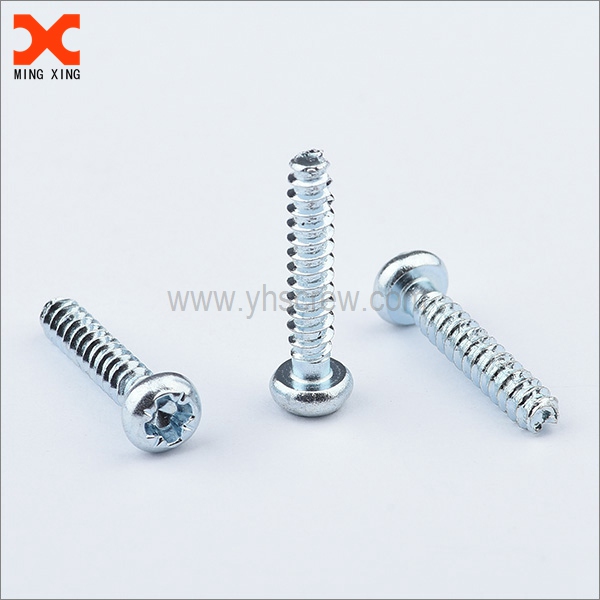
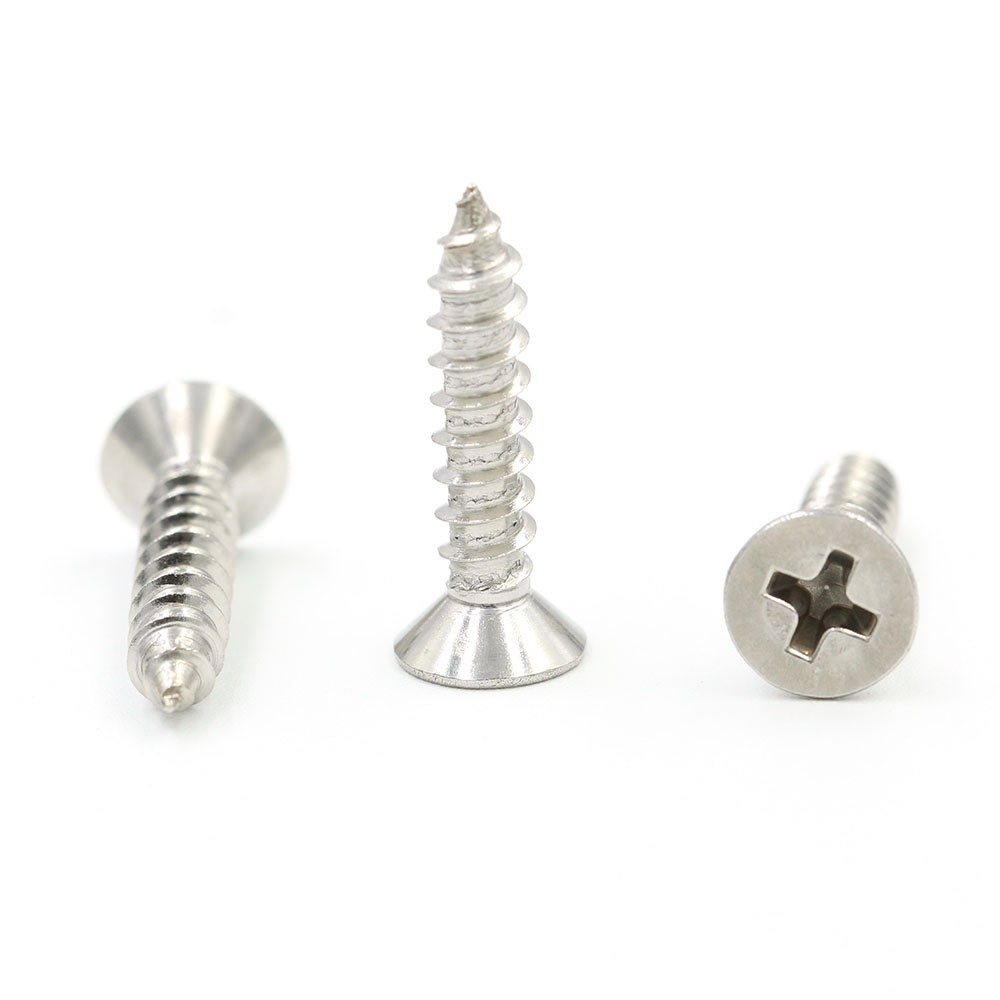
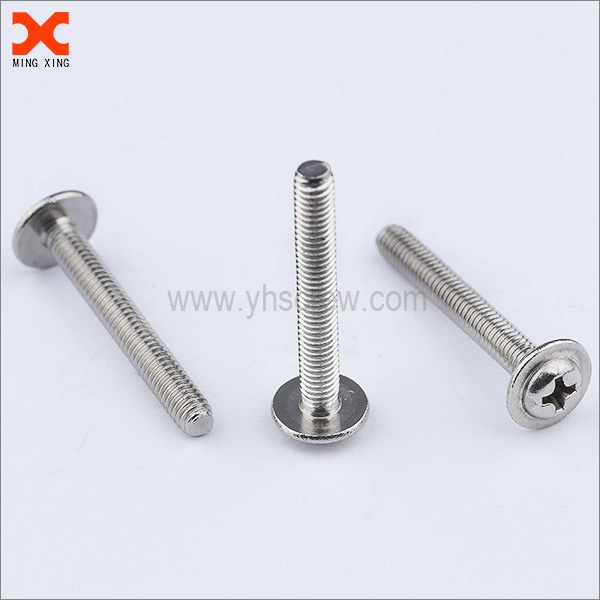
As a seasoned sourcing partner, I’ve learned that the right Stainless Steel Tapping Screw can save time and tighten margins for Wholesale buyers and Manufacturers alike. Our range is engineered for corrosion resistance, high pull-out strength, and reliable performance in outdoor, marine, and industrial applications. I work directly with trusted mills to deliver consistent quality, tight tolerances, and competitive lead times. Whether you are stocking for Wholesale distribution or supplying manufacturing lines, these screws provide thread-forming efficiency, low-profile heads, and compatibility with common stainless grades. I offer flexible packaging, small-quantity trials, and bulk pricing to help you scale. When you choose us, you’re choosing a partner who understands procurement cycles, MOQ considerations, and just-in-time delivery. Ready to optimize your lineup with Stainless Steel Tapping Screw that meets stringent standards, contact me for samples and a tailored quote for Manufacturers and Wholesale buyers.

Hot Selling Product

Stainless Steel Tapping Screw Service Backed by Expertise Outperforms the Competition

Global buyers know that stainless steel tapping screws require more than inventory; they demand expertise. A tapping-screw service backed by metallurgy and precision manufacturing translates into parts that install easily, grip consistently, and resist galling in demanding environments. From selecting grades such as 304 and 316/316L to establishing correct thread forms, pilot hole guidance, and coatings, this approach ensures reliable performance across electronics, automotive, and marine applications. By tightly controlling heat treatment, surface finish, and dimensional tolerances, the service delivers repeatable quality that outperforms competitors relying on standard off-the-shelf supply. Beyond parts, buyers gain support through design guidance, tailored packaging, and rigorous QA. First-article inspection, inline SPC, and full traceability to material lots provide confidence in supply chain integrity, while passivation and RoHS/REACH compliance options address global requirements. Flexible MOQs, scalable lead times, and dependable on-time delivery help manage procurement risk. With engineering-backed technical support and data packages for testing and qualification, global customers can accelerate adoption and reduce total cost of ownership.

Stainless Steel Tapping Screw Service Backed by Expertise Outperforms the Competition
Screw Size Grade Coating Head Style Drive Type Length (mm) Tensile Strength (MPa) Yield Strength (MPa) Elongation (%) Corrosion Resistance Typical Applications
M3.5 x 6 304 Passivated Pan Phillips 6 520 210 40 Excellent Electronics enclosures
M4 x 8 304 None Pan Phillips 8 520 210 38 Excellent Furniture assembly
M4 x 12 316 Zinc-Nickel Pan Phillips 12 520 210 42 Excellent Exterior/marine environments
M5 x 16 316 Passivated Pan Phillips 16 520 210 39 Excellent High-moisture environments

Related Products

banner (3)

Stainless Steel Tapping Screw Sets the Industry Standard From Concept to Delivery

Process Cycle Time by Stage (days)

0 5 10 15 20 Concept 6d Design & Engineering 12d Sourcing 9d Fabrication 18d Finishing & Assembly 7d Delivery 4d

Explanation: This chart presents a data-driven view of the Process Cycle Time by Stage (in days) for stainless steel tapping screw production, tracing the path from Concept to Delivery. The six stages—Concept, Design & Engineering, Sourcing, Fabrication, Finishing & Assembly, and Delivery—collectively describe the end-to-end workflow that defines the industry standard in this manufacturing niche. The numbers are synthetic but illustrate typical dynamics in a streamlined production line. Concept (6 days) sets a relatively quick initial framing, while Design & Engineering (12 days) and Sourcing (9 days) reflect the critical early-phase decisions that shape downstream efficiency. The longest step, Fabrication (18 days), often mirrors machining complexity, tooling readiness, and process yield. Finishing & Assembly (7 days) demonstrates a secondary bottleneck that can be mitigated via parallel tasks, standardized components, and reduced changeovers. Delivery (4 days) indicates the importance of logistics, packaging, and outbound readiness in meeting tight customer requirements. From concept to delivery, establishing an industry standard involves measuring, auditing, and continually optimizing each stage. This visualization highlights where time is spent and where improvements can yield compounding benefits—reducing overall lead times, improving reliability, and lowering unit costs. Potential optimization paths include increasing automation in fabrication, modularizing components to shorten design cycles, and implementing supplier-assisted pre-processing to shorten Sourcing. While the dataset here uses fictional figures, the pattern underscores how a data-driven approach can drive decisions that align with an aspirational industry standard in a high-precision component market.

Top Selling Products