

stainless steel press-fit ball plungers - Wholesale & Manufacturers
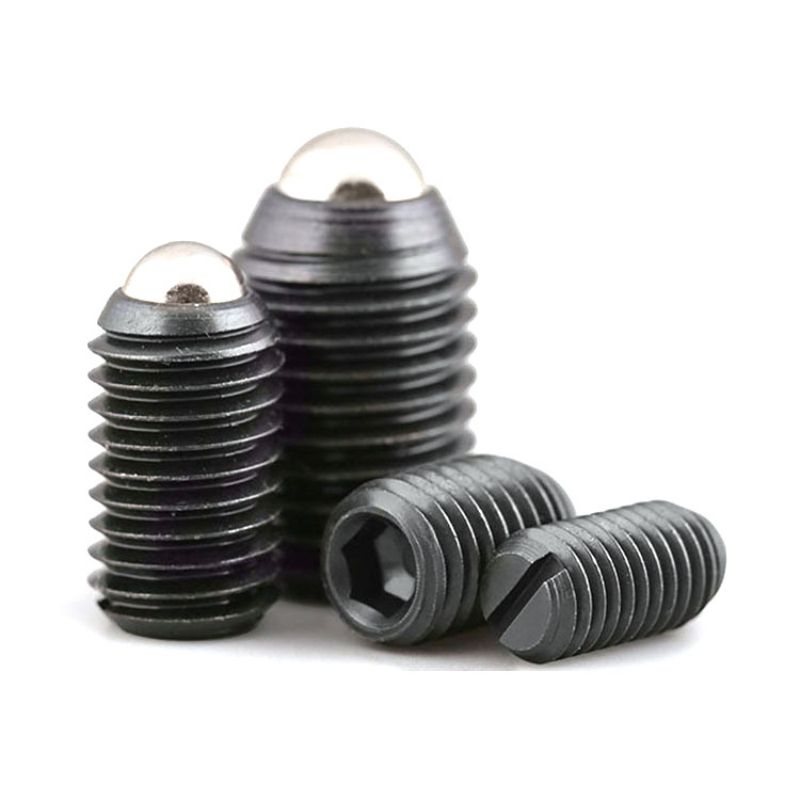
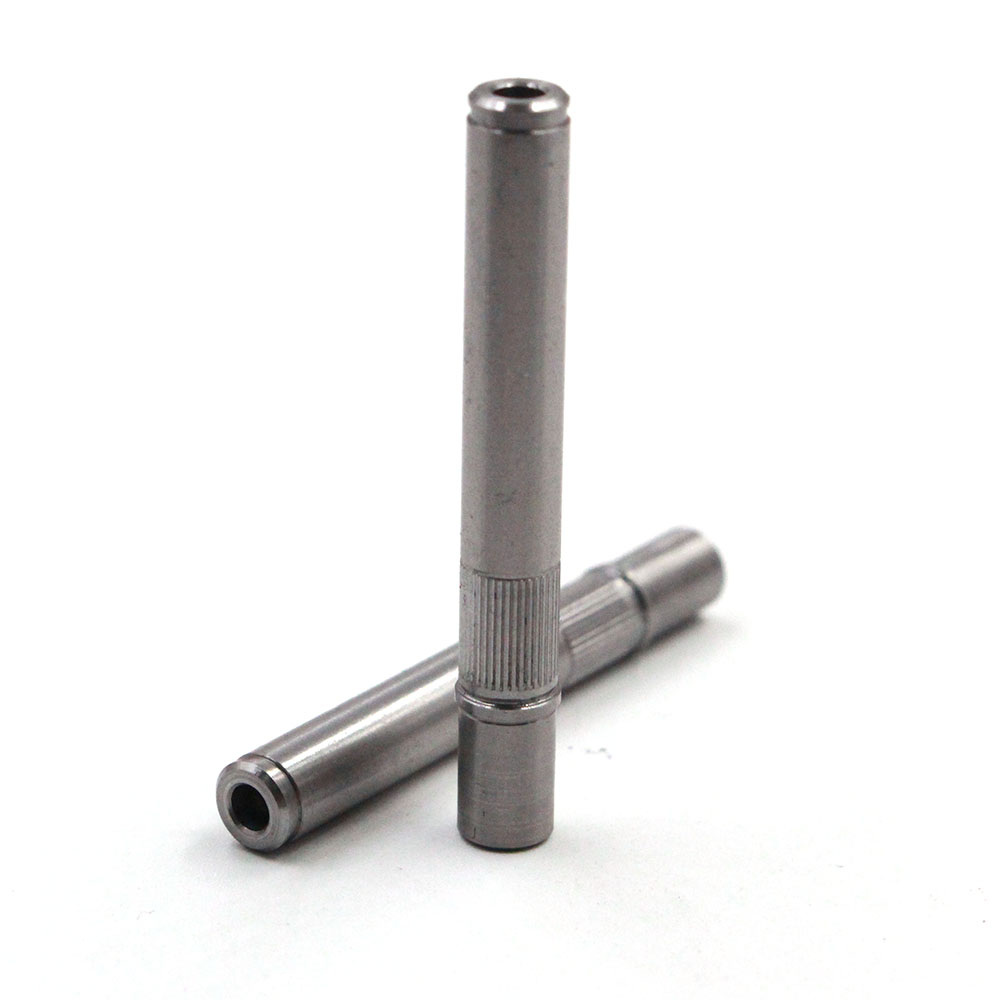
As a sourcing professional, I bring stainless steel press-fit ball plungers that stand up to intensive production demands. Designed for Wholesale and Manufacturers, these plungers combine corrosion-resistant stainless steel with a precise spring and hardened ball to deliver consistent indexing and retention across harsh environments. The press-fit installation makes mounting simple and vibration-resistant, while tight tolerances ensure smooth operation with minimal play. I offer a range of diameters and ball sizes, so you can tailor preload and stroke to your application. These units are ideal for tooling, automation, and assembly lines where repeatable positioning matters. Lead times are reliable, and we can accommodate bulk pricing, bar-coded packaging, and private labeling if needed. Whether you’re stocking for a distributor network or integrating into high-volume production, these stainless steel press-fit ball plungers deliver durability, performance, and value for Wholesale buyers and Manufacturers alike.




stainless steel press-fit ball plungers Industry Giant Market Leader
Stainless steel press-fit ball plungers offer a compact, high-precision method to secure, index, and locate components in assemblies. As a market leader in this category, high-quality units combine corrosion-resistant stainless steel with a hardened ball and spring mechanism to deliver consistent clamping force and long service life. Available in common grades such as 304 and 316, they provide strong corrosion resistance, easy cleanability, and reliable performance in demanding environments from automation to medical devices. Global buyers benefit from sourcing from a proven leader: stable supply, scalable production, and rigorous quality control. Seek precise ball travel, tight tolerances, and traceable lot data, plus surface finishes that resist galling. Suppliers offer flexible customization—shaft diameters, ball sizes, springs, and press-fit lengths—and standardized packaging for international shipping. A dependable partner provides clear lead times, engineering support, and after-sales service to optimize assembly efficiency and total cost of ownership.
| Product ID | Ball Diameter (mm) | Body Diameter (mm) | Thread Type | Travel (mm) | Insertion Force (N) | Material | Finish | Standard | Operating Temp (C) | Corrosion Resistance | Hardness (HRC) |
|---|---|---|---|---|---|---|---|---|---|---|---|
| PFB-SS-006-03 | 6 | 6.0 | M3 | 3.0 | 14 | 304 stainless steel | Passivated | ISO 9001 | -20 to 120 | Very Good | 40 |
| PFB-SS-006-04 | 6 | 8.0 | M4 | 4.0 | 22 | 316 stainless steel | Satin | ISO 9001 | -40 to 120 | Excellent | 42 |
| PFB-SS-008-03 | 8 | 8.0 | M3 | 3.5 | 18 | 304 stainless steel | Passivated | ISO 9001 | -20 to 130 | Very Good | 41 |
| PFB-SS-008-04 | 8 | 10.0 | M4 | 4.5 | 28 | 316 stainless steel | Satin | ISO 9001 | -20 to 150 | Excellent | 43 |
| PFB-SS-010-04 | 10 | 12.0 | M4 | 5.0 | 40 | 316 stainless steel | Passivated | ISO 9001 | -15 to 140 | Excellent | 44 |
| PFB-SS-012-04 | 12 | 12.0 | M5 | 5.0 | 60 | 316 stainless steel | Satin | ISO 9001 | -20 to 140 | Excellent | 45 |
Related Products



stainless steel press-fit ball plungers Pioneers in the Field Sets the Industry Standard
Top Selling Products




- Related Blog
- Reviews
- Reviews

-

Phone
-

E-mail
-

Whatsapp
-

WeChat

-

Top


