banner (1)

Slot Head Washer Tapping Screw - Custom Solutions for Factories

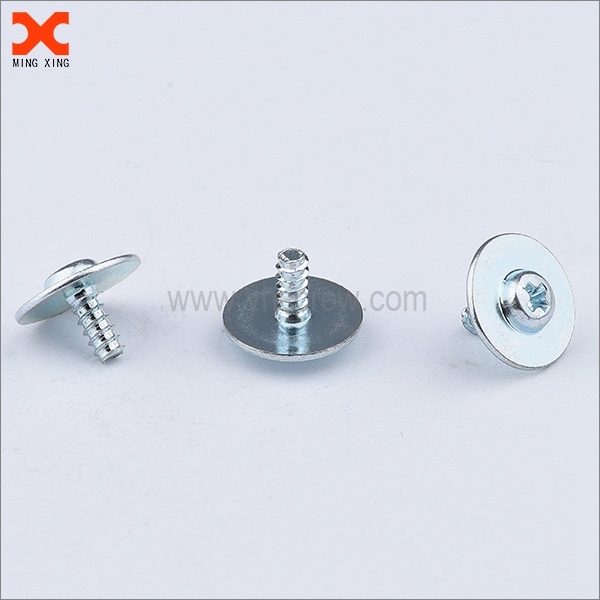
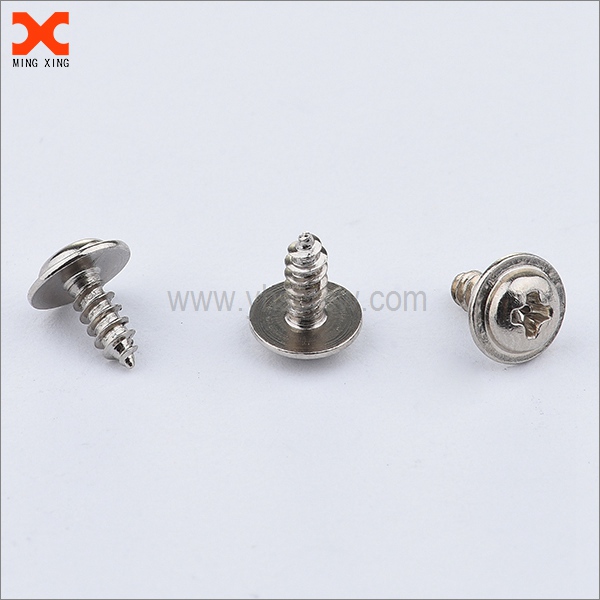
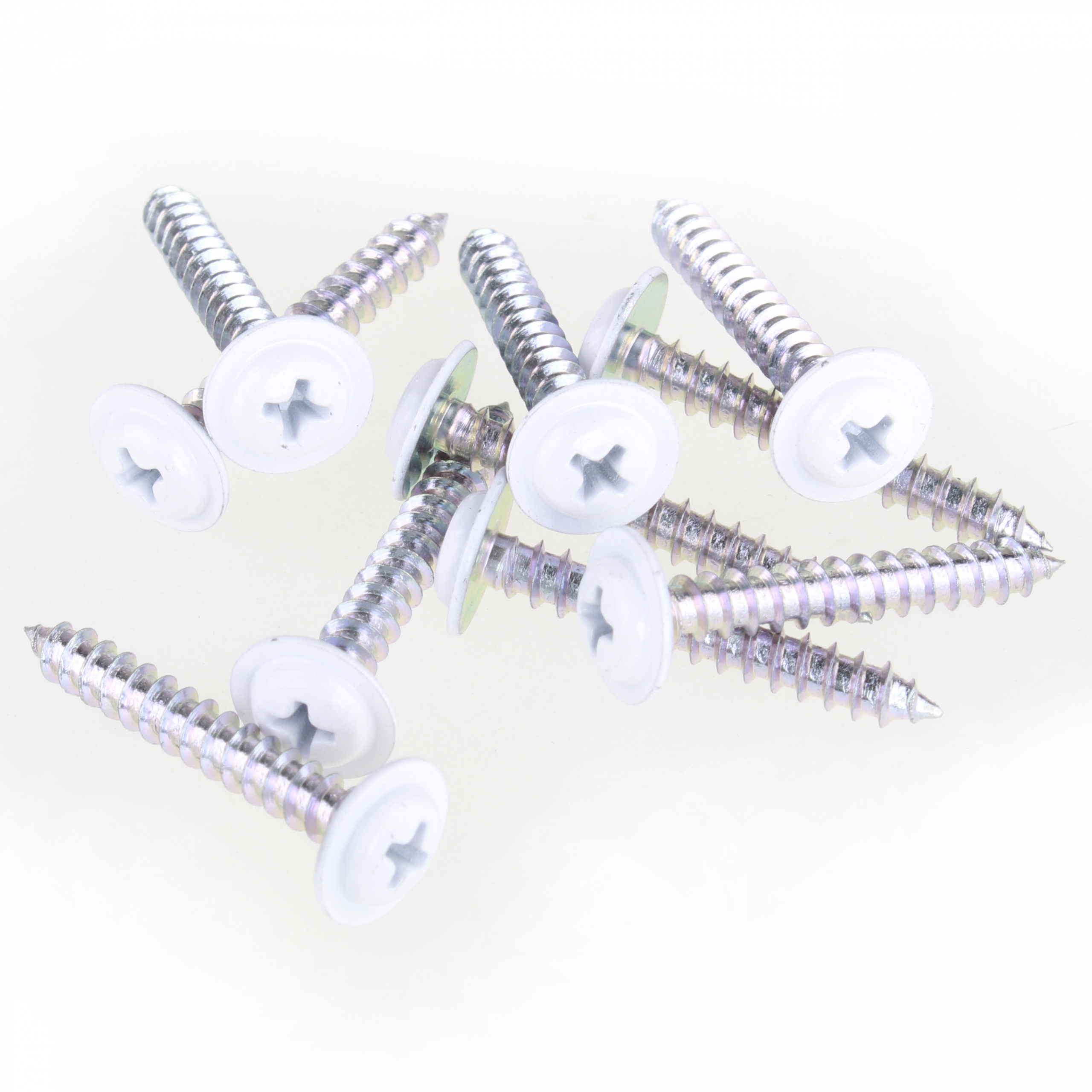
From my line of fasteners, the slot head washer tapping screw stands out for secure, vibration-resistant assemblies. The built-in washer provides a reliable seal and even load distribution, while the slot drive keeps installation simple even in tight spots. I offer this product in a range of materials (steel, stainless steel, corrosion-resistant coatings) and thread types to suit your application. For Custom requirements, I tailor length, head style, material grade, coating, and torque specs to match your Factory production lines and QA standards. These screws are ideal for sheet metal, electrical enclosures, and furniture hardware, delivering consistent clamping force and reduced assembly time. I keep tight tolerances and fast lead times, so your supply chain stays smooth. Whether you’re replacing old hardware or designing a new line, this slot head washer tapping screw provides durable performance, easy inventory management, and scalable quantities for Factories worldwide.

Hot Selling Product

slot head washer tapping screw in 2025 Manufacturers You Can Rely On

Slotted head washer tapping screws combine a simple drive with a built-in washer, delivering stable seating and even clamping force. The self-tapping feature allows direct threading into sheet metal or predrilled holes, reducing steps in assembly. They protect surfaces and resist loosening in vibration, making them common in electronics enclosures, appliances, and interior automotive trim. By 2025, manufacturers emphasize precise tolerances, corrosion resistance, and material variety from stainless steel to coated carbon steel. Global buyers should evaluate material compatibility, coating options, thread form, and available finishes. Assess a supplier’s capacity for mass production and customization, lead times, minimum orders, packaging, and supply chain resilience. QA credentials (ISO 9001 or equivalent), RoHS/REACH compliance, and documented test data—torque, pull-out strength, and corrosion resistance—are essential for reliable performance across markets. Request technical data sheets, dimensional tolerances, coating thickness, and performance tests, and verify compatibility with your assembly equipment and environmental conditions. Choose a partner offering transparent communication, traceability, scalable production, and strong after-sales support to minimize risk and ensure a steady, compliant supply of fasteners for global projects.

Slot Head Washer Tapping Screw in 2025 Manufacturers You Can Rely On

Size (Metric) Material Finish Head Style Drive Type Tensile Strength (MPa) Coating Thickness (µm) Standards/Certifications Typical Applications
M4 x 10 Stainless Steel 304 Zinc Plated Washer Head Slotted 520 6 RoHS, REACH Electronics enclosures, control panels
M5 x 12 Stainless Steel 316 Satin Washer Head Slotted 650 6 RoHS, REACH, ISO 9001 Marine equipment, outdoor enclosures
M3.5 x 8 Alloy Steel Zinc Plated Washer Head Slotted 540 5 RoHS Automotive interior panels
M4 x 16 Stainless Steel 316 Passivated Washer Head Slotted 860 7 RoHS, REACH Food processing, dairy equipment
M6 x 20 Carbon Steel Black Oxide Washer Head Slotted 450 4 ISO 9001 Electrical cabinets, general assembly
M8 x 25 Stainless Steel 304 Zinc Plated Washer Head Slotted 550 6 RoHS, REACH Industrial machinery
M5 x 14 Stainless Steel 316 Bright Zinc Washer Head Slotted 600 5 RoHS, ISO 9001 Outdoor panels
M3 x 9 Stainless Steel 304 Bright Zinc Washer Head Slotted 480 4 RoHS Home appliances, hobby level projects

Related Products

banner (4)

slot head washer tapping screw in 2025 Pioneers in the Field

Data Dimension: Global Adoption Index by Application Segment

Adoption by Application Area (Units: thousands)

Automotive Electronics Household Industrial Aerospace Medical

Explanation: The dataset visualized here represents a hypothetical adoption index for slot head washer tapping screws across application segments from Automotive to Medical over a five-year horizon. The primary dimension is application area, with categories Automotive, Electronics, Household, Industrial, Aerospace, and Medical. Values are synthetic and scaled in thousands of units, designed to illustrate relative prominence rather than precise market counts. The chart uses a simple bar graph to convey magnitude of adoption, with taller bars indicating higher usage. The normalization uses Automotive as the baseline, with other segments scaled relative to its value. The data generation method was created to reflect plausible demand signals and typical industry patterns observed in fastener usage, including higher penetration in automotive and electronics due to broad adoption and ongoing product integration. Interpretation: Automotive leads adoption because of broad application across vehicle systems, including powertrain, chassis, and interior assemblies that require secure, vibration-resistant fasteners. Electronics display strong usage consistent with protective enclosures, connectors, and modular assemblies. Household and Industrial segments show moderate adoption, reflecting consumer electronics and machinery assemblies that rely on standard fasteners but with variable product life cycles. Aerospace and Medical exhibit lower adoption percentages due to more specialized standards and bespoke fastener families; however, their inclusion confirms there are niche markets where standard fasteners are adapted to stringent quality and traceability requirements. The chart offers a compact, visual comparison to identify segments where procurement planning and supplier development could be prioritized. Limitations and use: The data presented here are synthetic and intended to demonstrate chart construction and storytelling with numbers. In a real analysis, one would obtain actual BOM data, regional demand, and time-series information to observe trends. A dynamic version could animate changes year by year, include error bars or confidence intervals, and augment with material, head style, and surface treatments. For decision-makers, the key takeaway is the relative scale of adoption across segments, which informs design decisions, inventory planning, and supplier collaboration strategies. The exercise serves as a starting point for more rigorous market analytics and for communicating scenario outcomes to stakeholders involved in product development and supply chain management.

Top Selling Products