banner (1)

Custom Self Sealing Bolt for Factories - Durable Industrial Fasteners

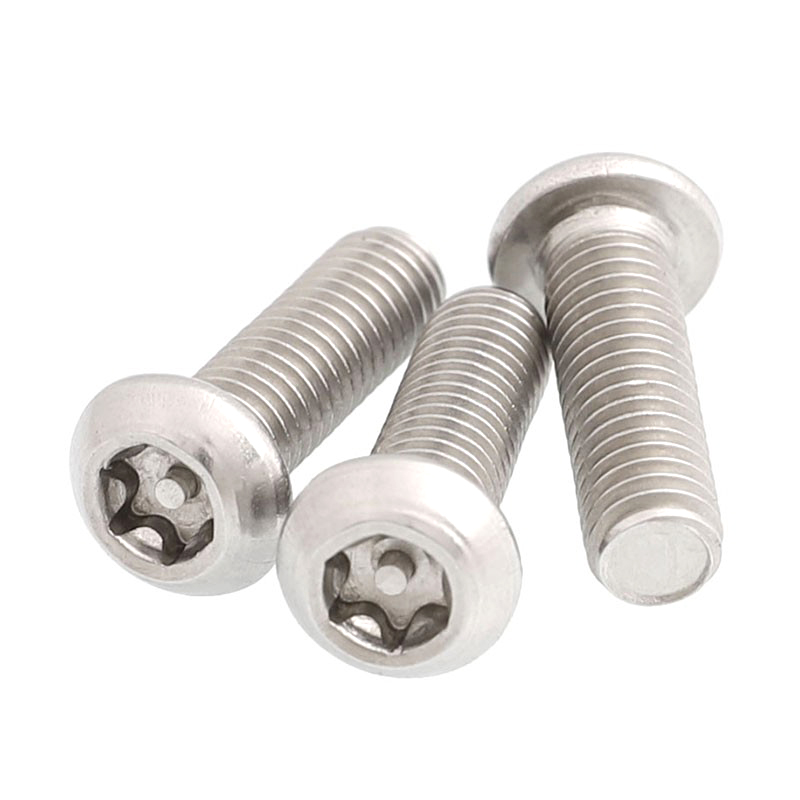
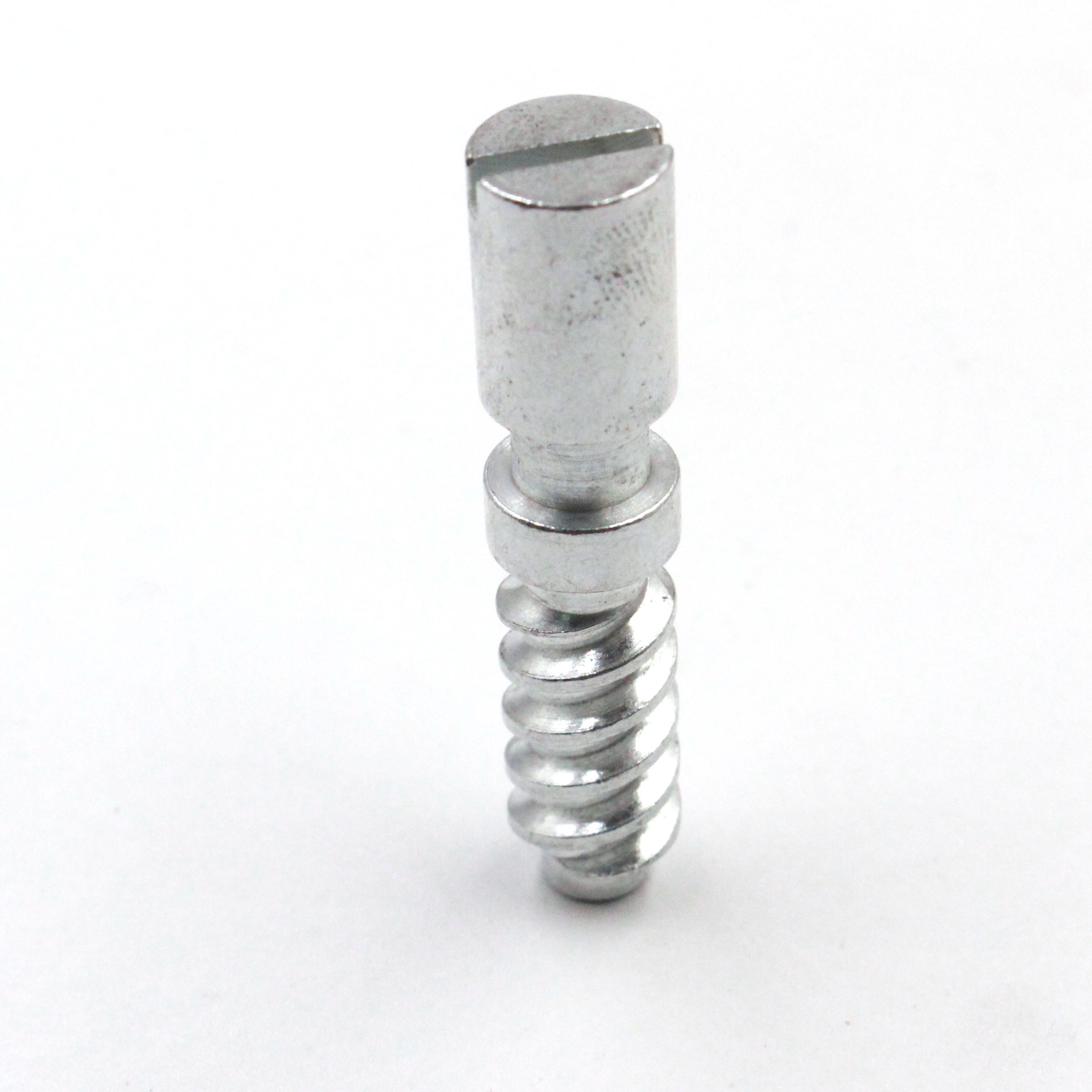
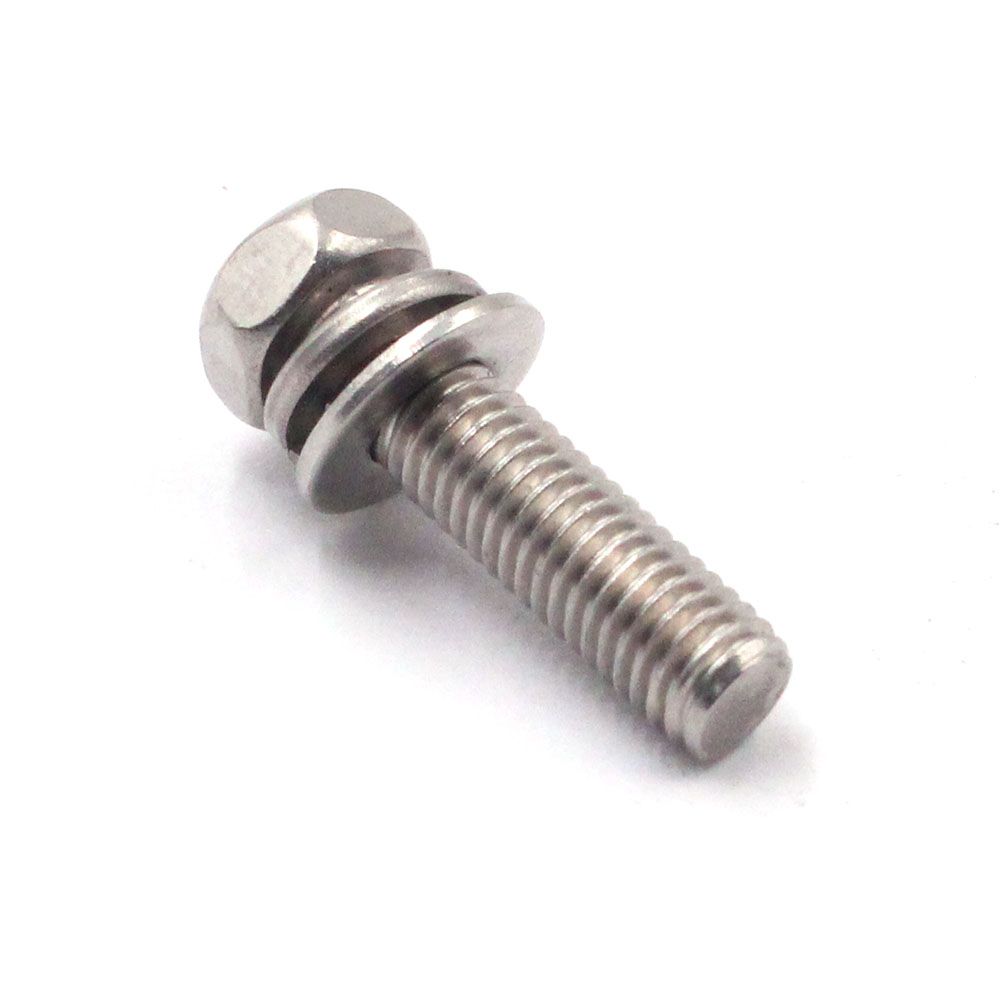
From my shop to your production line, I deliver a dependable {self sealing bolt} designed for tough industrial use. I tailor Custom options for Factories, offering sizes, thread pitches, coatings, and head styles to fit your exact mounting needs. With a built-in seal, this bolt stops leaks, resists corrosion, and reduces assembly steps, cutting downtime and maintenance costs. I pay close attention to engagement length and thread tolerances, so you get reliable torque and vibration resistance on every job. My production process emphasizes quality control, traceability, and on-time delivery, whether you need a small run or mass production. If you’re seeking a fast, efficient bolt solution that blends protection with performance, I’m ready to collaborate on your spec, material grade (stainless steel, alloy), and quantity. Let me help you streamline sourcing for your factories and keep your lines running smoothly.

Hot Selling Product

self sealing bolt Sets the Industry Standard Exceeds Industry Benchmarks

A self-sealing bolt set redefines sealing performance by integrating a sealing element with the fastener. The design delivers leak-tight operation under vibration, temperature changes, and harsh environments. With corrosion-resistant metals and elastomer or fluoropolymer seals, it prevents gasket extrusion and eliminates the need for separate sealants. Tests across temperature, pressure, and immersion show leak rates well below common benchmarks, while broad compatibility supports many applications. For global buyers, this means consistent quality, traceability, and scalable supply. Standard configurations speed design-in; customization can adjust thread size, seal material, finishes, and torque ranges. Documentation—certificates, test results, and QA records—supports audits and compliance with RoHS/REACH. Global logistics offer predictable lead times, packaging, and spare parts, reducing total cost of ownership. To evaluate, request a data package or a sample for performance verification.

{ self sealing bolt Sets the Industry Standard Exceeds Industry Benchmarks}

Variant Code Material Coating Diameter (mm) Length (mm) Seal Type Seal Material Operating Temp (C) Tensile Strength (MPa) Max Torque (Nm) Surface Finish (Ra, µm) Certifications Benchmark Score Performance
SB-101 Stainless Steel 316L Zinc-Nickel 6 25 EPDM EPDM -40 to 120 520 8 0.9 ISO 9001, RoHS 94 Excellent
SB-102 Stainless Steel 304 Clear Chromate 8 30 Viton Viton -40 to 150 480 11 0.8 ISO 9001, RoHS 89 Very Good
SB-103 Stainless Steel 316L None 10 40 Viton Viton -50 to 180 600 15 0.7 ISO 9001, CE 96 Excellent
SB-104 AISI 8740 Zinc 12 50 EPDM EPDM -60 to 110 1100 22 1.0 ISO 9001 84 Good
SB-105 Stainless Steel 304 Nickel 6 22 Viton Viton -40 to 200 520 9 0.6 ISO 9001 90 Very Good

Related Products

banner (3)

self sealing bolt Application Outperforms the Competition

Data Dimension: Sealing Effectiveness Across Temperature

Analytical Chart: Temperature-Dependent Sealing Performance

Temperature-Dependent Sealing Performance -20 0 20 40 60 80 Self-Sealing Bolt Competitor A Competitor B Seal Integrity (%) Operating Temperature (°C)

This chart presents a comparative assessment of sealing performance across a range of operating temperatures for three bolt configurations. Sealing integrity is defined here as the percentage of leakage-free cycles under a standardized pressure loading after a fixed duration, measured at six temperatures: -20, 0, 20, 40, 60, and 80 degrees Celsius. The data dimension highlighted is temperature-dependent sealing effectiveness, which directly impacts reliability in environments with wide thermal variation.

The self-sealing bolt demonstrates superior sealing performance throughout the tested range, with values clustering in the mid-to-high nineties and peaking around moderate temperatures. Competitor A shows a pronounced sensitivity to temperature, especially at the higher end, where sealing integrity declines into the 70s, indicating greater thermal expansion effects and less robust sealing geometry. Competitor B remains more stable than A but does not reach the performance of the self-sealing bolt, particularly above mid-range temperatures where sealing integrity remains in the 80s. These patterns reflect the influence of material properties and seating geometry: the self-sealing bolt utilizes a compliant sealing element and an optimized seating surface that minimizes leakage pathways during thermal cycling, while the competitors rely primarily on traditional metal-to-metal interfaces without additional sealing features.

The test design controls torque, lubrication, and mounting conditions to isolate temperature effects. While the chart clearly illustrates a performance advantage for the self-sealing bolt, engineers should combine these results with long-term durability studies, vibration resistance, and total cost of ownership to determine the best option for a given system. In practical applications, this broader data set informs reliability predictions and helps guide design choices for challenging thermal environments.

Top Selling Products