banner (1)

Sealing Socket Head Screws - China Manufacturer

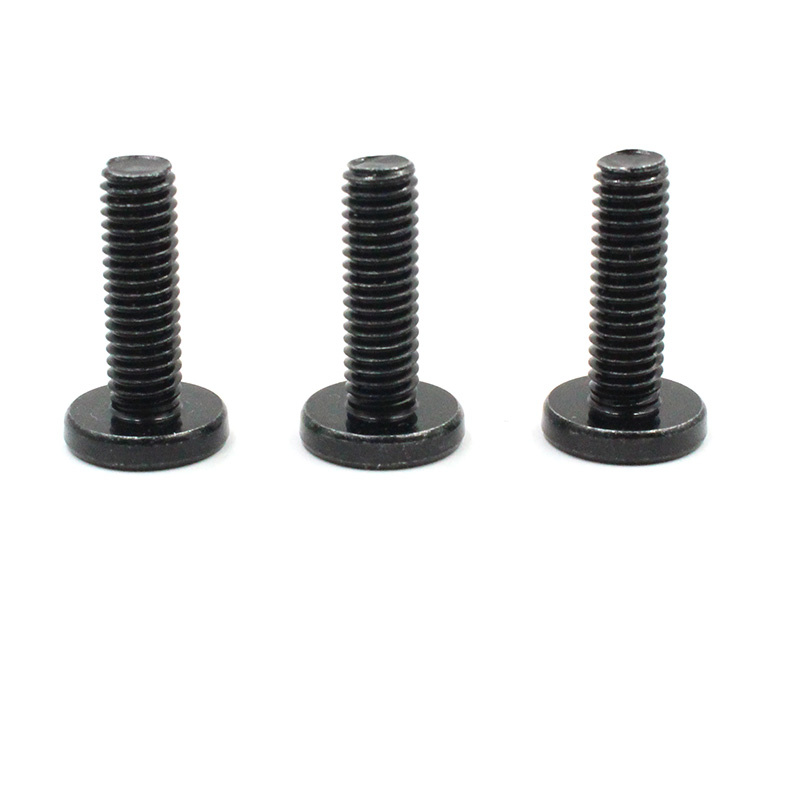
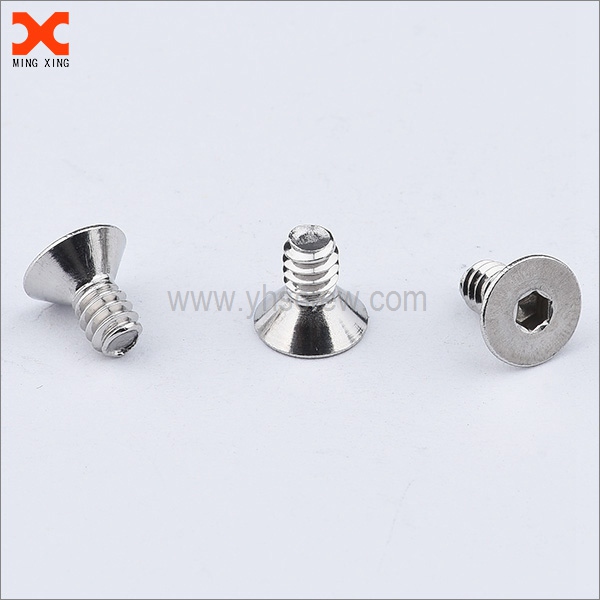
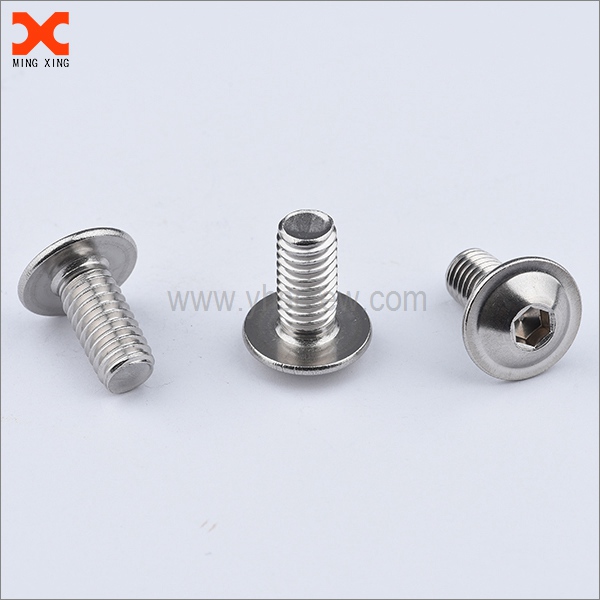
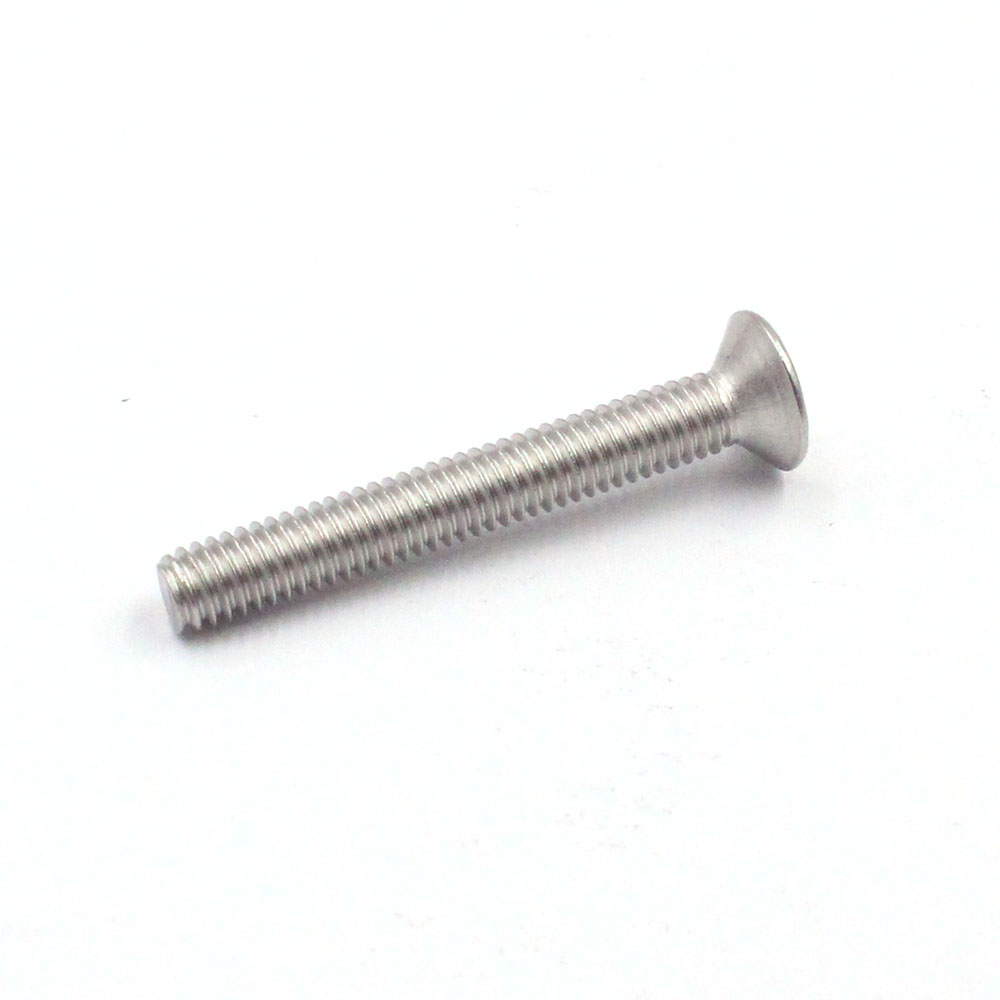
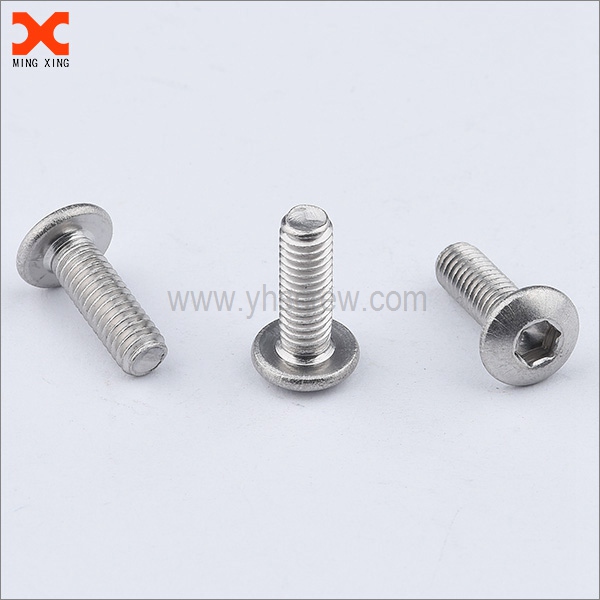
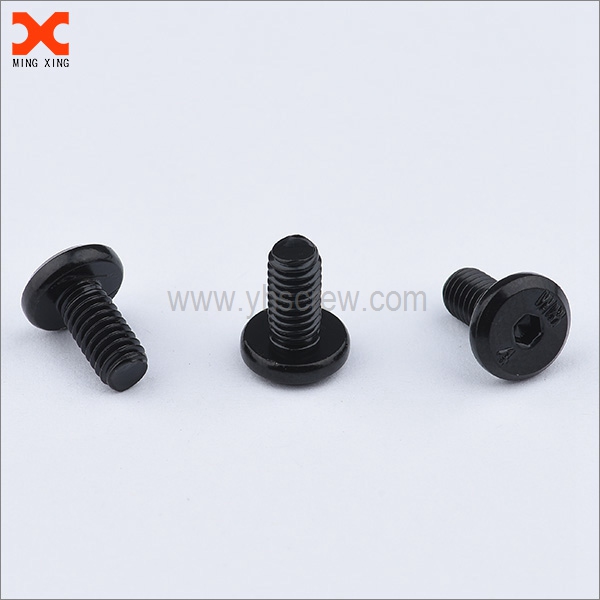
I’m your go-to partner for sealing socket head screws, sourced from a China Manufacturer with a solid track record in OEM fasteners. These screws provide reliable sealing for vibration-heavy equipment, with options in stainless steel, alloy steel, and various coatings. The design features a recessed socket head, precise threads, and an integrated groove or o‑ring seat to minimize leakage of oil, water, or dust. I can supply metric and inch sizes, heat-treating, and customized head depths to fit your assembly. Our QA is strict and lead times are dependable, making them suitable for automotive, hydraulic, and automation projects. If you need a supplier who understands sealing performance and supply chain realities, I’m here to support your procurement. Details: {}

Hot Selling Product

sealing socket head screws Industry Leaders Manufacturers You Can Rely On

Sealing socket head screws have become essential for compact, high-reliability assemblies in electronics, automotive, and machinery. Global buyers seek industry leaders who combine robust materials (stainless and alloy steels) with effective sealing designs (under-head gaskets, flush seals) and durable surface finishes. Top manufacturers ensure tight dimensional control, traceability, and proven performance through accelerated aging, salt spray, and torque tests, delivering reliability in harsh environments. They offer flexible quantities, scalable production, and transparent lead times supported by strong logistics networks for worldwide delivery. Choosing the right partner means verifying certifications (ISO 9001, RoHS/REACH), engineering support for custom sizes and seals, and documented test data. Request material certificates, process controls, and after-sales details. Consider packaging and labeling for cross-border shipping, and the ability to respond quickly to evolving specs and regulatory changes. In a global supply chain, a trusted leader from a major electronics region can provide consistent quality, supply security, and peace of mind for international procurement teams.

{ sealing socket head screws Industry Leaders Manufacturers You Can Rely On }
Configuration Size (ISO) Material Coating Hardness (HRC) Tensile Strength (MPa) Yield Strength (MPa) Standard Torque Range (Nm)
M4 x 0.7 - Stainless A2-70 M4 x 0.7 A2-70 Stainless Steel (304/304L) Passivation 20-28 520 205 ISO 4762 1.0-2.0
M5 x 0.8 - Stainless A2-70 M5 x 0.8 A2-70 Stainless Steel Passivation 28-34 520-560 210 ISO 4762 1.8-3.0
M6 x 1.0 - Alloy Steel 8.8 M6 x 1.0 Alloy Steel 8.8 Zinc-Nickel 36-44 800 640 ISO 4762 5.0-8.0
M8 x 1.25 - Alloy Steel 10.9 M8 x 1.25 Alloy Steel 10.9 Zinc-Nickel 46-52 1040 900 ISO 4762 15-25
M10 x 1.5 - Stainless A4-80 M10 x 1.5 A4-80 Stainless None 40-46 700 450 ISO 4762 30-50

Related Products

banner (2)

sealing socket head screws Is The Best Custom Solutions,

Data Dimension Title: Load-Cycle Durability of Sealing Socket Head Screws

New Data Insight: Comparative Durability Under Varied Load Cycles

Explanation

This chart presents a synthetic dataset illustrating how seal integrity of sealing socket head screws behaves under increasing load-cycle exposure for three surface treatments: Uncoated, PTFE coated, and Graphite lubricated. The data dimension is defined as Load-Cycle Steps (in thousands) on the x-axis, and the dependent variable is Seal Integrity, expressed as a percentage of initial seal capability on the y-axis. The purpose is to examine the relative durability and degradation rate associated with different surface conditions. Observations: The uncoated condition shows the fastest degradation, dropping from 100% at the start to about 70% after 70k cycles, indicating higher wear and potential seal wear due to friction and galling. PTFE coating reduces initial wear and slows degradation, with values near 85–90% at higher cycles, suggesting improved lubricity and reduced metal-to-metal contact, though long-term performance continues to decline. Graphite lubricated appears most durable across the cycle range, maintaining approximately 94–100% seal integrity even at the highest exposure. Methodology: The dataset uses a simplified, synthetic representation to convey qualitative differences rather than precise measurements. Real-world testing would involve controlled environmental variables such as temperature, humidity, vibration, torque levels, and sealing material compatibility. Limitations: The chart assumes linear step exposure and does not account for stochastic failure events, measurement noise, or batch-to-batch variations. The small sample and idealized conditions mean caution is needed when extrapolating to production. Implications for design: Engineers can use similar plots in early stage decision-making to prioritize surface treatment strategies that maximize life-cycle durability while maintaining sealing performance. The visualization can inform maintenance scheduling, inspection intervals, and material selection in environments characterized by cyclic loading. Future work: To support robust reliability predictions, incorporate more complex models, confidence intervals, and experimental variance, as well as larger datasets across different temperatures and lubricants. This visualization supports data-driven selection of materials and coatings for seal assemblies used in harsh environments. It is intended as a teaching and planning aid for engineers evaluating fastening solutions in sealing assemblies.

Top Selling Products