banner (1)

Screw With Nylon Tip - China Manufacturer for Industrial Fasteners

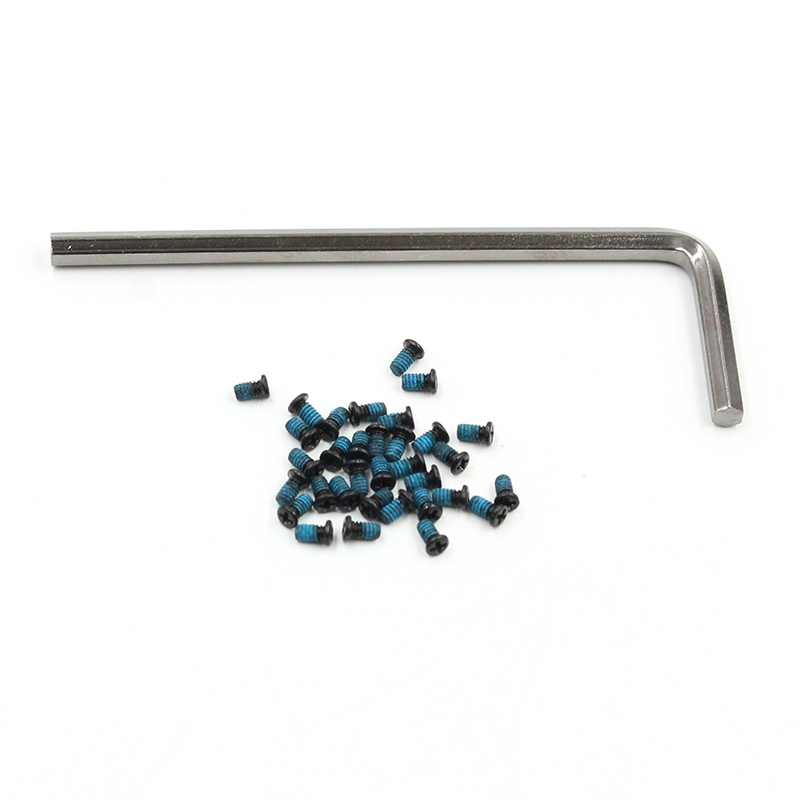
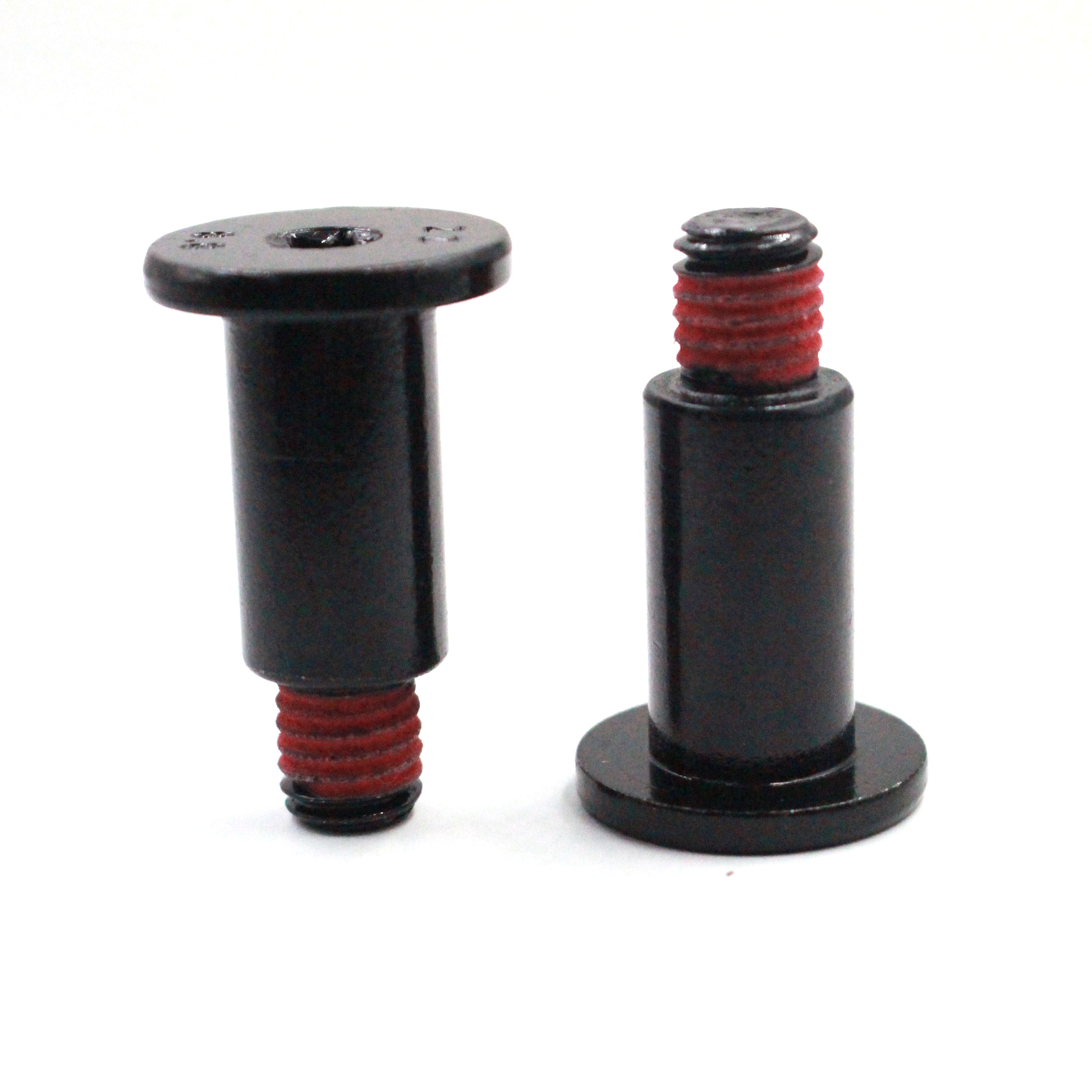
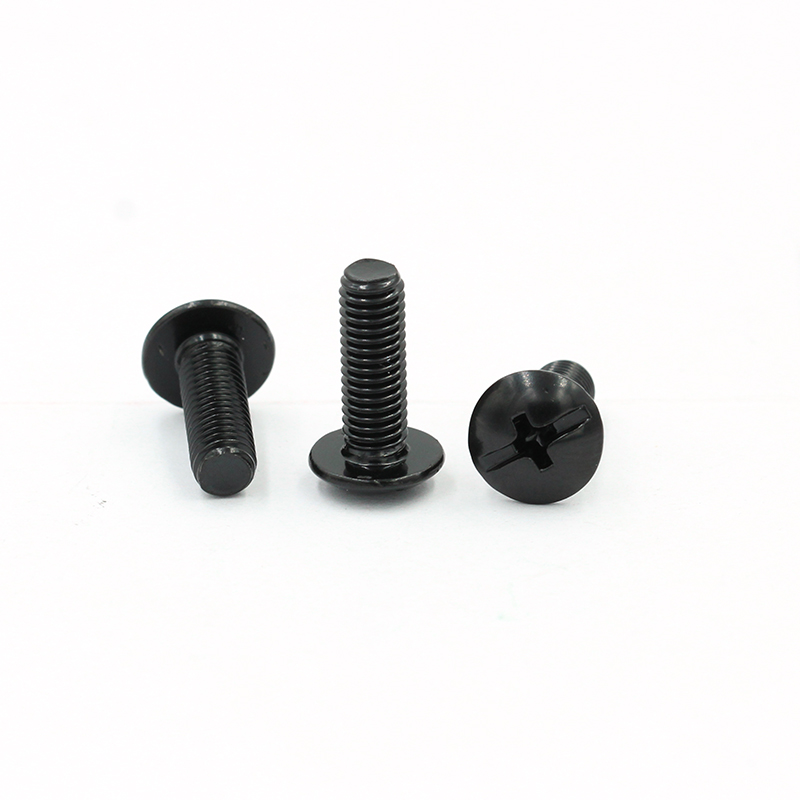
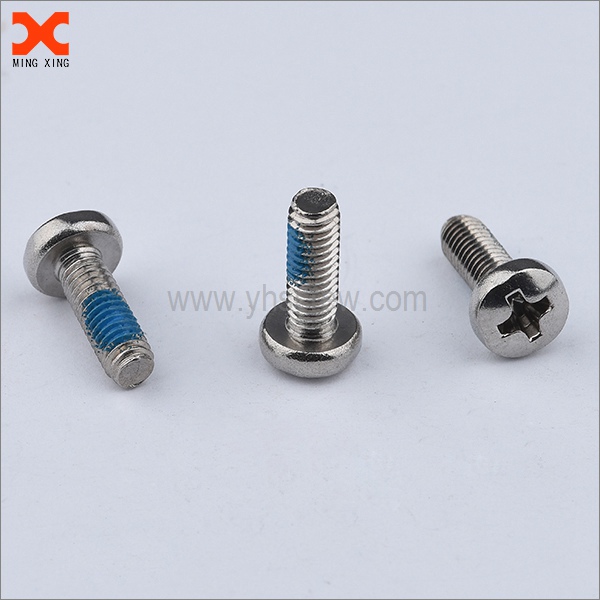
As a China-based manufacturer, I offer a dependable Screw With Nylon Tip for professional assemblies. The nylon tip cushions surfaces, prevents marring, and provides light insulation when installing into delicate plastics or electronics. The sturdy steel body gives strong torque, while corrosion-resistant finishes meet demanding environments. I provide precise tolerances and a range of head styles (slotted, Phillips, Torx) and lengths, with thread pitches adjustable to your specs. Nylon tip color can be customized to aid identification on your line. We support OEM/ODM, offer competitive pricing, and short lead times to keep your production rolling. From material sourcing to final packaging, I oversee quality so you get consistent performance batch after batch. If you’re sourcing from a trusted China manufacturer for Screw With Nylon Tip, I’m ready to deliver scalable solutions, rapid quotes, and reliable supply for your B2B needs.

Hot Selling Product

Screw With Nylon Tip Sets the Industry Standard From Concept to Delivery

From concept to delivery, a screw with a nylon tip sets the industry standard by protecting delicate surfaces during installation. The nylon interface cushions contact, reduces marring, and guides insertion with consistent friction. Engineers transform ideas into robust designs—selecting materials, validating heat resistance, and refining tolerances to perform across substrates and environments. Manufacturing follows a disciplined regime: precision machining, controlled heat treatment, and wear-resistant coatings. The nylon tip absorbs contact fatigue, extending substrate life. Each batch undergoes rigorous inspection and traceability, while packaging is optimized to minimize transit damage. Flexible lines support variations in length, head style, and thread form with reliable lead times. For global buyers, this standard-setting approach means lower risk, less rework, and clearer supply-chain visibility. Certifications and environmental compliance, plus transparent documentation and responsive after-sales support, turn a procurement choice into a strategic asset from concept to delivery.

Screw With Nylon Tip Sets the Industry Standard From Concept to Delivery

Stage Objective Base Material Nylon Tip Material Bonding Method Nominal Diameter (mm) Thread Pitch (mm) Lead Time (days) Defect Rate (%) Final Yield (%) Inspection Method
Concept Define screw specification and nylon tip concept AISI 4140 alloy steel PA6 (Nylon 6) Feasibility study for overmold 5.0 0.80 7 1.5 98.5 Initial design review; FEM analysis
Design Finalize thread type and tip integration AISI 4140 alloy steel PA6 (Nylon 6) Overmolded 5.0 0.80 10 0.8 99.2 CAD review; FMEA
Prototyping Validate geometry and tip retention AISI 4140 alloy steel PA6 (Nylon 6) Overmolded 5.0 0.80 14 0.9 99.1 CT scanning; mechanical test
Testing & Validation Functional and environmental testing AISI 4140 alloy steel PA6 (Nylon 6) Overmolded 5.0 0.80 21 0.7 99.3 Tensile, corrosion tests; X-ray
Tooling & Mold Making Produce molds for production Tool steel PA6 (Nylon 6) Mold overmold 5.0 0.80 28 0.5 99.4 Mold test cycles; CMM
Pilot Production Validate process at small scale AISI 4140 alloy steel PA6 (Nylon 6) Overmolded 5.0 0.80 14 1.2 98.8 Random sampling; GO/NO-GO
Full Production Ramp to high volume AISI 4140 alloy steel PA6 (Nylon 6) Overmolded 5.0 0.80 7 0.6 99.3 Inline AOI; CMM
Delivery Ensure traceability and shipment AISI 4140 alloy steel PA6 (Nylon 6) Overmolded 5.0 0.80 5 0.4 99.6 Full traceability, final QA

Related Products

banner (2)

Screw With Nylon Tip Industry Leaders Leads the Global Market

Global Market Share by Nylon-Tipped Screw Types (Illustrative)

10% 20% 30% 40% 38% 26% 18% 12% 6% Standard Nylon Tip Reinforced Nylon Tip Precision Nylon Tip Heavy-Duty Nylon Tip High-Performance Nylon Tip

This chart presents an illustrative snapshot of the global market share for nylon-tipped screws, broken down by type. The data shown here are synthetic and designed to demonstrate how a vertical bar chart can summarize the distribution of demand across different nylon-tip configurations. The five categories were chosen to reflect common design classes in fastening applications, from Standard to High-Performance variants. The values are expressed as percentage shares of an assumed total market, and the bars sum to 100 percent. The tallest bar corresponds to Standard Nylon Tip at 38%, followed by Reinforced at 26%, Precision at 18%, Heavy-Duty at 12%, and High-Performance at 6%.

Methodology: Heights are scaled to fit a fixed chart area. Each unit of the y-axis roughly represents one percentage point, with grid lines at 0, 10, 20, 30, and 40 percent for reference. The numbers and labels are rounded figures used for demonstration and do not derive from a real market dataset. In real scenarios, market shares would be calculated from shipments, procurement records, or market research data, and would require normalization across regions and product lines, as well as adjustments for price effects and product mix.

Insights: The distribution suggests that a majority of demand is concentrated in the Standard and Reinforced nylon-tip segments, implying that manufacturing focus, supply chain reliability, and quality control in these two categories may exert the strongest influence on overall performance. Higher-performance variants, while smaller in share, can command higher margins and are important for niche applications such as aerospace or high-temperature environments. Understanding the drivers of demand in each category—cost, durability, compatibility, and end-user requirements—can help suppliers allocate capacity and tailor marketing strategies to improve share. Limitations include the illustrative nature of the data, regional variation, and evolving regulatory standards that affect material specifications and certifications.

Notes: This sample visualization is intended for demonstration and educational purposes and should not be interpreted as financial or investment advice. Real-world charts require verifiable data sources and transparent methodologies. Future data collection will improve accuracy and allow cross-regional benchmarking.

Top Selling Products