banner (1)

Plastic Self-tapping Screws for OEM and Suppliers

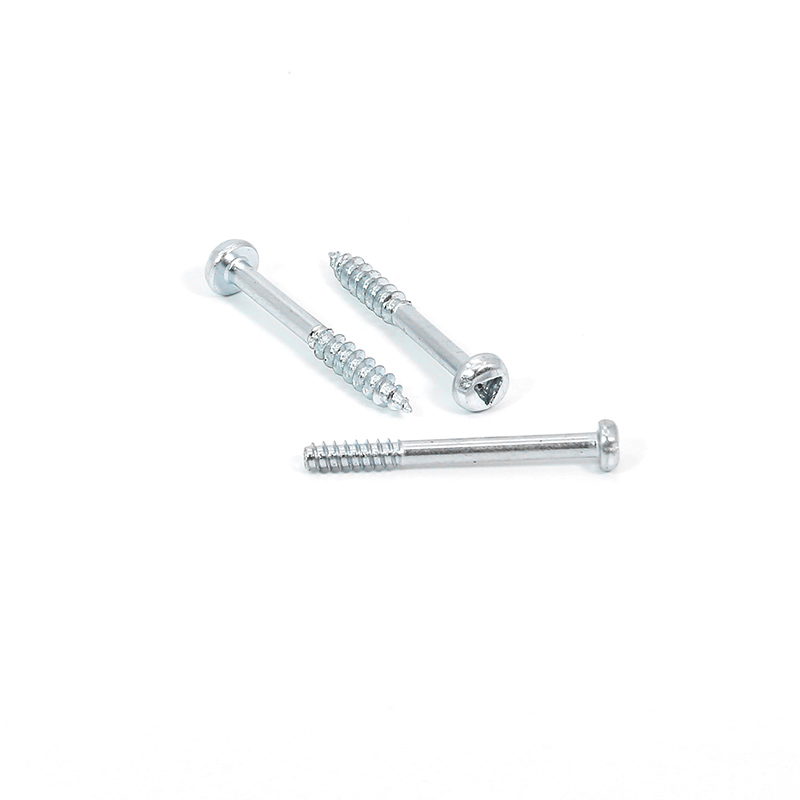
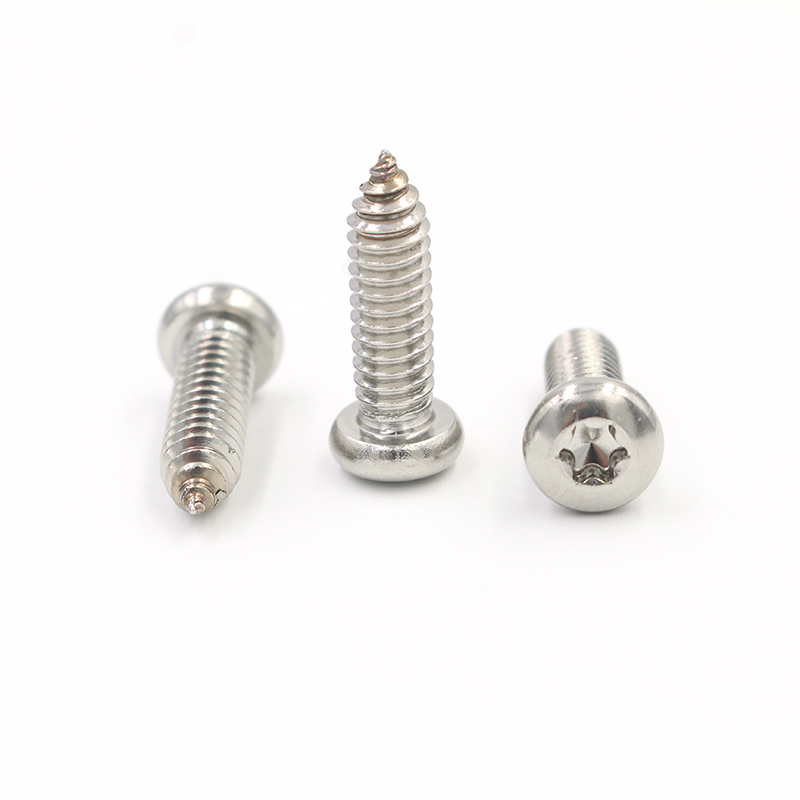
I specialise in Plastic Self-tapping Screws that deliver secure holds in plastic parts and housings for OEM applications. Whether you're an OEM sourcing parts or a Supplier stocking fasteners, these screws give you reliable self-tapping threads across a range of plastics. You can choose head styles, sizes, materials, threading, and finish to match your design, with the option for standard or colour-matched options. Our screws offer good pull-out resistance, low friction drive, and corrosion resistance in indoor and outdoor environments. I can support tailored pilot hole recommendations and custom packaging to fit your assembly line. With short lead times, consistent QC, and flexible MOQs, we help you reduce assembly risk and speed up production. If you need a partner who understands plastics, I’m here to align on spec, testing, and supply chain.

Hot Selling Product

Plastic Self-tapping Screws Delivers Unmatched Quality Global Reach

Plastic self-tapping screws form their own threads in thermoplastics, enabling quick, reliable assembly without predrilled holes. They cut assembly steps, protect the material, and provide strong joints for electronics housings, enclosures, and consumer devices. Using nylon and reinforced polyamides, they offer excellent chemical and heat resistance, dimensional stability, and creep resistance. With a global manufacturing and distribution footprint, these fasteners are produced under strict quality control and offered in multiple head styles, sizes, and packaging to meet regional standards and compliance such as RoHS and REACH. Global buyers benefit from a scalable supply chain that emphasizes on-time delivery, traceability, and consistent quality across regions. Advanced QA methods—testing, process control, and certifications to international standards—ensure performance in every batch. Flexible MOQs and lead times help match project schedules, reduce risk, and accelerate time to market for high-quality plastic fasteners worldwide.

{ Plastic Self-tapping Screws Delivers Unmatched Quality Global Reach }

Region Year Shipments (Million Units) Avg Lead Time (Days) Quality Score Defect Rate (%) Avg Diameter (mm) Material Drive Type Coating
North America 2023 2.2 4.5 96 0.9 4.5 Nylon 6/6 GF30 Torx No coating
North America 2024 2.5 4.3 97 0.8 4.7 Nylon 6/6 GF30 Torx UV-stable
North America 2025 2.7 4.0 98 0.7 4.9 Nylon 6/6 GF30 Torx UV-stable
Europe 2023 3.1 5.0 95 0.8 5.0 Nylon 6/6 Phillips No coating
Europe 2024 3.3 4.6 96 0.7 5.2 Nylon 6/6 Phillips UV-stable
Europe 2025 3.7 4.4 97 0.6 5.3 Nylon 6/6 Torx UV-stable
Asia-Pacific 2023 5.8 6.0 93 1.2 3.8 Nylon 6/6 GF15 Torx No coating
Asia-Pacific 2024 6.3 5.5 94 1.0 4.0 Nylon 6/6 GF15 Torx UV-stable
Asia-Pacific 2025 7.0 5.2 95 0.9 4.2 Nylon 6/6 GF15 Torx UV-stable
Latin America 2023 0.9 7.0 92 1.5 3.5 Nylon 6/6 Phillips No coating
Latin America 2024 1.0 6.8 93 1.4 3.7 Nylon 6/6 Phillips UV-stable
Latin America 2025 1.2 6.5 94 1.2 3.8 Nylon 6/6 Phillips UV-stable
Middle East & Africa 2023 0.5 8.0 91 1.8 3.2 Polyamide 12 Torx No coating
Middle East & Africa 2024 0.6 7.5 92 1.6 3.4 Polyamide 12 Torx UV-stable
Middle East & Africa 2025 0.7 7.0 93 1.4 3.6 Polyamide 12 Torx Anti-static

Related Products

banner (4)

Plastic Self-tapping Screws Industry Leaders Custom Solutions,

End-Market Demand Distribution for Plastic Self-Tapping Screws

420 320 260 180 150 90 Automotive Electronics Home Appliances Construction Packaging Medical 0 100 200 300 400 450

Data Context and Interpretation

This chart presents an illustrative distribution of demand for plastic self-tapping screws across six end-market segments. The values are synthetic and intended to demonstrate how a market with customization needs might allocate production focus and service offerings. The segments include Automotive, Electronics, Home Appliances, Construction, Packaging, and Medical Devices, with Automotive leading the demand at the top of the range and Medical Devices at the smaller end. The purpose of this data is to explore how different application contexts drive design requirements such as dimensions, head styles, coating compatibility, and performance under load. As shown, Automotive and Electronics together account for a substantial share of demand, signaling a stronger need for tight tolerances, reliable retention, and resistance to environmental factors. Home Appliances also contributes meaningfully, while Construction and Packaging show moderate but steady orders driven by cost-to-performance trade-offs. Medical Devices, though smaller in volume, emphasizes the necessity of material biocompatibility and sterilization considerations.

From a strategic perspective, the chart highlights the value of offering customization as a differentiator. By providing multiple size options, thread pitches, and coatings that work with diverse polymer matrices, suppliers can reduce integration risk for customers and shorten lead times. Rapid prototyping, CAD compatibility, and flexible lot sizing help capture opportunities in high-growth segments. Data-driven design support and testing services can further reduce time-to-market for new products, especially where regulatory and quality standards apply. The distribution also suggests regional emphasis: if the demand profile remains consistent across regions, manufacturing planning should prioritize modular equipment and scalable tooling that can be reconfigured quickly for different SKUs. Conversely, if regional shifts emerge, a responsive supply chain can reallocate capacity without compromising quality. Overall, the illustration underscores the strategic value of aligning product development and manufacturing capabilities with the end-market mix to deliver tailored, high-value solutions in a competitive space.

Top Selling Products