banner (1)

phillips truss head screw #8-32 | ODM Factory Source

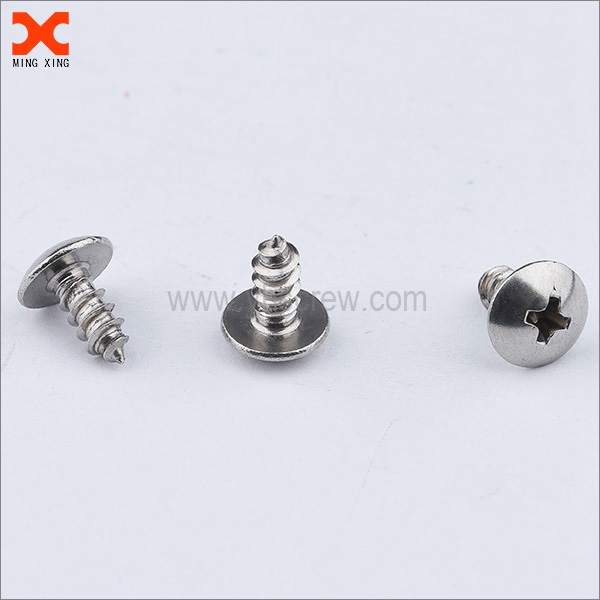
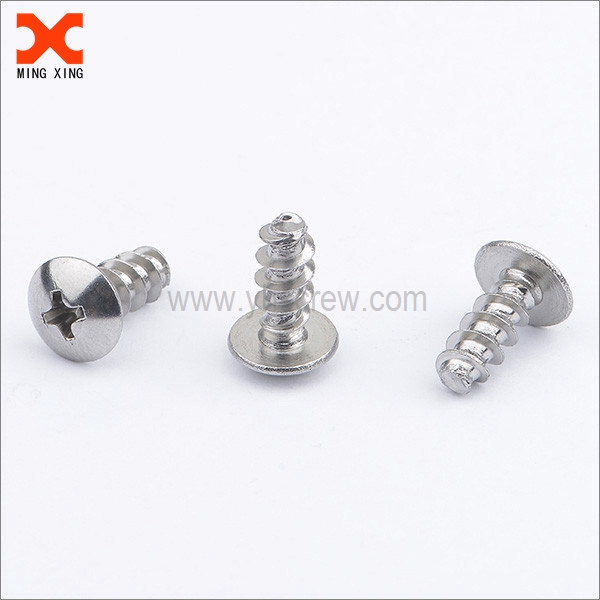
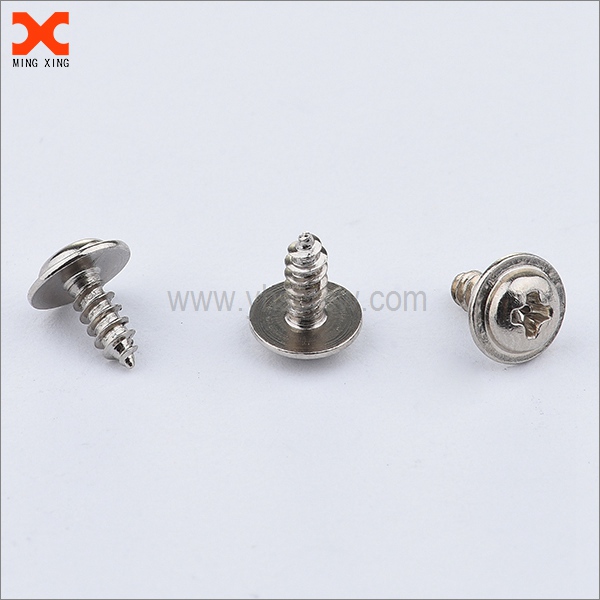
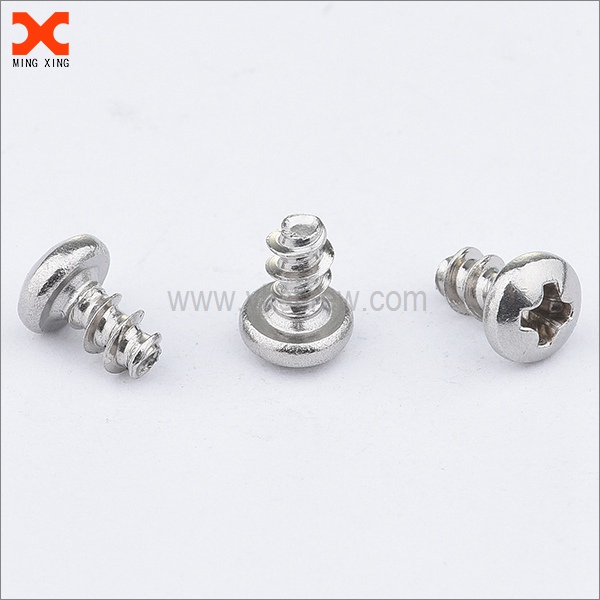
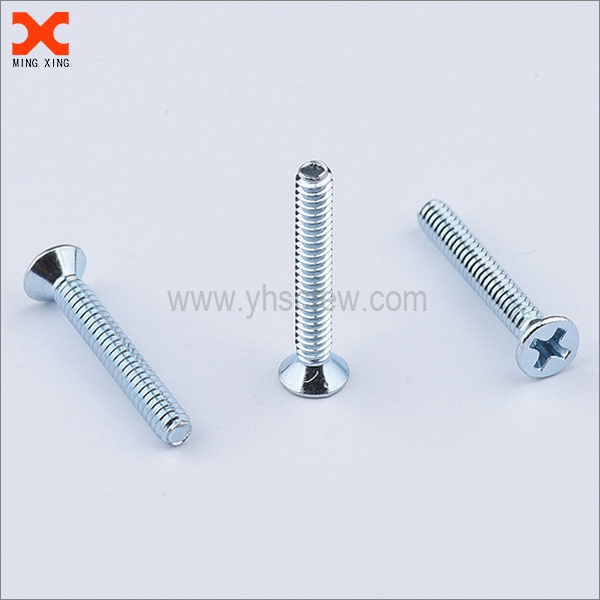
I am your sourcing partner for reliable fasteners. When you ask for phillips truss head screw #8-32, I deliver standard ranges and ODM options directly from our factory. Our screws feature a corrosion-resistant finish (zinc plated or stainless), a low-profile truss head for flush seating, and a secure Phillips drive that resists cam-out in assembly lines. Available in 8-32 UNC, lengths from 1/4" to 1-1/2" with tight tolerances. I can customize head style, material, coating, or packaging under ODM to match your exact application, and we ship factory-direct with short lead times. Our QA ensures consistent torque, thread engagement, and pull-out performance across high-volume orders. If you’re building equipment enclosures, lighting fixtures, or furniture assemblies, these screws give you reliable fastening with reduced assembly time. I work directly with factories to offer competitive pricing, traceability, and flexible MOQs, so your production stays on schedule.

Hot Selling Product

phillips truss head screw #8-32 Supplier More Than a Supplier - A Partner

Global buyers sourcing Phillips truss head screws #8-32 face a choice between a commodity and a dependable partnership. A manufacturing partner with a proven footprint can offer more than parts: a reliable supply chain with strict quality control, consistent tolerances, and scalable production to meet design changes and demand spikes across electronics, appliances, and lighting. With traceability, material certifications, and transparent processes, the right partner aligns supplier capability with your project timeline, reducing risk from prototype to mass production. From zinc-plated and stainless options to various coatings and finishes, plus packaging and kitting that fit your BOM, a true partner delivers value beyond the screw: guidance on fit, tested data, and proactive supply chain planning. Compliance support for ROHS, REACH, and UL, flexible shipping terms, and a commitment to long-term collaboration help optimize cost, lead time, and quality across multi-region sourcing.

{ phillips truss head screw #8-32 Supplier More Than a Supplier - A Partner}
Item Material Finish Head Style Drive Type Thread Size Length (in) Major Diameter (in) Tensile Strength (MPa) Hardness (HRC) Typical Applications Standards
001 Carbon Steel Zinc Plated Truss Head Phillips #8-32 UNC 0.50 0.164 480 20–25 Electronics enclosures, light fixtures, metal chassis ANSI/ASME B18.6.3; UNC 32 TPI
002 A2 Stainless Steel (304) Satin Truss Head Phillips #8-32 UNC 0.75 0.164 520–700 18–22 Electrical panels, indoor fixtures ASTM F593; UNC 32 TPI
003 A4 Stainless Steel (316) Bright Truss Head Phillips #8-32 UNC 1.00 0.164 550–700 18–25 Marine-grade enclosures, outdoor fixtures ASTM F593; UNC 32 TPI
004 Aluminum 6061-T6 Anodized Truss Head Phillips #8-32 UNC 1.25 0.164 310 12–18 Lightweight assemblies, electronics housings ANSI/ASME B18.6.3; UNC 32 TPI
005 Brass (CuZn) Polished Truss Head Phillips #8-32 UNC 1.50 0.164 320–350 12–25 Decorative fixtures, interior joinery ANSI/ASME B18.6.3; UNC 32 TPI
006 Hot-Dip Galvanized Steel HDG Truss Head Phillips #8-32 UNC 2.00 0.164 450 15–25 General metal-to-metal assemblies, cabinetry ANSI/ASME B18.6.3; UNC 32 TPI

Related Products

banner (4)

phillips truss head screw #8-32 Guarantees Peak Performance Where Service Meets Innovation

Data Dimension: Torque Stability Index Across Temperature and Load Cycles

Torque Stability Index Across Temperature and Load Cycles

Data context: In this synthetic study, a Torque Stability Index (0-100) is tracked across twelve consecutive tests representing progressive loading cycles and increasing temperature conditions. The objective is to illustrate how a fastener design sustains peak performance as service conditions vary, providing a generic benchmark for engineering teams. The line chart captures the trajectory of the index, where the baseline starts around 72 and climbs toward a peak near 92 before settling near 90 in the final test. This pattern suggests conditioning effects, thermal influence, and cyclic stabilization that affect thread engagement and clamp force retention. The data dimension we are exploring is the relationship between test sequence (as a proxy for cumulative wear and exposure to heat and load) and the resulting torque stability, a critical indicator for assembly reliability. Interpreting the chart, early tests show room for improvement as parts settle and lubrication equilibrates. As cycles progress, increased load and rising temperature alter friction, allowing the stability index to rise. The subsequent plateau and slight dip around Tests 9-12 reflect the competing effects of beneficial seating and late-cycle thermal softening, signaling an operating window where maintenance checks may be most fruitful. The 0-100 scale provides a straightforward reference for comparing different fastener geometries, coatings, or lubrication schemes, enabling engineers to quantify improvements from material substitutions or process changes. This dataset demonstrates the practical value of continuous monitoring in manufacturing and field service, where modest gains in stability can translate into longer service life, reduced risk of loosening, and lower maintenance costs. Limitations and next steps: These values are synthetic for demonstration purposes and do not capture every real-world factor such as vibration, misalignment, humidity, or corrosion. To enhance realism, future work should incorporate repeat measurements under varied chamber conditions, confidence intervals, and replication across multiple temperature bands. Potential applications include design optimization dashboards, quality-control analytics, and predictive maintenance planning for critical fastening assemblies, enabling proactive interventions rather than reactive repairs.

Top Selling Products