banner (1)

Phillips Countersunk Head Screw - Cheap Pricelist

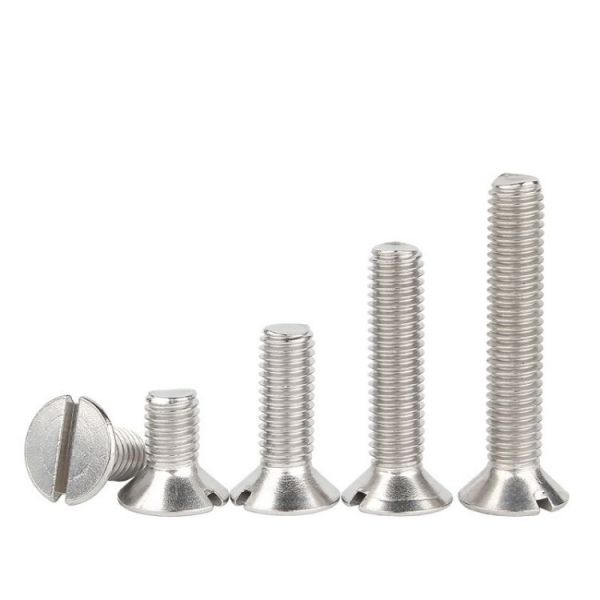
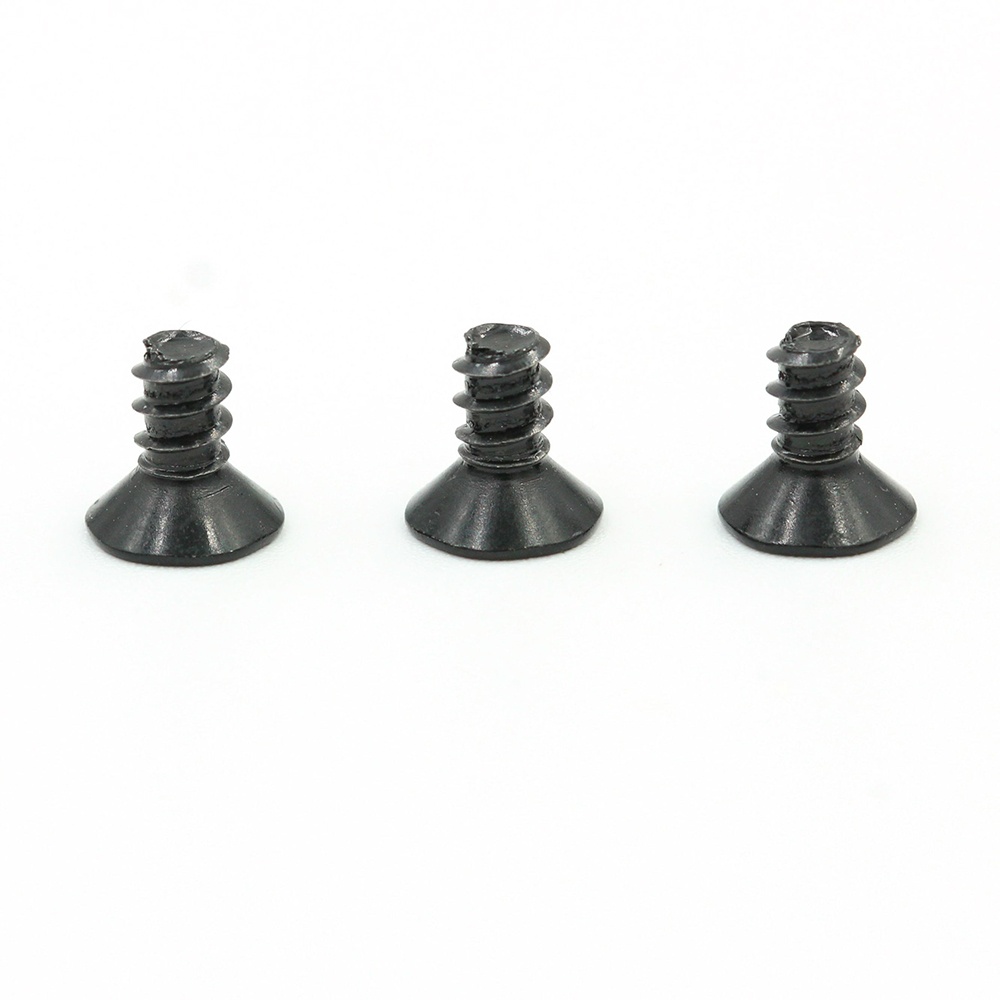
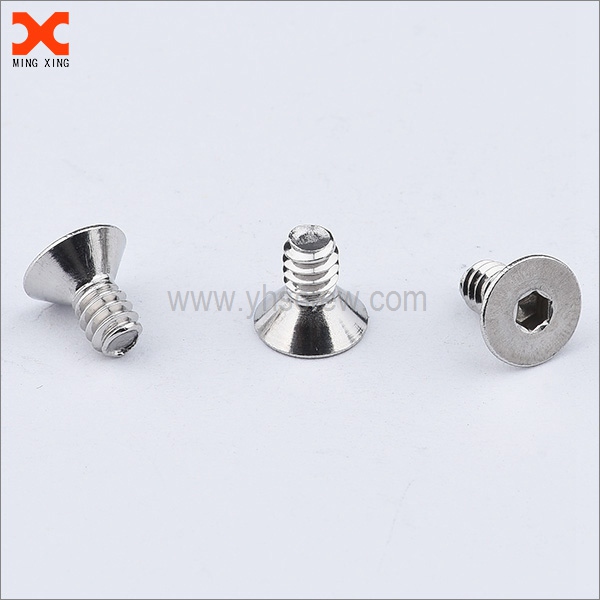
We offer a solid Phillips Countersunk Head Screw that performs under pressure in a wide range of assemblies. It sits flush with the surface, gives clean finishes, and resists cam-out with its cross-recess design. I keep a tight stock of sizes and coatings to suit metal and wood projects alike. For buyers like you, we present Cheap pricing options and a current Pricelist that makes comparison easy. You’ll find common lengths, threads, and head sizes ready for production lines, with reliable lot-to-lot consistency. Our lead times are short, and quality control is steady, so you can plan your builds without interruptions. If you need mixed packs or bespoke counts, I can arrange a custom quote. Let me help you optimize procurement and save on cost per screw while keeping performance intact.

Hot Selling Product

Phillips Countersunk Head Screw Is The Best Now Trending

Global electronics and precision assemblies are trending toward cross recessed countersunk head screws. The flush finish, steady torque, and suitability for automation make them ideal for compact devices, dashboards, wearables, and industrial gear. The drive type matters: a cross recess reduces cam-out and supports repeatable seating in high-volume lines. As demand grows across regions, reliable supply and consistent performance become a procurement differentiator. For sourcing, specify material (stainless or alloy steel), finish (plated, black oxide), dimensions (common metric sizes), and tolerances. Require RoHS/REACH compliance and supply chain traceability. Request data on thread pitch, hardness, coating thickness, and conformance proofs. Choose suppliers with robust QA plans, scalable capacity, and flexible packaging. Consider sample programs and dual sourcing to mitigate risk, and align procurement with lead times, MOQs, and total cost of ownership. A focused supplier network accelerates value in global projects.

Phillips Countersunk Head Screw Is The Best Now Trending

Size Thread Pitch (mm) Material Finish Coating Tensile Strength (MPa) Hardness (HRC) Typical Torque Range (N·m) Notes
M3 x 6 0.50 Stainless Steel 304 Bright None 505 16 0.12 - 0.18 General purpose
M4 x 8 0.75 Stainless Steel 304 Bright Zinc 510 17 0.20 - 0.28 Corrosion resistant
M4 x 10 0.75 Stainless Steel 316 Satin None 550 18 0.22 - 0.32 Marine-grade corrosion resistance
M5 x 12 1.00 Alloy Steel 8.8 Black Oxide Black Oxide 800 28 0.35 - 0.55 High strength fastener
M3 x 8 0.50 Stainless Steel 304 Passivated None 520 15 0.10 - 0.14 Low-profile head
M6 x 16 1.00 Stainless Steel 316 Bright None 520 20 0.55 - 0.85 High load capacity
M5 x 20 1.00 Stainless Steel 316 Blackened Black Oxide 520 22 0.46 - 0.70 Exterior-use option
M4 x 12 0.75 Alloy Steel 8.8 Zinc-Plated Zinc 700 23 0.30 - 0.45 Medium strength

Related Products

banner (4)

Phillips Countersunk Head Screw Is The Best Your End-to-End Solution

End-to-End Efficiency Trends for Countersunk Screws

Data Dimension: Monthly Throughput per Day (units/day)

This chart presents a forward-looking view of monthly production throughput for an end-to-end screw manufacturing workflow focusing on countersunk head screws. The data dimension tracked here is throughput per day (units/day) by month, serving as a proxy for overall line efficiency, capacity utilization, and demand fulfillment. Each data point represents the average daily output observed during the month, smoothing daily volatility from shifts, maintenance, and changeovers. The resulting line highlights the general trend rather than isolated spikes, making it easier to compare performance across periods and to identify where improvements in tooling, setup, or workflow might have the biggest impact.

From January to December, the trend shows a steady rise with a small mid-year plateau followed by renewed momentum toward year-end. The low-to-mid range of early months suggests initial stabilization after production-line investment or a new batch start-up, while the mid-year increase reflects operational refinements, supplier lead times improving material flow, and perhaps increased demand. The sharper ascent in autumn indicates capacity scaling or seasonal demand that often accompanies aerospace, automotive, or consumer-electronics cycles. The final months reaching the highest levels imply sustained improvements in line reliability, preventive maintenance effectiveness, and faster changeover between products.

Limitations: this is a simplified one-dimensional view that omits quality metrics, scrap rate, and throughput variance. In practice, a robust assessment would combine this with defect density, first-pass yield, and cycle-time analyses. The chart's readability benefits from incorporating additional datasets, such as OEE (overall equipment effectiveness) components, or stratifying by production shift. Nevertheless, the visualization provides a clear narrative: consistent gains in daily output correlate with the maturation of the end-to-end manufacturing process, enabling data-driven decisions for capacity planning and continuous improvement. This format supports scenario planning by adjusting the input series to test how improvements in uptime, setup times, or demand shifts might shift the trajectory.

Top Selling Products