banner (1)

Pan Head Torx Self Tapping Screw For Plastic - Cheap Pricelist

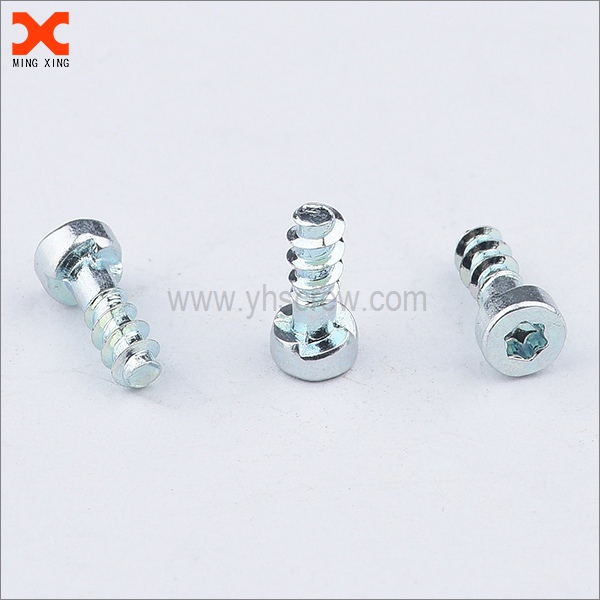
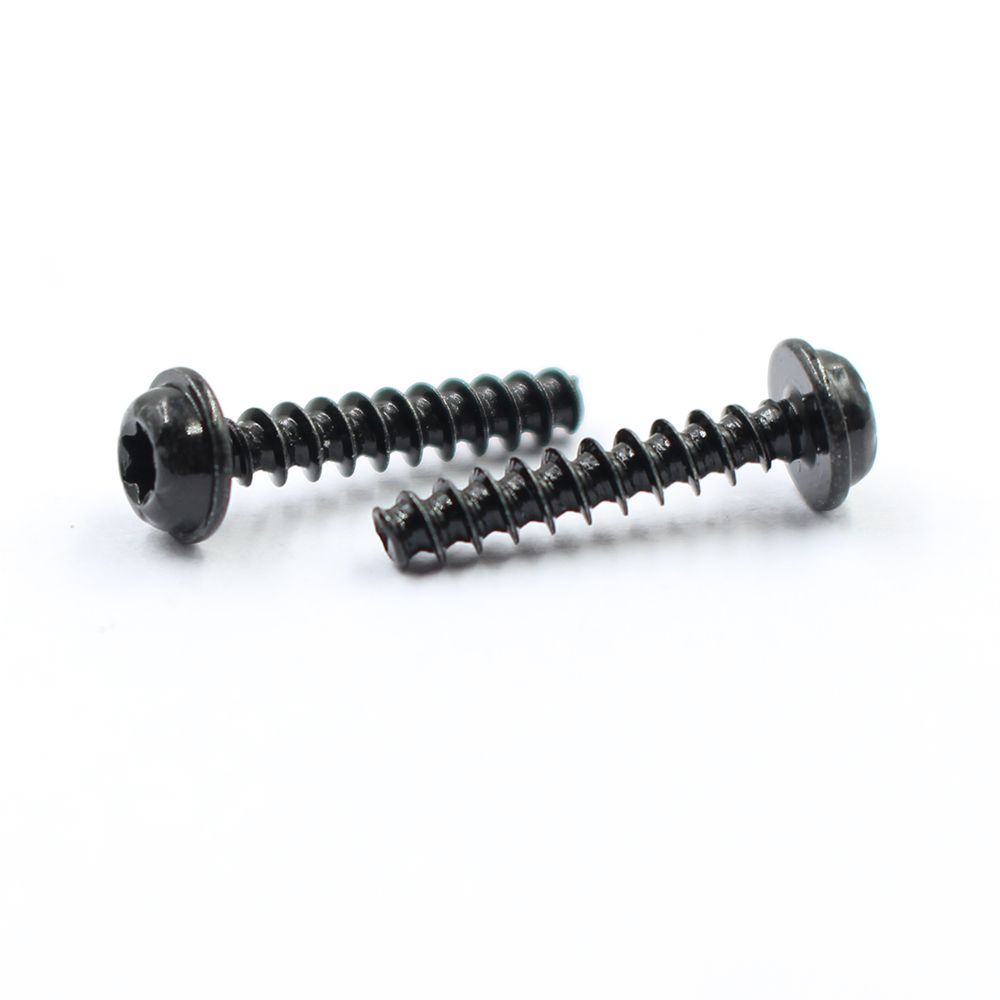
I’m in charge of sourcing fasteners for demanding assemblies, and I offer the Pan Head Torx Self Tapping Screw For Plastic that delivers secure hold in plastic panels without pre-drilling. When I show these to buyers, I emphasize compatibility with standard Torx drivers, corrosion resistance, and clean flush finish. For B2B buyers, I know cost matters, so I provide cheap options without sacrificing quality, with a clear Pricelist, minimum order quantities, and fast delivery. We tailor length, thread pitch, and drive size to your project. I can quote you in bulk, with material options like nylon or glass-filled plastic if needed, and we can arrange samples. I ensure consistent supply and tight tolerances. If you want durable, easy-to-install fasteners, I can help you choose the right Pan Head Torx Self Tapping Screw For Plastic and keep costs predictable with the Pricelist.

Hot Selling Product

Pan Head Torx Self Tapping Screw For Plastic Pioneers in the Field Factory-Direct Excellence

Pan Head Torx Self-Tapping Screws for Plastic form the backbone of fast, secure plastic assemblies. As field pioneers, global buyers rely on the broad bearing surface and Torx drive to maximize torque transfer and reduce cam-out in soft or thick plastics. The self-tapping tip creates its own thread, eliminating pre-drilling and delivering cleaner joints in electronics, automotive, and appliances. Key features include the pan head’s flat bearing surface for even load distribution and the Torx drive that resists cam-out at high torque. Available materials range from zinc- or black-oxide steel to stainless options, with plastics such as ABS, PC, PC/ABS, and nylon. Correct pilot hole size and thread geometry ensure strong pull-out resistance. For global procurement, factory-direct supply offers shorter lead times, consistent quality, and scalable volumes. Customization is available for length, diameter, thread pitch, coating, and packaging to fit your BOM. Rigorous quality control and traceability support reliable performance across automotive, electronics, and home appliances.

{ Pan Head Torx Self Tapping Screw For Plastic Pioneers in the Field Factory-Direct Excellence}

Part Code Diameter (mm) Length (mm) Torx Size Material Finish Self-Tapping Type Max Thread Depth (mm) Recommended Plastic Temperature Range (°C) Tensile Strength (MPa) Applications
C-TP-201 3.0 6 T20 Steel A2-70 Zinc Pan Head Self-Tapping 2.0 PP -20 to 120 400 General housing assembly
C-TP-202 4.0 8 T25 Stainless Steel A2-70 Zinc Pan Head Self-Tapping 2.5 Nylon PA6 -30 to 100 520 Electrical enclosures, housings
C-TP-203 3.5 9 T22 Brass No Coating Pan Head Self-Tapping 2.3 ABS 0 to 70 360 HVAC ductwork
C-TP-204 2.9 5 T15 Nylon PA6 Black Oxide Pan Head Self-Tapping 1.8 PP -20 to 80 300 Duct fittings, appliance shells
C-TP-205 4.5 10 T27 Stainless Steel 304 Zinc-Nickel Pan Head Self-Tapping 3.0 PC -10 to 120 640 Electronic devices, light fixtures

Related Products

banner (4)

Pan Head Torx Self Tapping Screw For Plastic Now Trending Guarantees Peak Performance

Data Dimension: Monthly Performance Metrics for Plastic Self-Tapping Screws

New Title: Plastic Pan Head Torx Self-Tapping Screw Performance Index Over Time

This chart presents a data-driven view of the monthly performance metrics for plastic self-tapping screws with pan head Torx drives used in standard plastic assemblies. The metric, named the Performance Index, is a composite score that fuses several practical indicators: insertion torque consistency, pull-out strength, installation success rate, and surface finish quality. Each month is normalized to a scale of 0 to 100 to enable direct comparison across time. The data here are synthetic for demonstration purposes, but the structure mirrors how real manufacturing dashboards summarize multiple signals into a single actionable figure.

From January to August, the index climbs from 62 to 82, reflecting a sequence of improvements in thread formation, head tolerances, coating uniformity, and process stability. The dip in September to 80 marks a planned maintenance window and recalibration period, illustrating how downtime can temporarily dampen performance. Afterward, the trend resumes upward, reaching 90 by December, which suggests that corrective actions and post-maintenance optimization largely compensated for the temporary loss.

This pattern is consistent with a learning-curve effect: as tooling and methods become more mature, the combined performance metric improves and stabilizes. The benefit of such a composite score is that it captures synergistic effects across separate subsystems (materials, tooling, and process control) that would be harder to detect when viewing individual indicators in isolation. The chart thus supports decision-making around maintenance scheduling, tool changes, and process upgrades by providing a clear, time-based view of progress.

Limitations include the synthetic nature of the data and the specific weighting used to build the index; different weighting schemes could yield different trends. Real-world adoption would require careful validation with actual performance tests and broader sampling. Nevertheless, the overall upward trajectory to year-end signals a favorable trajectory for quality and reliability of plastic assembly fasteners in practical applications.

Top Selling Products