banner (1)

One Way Machine Screw - OEM Suppliers for Industrial Fasteners

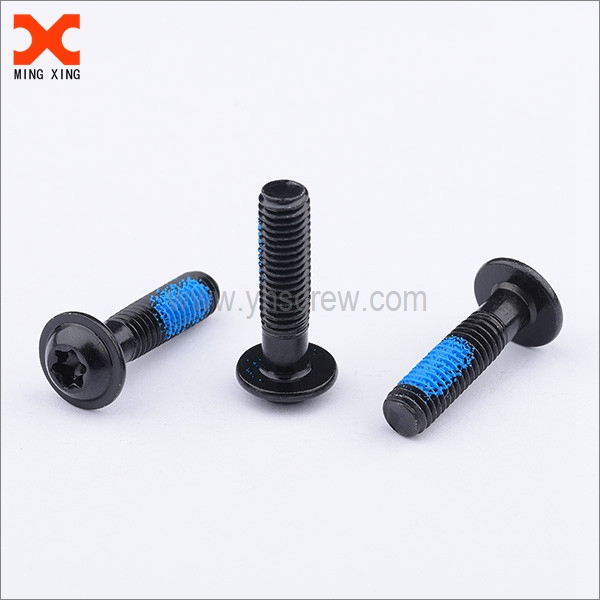
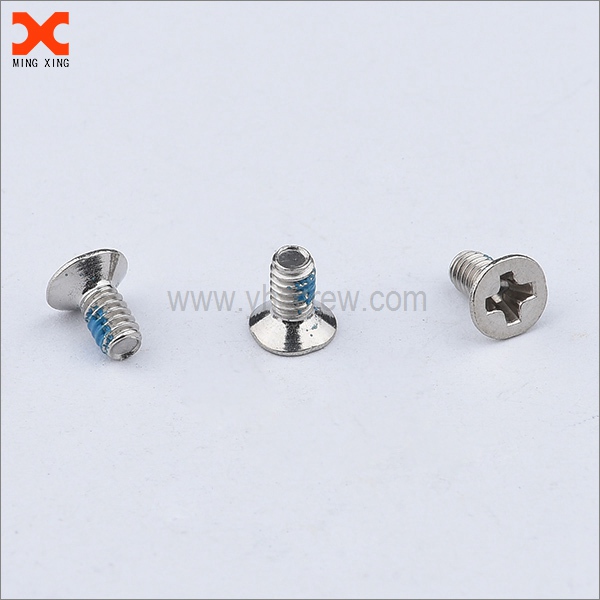
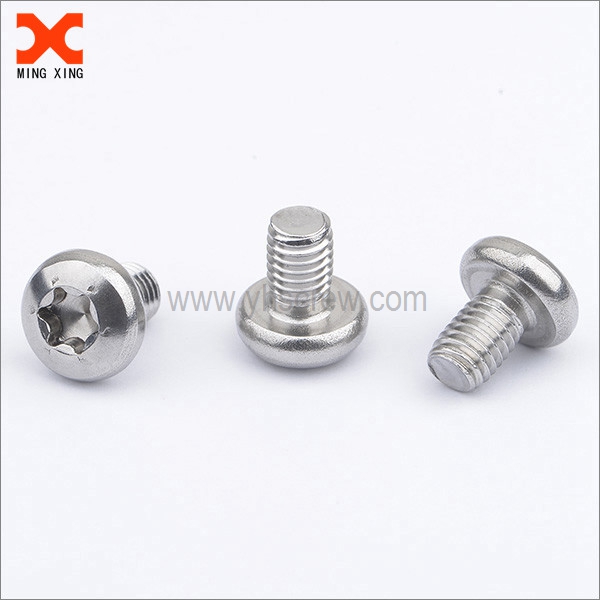
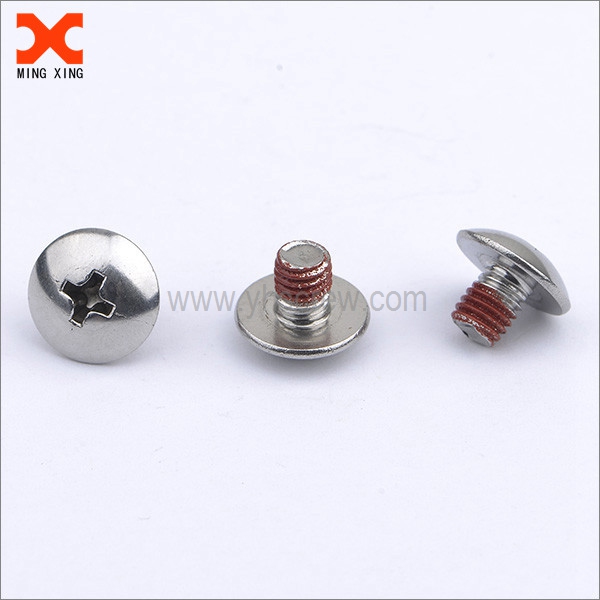
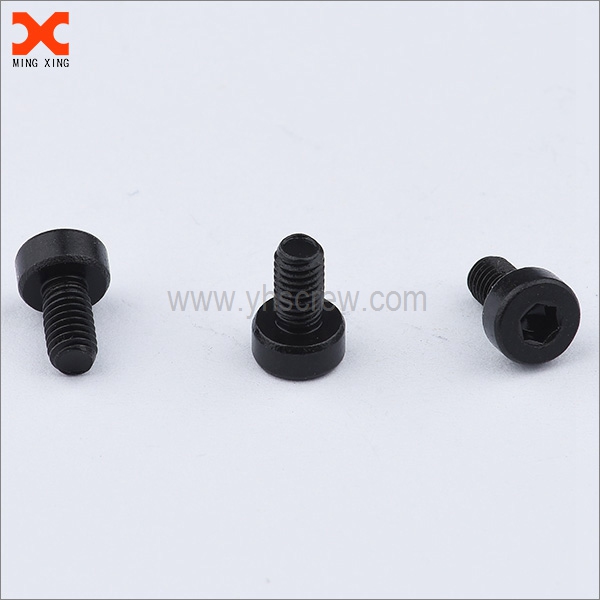
We specialize in the One Way Machine Screw, crafted for dependable performance in OEM assemblies and by Suppliers who demand nothing but the best. We design and stock this fastener to provide unidirectional fastening that resists loosening from vibration, while offering easy installation and removability when needed. Our version comes in stainless steel and carbon steel variants, with head styles and thread pitches aligned to common OEM specs, ensuring smooth integration with existing tools and processes. We pay attention to corrosion resistance, load capacity, and consistent thread engagement so you can reduce rework and downtime. For OEM projects or as a reliable supplier, we tailor packages—short runs or bulk orders—and provide technical support and documentation. If you want fast delivery and dependable performance, let’s talk about your One Way Machine Screw requirements today.

Hot Selling Product

One Way Machine Screw Is The Best Stands Out

One Way Machine Screws stand out for installation efficiency and tamper resistance. They are designed to be driven in one direction, delivering secure joints that resist loosening under vibration. Ideal for electronics enclosures, appliances, automotive assemblies, and outdoor gear, they reduce assembly steps while improving security. Available in materials like stainless steel and alloy steel, with finishes such as zinc plating, black oxide, or passivation to meet corrosion and environmental needs. Global buyers seek consistent quality, scalable production, and reliable logistics. Choose parts with clear material data, traceability, and compliant packaging. Check lead times, minimum orders, and options for drive profiles and head styles. A dependable supplier offers pre shipment inspections, regulatory documentation, and responsive service to keep multi-region procurement smooth and efficient.

{ One Way Machine Screw Is The Best Stands Out}

ID Diameter (mm) Thread Pitch (mm) Length (mm) Head Type Drive Type Material Finish Standard Tensile Strength (MPa) One-Way Typical Applications
A-01 3.0 0.50 8 Pan Head Slotted Stainless Steel 304 Zinc Plated DIN 7985 520 Yes Electronics enclosure assembly
A-02 4.0 0.70 12 Pan Head Slotted Carbon Steel Black Oxide DIN 7985 550 Yes Appliance chassis
A-03 5.0 0.80 16 Button Head Hex Socket Alloy Steel Zinc Plated ISO 7380 600 Yes Industrial equipment
A-04 6.0 1.00 20 Socket Head Cap Hex Socket Stainless Steel 304 Passivated ISO 4762 700 Yes Heavy machinery panels
A-05 8.0 1.25 25 Socket Head Cap Hex Socket Alloy Steel Zinc Plated ISO 4762 850 Yes Automotive panel harness
A-06 3.0 0.50 10 Button Head Hex Socket Stainless Steel 316 Satin ISO 7380 520 Yes Precision equipment
A-07 6.0 1.00 12 Pan Head Slotted Stainless Steel 304 Zinc Plated DIN 7985 520 Yes Electrical panel assembly

Related Products

banner (3)

One Way Machine Screw Factory Where Service Meets Innovation

New Data Dimension: Throughput vs Innovation Over Time

A line chart is presented here to illustrate how two data dimensions—production throughput and an innovation index—develop over a 12-month period in a hypothetical one-way machine screw factory that emphasizes service and innovation. The left y-axis reflects throughput in units produced per month, ranging from 100 to 230, capturing operational performance, uptime, and changeover efficiency. The 0–100 innovation index, although not directly plotted on a separate axis, informs the context for the blue throughput line and the orange innovation line, which together help visualize the relationship between process improvements and production capacity. From January to April, throughput increases as new equipment is installed and initial efficiency gains are realized. A minor dip in May corresponds to planned maintenance and shift adjustments, followed by a renewed uptrend through August and a peak toward December as automation and standardized processes mature. The innovation index climbs gradually, with accelerated gains mid-year as R&D efforts yield practical improvements, then stabilizes at higher levels toward year-end. The two lines show a positive association: periods of higher innovation activity tend to align with stronger throughput, though the increase in throughput does not perfectly track innovation momentum every month—external factors such as supplier lead times, training cycles, and component availability introduce lag and variability. This visualization emphasizes a dual-mmetric approach: operational output (throughput) and developmental capability (innovation) together, enabling managers to assess how technical advancements convert into tangible production benefits. The synthetic data are crafted to resemble realistic seasonal and strategic patterns in manufacturing, providing a framework for scenario analysis. For practitioners, expanding the chart with additional series (quality, on-time delivery, maintenance hours), adding confidence intervals, or correlating with external inputs can yield deeper insights. The key takeaway is the balanced emphasis on improving both what is produced and how it is produced, guiding decisions on capital investment, process experimentation, and workforce development to sustain service levels while enlarging capacity.

Top Selling Products