

O Ring Self Sealing Screws - China Manufacturer
From China, I’m a Manufacturer who understands the needs of B2B buyers. My O Ring Self Sealing Screws are engineered for quick, leak-free assembly in automotive, hydraulic, and industrial equipment. You’ll appreciate tight tolerances, robust corrosion resistance, and a true seal thanks to the integrated o-ring that compresses under torque. I offer these screws in multiple materials and sizes, with customizable O-ring compounds to suit your fluids and temps. Ordering is simple for bulk production runs, with consistent lot traceability and fast lead times. I design and test every batch to ensure compatibility with standard fastener holes and prevailing seal standards, so you save time on assembly and reduce warranty claims. If you're sourcing from a China-based Manufacturer who can provide documentation, certifications, and scalable supply, I’m ready to partner and deliver dependable seals that keep your systems leak-free under pressure.


O Ring Self Sealing Screws Manufacturer From Concept to Delivery
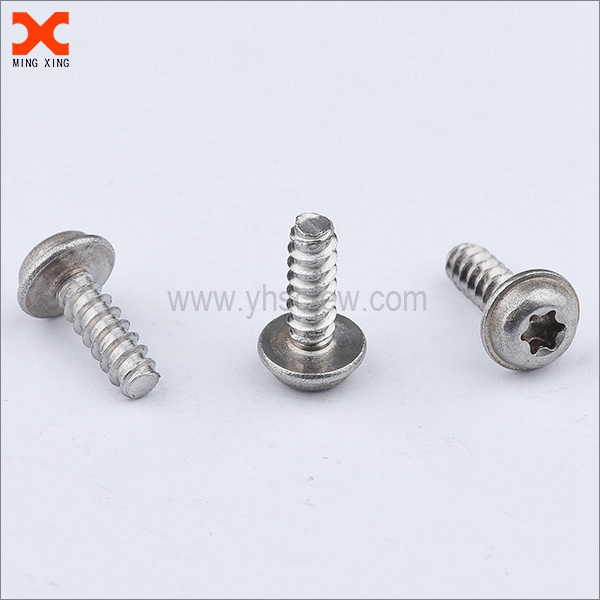
From a concept to a finished part, O-ring self-sealing screws combine mechanical fastening with built-in sealing to keep joints dry and dust-free in harsh environments. The design typically integrates an elastomer O-ring seated in a groove near the thread, compatible head styles, and corrosion-resistant materials such as stainless steel or coated alloys. Applications span automotive, electronics, outdoor equipment, and marine hardware, where reliable sealing and easy maintenance are critical. Turning concept into delivery requires close collaboration across engineering, tooling, and manufacturing. Early stages focus on material choice, O-ring hardness, gland shape, and torque requirements, followed by rapid prototyping and sealing tests. In production, precision machining, controlled molding or insert processes, and rigorous quality control ensure consistency. A global supplier should offer scalable quantities, customizable dimensions, certifications, stable lead times, and secure packaging, with reliable logistics to meet diverse project schedules.
O Ring Self Sealing Screws Manufacturer From Concept to Delivery
| Variant | Thread Size | Head Type | O-Ring Material | O-Ring Size (ID x CS) mm | O-Ring Shore (A) | Temp Range (°C) | Sealing Pressure (bar) | Fluid Compatibility | Lead Time (days) | Certifications |
|---|---|---|---|---|---|---|---|---|---|---|
| A1 | M6 x 1 | Pan Head | NBR | 12.0 × 2.0 | 70 | -40 to 120 | 20 | Water, Hydraulic Oil | 12 | RoHS, REACH, ISO 9001 |
| B2 | M8 x 1.25 | Hex Socket | FKM | 15.9 × 2.2 | 75 | -55 to 180 | 25 | Fuels, Hydraulic Oils | 15 | RoHS, REACH, ISO 9001 |
| C3 | M6 x 1.0 | Button Head | EPDM | 11.9 × 1.8 | 60 | -40 to 100 | 15 | Water, Steam | 9 | RoHS, ISO 9001 |
| D4 | M10 x 1.5 | Hex Head | NBR | 20.0 × 2.0 | 75 | -30 to 140 | 30 | Oils, Lubricants | 18 | RoHS, REACH, ISO 9001 |
| E5 | M4 x 0.7 | Torx Socket | FKM | 7.5 × 1.5 | 70 | -50 to 150 | 28 | Hydrocarbons, Air | 11 | RoHS, REACH, ISO 9001 |
Related Products

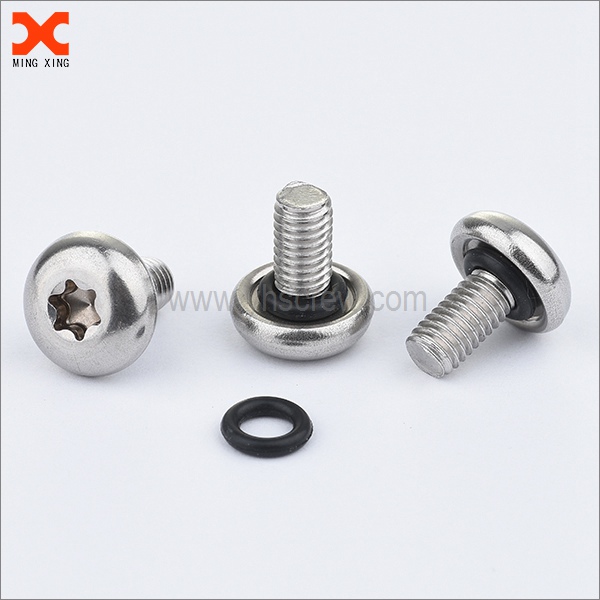


O Ring Self Sealing Screws Ahead of the Curve Supplies the World\u2019s Top Brands
Top Selling Products


- Related Blog
- Reviews
- Reviews

-

Phone
-

E-mail
-

Whatsapp
-

WeChat

-

Top


