

Male and Female Standoffs Spacer - China Manufacturer
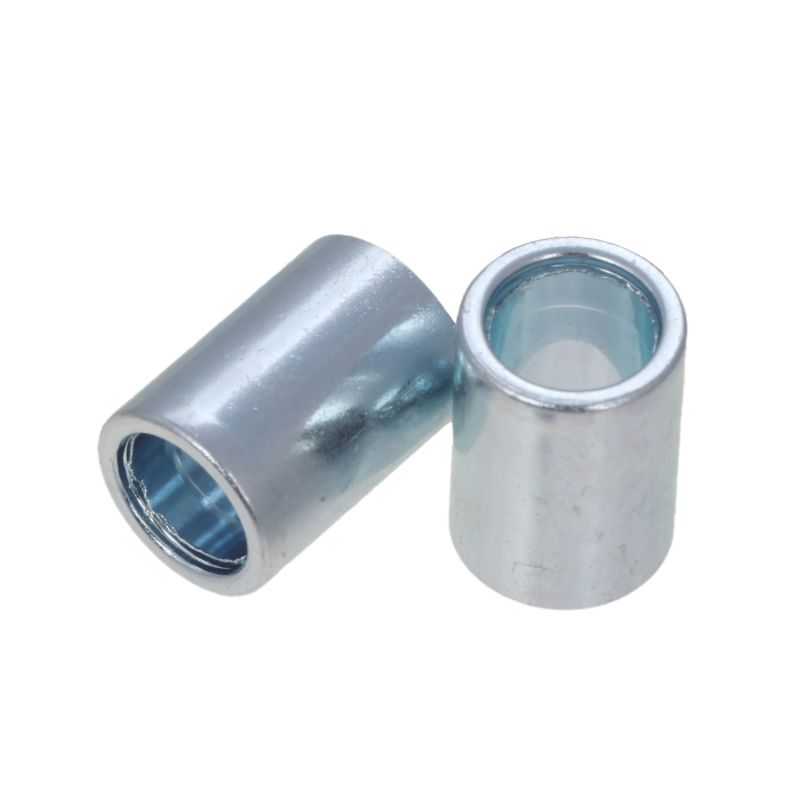
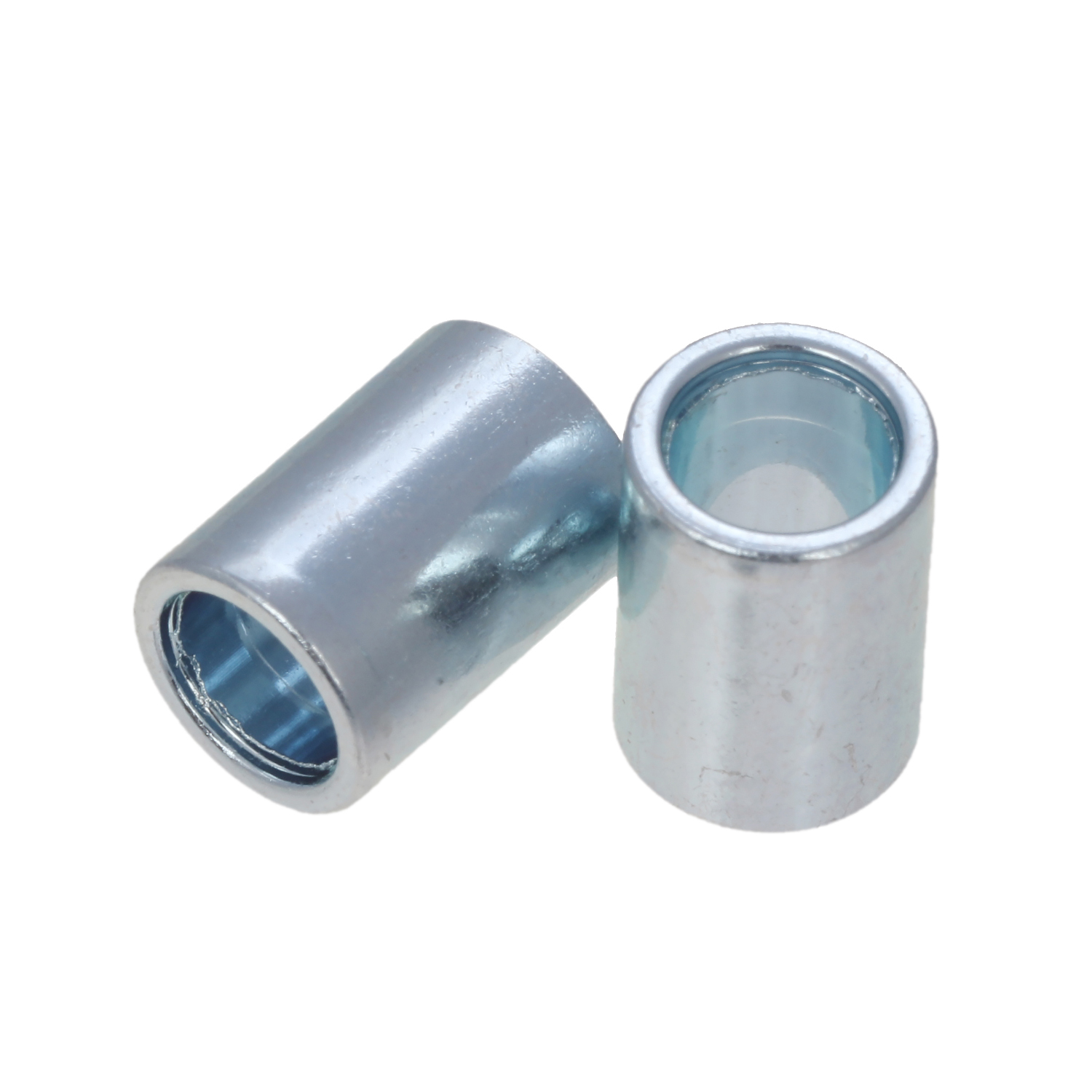
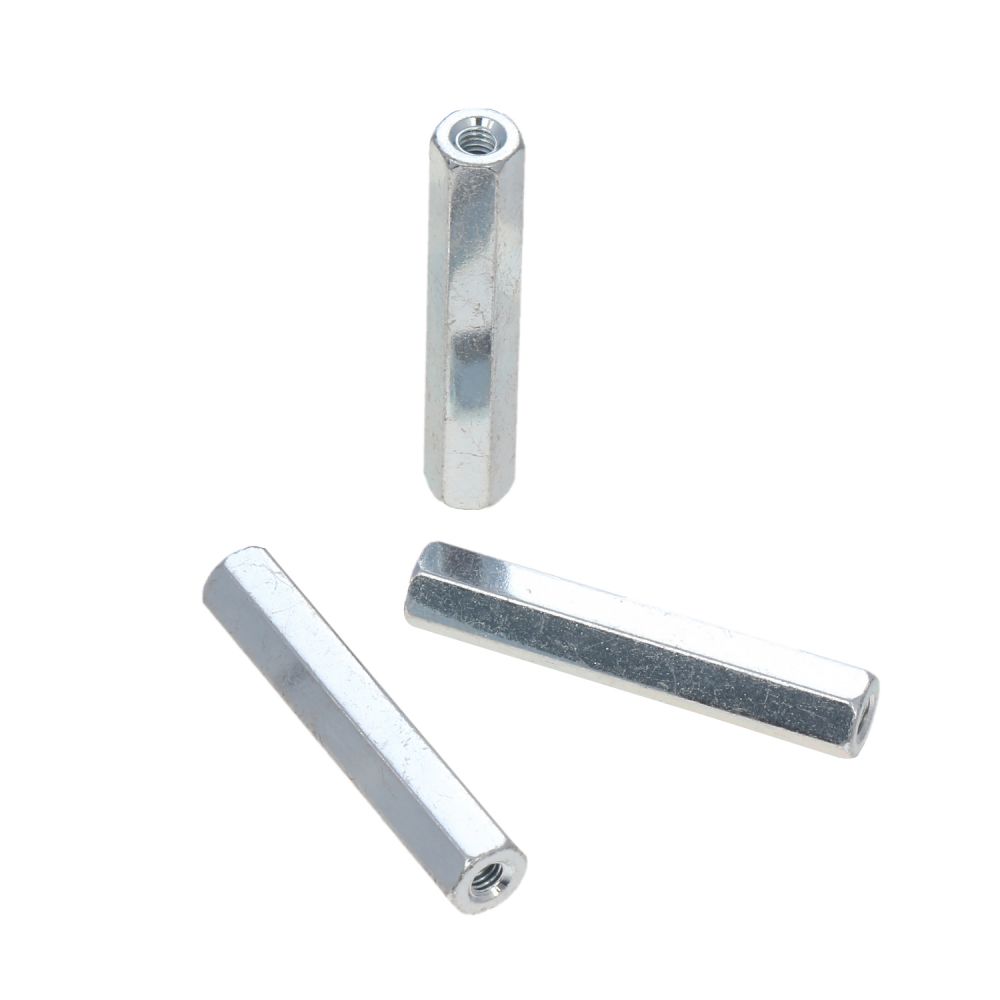
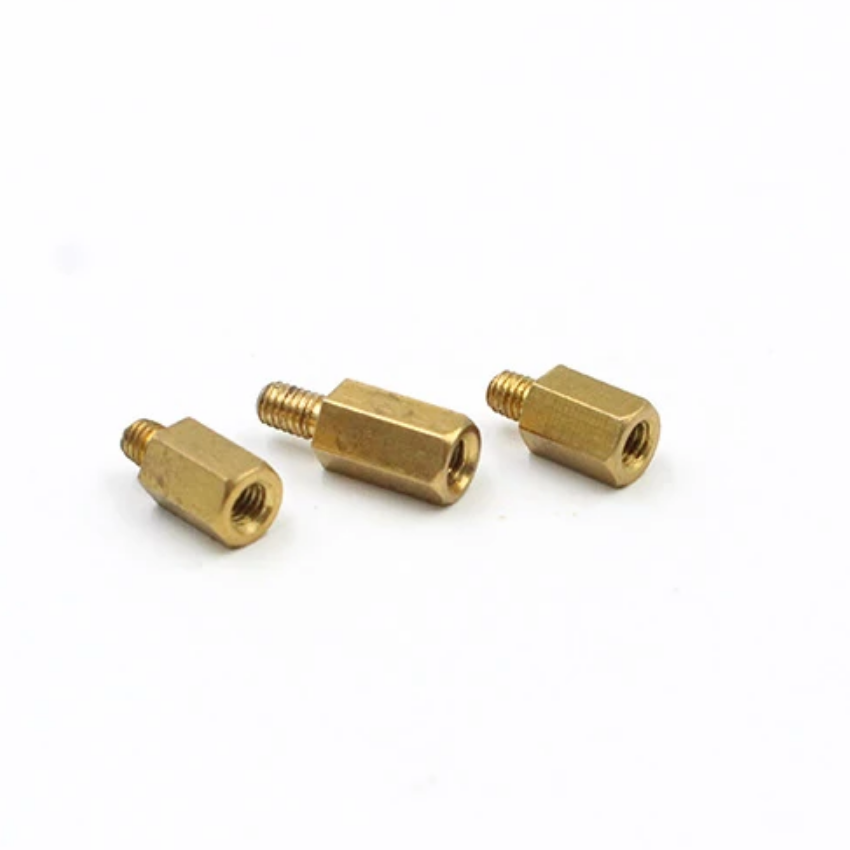
As a China-based manufacturer, I supply the Male and Female Standoffs Spacer to engineers and procurement teams who demand precision and dependable performance. I design and stock both male and female variants in a range of materials—stainless steel, aluminum, brass—and finishes to suit your assembly needs. Whether you’re building electronics, enclosures, or lighting fixtures, these standoffs spacer pairs provide clean mounting, accurate spacing, and robust support. I offer tight tolerances, quick lead times, and scalable quantities from small trials to large production runs. Custom lengths, thread options, and finish treatments are available, with a straightforward quote process and rapid samples. Packaging can be tailored for warehouse handling and automation lines. Based in China, I understand global buying habits and can align manufacturing capacity with your demand forecasts. If you’re seeking a trusted supplier who delivers consistent quality and value, I’m here to help you simplify sourcing for the Male and Female Standoffs Spacer.



Male and Female Standoffs Spacer in 2025 For the Current Year
In 2025, male and female standoff spacers continue to streamline electronics assembly. A single part with a male thread on one end and a female thread on the other reduces parts and speeds installation for PCBs, enclosures, and panels. Materials include stainless steel for strength, aluminum for lightness, and engineering plastics for insulation. Typical threads cover metric M2–M6 and imperial 4-40 or 6-32, with lengths from a few millimeters to several centimeters. Finishes such as zinc, nickel, or passivation tailor corrosion resistance and appearance. For global buyers, key considerations are tolerances, finishes, and compliance. Look for suppliers with broad length and thread options, clear quality data, and RoHS/REACH certificates. Ensure reliable lead times, scalable production, and safe packaging for international shipping. Custom lengths, plating, or materials are common; confirm minimums and pricing. A capable supplier will provide traceable batch data and support design tweaks to meet your supply chain needs in 2025 and beyond.
| Category | Material | Thread Size | Body Diameter (mm) | Length (mm) | Finish | Application | Standards | Temperature Range (°C) | Lead Time (days) | Demand Index (2025) |
|---|---|---|---|---|---|---|---|---|---|---|
| Male Standoff | Stainless Steel 304 | M3 x 0.5 | 4.2 | 6.0 | Satin | Electronics / PCB mounting | ISO Metric M3 | -40 to 120 | 12 | 75 |
| Female Standoff | Aluminum 6061-T6 | M3 x 0.5 | 4.0 | 8.0 | Anodized Black | Electronic enclosures | ISO Metric M3 | -20 to 105 | 9 | 68 |
| Dual-Ended Standoff | Stainless Steel 304 | M4 x 0.7 / M3 x 0.5 | 5.0 | 15.0 | Passivated | Fixture and test rigs | ISO Metric (M4 / M3) | -40 to 120 | 14 | 80 |
| Male Standoff | Nylon 6/6 | M2.5 x 0.45 | 3.2 | 5.5 | Natural | Internal electronics | ISO Metric M2.5 | -30 to 80 | 7 | 50 |
| Female Standoff | Stainless Steel 316 | M4 x 0.7 | 6.0 | 9.0 | Passivated | Automotive assemblies | ISO Metric M4 | -60 to 160 | 11 | 77 |
| Dual-Ended Standoff | Aluminum 6063 | M2 x 0.4 / M2.5 x 0.45 | 3.6 | 10.0 | Anodized Silver | PCB mounting | ISO Metric | -20 to 85 | 8 | 60 |
| Male Standoff | Stainless Steel 304 | 6-32 x 1.0 | 4.5 | 7.5 | Bright Nickel | Electronics enclosures | UNF 6-32 | -40 to 105 | 12 | 72 |
| Female Standoff | Bronze | 8-32 x 1.0 | 5.5 | 6.5 | Chrome Plated | Audio equipment | UNF 8-32 | -20 to 120 | 13 | 58 |
| Dual-Ended Standoff | Stainless Steel 316 | M5 x 0.8 / M3 x 0.5 | 7.0 | 14.0 | Satin | Heavy machinery | ISO Metric | -40 to 140 | 16 | 82 |
| Male Standoff | Aluminum 7075 | M6 x 1.0 | 7.0 | 9.5 | Anodized Red | Aerospace assemblies | ISO Metric M6 | -55 to 150 | 20 | 90 |
| Female Standoff | Titanium Ti-6Al-4V | M8 x 1.25 | 9.0 | 11.0 | Bead Blast | Medical devices | ISO Metric M8 | -150 to 400 | 30 | 65 |
| Dual-Ended Standoff | Plastic PEEK | 4-40 / 8-32 | 3.8 | 6.0 | Natural | Prototyping / 3D assembly | UN/ISO | -40 to 160 | 5 | 55 |
Related Products




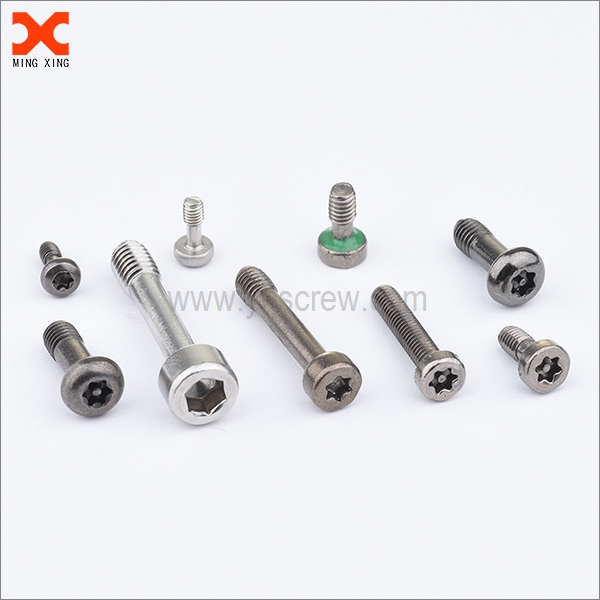

Male and Female Standoffs Spacer Stands Out Outperforms the Competition
Top Selling Products


- Related Blog
- Reviews
- Reviews

-

Phone
-

E-mail
-

Whatsapp
-

WeChat

-

Top


