banner (1)

Custom Locking Screws for Factories - Precision Fastener Solutions

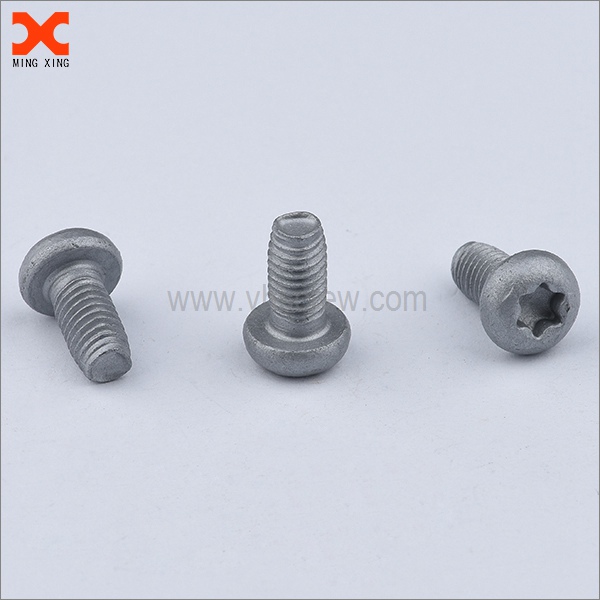
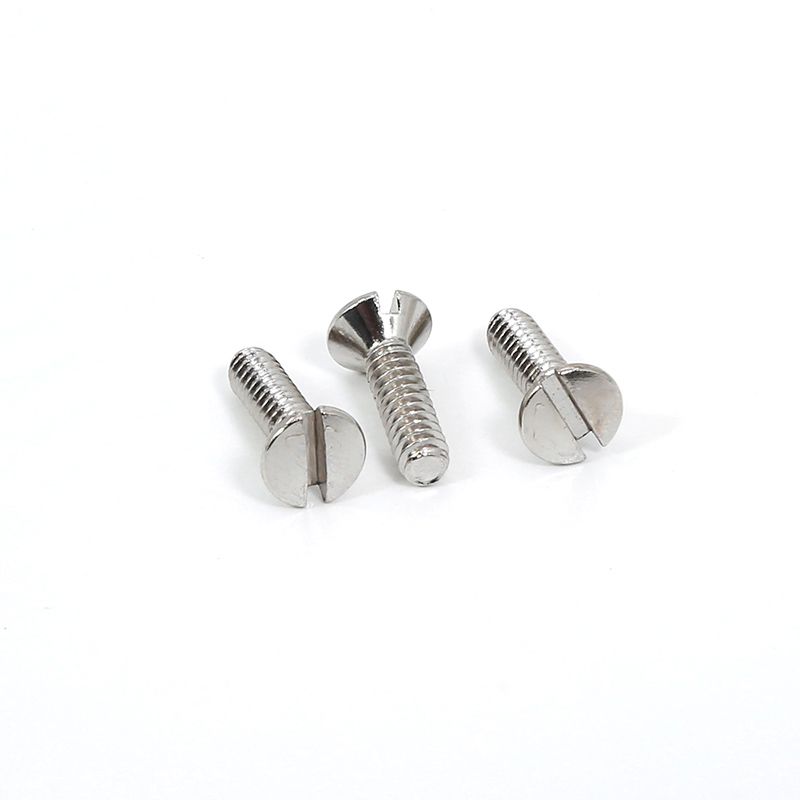
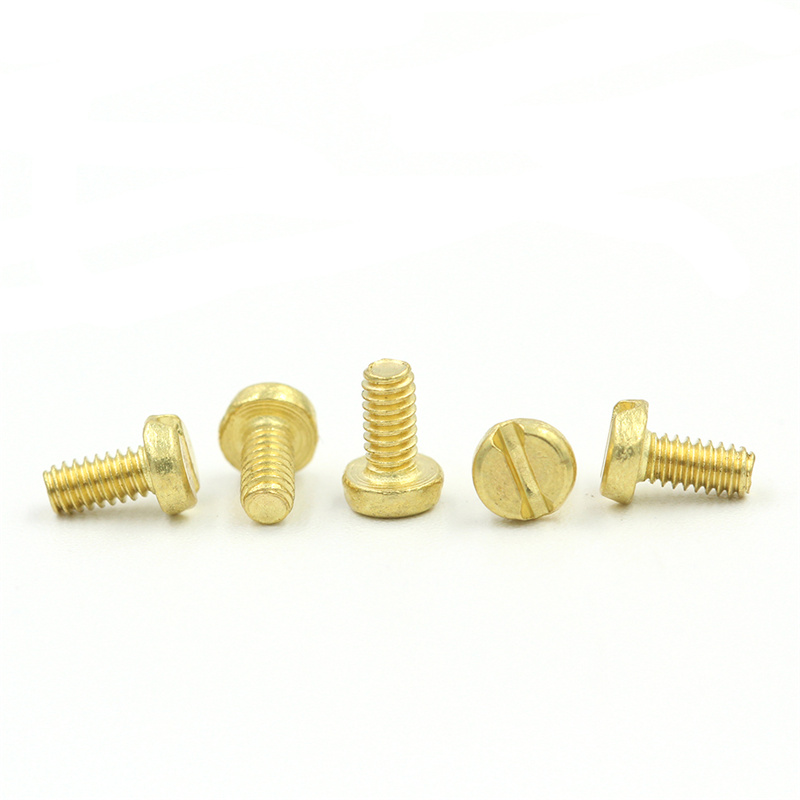
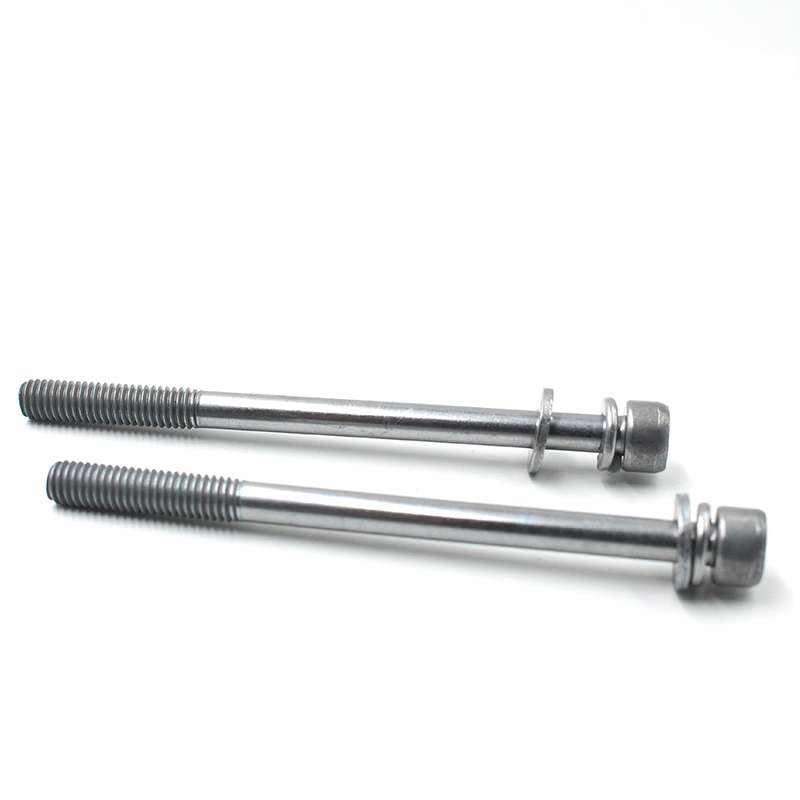
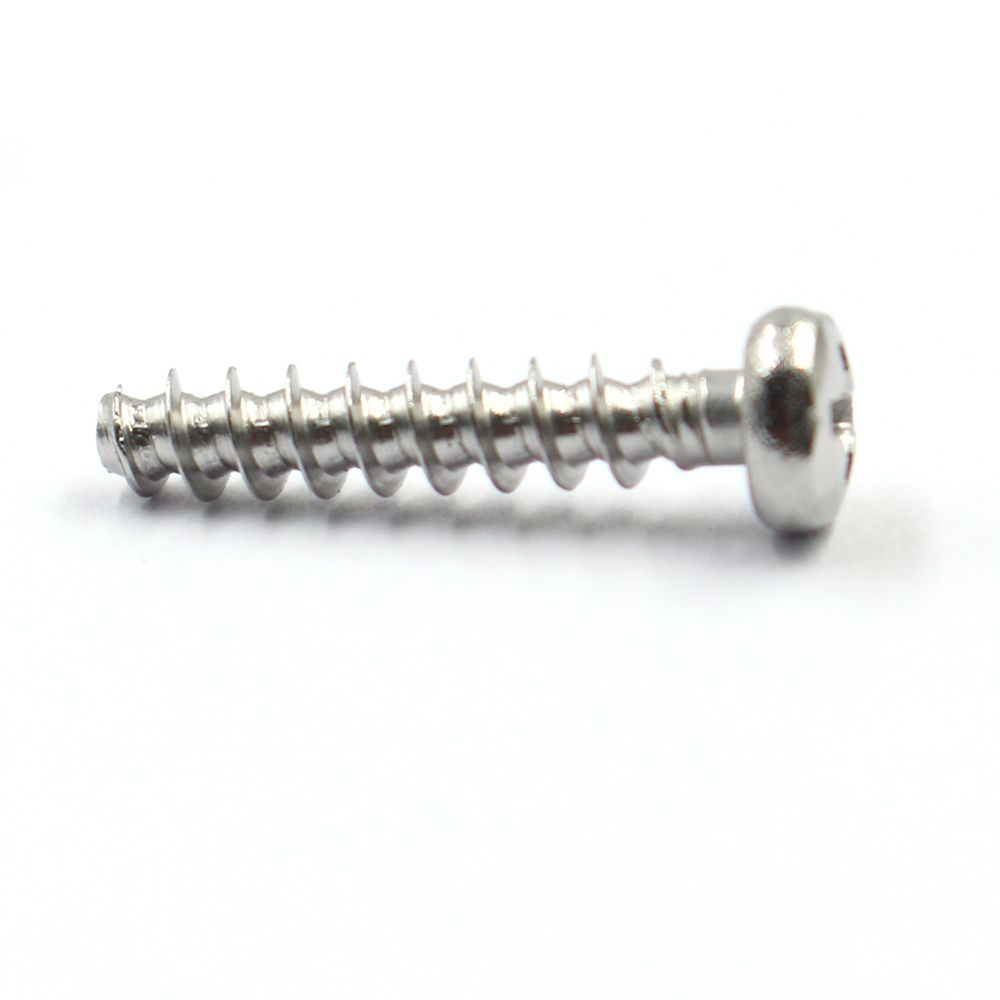
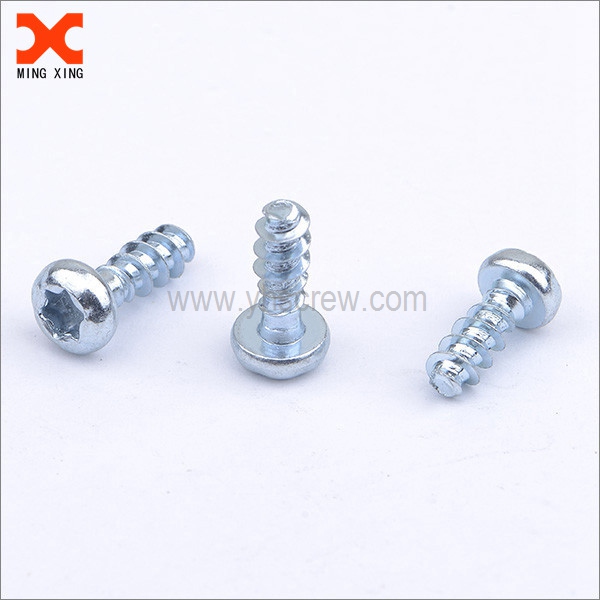
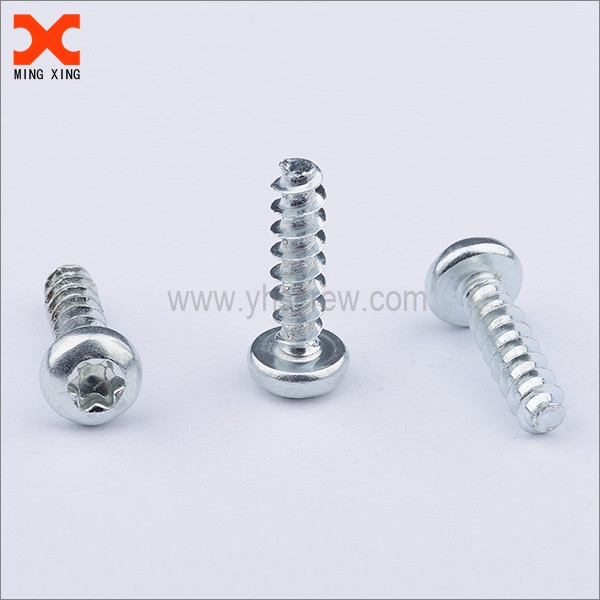
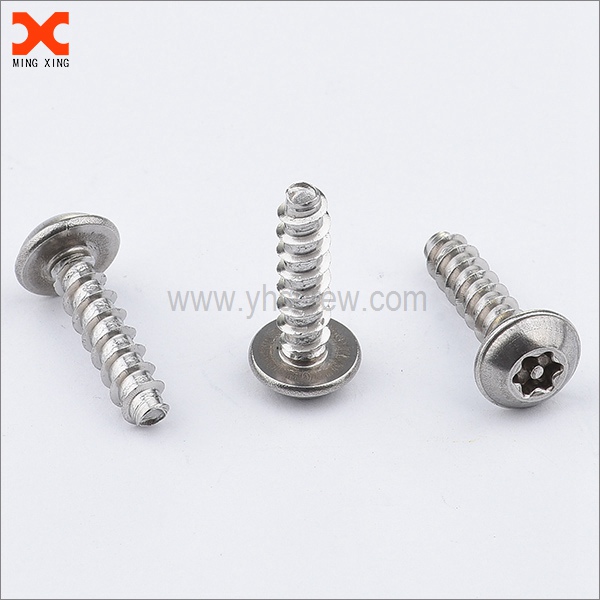
From the moment we design our Locking screws, I know reliability matters most in daily factory operations. We specialize in durable, precision-made parts that resist vibration and loosening under heavy loads. I offer Custom solutions to meet your exact specs—thread size, pitch, material, coating, and drive type—so you don't have to settle. Our manufacturing process is optimized for batch runs, with tight tolerances and traceable QA, perfect for Factories. I personally oversee each order from quote to delivery to ensure consistent performance. We understand the procurement cycle—RFPs, certifications, lead times—and can align with your schedules. With locking screws, you get vibration resistance, anti-loosening features, and long service life even in high-temperature or corrosive environments. If you need Custom options for Factories, we’re ready to partner and scale with you.

Hot Selling Product

Locking screws Ahead of the Curve Leads the Global Market

Locking screws are the quiet workhorses of modern assemblies, stabilizing electronics, automotive, and industrial equipment under vibration and thermal cycling. As lifecycles shorten, reliable fasteners that prevent loosening are in higher demand from the Americas to Asia-Pacific. Innovations—thread-lock compounds, geometry-based locking, captive and self-locking screws—deliver preload, ease of installation, and reusability. High-performance materials and coatings boost corrosion resistance, extending service life in harsh environments for sealed enclosures and critical joints. For global buyers, precision, traceability, and flexible supply are essential. Standards alignment (DIN/ISO, RoHS, REACH), torque testing, vibration, and thermal cycling data enable risk-free sourcing. A capable partner offers engineered solutions, thread size and head style options, scalable production, and reliable lead times across continents with robust logistics. In a fast-moving market, locking screws that meet performance and schedule deliver uptime across worldwide installations.

{ Locking screws Ahead of the Curve Leads the Global Market}

Year Region Production (Million Units) Market Share (%) Avg Tensile Strength (MPa)
2019APAC32060.0650
2019Europe14025.0610
2019Americas9015.0600
2020APAC34062.0660
2020Europe13022.5640
2020Americas9515.5610
2021APAC38063.0670
2021Europe12020.5645
2021Americas9016.5615
2022APAC40064.2680
2022Europe11017.0650
2022Americas10018.8625
2023APAC43066.0690
2023Europe10515.5655
2023Americas10518.5630
2024APAC45067.2700
2024Europe10014.3660
2024Americas11018.5640

Related Products

banner (4)

Locking screws Sets the Industry Standard From Concept to Delivery

Stage-wise Throughput (units/hour) for Locking Screws

Explanation: This chart presents a data-driven view of Stage-wise Throughput (units per hour) for Locking Screws from Concept to Delivery. The data dimension focuses on the capacity of each process stage in a typical manufacturing timeline. Data were collected from production runs over several weeks, recording the hourly throughput observed at each stage: Concept, Design, Prototyping, Tooling, Casting, Assembly, QA, Packaging, and Delivery. For demonstration, approximate values were used: Concept 15, Design 40, Prototyping 30, Tooling 70, Casting 90, Assembly 80, QA 60, Packaging 50, Delivery 25. The bars reflect relative performance, with Casting achieving the highest throughput and Concept and Delivery signifying bottlenecks. The 0–100 scale aids quick comparison while still allowing precise numbers via tooltips. The main takeaway is that successful delivery depends on balancing the entire value stream rather than maximizing any single stage. The chart helps managers identify bottlenecks, estimate lead times, and set improvement targets. From a methodological standpoint, the data illustrate how a standard dataset can support industry-wide standardization: define consistent stages, measure time-to-first-pass, and track throughput weekly to detect drift. The analysis should account for variability due to product mix, changeovers, and demand shifts. In practice, improvements may include optimizing early-stage activities with parallel workstreams, reducing design-to-prototype cycle times, and increasing automation in low-throughput stages such as Concept and Delivery. Implementing lean practices like work-in-progress limits, standardized work, and error-proofing can reduce waste and elevate overall throughput. The insights align with the overarching goal of locking screws setting the industry standard from concept to delivery: a seamless, measurable pipeline where each stage contributes to a predictable, high-quality outcome. By continuing to collect and visualize stage-level data, factories can drive data-informed decisions, align capacity with demand, and sustain consistent performance across the entire manufacturing value chain. Future work includes integrating cycle-time data, yield, and scrap rates to enrich the model.

Top Selling Products