banner (1)

Hex Socket Machine Screws for OEM and Suppliers – Durable Fasteners

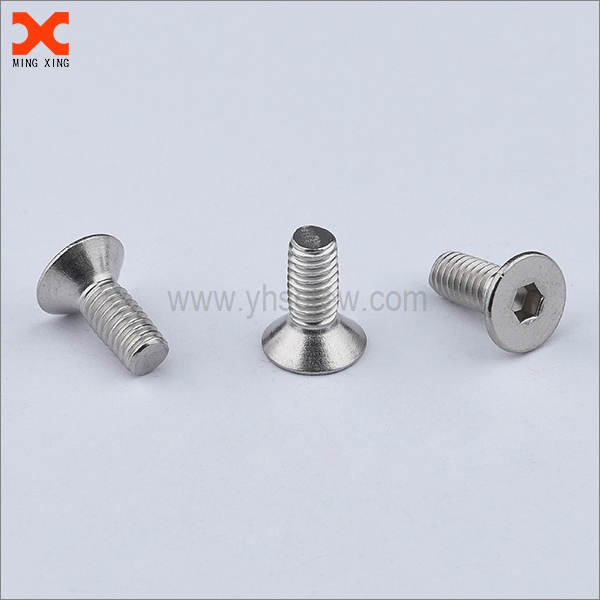
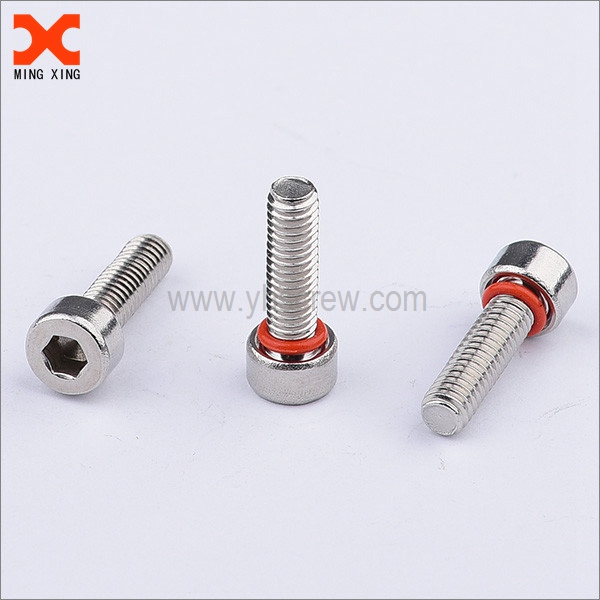
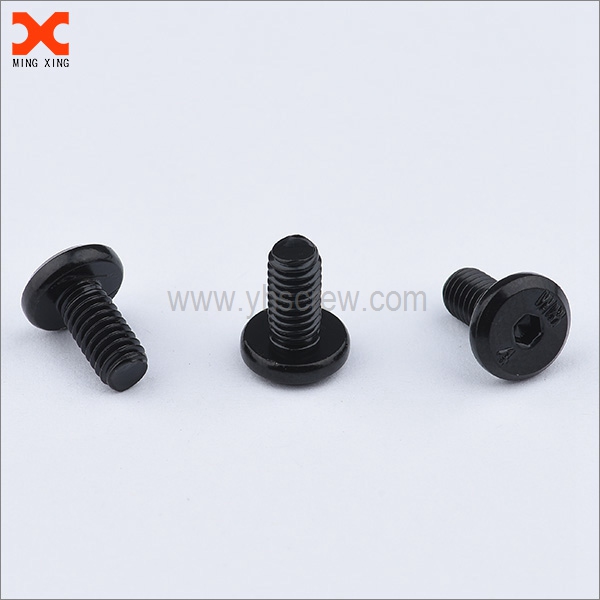
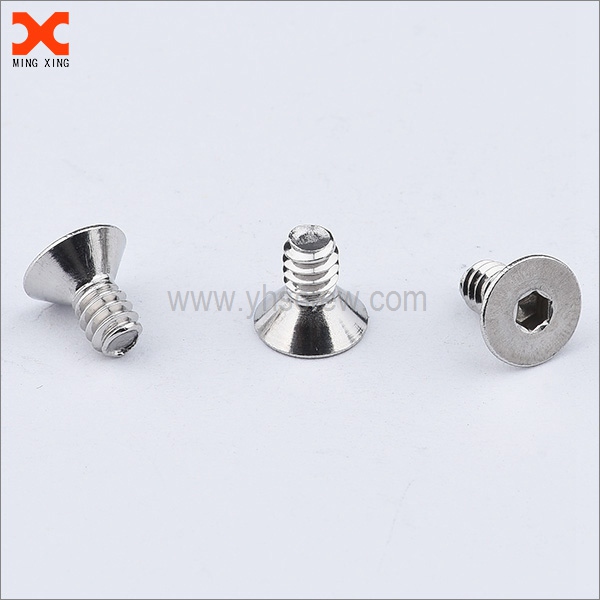
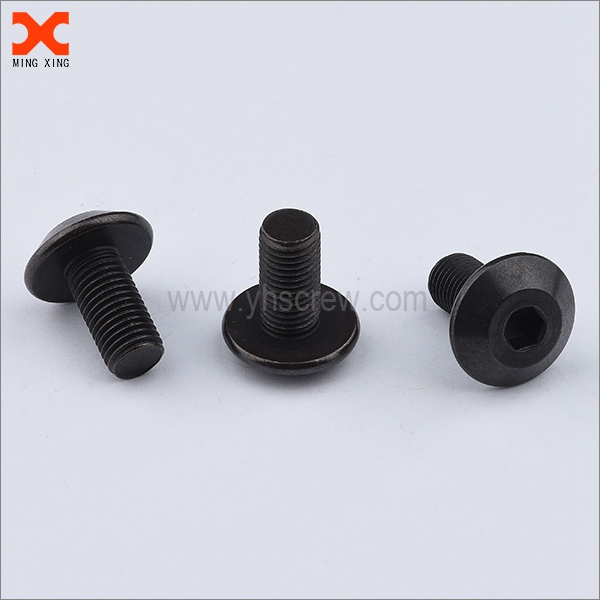
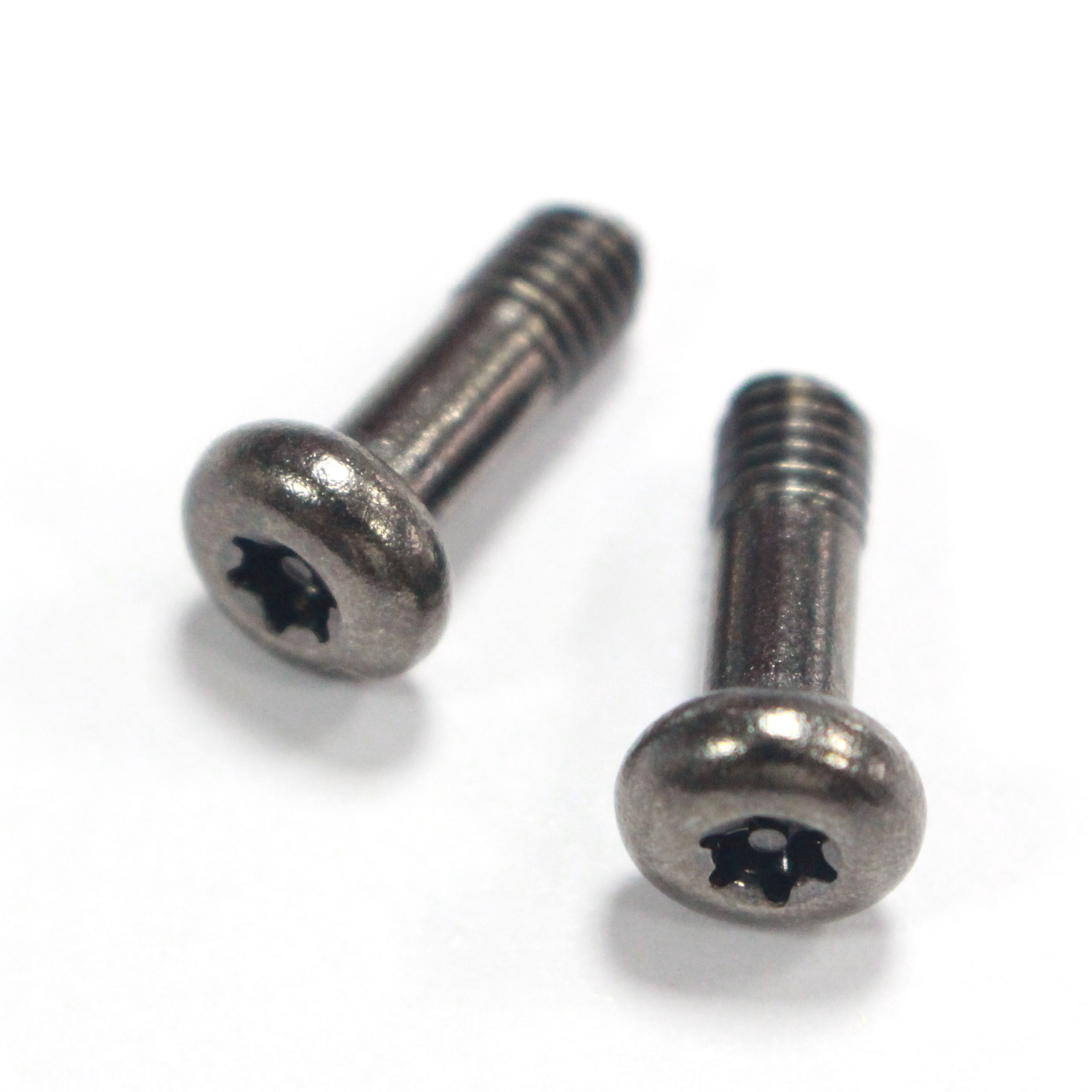
We stock Hex Socket Machine Screws designed for reliable performance in manufacturing and assembly lines. As an OEM and supplier, we know that consistency matters, so we offer tight tolerances, uniform head drive recess, and thread engagement that resists galling. Materials include alloy steel and stainless steel (A2- or A4-series), with finishes like black oxide or zinc plating to suit demanding environments. Sizes range from M3 to M12 and inch equivalents, with grip lengths matched to your flange and panel thickness. We provide grade 8.8, 10.9 and stainless options for high strength, plus corrosion resistant variants for outdoor or washdown areas. Our Hex Socket Machine Screws come in bulk packs and can be customized with pre-tapped holes, coatings, or packaging to streamline your supply chain. We strive to deliver on-time with transparent pricing, so you can source confidently as OEMs and other Suppliers. Reach out for samples, spec sheets, and flexible MOQ.

Hot Selling Product

Hex Socket Machine Screws Pioneers in the Field Sets the Industry Standard

Hex socket machine screws have become the heartbeat of modern assemblies, delivering secure clamping under vibration, high torque, and long service life. Pioneers in the field have set the industry standard by emphasizing dimensional accuracy, consistent thread quality, and reliable heat treatment. Global buyers increasingly expect compliance with DIN 912 or ISO 4762 specifications, along with reliable surface finishes such as zinc plating, black oxide, or passivation, to ensure performance across harsh environments. For international procurement, sourcing partners must offer wide material options (alloy steel, stainless steel A2, A4), traceability, and quality control from raw material to finished part. Leading manufacturers in the region leverage in-house labs, ISO 9001 processes, RoHS/REACH compliance, and tight pack-to-delivery controls to shorten lead times and reduce risk. They provide customization in dimensions, thread pitches, and finishes, flexible packaging, and sustainable practices, helping buyers build resilient supply chains worldwide.

{ Hex Socket Machine Screws Pioneers in the Field Sets the Industry Standard}

Size Length (mm) Material Finish Head Style Drive Type Tensile Strength (MPa) Standard
M3 x 6 6 A2 Stainless Steel (304) Satin Passivated Socket Head Cap Screw Hex Socket 520–750 ISO 4762
M4 x 8 8 A2 Stainless Steel (304) Passivated Socket Head Cap Screw Hex Socket 520–750 ISO 4762
M5 x 12 12 A4 Stainless Steel (316) Passivated Socket Head Cap Screw Hex Socket 560–800 ISO 4762
M6 x 16 16 Alloy Steel (Grade 10.9) Zinc Plated Socket Head Cap Screw Hex Socket 800–1000 ISO 4762
M8 x 25 25 A2 Stainless Steel (304) Satin Socket Head Cap Screw Hex Socket 520–720 ISO 4762
M10 x 30 30 Alloy Steel (Grade 12.9) Black Oxide Socket Head Cap Screw Hex Socket 880–1050 ISO 4762
Data columns describe size, length, material, finish, head style, drive type, mechanical strength, and standard for hex socket machine screws.

Related Products

banner (3)

Hex Socket Machine Screws Products Your End-to-End Solution

Data Dimension: Time-based Demand and Inventory Coverage by Screw Size

Hex Socket Machine Screws: Demand vs. Inventory Trend (12 Months)

This chart presents a 12-month view of demand and inventory for hex socket machine screws, illustrating a single data dimension: time-based performance by screw size category. The two lines show monthly demand (units) and available inventory (units), enabling a quick assessment of supply-demand balance and stock sufficiency over the year. From January to December, demand shows a general upward trend, rising from around 120–140 units to over 300–320 units in the final months, reflecting increasing production activity and market demand for this product category. Inventory grows more slowly, starting near 100 units and reaching around 260 units by December, resulting in a widening gap in several months and occasional potential stockouts if lead times are not reduced. The chart highlights periods where inventory nearly catches up to demand (mid-year) and intervals where demand outpaces supply (late-year months), suggesting the need for dynamic replenishment and tighter procurement planning. Several insights emerge: first, maintain a responsive forecasting process that accounts for size-specific demand volatility; second, adjust reorder points and safety stock by month to mitigate stockouts for high-demand sizes; third, consider supplier risk management and lead-time reduction strategies to narrow the gap; fourth, align production capacity with observed demand surges to avoid backorders; fifth, track this data alongside cost metrics to balance carrying costs with service levels. While the current data uses synthetic figures for demonstration, the pattern demonstrates how time-series charts reveal mismatches between demand and inventory and support decision-making across product management, supply chain, and operations teams. Future enhancements could incorporate size segmentation, lead-time variability, order quantities, and promotions to produce more prescriptive recommendations and improved inventory performance. Organizations may also integrate this chart with a dashboard that flags when the demand-to-inventory ratio exceeds a critical threshold, enabling proactive actions such as expedited shipping, supplier hedging, or temporary production ramp-ups.

Top Selling Products