banner (1)

Cylindrical head socket head screws for OEM & Suppliers - Premium

I help OEMs and suppliers secure Cylindrical head socket head screws for precise assembly and durable performance. With tight tolerances, corrosion resistant materials, and heat treatment options, my stock covers metric and inch sizes to fit your machinery, automotive, or electronics projects. I work directly with manufacturers to ensure consistent head style, driving tools, and thread pitches that keep your line moving. When you need fast delivery and competitive pricing, I offer MOQ flexibility, traceability, and batch-tested quality certificates. I can advise on passivation, coating choices (zinc, black oxide, ion-coated), and drive recess options to minimize tool wear. For OEMs and contract manufacturers looking for trusted Suppliers, I provide dependable sourcing, responsive support, and flexible payment terms. Let me help you simplify procurement, reduce stockouts, and improve assembly reliability with Cylindrical head socket head screws tailored to your specs.

Hot Selling Product

Cylindrical head socket head screws Factory-Direct Excellence Your End-to-End Solution

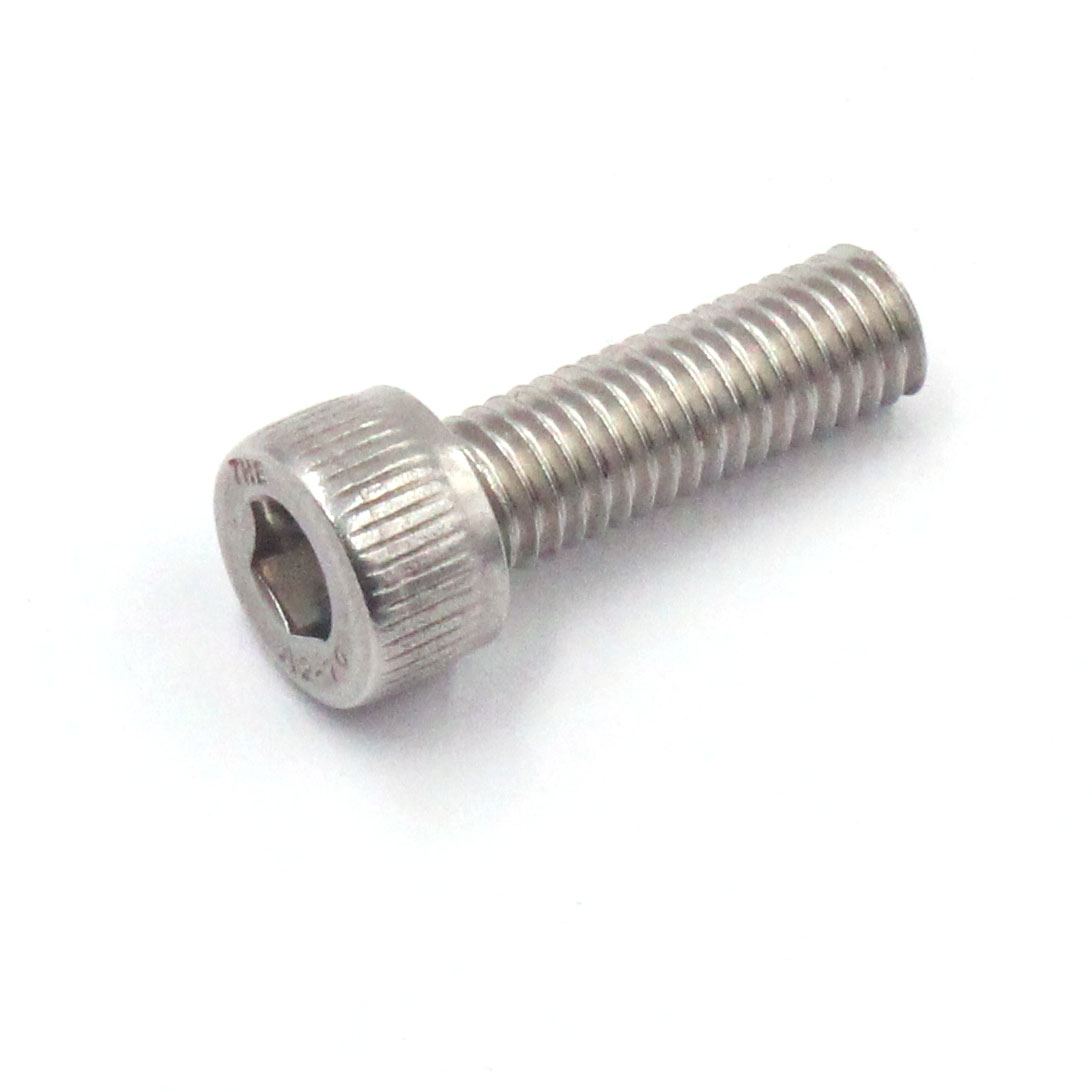
Cylindrical head socket head screws offer a compact profile with high torque and precise holding power, ideal for machinery, electronics, automation, and automotive assemblies. Factory-direct sourcing keeps prices competitive while ensuring consistent quality through controlled processes, standard material grades, and tight tolerances. From design to delivery, the end-to-end solution covers material selection (stainless and alloy steels), heat treatment, and surface finishes (zinc, black oxide, passivation). Customization is available for diameters, lengths, thread pitches, drive types, and head finishes. We provide rigorous quality control, certificates, and lot traceability, plus packaging and global logistics with flexible MOQs and staged shipments. Global buyers gain reliability from scalable production, clear lead times, and transparent performance metrics. With testing, standards compliance, and reliable after-sales support, this approach reduces risk and accelerates procurement. Share your specs to receive a tailored quote and sample program.

{ Cylindrical head socket head screws Factory-Direct Excellence Your End-to-End Solution}
Product Size Material Grade Thread Head Type Finish Tensile Strength MPa Hardness HRC Standard Application
SCS-04-16 M4 x 16 Stainless Steel A2 A2-70 M4 Cylindrical head Satin 550 28 ISO 4762, DIN 912 General machine assembly
SCS-05-20 M5 x 20 Alloy Steel 12.9 M5 Cylindrical head Black Oxide 900 40 ISO 4762 High-load structural assembly
SCS-06-25 M6 x 25 Alloy Steel 8.8 M6 Cylindrical head Zinc Plated 800 37 ISO 4762, DIN 912 Machinery components
SCS-08-30 M8 x 30 Stainless Steel A4 A4-70 M8 Cylindrical head Satin 700 35 ISO 4762 Automotive assemblies
SCS-10-40 M10 x 40 Alloy Steel 10.9 M10 Cylindrical head Black Oxide 980 46 ISO 4762 Heavy machinery mounting
SCS-12-50 M12 x 50 Alloy Steel 12.9 M12 Cylindrical head Zinc Plated 1050 50 ISO 4762 Heavy equipment frame

Related Products

banner (4)

Cylindrical head socket head screws Factory Is The Best

Data Dimension: Monthly Production Output by Cylindrical Head Socket Head Screw Size (Thousands of Units)

Analysis and Context

This dataset presents monthly production output by screw size in a facility specializing in Cylindrical Head Socket Head Screws. The chart uses a single dimension, the nominal size of the screw head (in millimeters), with the bar height representing thousands of units produced in a typical month. The goal is to illuminate capacity distribution across the common size range (3.5 to 6.0 mm) and to reveal patterns that might influence manufacturing planning, tool wear, and inventory strategy. The maximum bar occurs at 5.0 mm (approximately 22 thousand units), suggesting that this size aligns well with current tooling, cycle times, and demand mix. Mid-range sizes (4.0–4.5 mm) show solid throughput (15–18 thousand units), which often reflects a balance between production speed and quality control checks. The smallest and largest sizes show comparatively lower output (12 thousand and 9 thousand units, respectively), potentially due to tighter tolerances, raw material constraints, or customer mix. Data collection followed standard shop-floor reporting: each month’s production counted at line level, aggregated by screw size, and converted into thousands of units for readability. The visualization uses simple, color-coded bars to facilitate quick comparisons rather than precise numeric recall, acknowledging that actual output fluctuates with order demand, supplier delivery, and maintenance windows. Interpreting the results requires context: the factory that emphasizes best-in-class performance should probe whether low outputs for the 3.5 mm and 6.0 mm categories reflect planned throughput targets, product mix shifts, or quality issues. If demand grows in these sizes, investment in extrusion, finishing, and inspection processes may be warranted. Conversely, if 5.0–5.5 mm remain dominant, capacity should be scaled to accommodate incremental growth, while sustaining consistent quality. Overall, this chart provides a concise, monthly snapshot of how production resources are allocated across screw sizes and can guide improvements in process efficiency, inventory planning, and customer fulfillment.

Top Selling Products