banner (1)

Custom Seal Screw - China Manufacturer for Precision Fasteners

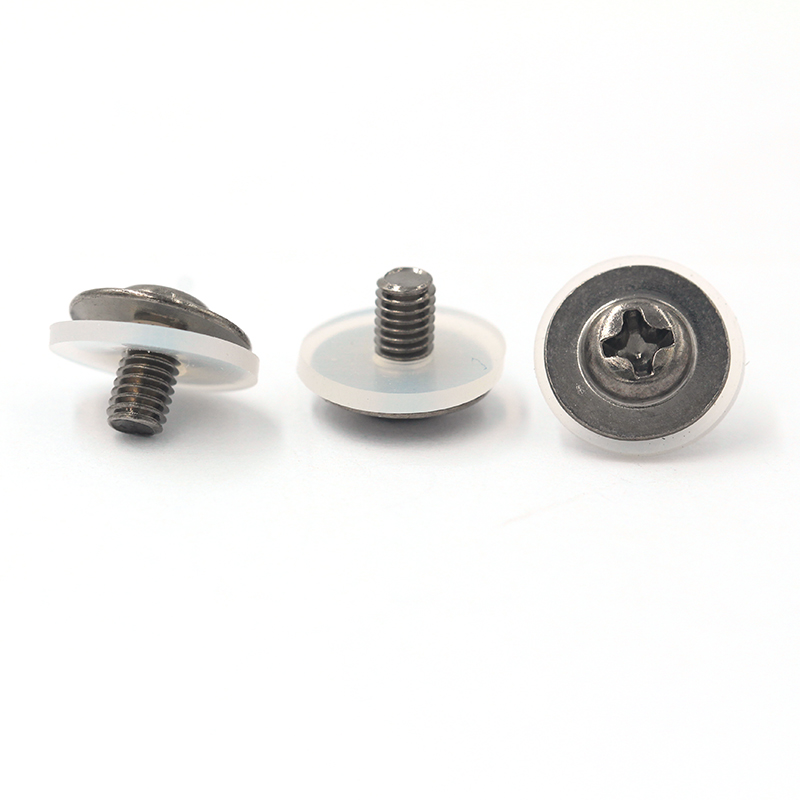
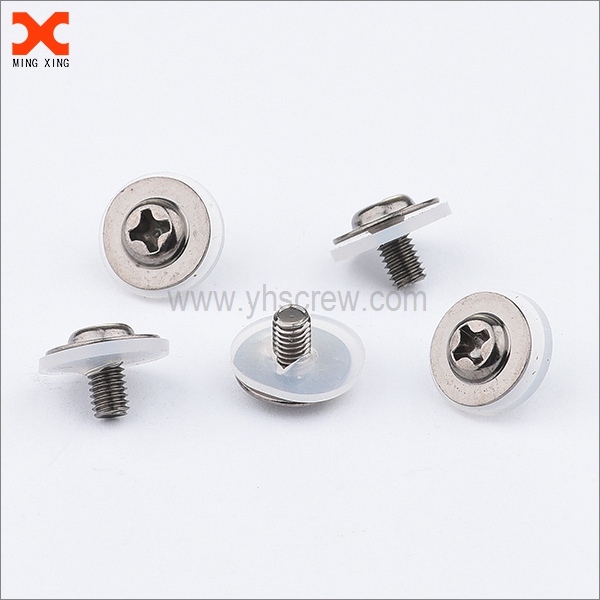
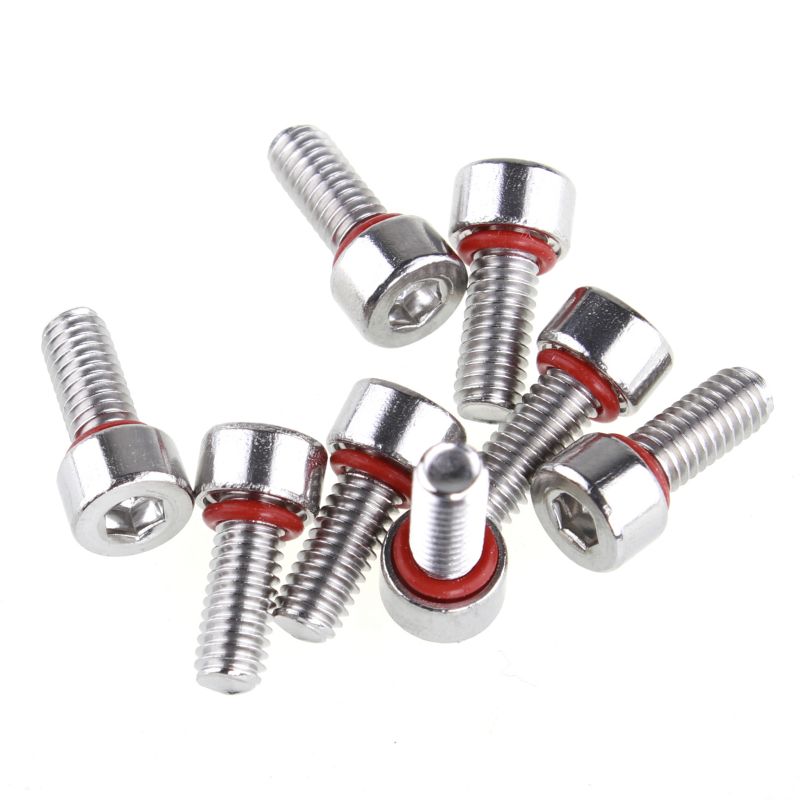
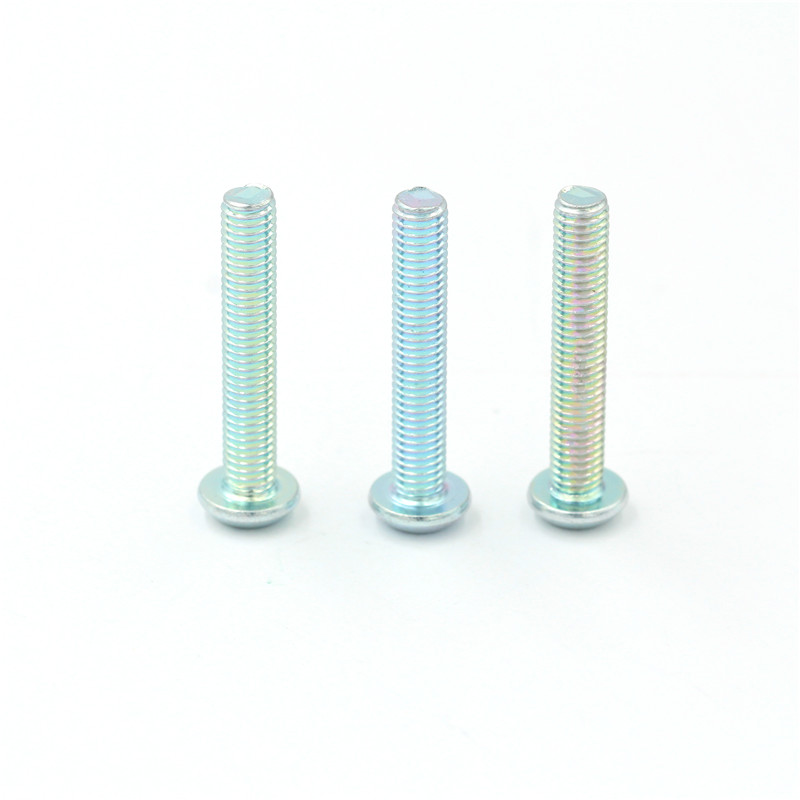
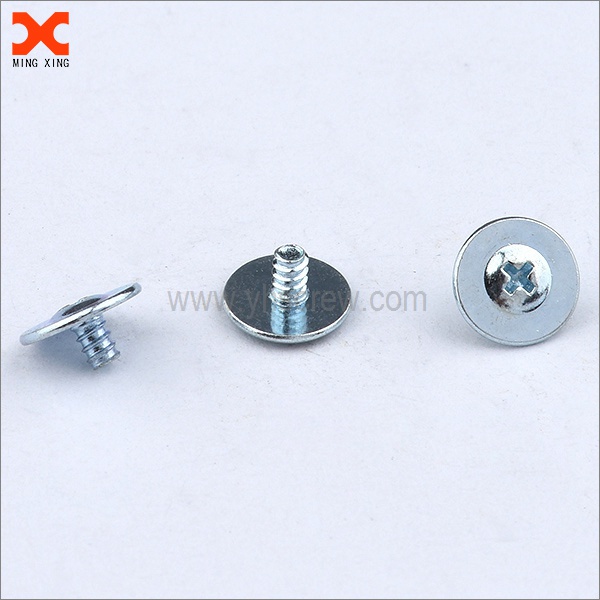
From my desk as a China-based manufacturer, I understand what B2B buyers want in a Custom Seal Screw: reliability, tailored dimensions, and fast, predictable delivery. We craft Custom Seal Screw solutions for OEMs and distributors, focusing on seal integrity, corrosion resistance, and easy installation. Our factory uses high-grade stainless steel or brass, with customizable thread pitches, head types, and sealing elastomer compounds to meet your application. We work closely with you to define tolerances, coatings, and QA protocols, ensuring the seal performs under vibration and pressure. I am committed to transparent pricing, flexible MOQs, and short lead times, so you can scale production without hassles. If you’re sourcing from a China Manufacturer, my team provides full documentation, the traceability you need, and dedicated technical support. Company detail: {}

Hot Selling Product

Custom Seal Screw Application Factory-Direct Excellence

Global buyers know that the right seal screw can safeguard performance and longevity. Sourcing directly from the factory makes customization practical at any scale—rapid prototypes, mid- to high-volume runs, and streamlined logistics. A capable supplier offers a range of head styles, drive types, materials (stainless steel, brass, aluminum), integrated seals, tight tolerances, and traceable processes. This reduces lead times, lowers risk, and minimizes total cost for complex assemblies. Seals must endure temperature changes, moisture, and vibration across electronics enclosures, automotive connectors, medical devices, and industrial equipment. Factory-direct partnerships provide design support, rapid sampling, and a smooth path from prototype to production. With strong quality assurance, scalable capacity, and clear engineering-to-manufacturing communication, procurement gains predictable delivery, consistent quality, and global supply resilience for critical applications.

Custom Seal Screw Application Factory-Direct Excellence
Part ID Material Diameter (mm) Thread Seal Type Coating Temperature Range (C) Tolerance (mm) QA Pass Rate (%) Process Time (min) Remarks
PSS-1001 Stainless Steel 304L 6.0 M6 x 1.0 Buna-N O-Ring Zinc-Nickel -40 to 120 +/- 0.05 99.9 18 Standard potable water application
PSS-1002 Stainless Steel 316L 8.0 M8 x 1.25 Silicone Gasket Passivated (None coating) -60 to 125 +/- 0.04 99.95 22 Food-grade compliant
PSS-1003 Alloy Steel AISI 4140 4.0 M4 x 0.7 Viton O-Ring Zinc-Nickel -50 to 150 +/- 0.03 99.97 16 High-pressure engine test
PSS-1004 Brass (CuZn) 9.0 M9 x 1.25 PTFE Seal Nickel plating -20 to 90 +/- 0.05 99.80 24 Low torque requirement
PSS-1005 Stainless Steel 304L 10.0 M10 x 1.5 Fluorosilicone O-Ring Zinc plating -40 to 110 +/- 0.05 99.92 28 Automotive grade
PSS-1006 Stainless Steel 316L 12.0 M12 x 1.75 EPDM O-Ring Passivated -60 to 140 +/- 0.04 99.96 31 Chemical resistance
PSS-1007 Aluminum Alloy 6061 5.0 UNC 1/4-20 Silicone Washer Anodized -30 to 100 +/- 0.08 99.85 14 Lightweight applications
PSS-1008 Stainless Steel 304L 7.5 M7 x 0.75 NBR O-Ring Passivated -45 to 105 +/- 0.05 99.90 19 Hydraulic systems

Related Products

banner (3)

Custom Seal Screw Supplier Service Backed by Expertise

New Data Dimension: Production Quality & Throughput Index by Month

Quality Score (0-100) Throughput (units/month)

New Title: Production Quality & Throughput Index by Month. This visualization shows the Production Quality & Throughput Index across an 18-month period. The left axis measures quality scores on a 0-100 scale, and the right axis measures monthly throughput in units. Two lines illustrate how process improvements influence both quality and output. The data dimension captures a key balance: high quality should support, and not hinder, steady production. Over the period, quality climbs from the mid-70s to the upper 90s, reflecting targeted quality control, calibration, and operator training. Throughput rises from about 120 to roughly 152 units per month, indicating that efficiency gains accompanied quality improvements rather than conflicting with them. The dual-axis arrangement helps reveal relationships: for several months, rapid quality gains align with robust throughput growth, suggesting streamlined rework reduction and better material handling. There are also brief moments where throughput grows faster than quality, possibly due to line-speed increases or batch ramp-ups before adequate defect control catches up. The chart also helps detect anomalies: a modest dip in quality around early 2025 coincides with a slight plateau in throughput, indicating a maintenance or calibration window that briefly affected output. Overall, this data dimension provides a concise view of how technical expertise translates into operational results in the manufacturing of precision screws and seal components. The visualization supports data-driven decisions about where to allocate resources, such as investing in process capability, preventive maintenance, or supplier quality assurance. By monitoring both curves together, stakeholders can assess sustained improvements, forecast capacity, and align service commitments with customer requirements. This approach reinforces the value of expert-backed manufacturing discipline in delivering consistent, high-quality components while expanding throughput capacity.

Top Selling Products