

Custom Made Screw - China Manufacturer
From a China-based Manufacturer, I deliver a reliable custom made screw solution for OEMs and distributors. Send me your drawings, or even a rough concept, and I’ll convert it into precision parts with tight tolerances (IT12-IT15 as standard). I can work with stainless steel, alloy steel, brass, and carbon steel, with finishes like zinc plating, black oxide, passivation, or specialized coatings. I offer various head styles (Phillips, Torx, hex socket, button) and thread forms (coarse, fine) to match your assembly. MOQ is flexible and lead times are short because I control production and QC in-house. Every batch goes through dimensional checks and material certification to ensure performance in automotive, electronics, or machinery applications. You’ll get clear quotes, rapid samples, and scalable supply for China and global markets. If you need a reliable partner who understands manufacturing and procurement, I’m here to help with your custom made screw needs.
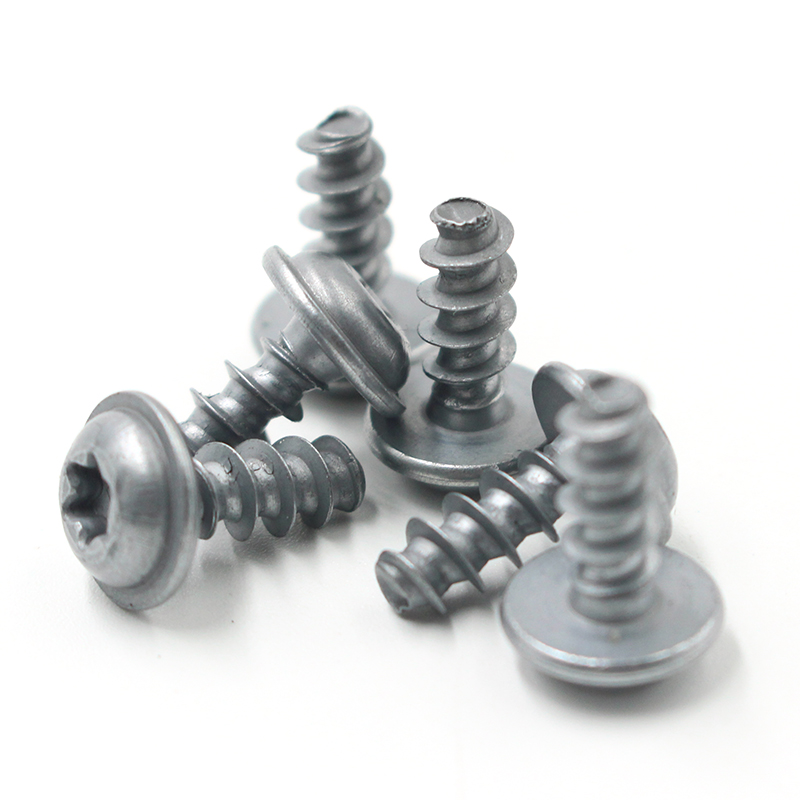
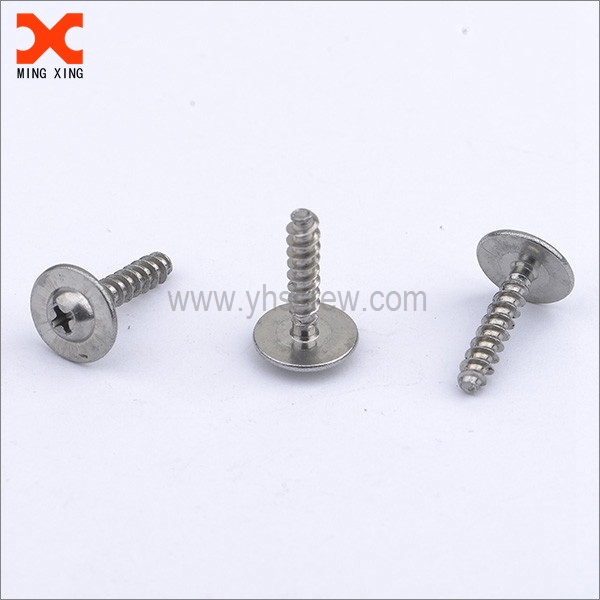


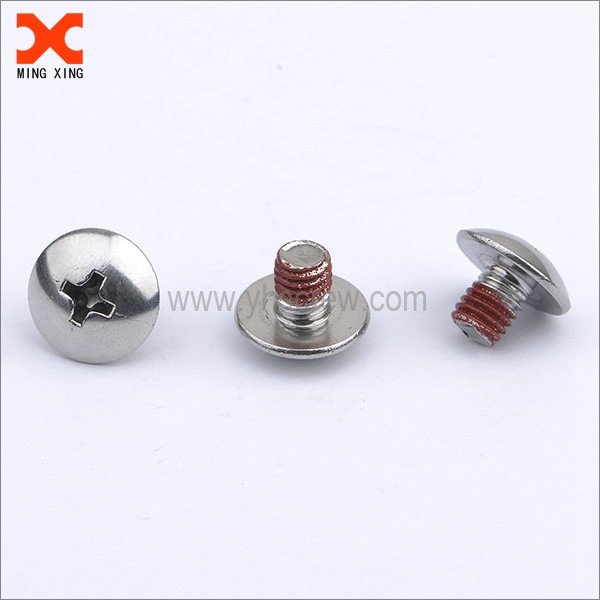

custom made screw Supplier Service Backed by Expertise
Global manufacturers rely on precise, reliable fasteners tailored to complex assemblies. A custom made screw solution starts with listening to your application—material choice, head style, drive type, thread pitch, length, and finish. With in-house design support and rapid prototyping, you can validate fit and performance before committing to high-volume production. Backed by years of engineering know-how, the service covers a wide range of materials (stainless steel, alloy steel, brass, aluminum) and finishes (zinc, nickel, black oxide, PVD). We offer tight tolerances, heat treatment, surface treatment, and thread standards (ISO, DIN, ANSI). Rigorous quality control, inspection, and full traceability ensure reliability in automotive, electronics, and heavy machinery environments. From quotation to delivery, the process is transparent and global-ready: samples, tooling, scale-up, and scheduling that align with your logistics. Flexible minimums, scalable production, and secure international shipping enable you to source screws with confidence, while engineering support helps optimize lifecycle costs and performance.
{ custom made screw Supplier Service Backed by Expertise}
| Product Category | Material | Thread Standard | Size Range (mm / inch) | Surface Finish | Tolerance | Heat Treatment / Hardness | Certifications | Lead Time (days) | Customization Options | Typical Applications |
|---|---|---|---|---|---|---|---|---|---|---|
| Socket Head Cap Screw | AISI 304L Stainless Steel | ISO Metric | M2.5 - M10 | Bright Zinc Plated; Passivation | IT7 | Annealed / Cold-worked | ISO 9001, RoHS | 3-7 (custom: 10-15) | Head type: hex socket; length adaptation; multiple coatings | Machinery, Automation |
| Socket Head Cap Screw | AISI 316L Stainless Steel | ISO Metric | M4 - M12 | Passivation | IT7 | Annealed / Hardening optional | ISO 9001, RoHS | 4-10 | Drive type: Hex/Torque; length; coating; finish | Food processing, Chemical equipment |
| Self-Tapping Screw | Alloy Steel 4140 | UNC/UNF | #6 - 1/4" | Zinc Yellow Passivated | IT8 | Heat treated MQT 34-38 HRC | ISO 9001, REACH | 5-12 | Drill point geometry; coating options | Woodworking, Metal-to-wood assembly |
| Wood Screw | Brass C36000 | ISO Metric | M3 - M6 | Nickel Plated | IT8 | Annealed / Hardened options | ISO 9001 | 4-9 | Coating, length, point style | Furniture, cabinetry |
| Button Head Screw | Aluminum 6061-T6 | ISO Metric | M2 - M6 | Anodized Type II Blue | IT7 | Anodizing coatings | ISO 9001, REACH | 2-6 | Head style, length, color options | Electronics enclosures, automotive interior |
| Shoulder Screw | Steel 1045 | ISO Metric | M6 - M10 | Chrome Plated | IT7 | Surface hardened | ISO 9001 | 5-8 | Shoulder length; finish; tolerance | Pneumatic fittings, precision assemblies |
Related Products
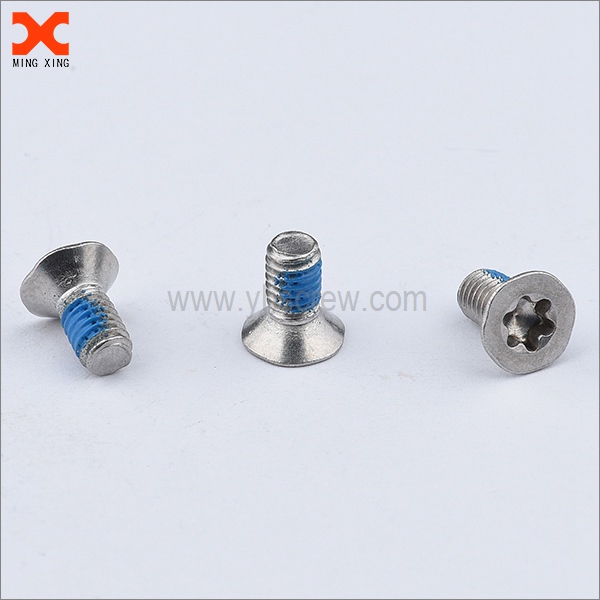
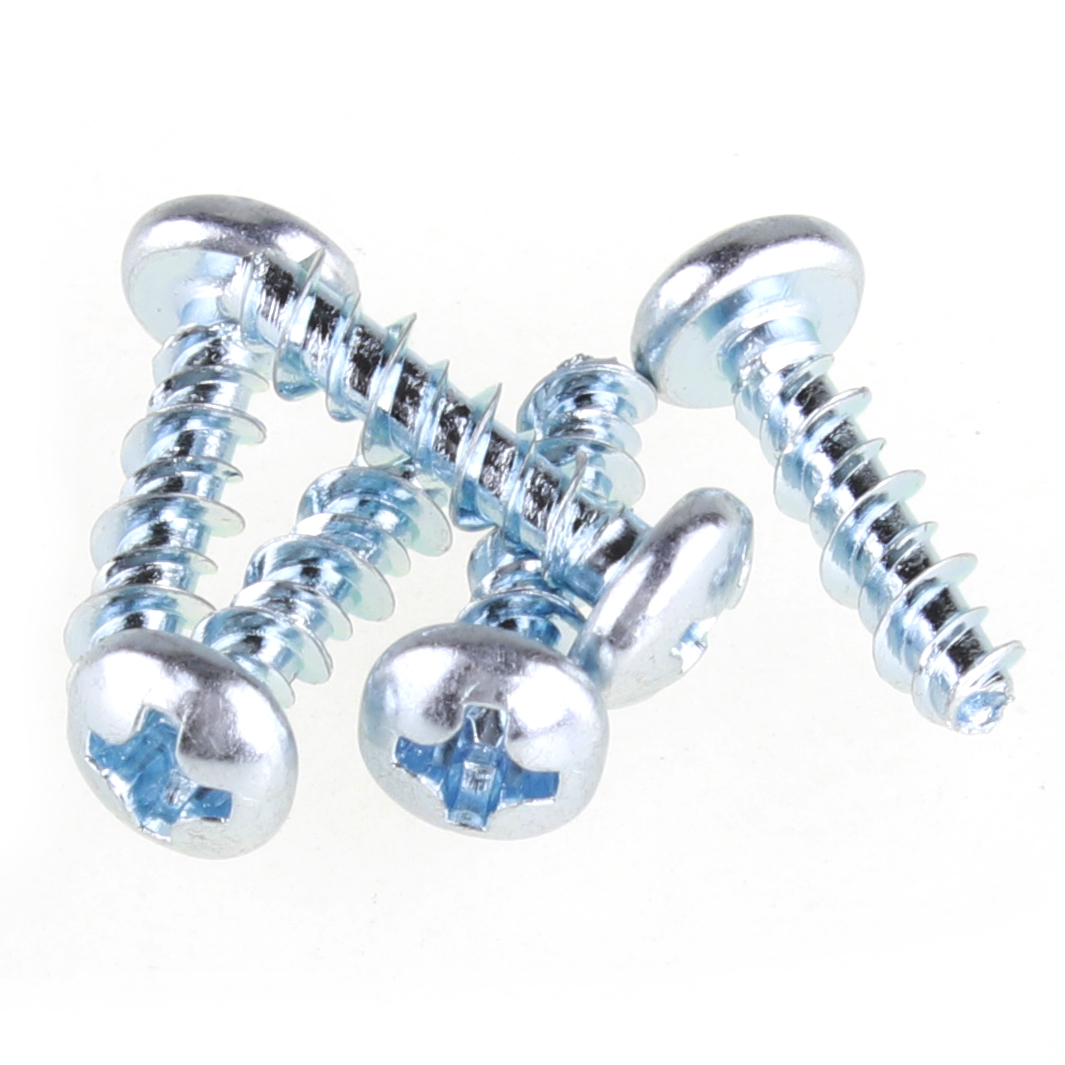

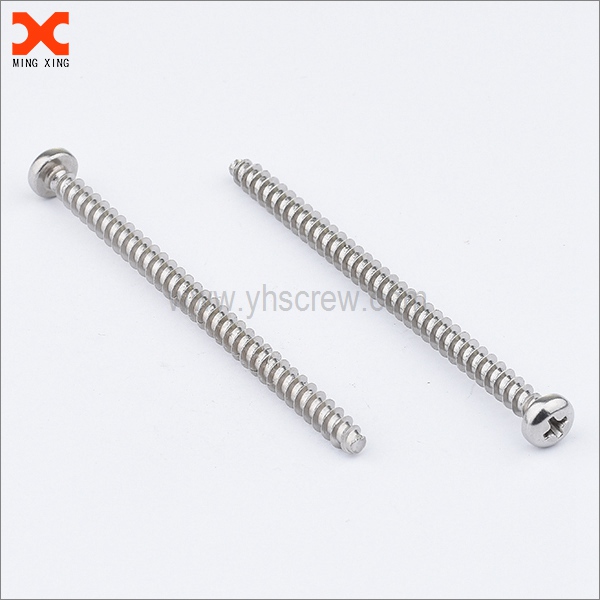
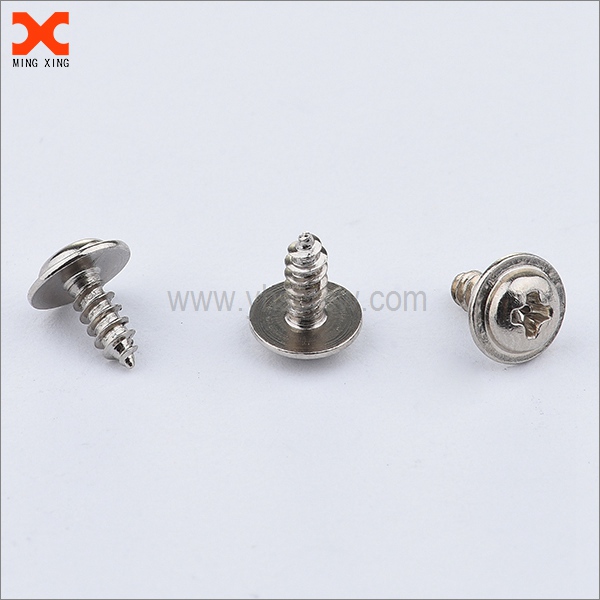
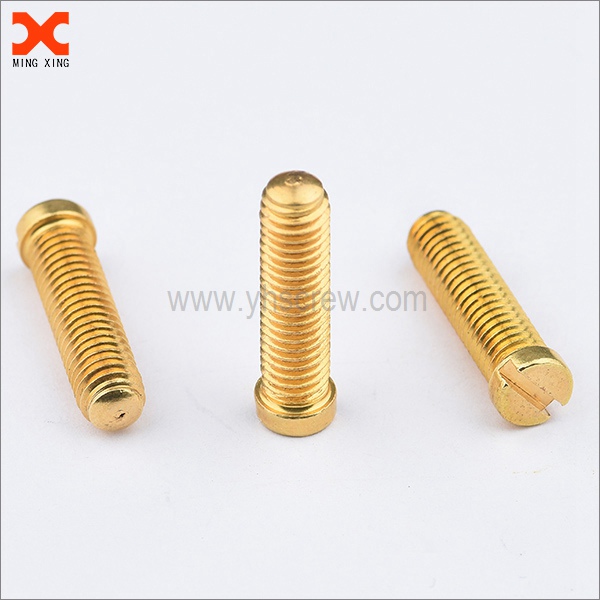

custom made screw in 2025 Now Trending
Top Selling Products

- Related Blog
- Reviews
- Reviews

-

Phone
-

E-mail
-

Whatsapp
-

WeChat

-

Top


