

Cnc Insert Screw - China Manufacturer for Precision Parts
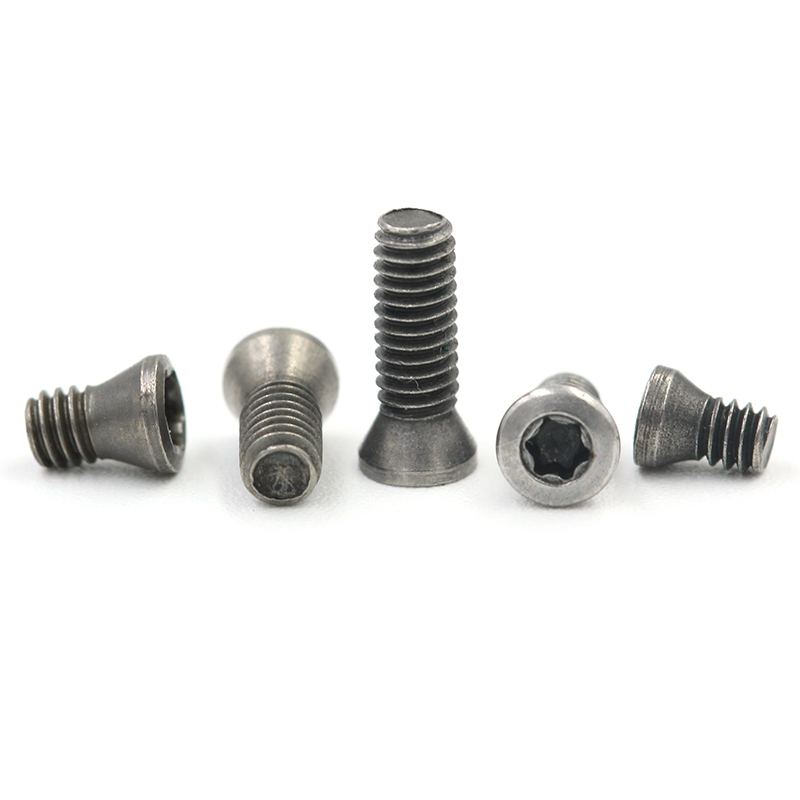
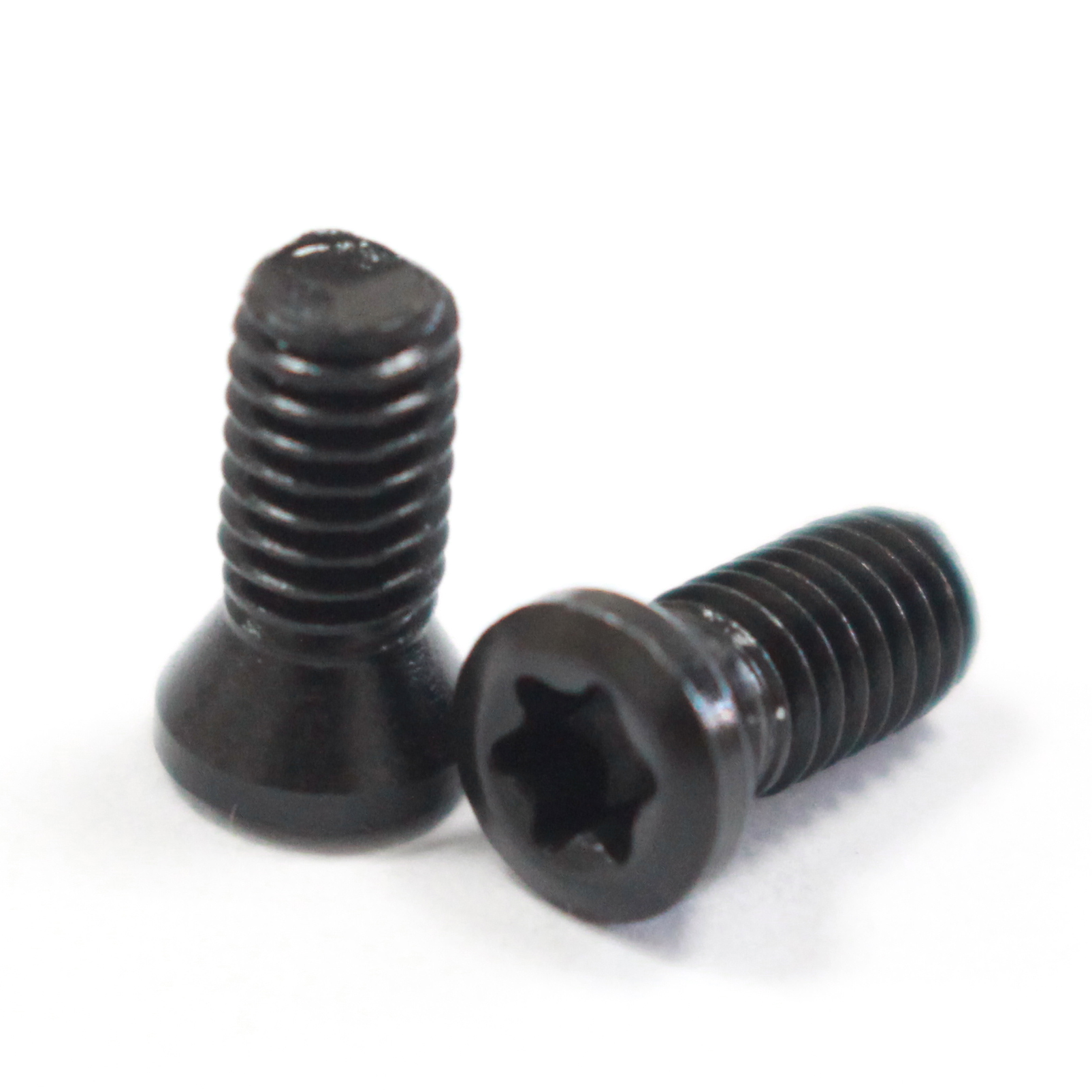
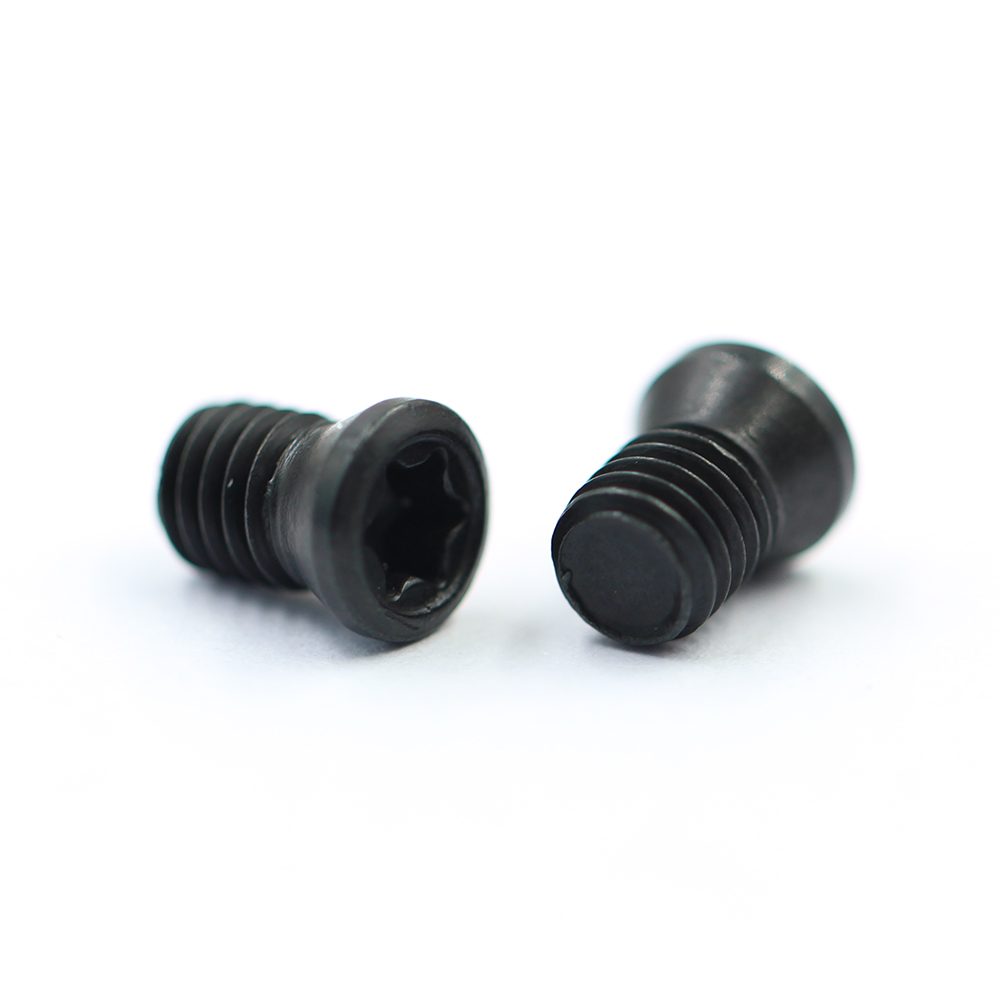
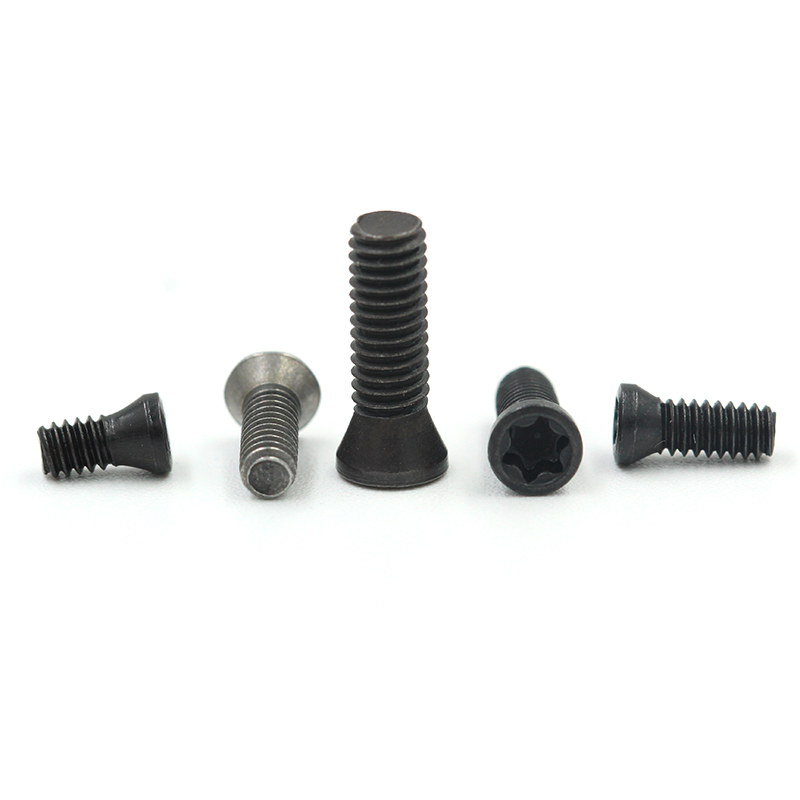
As a China-based manufacturer, I supply high-precision Cnc Insert Screw solutions for automotive, electronics, and machinery OEMs. We produce Cnc Insert Screw with tight tolerances, corrosion resistance, and various hardening options. Our factory uses CNC turning, milling, heat treatment, and plating to ensure durable performance. We offer custom pin length, thread, drive style, and materials like stainless steel, alloy, and titanium. With short lead times, competitive pricing, and rigorous QC, you get consistent quality. MOQs are negotiable, and packaging options can be tailored. I speak directly with buyers for faster support, and our engineering team will help select the right Cnc Insert Screw variant for your fixture or assembly. We serve global customers from China and beyond, aiming for long-term partnerships. If you need precise, reliable inserts for automation or CNC fixtures, let me tailor a solution to fit your production line.

.jpg)
Cnc Insert Screw Manufacturer Products
Precision CNC insert screws are essential for reliable fastening in electronics, automotive, and industrial assemblies. Tight tolerances, smooth finishes, and strong materials ensure secure engagement with inserts and components. Common options include stainless and alloy steels, and aluminum, with coatings such as zinc, black oxide, or PVD for corrosion and wear resistance. Modern CNC processes allow varied head shapes, drive types, and thread forms, while secondary steps like heat treatment and passivation boost durability. For global buyers, predictable quality and scalable production are key. Look for manufacturers with strict quality systems, traceability, and in-house testing, plus flexible customization of size, finish, and packaging. Clear lead times, sensible MOQs, and reliable samples reduce risk. Efficient logistics and strong technical support help deliver consistent performance across diverse markets.
{ Cnc Insert Screw Manufacturer Products }
| Product Code | Category | Material | Grade | Coating | Head Type | Drive Type | Thread Size | Length (mm) | Tolerance (mm) | Hardness (HRC) |
|---|---|---|---|---|---|---|---|---|---|---|
| INS-CNC-SCR-001 | Insert Screw | Stainless Steel | 304 | TiN | Socket Cap | Hex Socket | M3 | 8 | ±0.05 | 54 |
| INS-CNC-SCR-002 | Insert Screw | Stainless Steel | 316 | TiAlN | Button Head | Torx | M2.5 | 6 | ±0.04 | 52 |
| INS-CNC-SCR-003 | Insert Screw | Alloy Steel | 4140 | Black Oxide | Hex Socket | Allen | M4 | 12 | ±0.03 | 48 |
| INS-CNC-SCR-004 | Insert Screw | Stainless Steel | 303 | None | Socket Cap | Hex | M2 | 6 | ±0.04 | 44 |
| INS-CNC-SCR-005 | Insert Screw | Alloy Steel | 1215 | Zn-Ni | Pan Head | Phillips | 6-32 | 9 | ±0.05 | 40 |
| INS-CNC-SCR-006 | Insert Screw | Stainless Steel | 430 | None | Flat Head | M2 | 5 | ±0.03 | 41 | |
| INS-CNC-SCR-007 | Insert Screw | Alloy Steel | 8620 | Cr+N | Button Head | Hex Socket | M6 | 15 | ±0.04 | 46 |
| INS-CNC-SCR-008 | Insert Screw | Brass | C36000 | Gold Plated | Pan Head | Phillips | M3 x 0.5 | 14 | ±0.05 | 28 |
Related Products



Cnc Insert Screw Pioneers in the Field Manufacturers You Can Rely On
Top Selling Products


- Related Blog
- Reviews
- Reviews

-

Phone
-

E-mail
-

Whatsapp
-

WeChat

-

Top


