banner (1)

Custom CNC Aluminum Part for Factories - Precision Machining

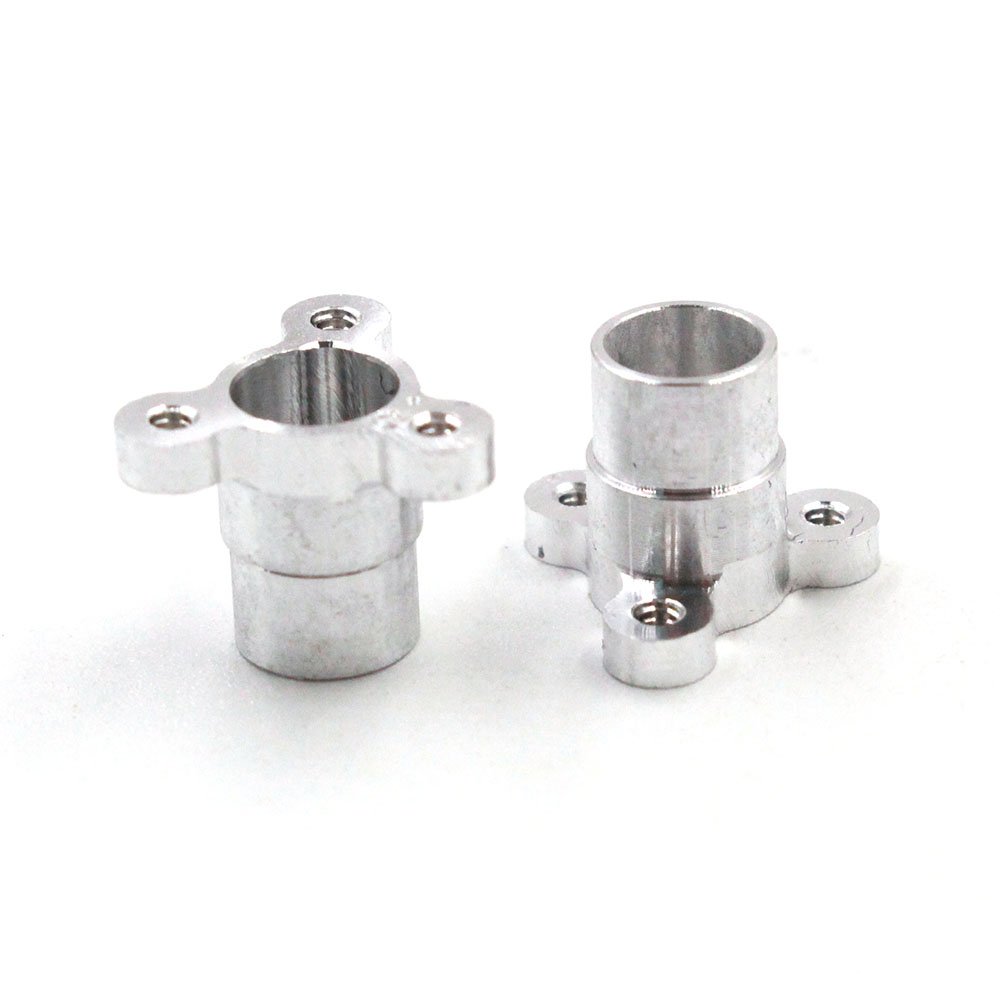
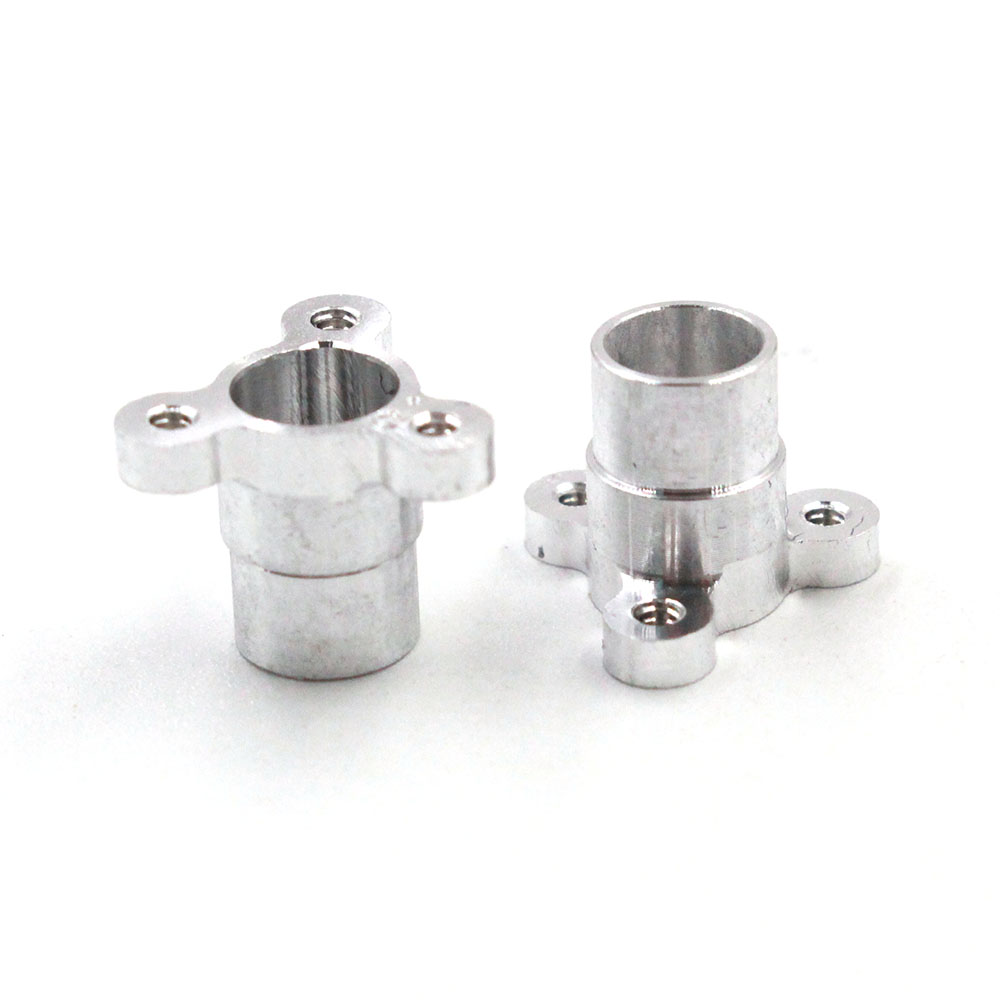
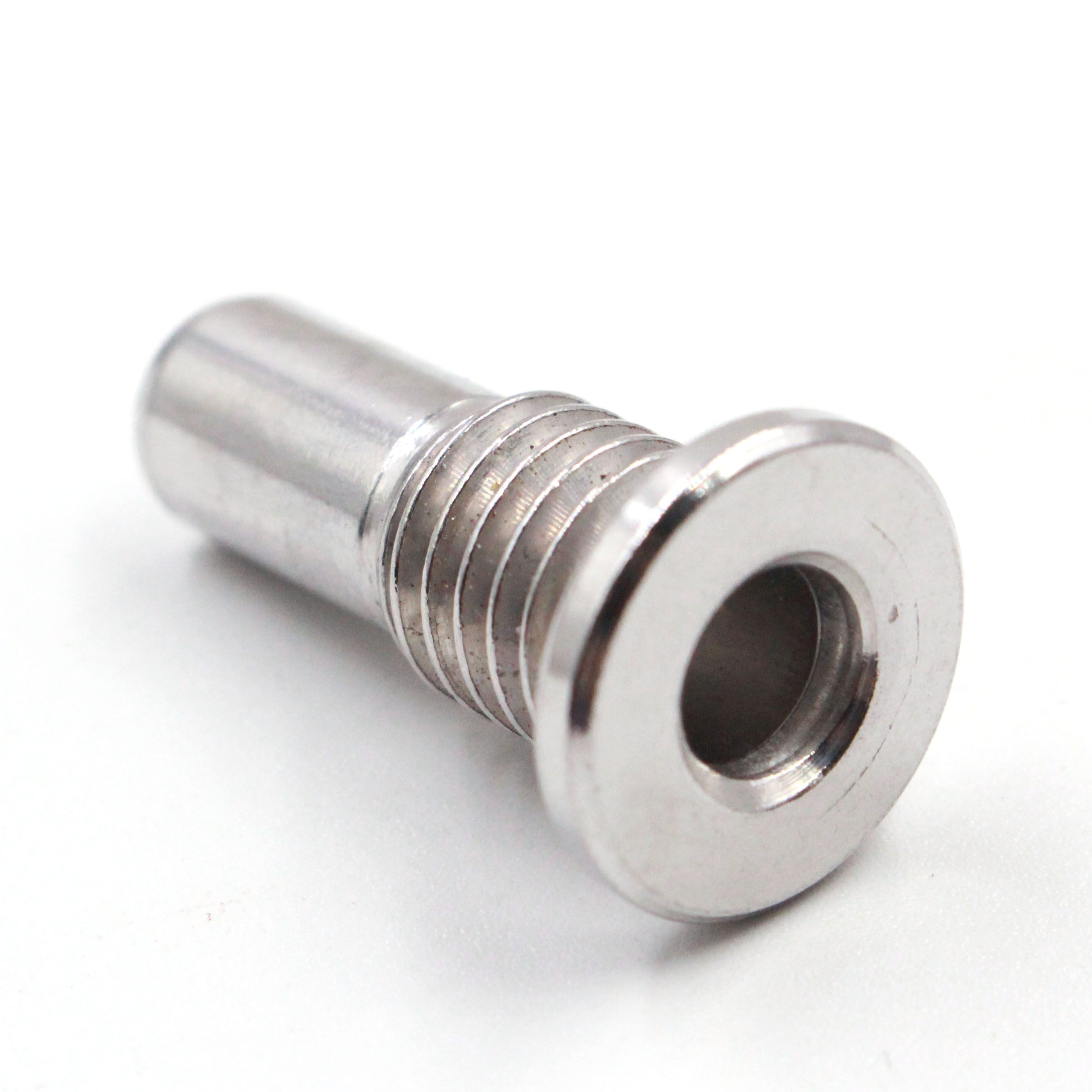
From my shop floor, I craft cnc aluminum part solutions that stay ahead in production lines. I specialize in Custom requests for busy Factories, delivering parts that fit tight tolerances and complex geometries. Each cnc aluminum part is machined on high‑precision CNC centers, inspected with rigorous QA, and finished with anodizing or passivation as needed. You tell me the specs, I translate them into scalable quantities and stable supply. We keep lead times short, pricing transparent, and I can adapt to design changes during prototyping. My team uses lean processes to reduce waste and ensure repeatability across batches. With material options like 6061, 7075, and 6063, we match mechanical properties to your application. Partner with me for a reliable supplier who understands the demands of Custom parts for Factories, from prototype to high‑volume production.

Hot Selling Product

cnc aluminum part Is The Best Ahead of the Curve

CNC aluminum parts are increasingly the industry standard for engineered components, offering light weight, high strength, and corrosion resistance. Precise CNC machining yields tight tolerances, complex geometries, and repeatable production from prototype to high‑volume runs. Aluminum also provides good machinability and shorter cycle times, while finishes like anodizing or coating boost durability and aesthetics. For global buyers, this means faster prototyping, safer supply chains, and fewer downstream assembly steps. For procurement teams, success comes from partnering with a supplier that provides rigorous quality management, traceability, and flexible lead times. Look for certifications, transparent QC data, and robust process controls—from CNC programming to in‑house testing. Consider batch consistency, scalable capacity, and responsible sourcing. When a partner can convert your design into optimized CNC programs with reliable delivery, you gain cost efficiency and resilience to meet evolving market demand.

CNC Aluminum Part Is The Best Ahead of the Curve
Part_ID Alloy Geometry Tolerance_mm Ra_um Length_mm Width_mm Height_mm Weight_g Hardness_HB Tensile_Strength_MPa Heat_Treatment Production_Time_h Automation_Level Defect_Rate_pct
P-AL-001 6061-T6 Bracket 0.05 0.8 120 60 25 486 90 310 T6 2.5 Fully Auto 0.4
P-AL-002 7075-T6 Housing 0.03 0.9 140 70 15 420 100 520 T6 1.8 Semi Auto 0.25
P-AL-003 2024-T351 Cover 0.04 1.0 95 50 18 230 68 280 O 3.2 Manual 0.6
P-AL-004 6063-T5 Plate 0.05 1.4 180 100 8 400 80 240 T5 2.0 Semi Auto 0.3
P-AL-005 5083-H116 Bracket 0.03 1.2 180 70 15 510 85 320 H116 2.0 Fully Auto 0.25
P-AL-006 7075-T6 Plate 0.02 0.8 120 90 20 590 120 540 T6 2.8 Fully Auto 0.15
P-AL-007 7075-T6 Casing 0.03 1.0 100 80 18 390 105 510 T6 2.0 Semi Auto 0.5
P-AL-008 6061-T6 Cover 0.05 0.9 60 60 8 180 60 265 T6 1.0 Manual 0.3
P-AL-009 6063-T5 Plate 0.06 1.3 240 100 8 520 70 180 T5 1.5 Semi Auto 0.2
P-AL-010 2024-T4 Block 0.02 1.0 40 40 30 150 95 470 T4 1.2 Manual 0.1
P-AL-011 6061-T6 Bracket 0.04 0.7 170 65 22 560 75 290 T6 2.3 Fully Auto 0.6
P-AL-012 7055-T6 Housing 0.03 1.1 130 85 18 420 110 560 T6 3.0 Fully Auto 0.12

Related Products

banner (3)

cnc aluminum part Factory Now Trending

New Data Dimension: Production Throughput vs Defect Rate for CNC Aluminum Parts (Monthly)

Throughput Defect Rate
This chart presents two data dimensions for CNC aluminum parts production on a monthly basis: Throughput in thousands of pieces (left axis) and defect rate as a percentage (right axis). The purpose is to observe how production scale and quality evolve together over a calendar year and to uncover potential operational relationships that can inform process improvements and investment decisions. The line representing throughput generally trends upward from January to December, rising from about 8.5 thousand parts to around 15 thousand parts. This growth aligns with continuous improvements such as automation enhancements, tooling optimization, and more efficient scheduling. The defect rate line shows a downward tendency over the same period, decreasing from about 1.8% in January to near 0.85% by December, suggesting significant quality improvements through better process control, operator training, and possibly more proactive maintenance. Overall, the data indicate a negative correlation between throughput and defect rate: as output increases, scrap and defects do not rise correspondingly, which is a positive sign for scalability. In months with higher throughput, defect rates remain low, hinting that the manufacturing line is stabilizing and learning effects are in play. This insight supports continued investments in automation, predictive maintenance, and statistical process control (SPC) to sustain higher output while maintaining or further lowering defect levels. The analysis is based on 12 months of data from a single facility and may not reflect year-to-year variability across multiple sites or part variants. Future work could integrate cycle times, uptime, and defect categories, enabling a more granular view of where efficiency and quality improvements yield the greatest returns.

Top Selling Products