banner (1)

China Screw Factory - Leading Manufacturer of Screws

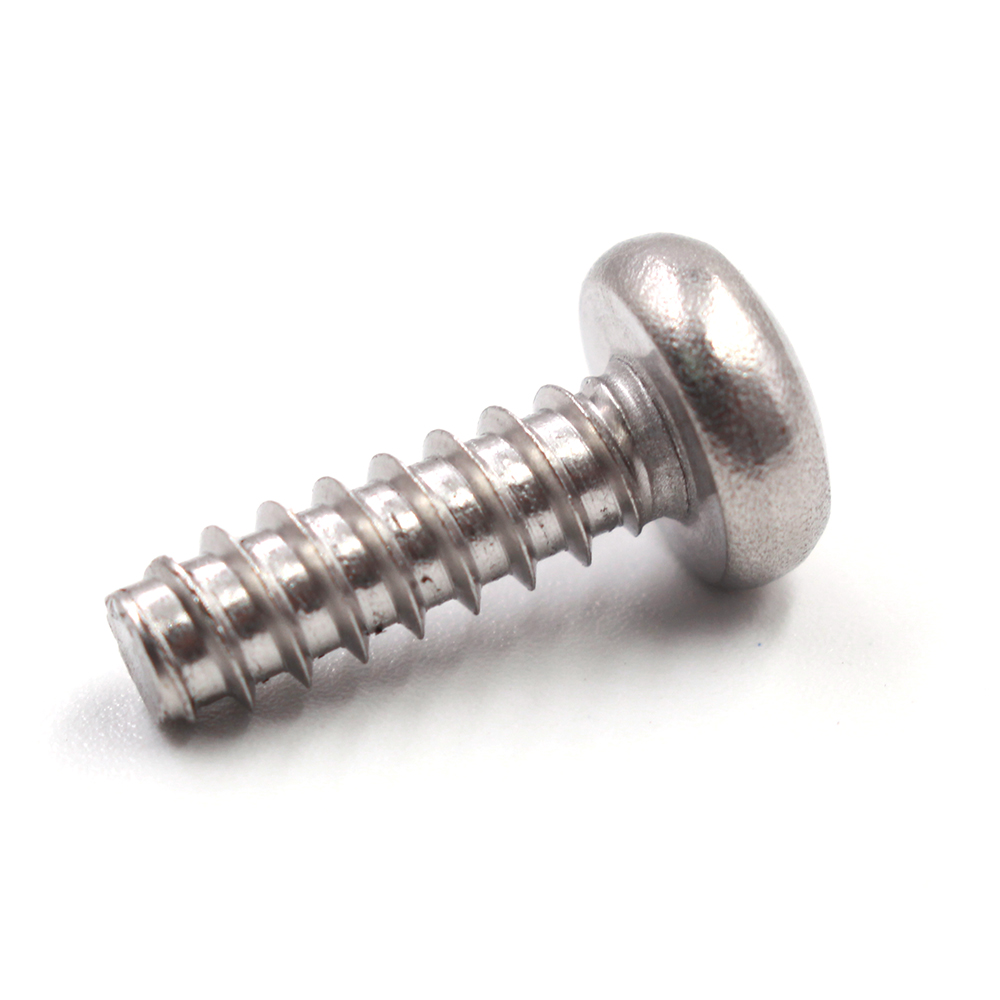
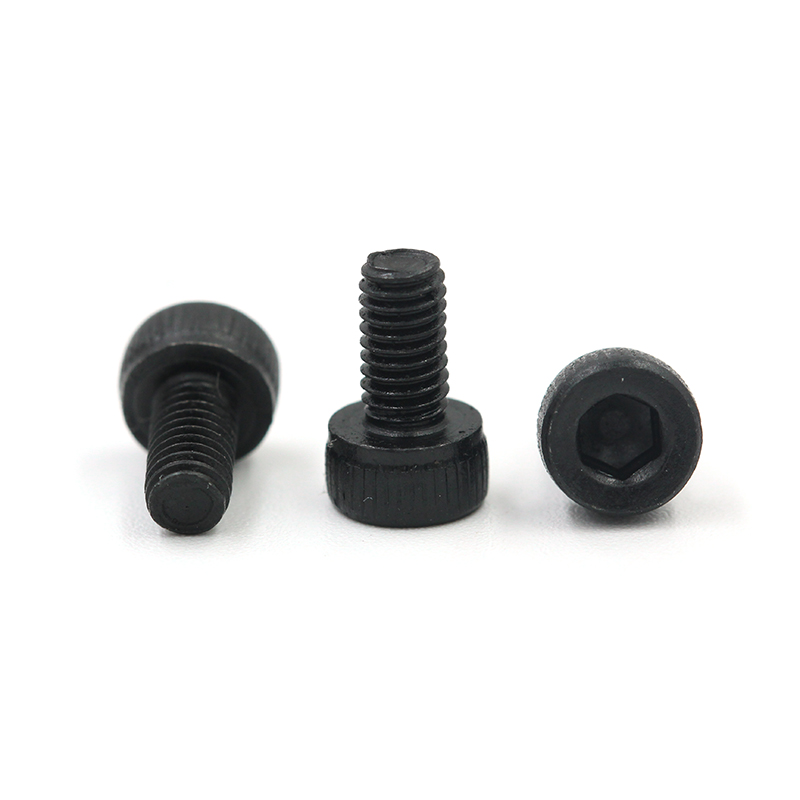
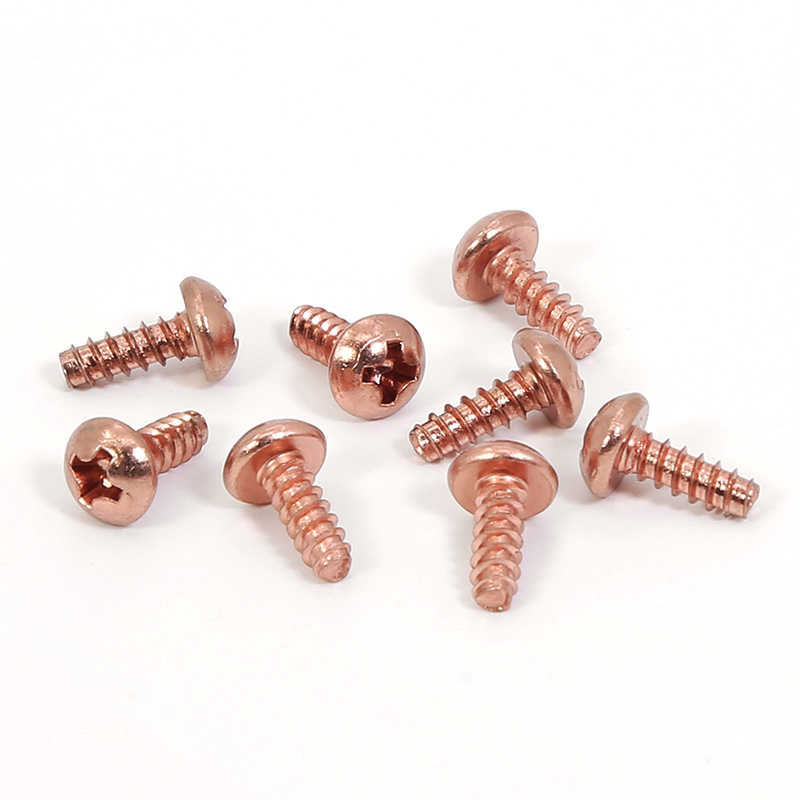
From a china screw factory I manage, I’m here to help you source reliable fasteners for high-volume production. As a China-based Manufacturer, I know what buyers look for: consistency, quick delivery, and flexible customization. My range covers metric and inch screws, stainless steel, alloy steel, brass, and nylon inserts, all precision-machined to tight tolerances. I offer heat treatment, plating (zinc, Zn-Al, black oxide), thread rolling, and various head styles (pan, Phillips, Torx, socket head cap, and button). You can order OEM/ODM parts tailored to your drawing, with custom lengths, finishes, and packaging. With strict QC—dimensional checks, tensile tests, and lot traceability—I deliver reliable performance at scale. I welcome samples to verify fit and function, and I keep competitive prices and short lead times for global customers. If you’re seeking a dependable partner for your supply chain, I’m ready to collaborate with your team today.

Hot Selling Product

china screw factory Industry Giant More Than a Supplier - A Partner

Beyond a traditional supplier, a leading screw manufacturer in southern China operates as a true partner for global buyers. Nestled in Dongguan’s precision engineering ecosystem, it combines large‑scale production with skilled craftsmanship to deliver fasteners that meet demanding applications. From cold forming and CNC threading to heat treatment and premium finishes, the facility integrates end‑to‑end processes under strict quality control and material traceability. By balancing capacity with flexibility, it can support high‑volume programs and complex customization without sacrificing consistency or reliability. Global procurement teams value a partner who can shorten development cycles, optimize designs for manufacturability, and simplify supply chain risk. This approach starts with engineering support for design for assembly, tolerance stacks, and material selection, followed by predictable lead times, scalable MOQs, and staged delivery plans. With transparent communication, rigorous QC, and a commitment to long‑term collaboration, the relationship evolves from vendor to strategic ally, helping buyers reduce total cost, accelerate time to market, and achieve sustainable sourcing across diverse industries.

China Screw Factory Industry Giant More Than a Supplier - A Partner
Dimension Definition Value Unit Notes
Annual Production Capacity Maximum output capacity across all manufacturing lines for screws and fasteners in the region 100,000 tons/year Approximate combined capacity of member facilities in the region
Product Type Mix Share distribution by major product categories Hex socket cap screws 28%; Wood screws 22%; Machine screws 20%; Bolts 15%; Nuts 10%; Others 5% Percent distribution Top categories; excludes pricing
Automation Level Percent of production lines equipped with automated processes 65% % Automation improves throughput and consistency
Quality Certifications Number of major international standards/quality systems adopted 4 certifications Examples: ISO 9001, ISO/TS 16949, ISO 14001, ISO 45001
On-time Delivery Rate Percentage of orders shipped by agreed date 97% %
Lead Time Average time from order receipt to shipment readiness 12 days
R&D Intensity R&D expenditure as share of revenue 3.2% % of revenue
Manufacturing Workforce Total number of employees in manufacturing facilities 8,500 persons
Annual Energy Consumption Total energy consumption across facilities per year 65 GWh
Waste Recycling Rate Share of process waste recycled/reused 68% %
Safety Performance Lost Time Injury Frequency Rate (LTIFR) in manufacturing 1.6 incidents per million hours
Export Share Proportion of total production allocated to export markets 28% %

Related Products

banner (4)

china screw factory Guarantees Peak Performance Outperforms the Competition

Operational Efficiency by Line (units/hour)

Bar Chart: Peak Production Efficiency Across Lines

Explanation: This chart presents a snapshot of peak production efficiency across seven production lines in a screw-factory scenario, with each bar representing the maximum output rate achieved during a standard shift, measured in units per hour. The data reveal a clear hierarchy: Line D reaches the highest efficiency at 220 units/hour, followed closely by Line F at 210 and Line B at 200. The remaining lines range from 190 down to 120 units/hour, with Line A lagging at 120 and Line E at 160. Several factors can influence these differences, including machine condition, maintenance cadence, changeover times, tooling quality, operator training, and standardization of work procedures. Higher-performing lines (D and F) likely benefit from proactive maintenance, calibrated tooling, and consistent work routines, while the lower-performing Line A may be affected by longer setup times, aging tooling, or inconsistent procedures. The relatively close performance of Lines B, C, and G suggests shared best practices, yet there remains room to harmonize processes to lift the lower end of the distribution toward the leaders. Practically, this visualization supports targeted improvement: allocate resources to the underperforming lines, reduce variability, and replicate the strong practices observed on the top lines across the entire production floor. By focusing on standardized changeovers, predictive maintenance, and real-time monitoring, the factory can raise average peak performance and narrow gaps between lines. In a competitive landscape, consistent improvements in peak efficiency translate to shorter lead times, lower unit costs, and greater reliability, reinforcing the insight that elevating the tail of the distribution toward the leaders is a viable path to sustained advantage.

Top Selling Products