banner (1)

Captive Screws for Plastic - Wholesale Manufacturers

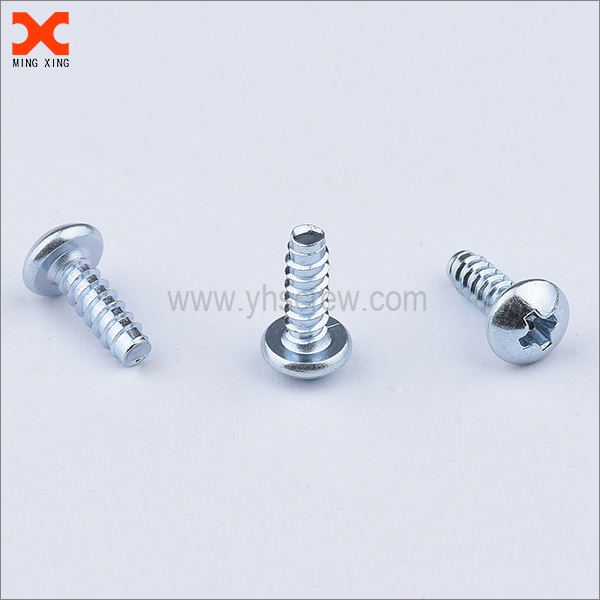
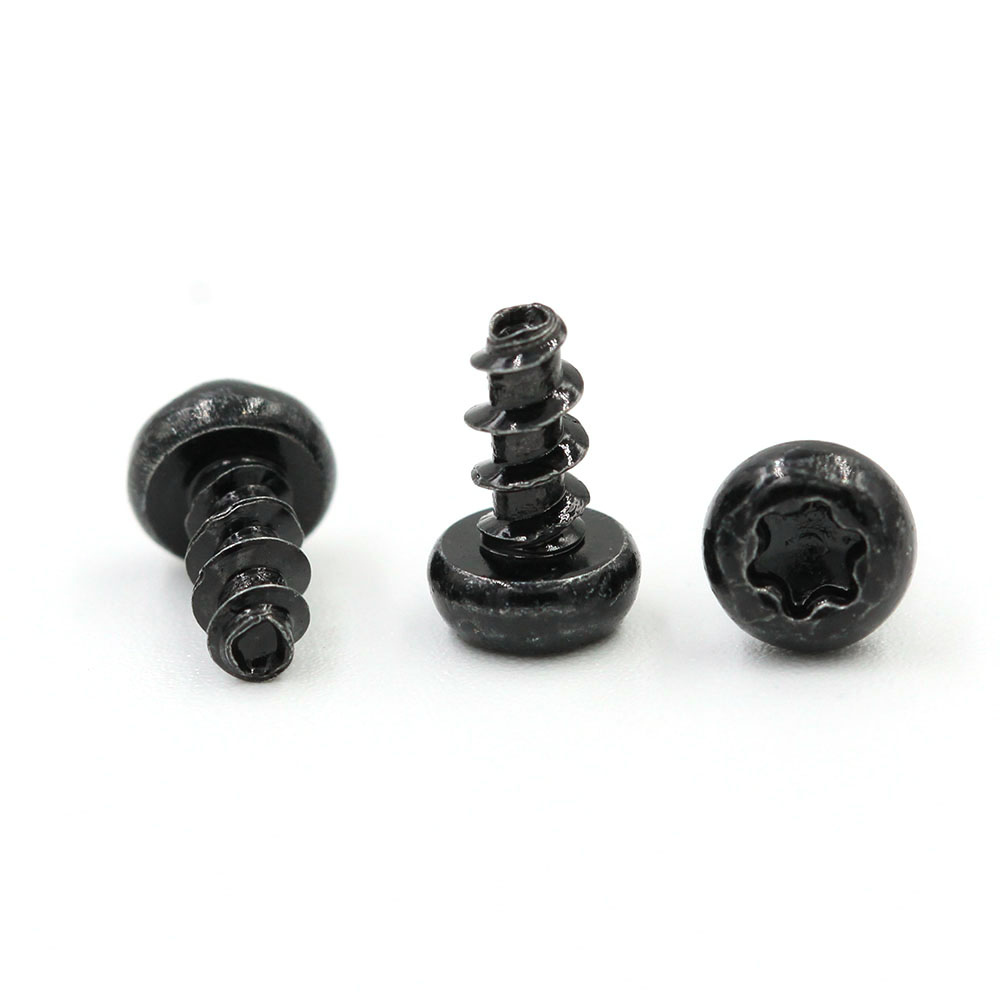
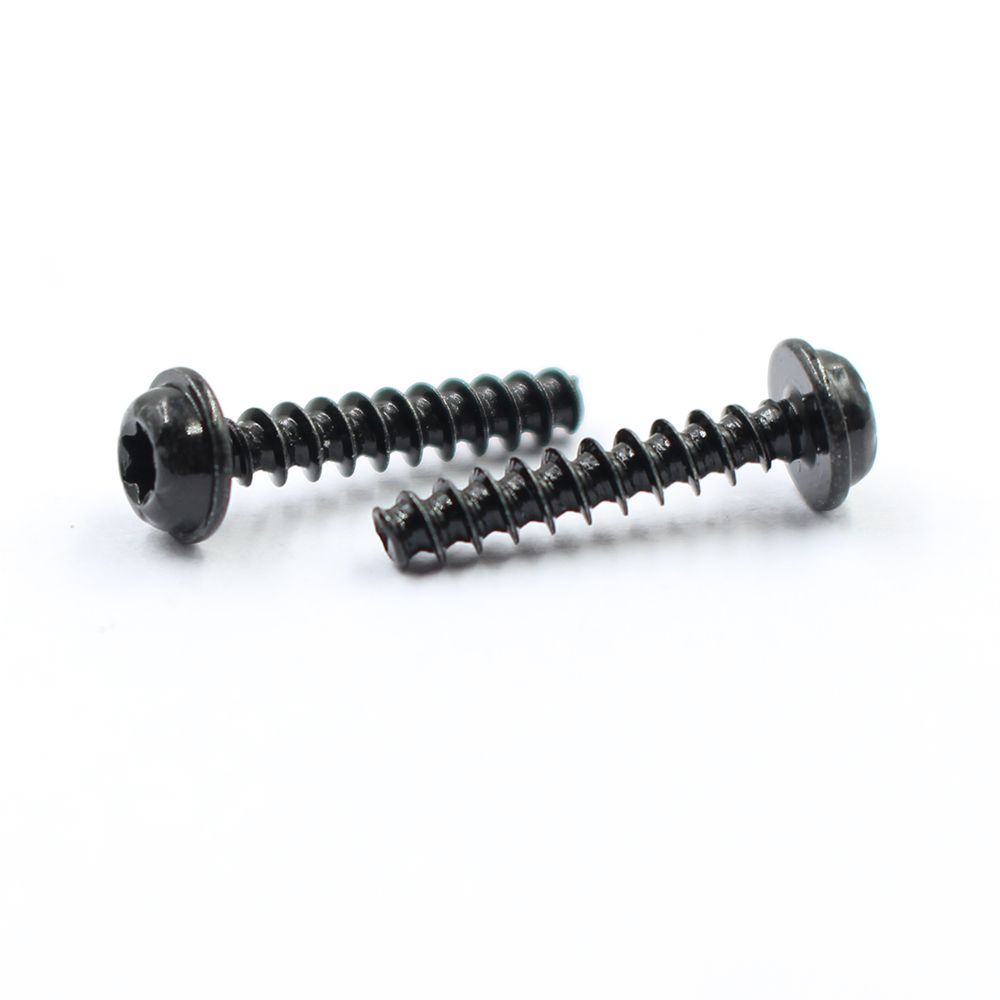
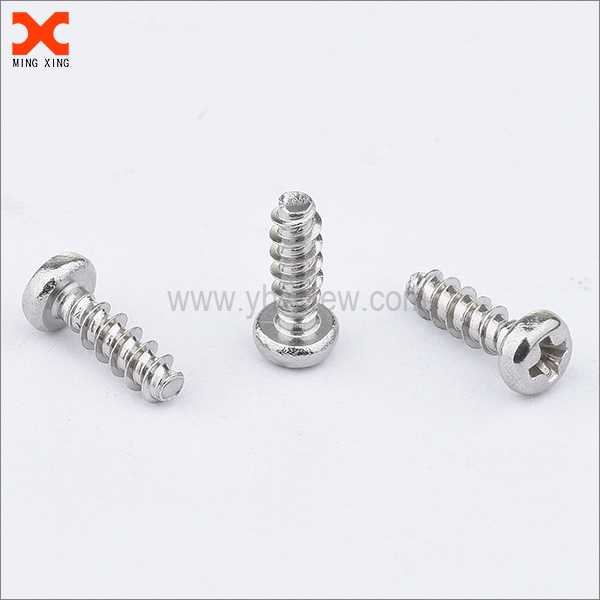
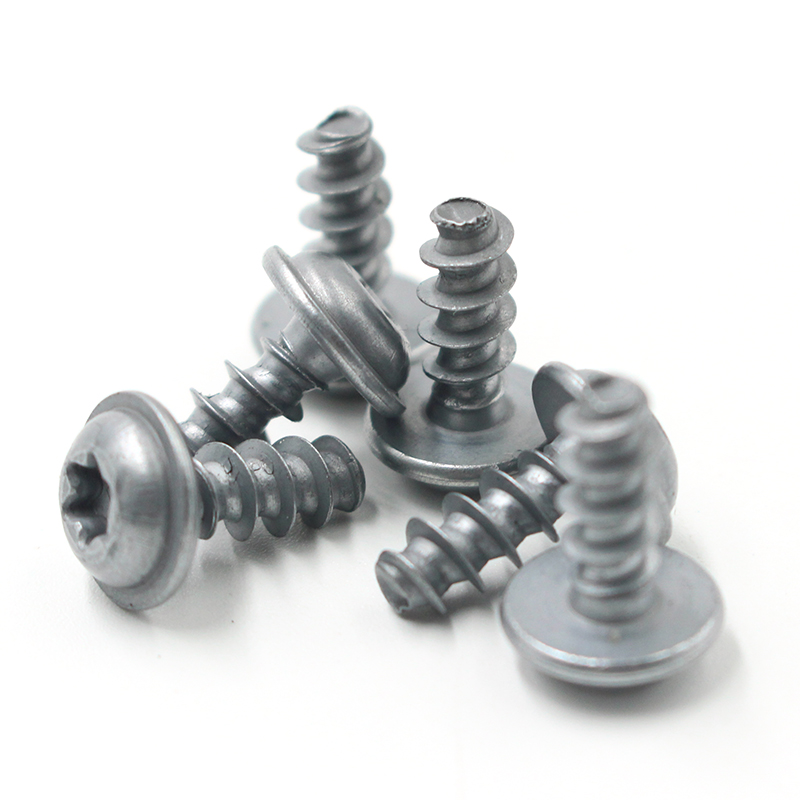
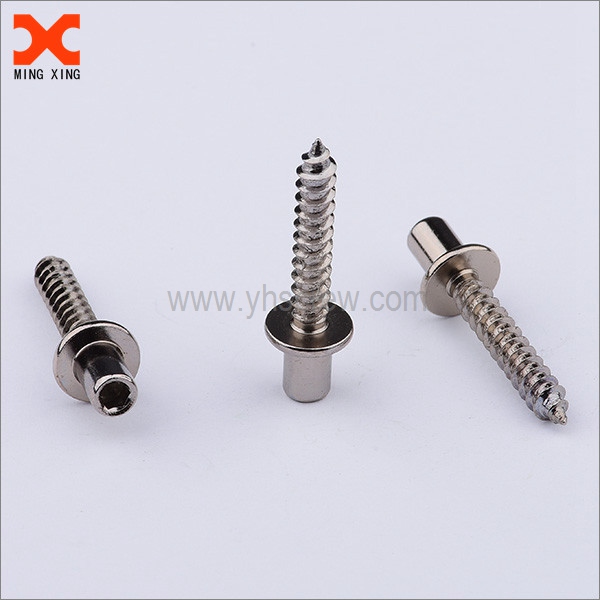
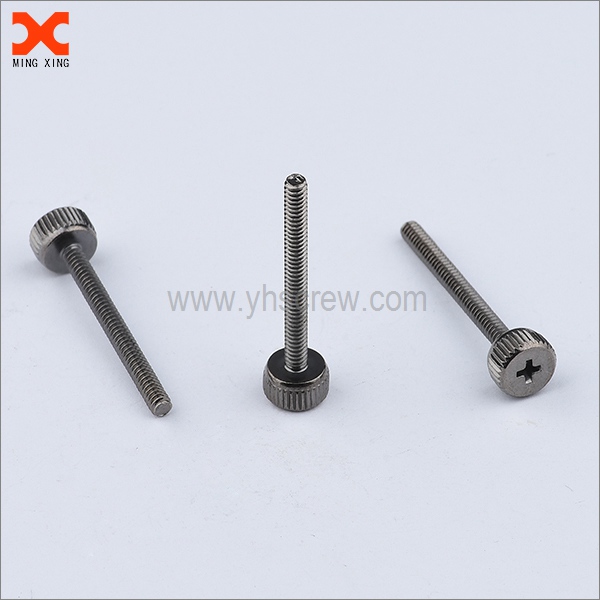
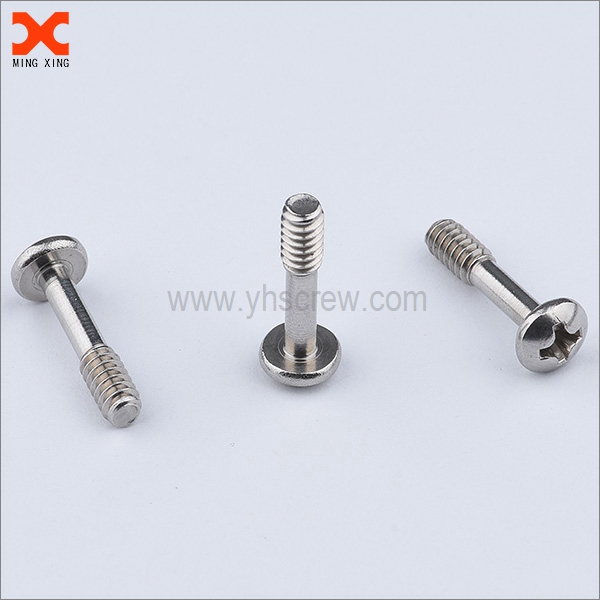
We specialize in captive screws for plastic, engineered for tight grip, vibration resistance, and easy service in molded housings. For Wholesale buyers and Manufacturers, I offer a reliable supply chain with consistent stock, accurate tolerances, and fast lead times. Our screws come in stainless steel, zinc-plated steel, and reinforced nylon options, with thread sizes from M3 to M8 and captive barrels for secure assembly. Customization is available: length, head style, drive type, and pre-assembly services to reduce assembly steps. I understand your production timing; I ship from centralized warehouses and can support short-notice reorders. We also provide technical datasheets and testing certificates to prove performance. If you aiming to optimize cost and quality, we can partner for long-term supply, volume discounts, and scalable solutions tailored to your line. Drop us a note for a quote and sample pack today.

Hot Selling Product

captive screws for plastic Factory Where Innovation Meets 2025

Captive screws bring security and speed to plastic enclosures. In 2025, where innovation meets manufacturing, they enable fast assembly, fewer lost parts, and flush, maintenance-friendly panels. Choose plastic-compatible options (nylon, polycarbonate), and metal threads (stainless or coated) with heat resistance. Use heat-staked or threaded inserts, plus anti-rotation or low-profile heads to resist loosening while keeping aesthetics. Global buyers should favor suppliers with ISO/UL/RoHS/REACH compliance, clear QA records, and scalable MOQs. Flexible packaging and reliable regional lead times reduce risk, while strong logistics support and design-for-assembly expertise speed deployment. Digital catalogs and real-time stock visibility further shorten time-to-market for plastic devices worldwide.

{ captive screws for plastic Factory Where Innovation Meets 2025 }
Part ID Material Size (Thread x Length) Drive Type Head Style Flange Diameter (mm) Length (mm) Surface Finish Tensile Strength (MPa) Insertion Force (N) Withdrawal Force (N) Mating Material Hardness (HB)
CS-PLA-1001 304 Stainless Steel M3 x 8 Hex Socket Pan Head 6.0 9 Passivated 520 12 28 75
CS-PLA-1002 316 Stainless Steel M4 x 8 Phillips Button Head 7.0 10 Passivated 520 14 30 70
CS-PLA-2001 304 Stainless Steel (Black Oxide) M4 x 10 Torx Hex Cap 7.5 13 Black Oxide 520 16 34 72
CS-PLA-2002 Alloy Steel, Zinc Plated M5 x 12 Hex Socket Pan Head 8.0 12 Zinc Plated 480 20 40 68
CS-PLA-3001 17-4 PH Stainless M3 x 12 Hex Socket Cap Head 6.5 14 Satin 700 18 38 65
CS-PLA-3002 304 Stainless M3 x 9 Slotted Flat Head 6.0 11 Passivated 530 11 26 72
CS-PLA-4001 Nylon 6/6 (PA66) GF30 M3 x 6 Hex Socket Pan Head 5.8 9 Natural 120 6 12 60

Related Products

banner (2)

captive screws for plastic Exceeds Industry Benchmarks Manufacturers You Can Rely On

Impact of Plastic Material Choice on Captive Screw Reliability

Data Dimension: Material Type and Reliability Score (0-100)
Explanation: The chart presents a comparative evaluation of the reliability scores for captive screw components fabricated from various plastic materials. The metric used is a composite reliability score on a 0-100 scale, incorporating mechanical strength, wear resistance, retention under vibration, and compatibility with standard tapping and mating hardware. For each material, higher bars indicate greater expected performance in typical enclosure applications. The data is synthesized from a combination of published material data, supplier specs, and engineering judgment to illustrate relative differences rather than precise laboratory results, and is intended for decision support and scenario planning. Observations: Glass-Filled Nylon, at 94, shows superior stiffness and wear resistance, reducing creep and thread wear during repeated assembly cycles. PBT, at 92, offers excellent dimensional stability and good frictional properties, making it a strong all-around choice for long-life captive screws in moderate-temperature environments. Nylon, at 88, provides good toughness and impact resistance but slightly lower stiffness, which can be advantageous in injection-molding contexts where material flow is a priority. PEEK, at 89, delivers outstanding chemical resistance and high-temperature performance, yet its higher cost and processing challenges can limit use to demanding environments. PC, at 85, provides clarity and toughness but may be more susceptible to environmental stress cracking under certain conditions. ABS, at 80, is economical and easy to process but demonstrates the lowest reliability score among the listed materials for captive screw retention and wear performance. Implications: For designers aiming to maximize assembly longevity and minimize failure under repeated insertions, glass-filled nylon and PBT are compelling starting points, followed by PEEK for high-temperature or chemically demanding settings. Material selection must balance cost, manufacturability, and end-use conditions, including temperature fluctuations, humidity, and vibration. The chart highlights that even modest material improvements can translate into meaningful gains in reliability for captive screws in plastic housings. Real-world validation, including batch variation and process controls, is essential to translate these trends into guaranteed performance. This visualization aims to support procurement and design teams in prioritizing material choices while recognizing that benchmarks vary by application.

Top Selling Products