banner (1)

Brass Set Screws Wholesale for Manufacturers

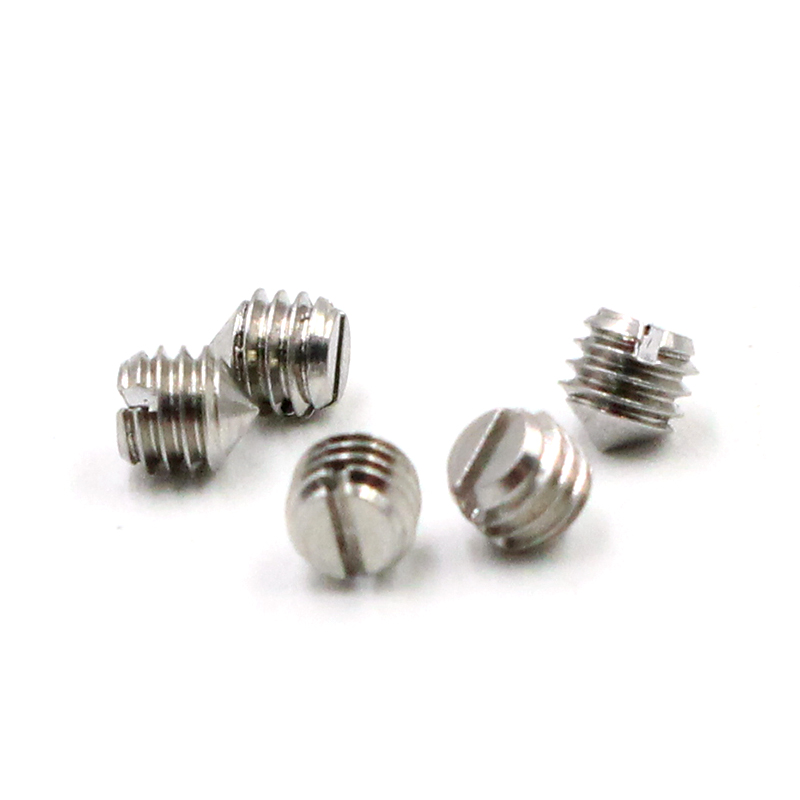
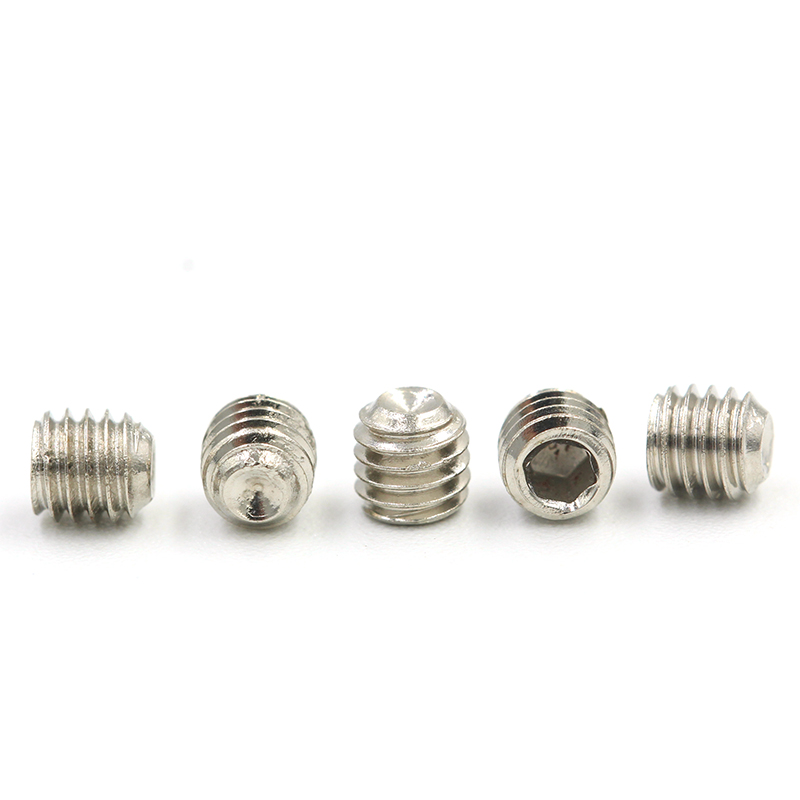
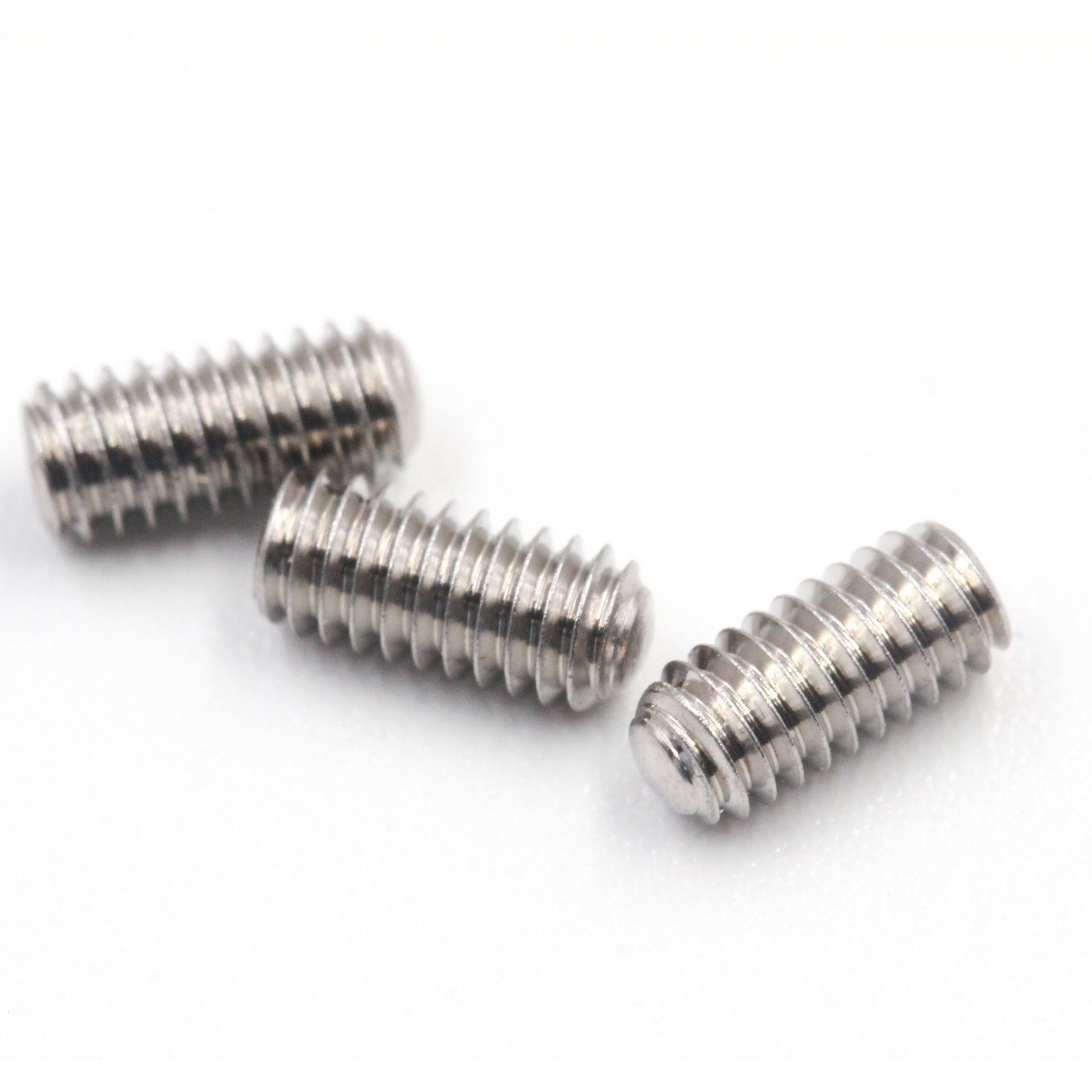
As a trusted supplier, I offer Brass Set Screws in bulk for Wholesale and Manufacturers. My stock covers a wide range of sizes, thread pitches, and head styles, all made from high-quality brass for corrosion resistance and excellent torque transfer. Whether you need hex socket, cup point, or button style, I can match your spec and deliver quickly to meet production schedules. I price competitively for wholesale orders, with flexible packaging options and low minimums for repeat customers. I understand the needs of manufacturers who require tight tolerances and consistent finishes, so I test each batch for thread fit and surface smoothness. My service includes OEM label, custom packaging, and fast lead times. If you are sourcing Brass Set Screws for mass production, I can help you reduce total cost per unit while maintaining reliability. Contact me today to discuss your MOQ, specs, and delivery terms.

Hot Selling Product

Brass Set Screws Sets the Industry Standard Leads the Global Market

Brass set screws have earned recognition as the industry standard for fastening in precision assemblies. Their copper-zinc alloy offers excellent corrosion resistance, dimensional stability, and non-magnetic behavior, making them ideal for electronics, aerospace, automotive, and household appliances. With superior machinability, they deliver consistent thread engagement and tight tolerance performance, even in challenging environments. The combination of reliable strength, attractive cost, and compatibility with soft metals has cemented brass set screws as the default choice for innumerable applications worldwide. Global buyers expect a steady supply of quality, traceability, and flexible service. Leading suppliers provide standardized options in a wide range of sizes and finishes, plus customization for length, thread, and head style. Robust quality management, RoHS/REACH conformance, and rigorous packaging protect parts from corrosion during transit. Efficient logistics, scalable production, and responsive after-sales support help procurement teams minimize risk and maintain just-in-time inventories across multiple continents.

Brass Set Screws Sets the Industry Standard Leads the Global Market

Product ID Size Thread Length Material Finish Drive Type Head Type Standard
BRSS-001 1/4 in 1/4-20 UNC 1/2 in Brass CuZn39Pb3 Plain Internal Hex Socket Set Screw ANSI/ASME B18.3
BRSS-002 3/8 in 3/8-16 UNC 3/4 in Brass CuZn39Pb3 Nickel-plated Internal Hex Socket Set Screw ANSI/ASME B18.3
BRSS-003 M6 M6 x 1 8 mm Brass Plain Hex Socket Socket Set Screw DIN 914
BRSS-004 M8 M8 x 1.25 12 mm Brass CuZn39Pb3 Blackened Hex Socket Socket Set Screw DIN 914
BRSS-005 1/2 in 1/2-13 UNC 1 in Brass CuZn39Pb3 Nickel-plated Internal Hex Socket Set Screw ANSI/ASME B18.3
BRSS-006 5/16 in 5/16-18 UNC 3/4 in Brass Plain Internal Hex Socket Set Screw ANSI/ASME B18.3
BRSS-007 M12 M12 x 1.75 20 mm Brass Nickel Hex Socket Socket Set Screw DIN 914
BRSS-008 1/8 in 1/8-16 UNC 1/4 in Brass Plain Internal Hex Socket Set Screw ANSI/ASME B18.3

Related Products

banner (4)

Brass Set Screws Dominates Custom Solutions,

Data Dimension: Usage Share by Fastener Type in Custom Solutions

This analysis presents a longitudinal view of fastener type usage in custom solutions, focusing on the relative shares of Brass Set Screws, Stainless Steel Screws, Nylon/Plastic Inserts, and Other Materials from 2015 through 2025. Each year’s shares sum to 100%, enabling straightforward comparison of trends without volume bias. The brass set screw category leads the field, rising from about 40% in 2015 to around 60% by 2025, while the other categories adjust to keep the total stable. The chart shows that stainless steel screws decline gradually, reflecting growing preference for brass in applications requiring ease of machining, lower friction, and favorable corrosion thresholds in lighter assemblies. Nylon inserts and other non-metal options maintain a steadier, smaller portion, representing niche roles such as vibration damping, insulation, and specialized electrical contexts. The overall pattern suggests manufacturers are standardizing on brass where compatibility and cost are critical and where modest strength meets design tolerance. Several drivers appear to be at work: improved supply chain access to brass grades suitable for precise threading, better surface finishes that reduce galling, and design practices that favor uniform installations across small-diameter fasteners. Environmental and cost considerations also shape decisions; brass often provides a balanced mix of machinability, corrosion resistance in moderate environments, and predictable assembly behavior. The data emphasize the value of a comparative lens when selecting fasteners for custom solutions; even as brass rises, the role of stainless steel, nylon, and other materials remains important for applications with high strength, non-conductive requirements, or exceptional corrosion exposure. This visualization supports product teams, procurement managers, and designers by revealing how material choices evolve over time and where potential tradeoffs lie as markets and technologies progress.

Top Selling Products