banner (1)

Black Zinc Cone Point Set Screw - ODM Factory Fasteners

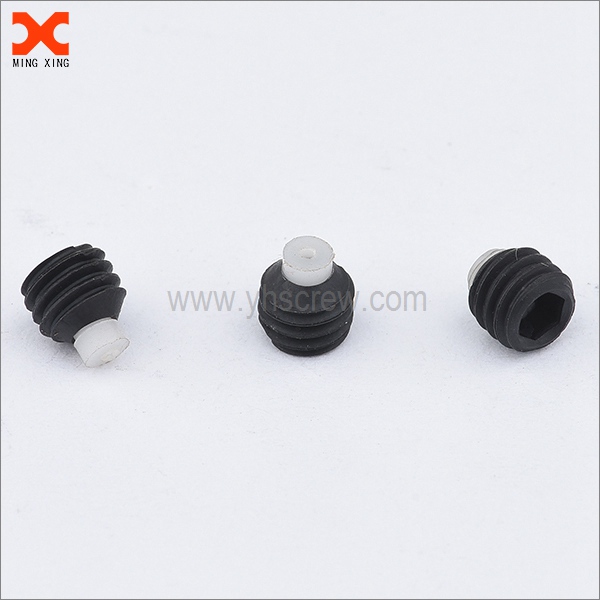
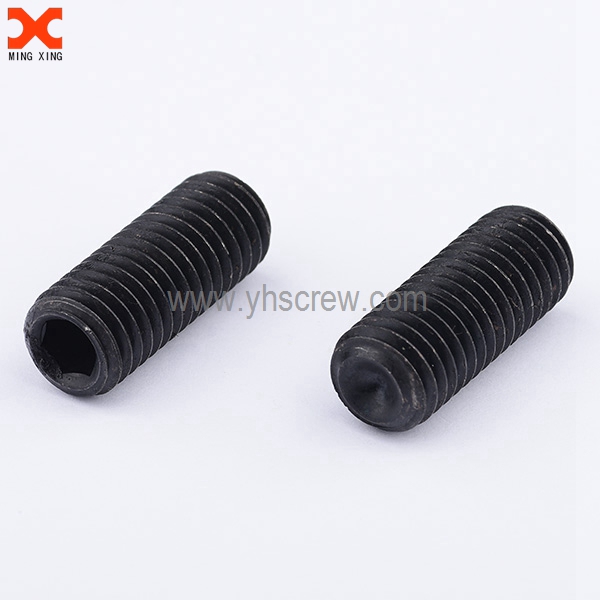
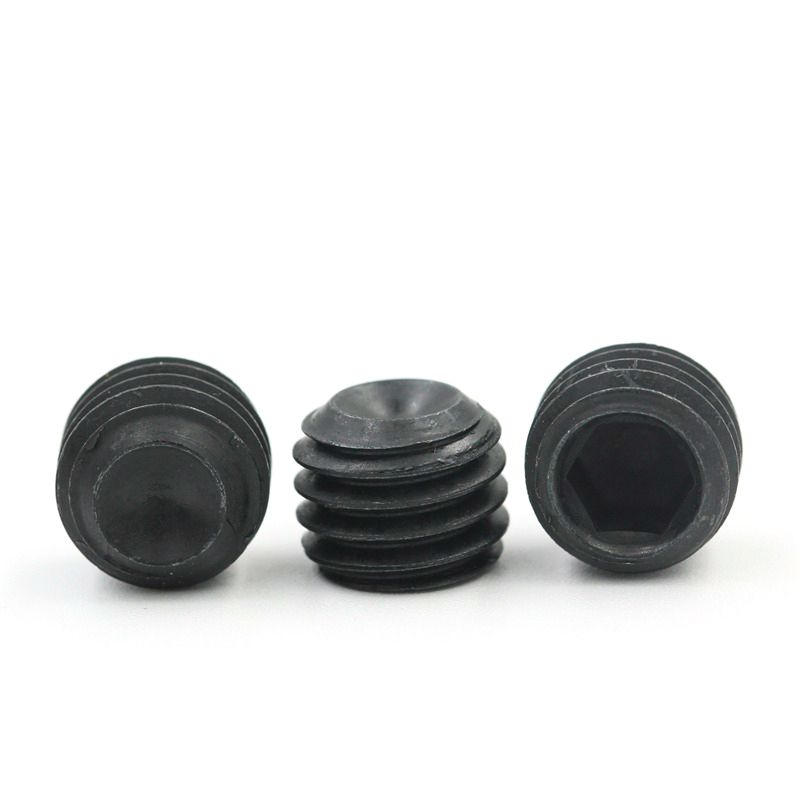
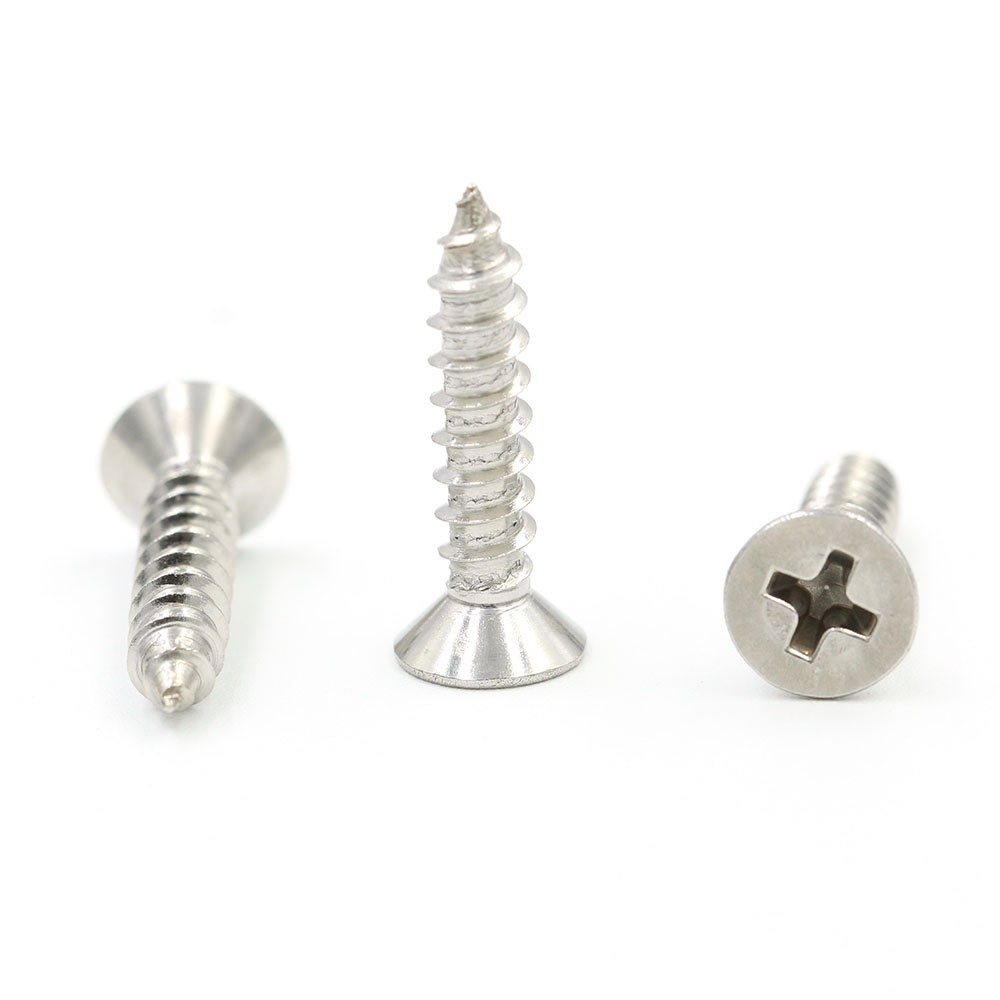
I’m your sourcing partner, and I bring a reliable range of fasteners to meet OEM demands. Our black zinc cone point set screw is made from high-grade steel and finished with a durable black zinc coating for corrosion resistance in tough environments. The cone point design provides precise seating and reduces marring when tightening, making it ideal for clamping and indexing applications. I offer ODM support and Factory-direct pricing, so you can customize thread sizes, lengths, and head types to your exact drawings while keeping lead times short. You can count on consistent quality, from material certification to tight dimensional tolerance. Whether you need small batches or high-volume production, I can align production to your supply chain and provide container-ready packaging. Let’s talk about your application, required standards, and how we can streamline procurement for your team today.

Hot Selling Product

black zinc cone point set screw Market Leader More Than a Supplier - A Partner

Global buyers know that a black zinc cone point set screw is more than a fastener; it is a precision locator that must perform consistently across environments. A true market leader delivers not only quality and tight tolerances, but end-to-end service: engineering support, transparent processes, and scalable production that meet urgent global demand. A partner-level supplier provides dependable lead times, material traceability, and practical guidance on compatibility and surface treatment, reducing project risk across the supply chain. Look for a partner who offers design collaboration, rapid sampling, and flexible packaging. Key capabilities include customization of length, thread, and head style, clear documentation, and strong QA with lot traceability. A reliable partner aligns with your procurement calendar—offering JIT or vendor-managed inventory and dependable after-sales support. With a commitment to quality, compliance, and continuous improvement, you gain predictable performance, minimal downtime, and a sustainable path to global growth.

{ black zinc cone point set screw Market Leader More Than a Supplier - A Partner}

Product_ID Material Coating Head_Type Point_Type Thread_Size Length_mm Diameter_mm Tensile_Strength_MPa Hardness_HRC Finish Standards_Compliance Applications Origin_Country Certification
CPS-BZ-001 Carbon Steel Black Zinc Socket Cone Point M5x0.8 8 5 650 40 Black Zinc ISO 9001; RoHS Workholding, locating, clamping China CE; RoHS
CPS-BZ-002 Carbon Steel Black Zinc Socket Cone Point M6x1.0 12 6 700 38 Black Zinc ISO 9001; RoHS Clamping, locating China CE; RoHS
CPS-BZ-003 Alloy Steel Black Zinc Socket Cone Point M8x1.25 16 8 900 42 Black Zinc ISO 9001; RoHS Precision assembly China CE; RoHS
CPS-BZ-004 Carbon Steel Black Zinc Socket Cone Point M4x0.7 6 4 520 32 Black Zinc RoHS Small components China CE
CPS-BZ-005 Alloy Steel Black Zinc Socket Cone Point M3x0.5 4 3 520 34 Black Zinc ISO 9001; RoHS Miniature positioning China CE; RoHS
CPS-BZ-006 Carbon Steel Black Zinc Socket Cone Point M10x1.5 18 10 850 44 Black Zinc ISO 9001; RoHS Heavy-duty clamping China CE; RoHS
CPS-BZ-007 Alloy Steel Black Zinc Socket Cone Point M12x1.75 24 12 980 46 Black Zinc ISO 9001; RoHS Precision alignment in automation China CE; RoHS
CPS-BZ-008 Carbon Steel Black Zinc Socket Cone Point M16x2.0 30 16 1100 48 Black Zinc ISO 9001; RoHS Heavy equipment assembly China CE; RoHS

Related Products

banner (4)

black zinc cone point set screw Your End-to-End Solution Outperforms the Competition

New Data Title: Efficiency vs Throughput Across Time

Efficiency (%) Throughput (units/hour)

Explanation: This chart displays two performance metrics across a 12-month horizon to illustrate the impact of an end-to-end optimization approach on production outcomes. The left axis shows efficiency at a percentage scale, indicating how effectively inputs are converted into finished parts. The right axis shows throughput measured in units per hour, capturing the output rate independent of efficiency, enabling a multi-dimensional view of overall performance. The data reveal a clear upward trend in both metrics from January to December, reflecting a maturation process where integration across planning, tooling, and process control reduces variability and enhances capability. Efficiency rises from the mid-70s to the mid-90s, signaling fewer defects, better upstream throughput, and more consistent yields. Throughput also climbs, with modest gains early in the year followed by stronger acceleration mid-year, suggesting cycle times shortened as workflows were streamlined and handoffs between stages were minimized. The near-parallel movement of efficiency and throughput indicates a positive correlation: improvements in process reliability tend to translate into higher production velocity. Occasional deviations—slower progress in March and August—may correspond to temporary shifts in demand, component supply, or maintenance windows; these are opportunities to tighten scheduling, diversify buffers, and reinforce preventive maintenance to sustain momentum. The combination of higher efficiency and higher throughput implies lower unit costs and improved capacity, enabling faster response to customer demand without compromising quality. This visualization highlights the value of end-to-end data sharing and cross-functional optimization: when design, procurement, and production teams align around common targets, the compounding benefits become evident in both quality and productivity. For decision-makers, the chart supports a data-driven approach to continuous improvement. Future enhancements could include overlaying defect rate and energy consumption to broaden the performance picture, or adding interactive filters to drill into specific production lines or time windows, enabling deeper root-cause analysis and more precise action plans.

In practice, monitoring these metrics on a single dashboard fosters proactive management, where alerts can trigger investigations before bottlenecks crystallize into late deliveries. The end-to-end strategy should also incorporate a feedback loop from customers and frontline operators, ensuring that the data reflects real-world conditions and supports rapid experimentation. Implementing guardrails and standard work ensures that gains are sustained across scale and product variants.

Top Selling Products