

The 5G antenna and the remote radio frequency unit (RRU) are usually installed on the communication tower, roadside pole or building facade, requiring long-term stable operation in complex outdoor environment. The equipment is subject to strong wind load, continuous vibration, temperature difference change and rain and moisture erosion for a long time, which puts forward higher requirements on the strength, anti-loosening performance, fatigue resistance and corrosion resistance of screws. Whether the screw type is reasonable directly affects the antenna structure stability, signal transmission reliability and the service life of the overall equipment.
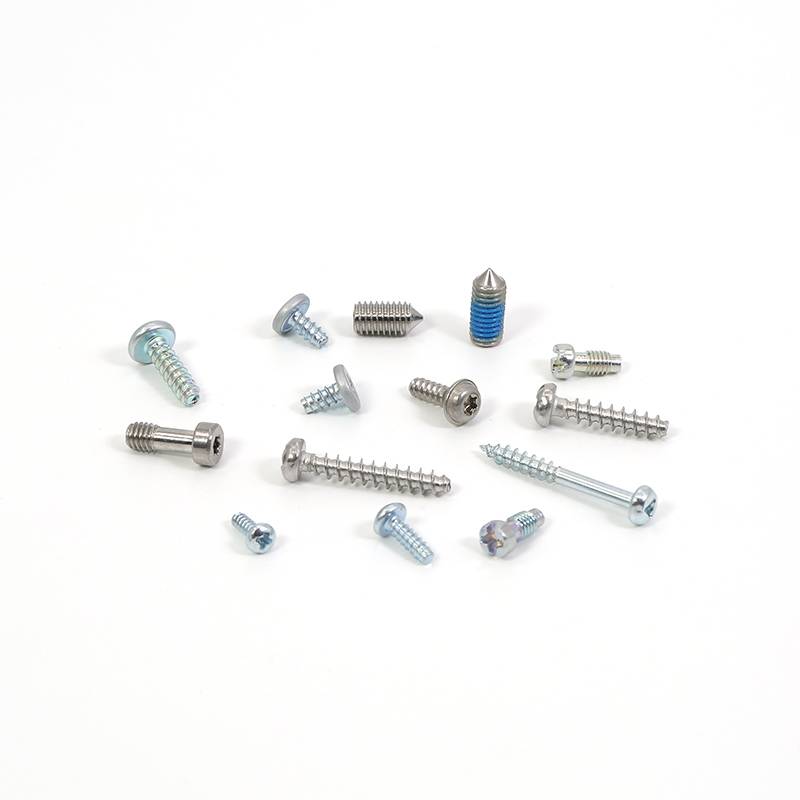
YH FASTENER can provide 5G communication equipment manufacturers with a variety of structural fastening solutions to meet the assembly requirements of different antennas and RRU installation systems.

1. Application of screws in antenna bracket fixing
In the construction of 5G base station, the antenna is usually fixed on the tower or building structure through the support system. Screws are mainly used for connection of support structure, fixing of cross beam and fastening of bearing parts.
As the antenna is exposed to outdoor environment for a long time and continuously bears wind load impact and vibration, if the screw preload or strength is insufficient, the support will be loosened or the structure will be displaced, thus affecting the signal stability.
High-strength structural screws provide stable clamping and bearing capacity in such applications; At the same time, the anti-loose structural screws can effectively reduce the risk of loosening caused by long-term vibration and ensure the long-term safety and stability of the antenna installation structure.
2. Application of screws in installation and support connection of RRU equipment
RRU equipment is usually fixed on the tower or wall structure through metal support, and screws are mainly used for equipment base fixing, supporting connection and bearing structure fastening.
RRU will generate a certain amount of heat in the operation process, and is affected by external environmental vibration and wind load, so it has high requirements on the fatigue resistance and long-term stability of screws. If the screws are loose, the equipment may be displaced or the connecting structure may be unevenly stressed.
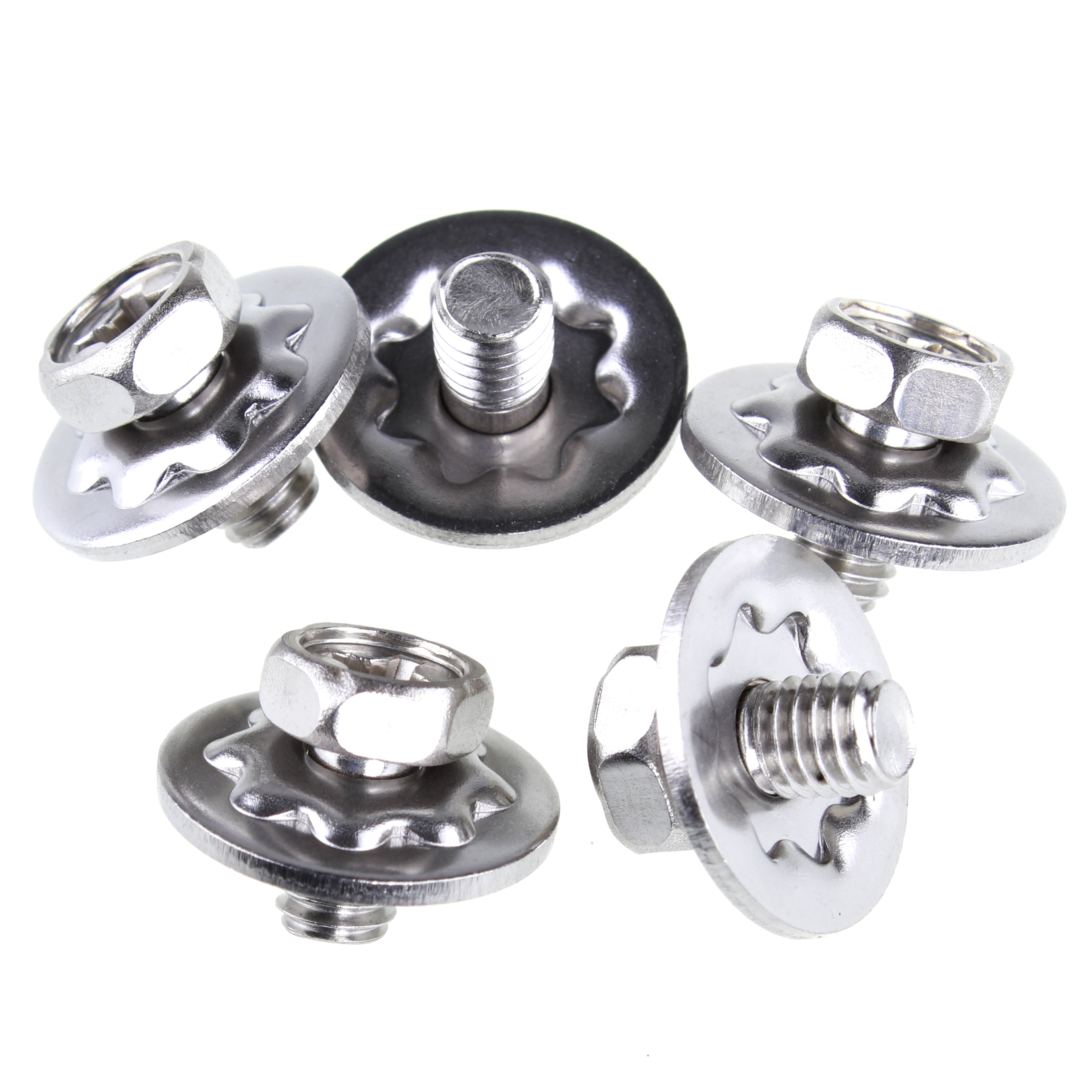
Combination screws (SEMS Screws) offer significant advantages in such applications, improving assembly efficiency and ensuring stable preload, maintaining structural reliability under long-term dynamic conditions.
3. SCREW APPLICATION IN ADJUSTABLE TILT AND POSITIONING STRUCTURES
To optimize signal coverage, 5G antenna mounting systems typically have an adjustable tilt structure for precise antenna orientation and angle control. The screw is mainly used for positioning structure connection, angle adjustment locking and bearing shaft position fixing.
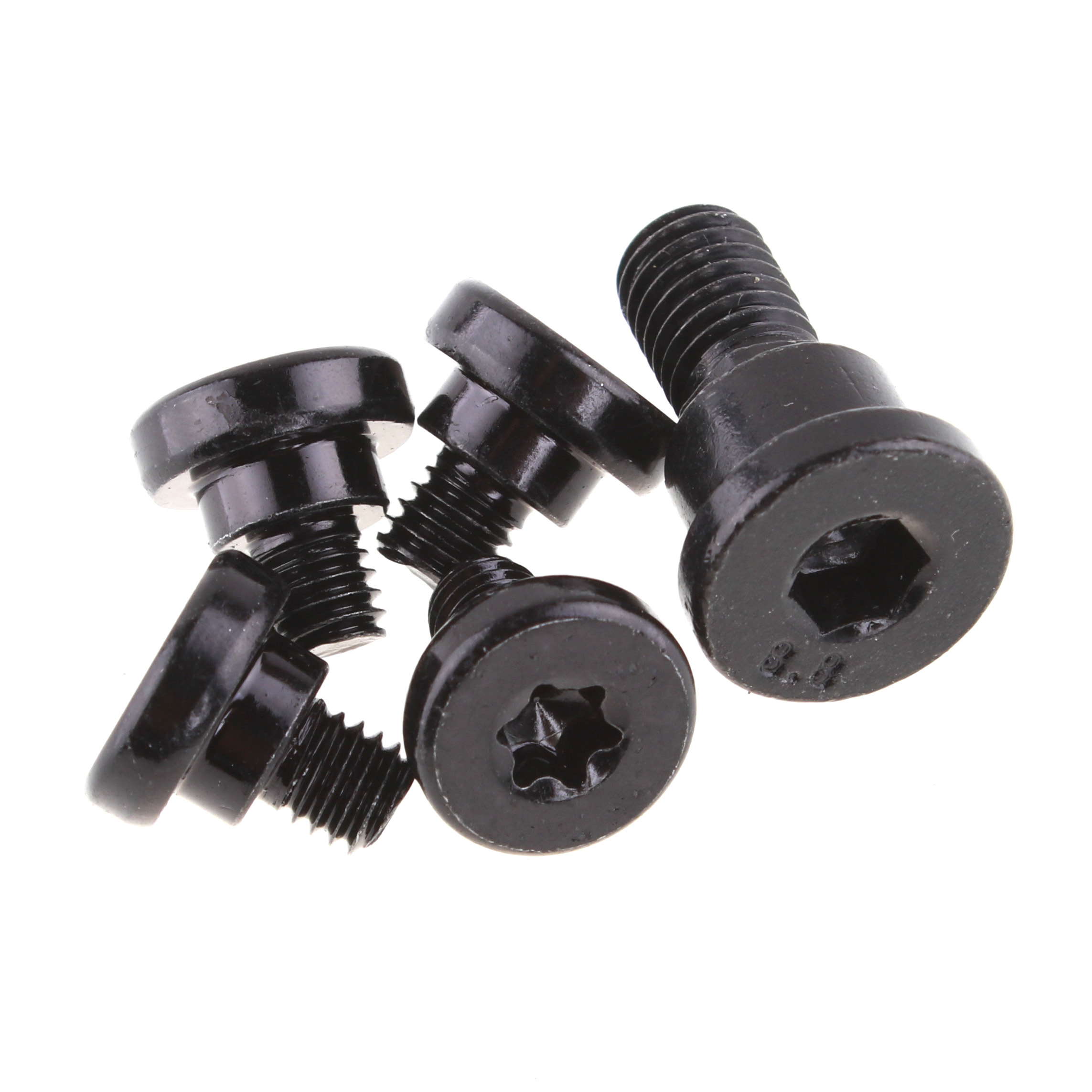
In this type of structure, it is necessary to ensure the smoothness of the adjustment process and achieve stable locking after adjustment. The Step Screws can give consideration to the positioning accuracy and structural stability, so as to make the stress more uniform and maintain the reliability of the regulating structure.
With the anti-loose structure design, it can effectively prevent the angle deviation under long-term vibration conditions and ensure the stability and accuracy of antenna signal coverage.
With stable and reliable screw solution, YH FASTENER continuously assists 5G communication equipment manufacturers in improving structural safety of antenna and RRU installation system, reducing operation and maintenance risks, and enhancing stability and reliability of equipment in long-term outdoor environment.
Please contact us for screw solutions that better suit your 5G antenna and RRU installation system application scenarios.
Post time: Feb-28-2026





