
We often go to assembly workshops and talk with production workers. Customers pick countersunk self tapping screws to get flat surface finish. But many problems pop up once mass assembly starts.
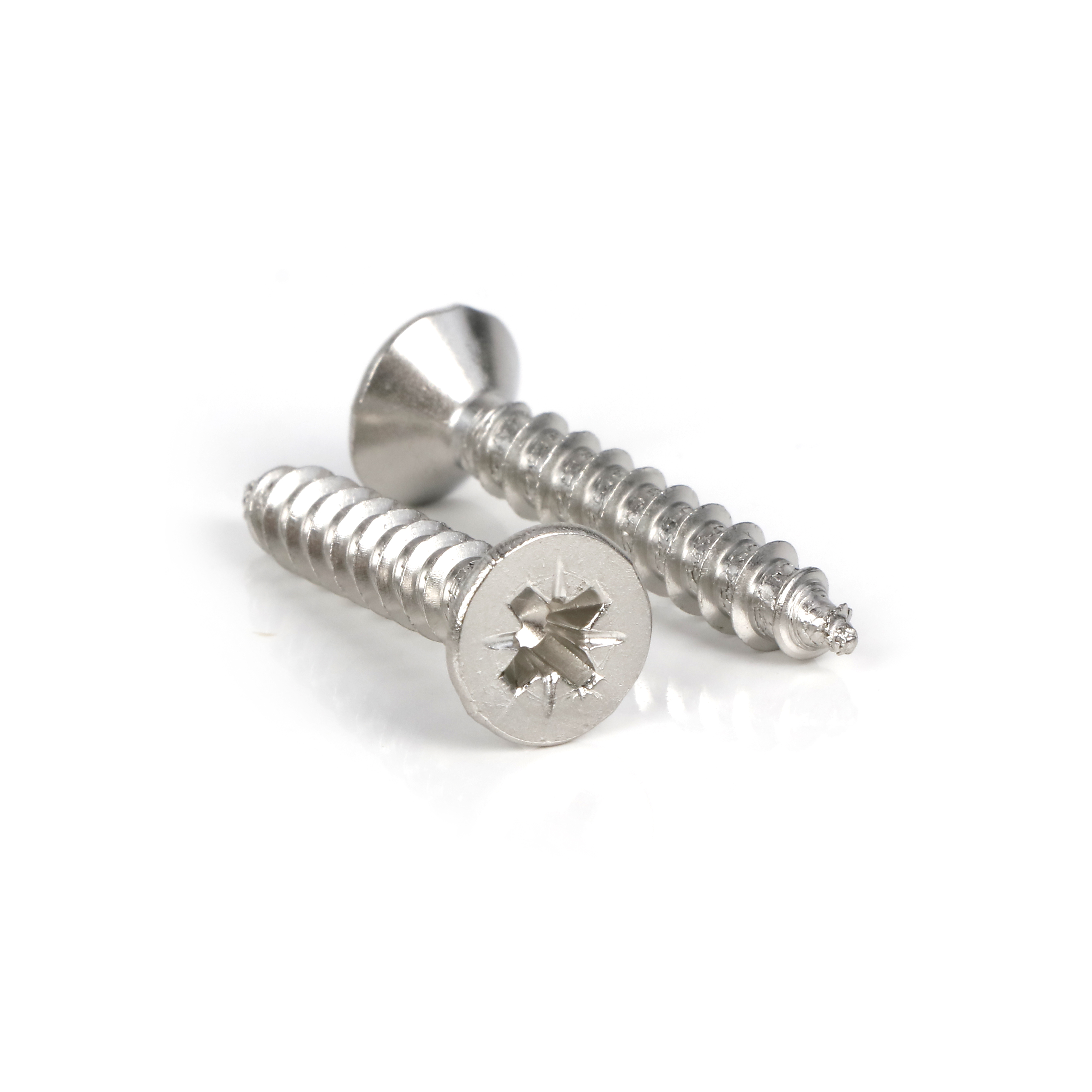
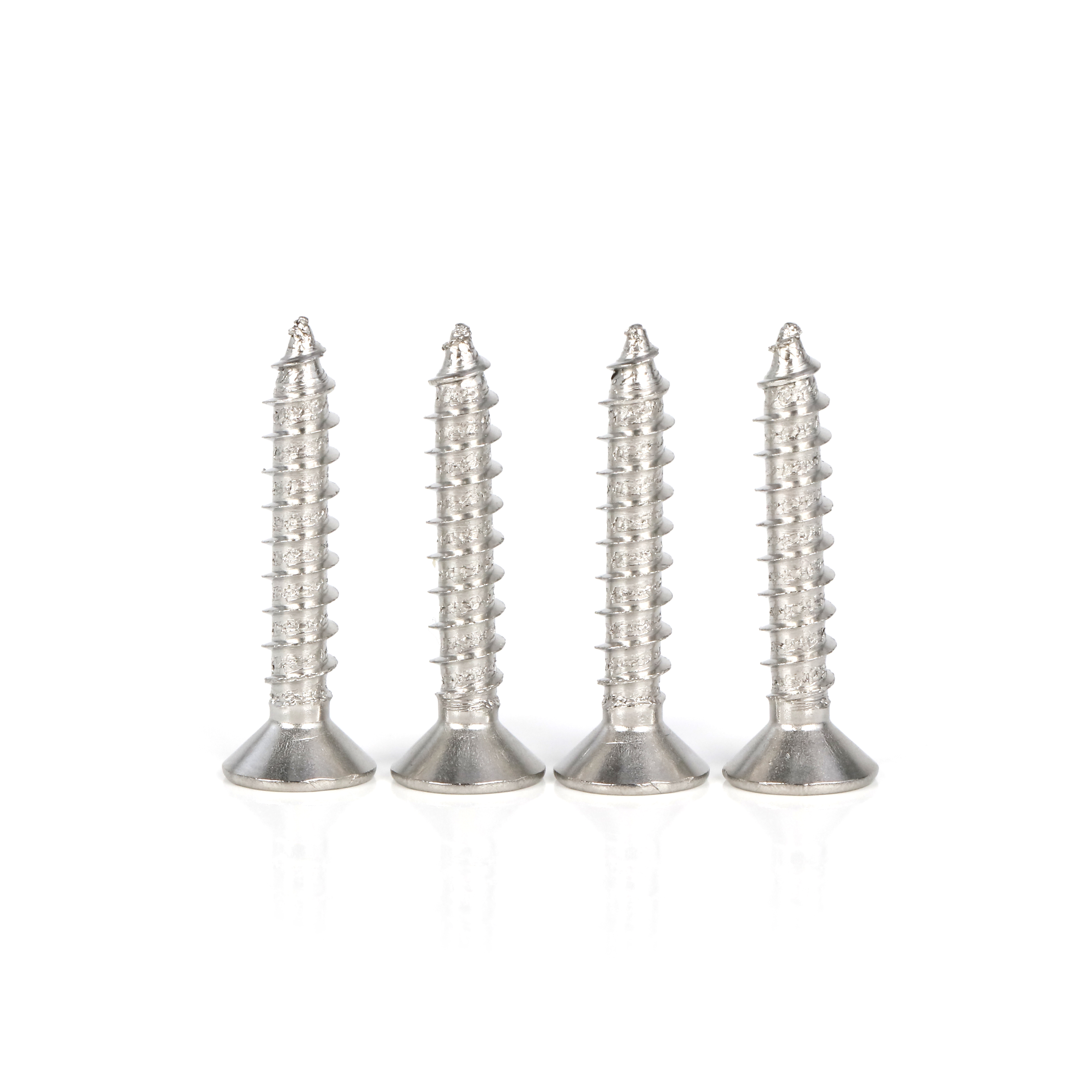
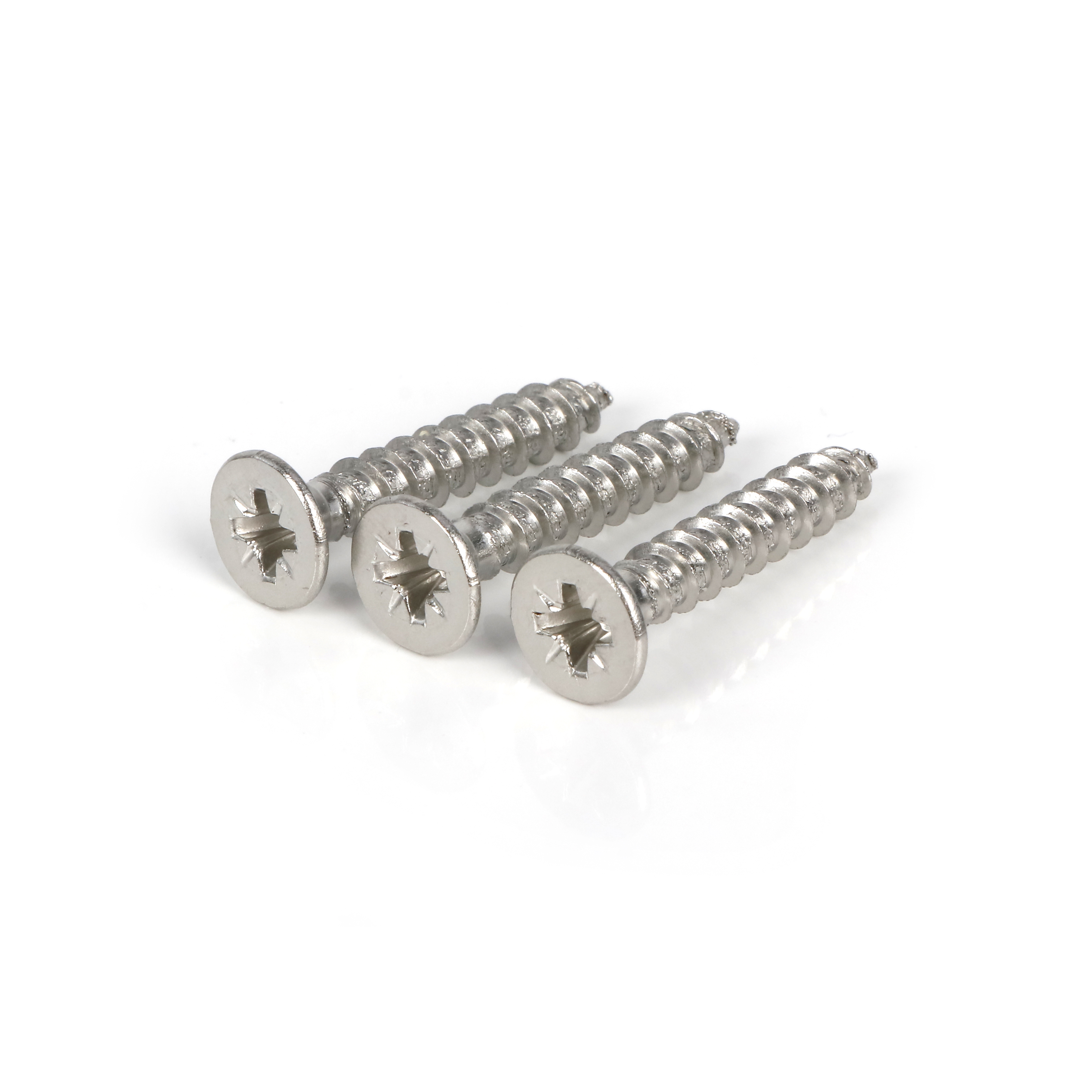
Sometimes panels crack right when tightening. Some screw heads stick out above panel. Others sink too deep into material. A few finished assemblies get loose after vibration test.
Most of these troubles are not caused by defective screws. Many teams skip hole test before mass run, or torque values are not set properly. We supply self-tapping screws and work with buyers to sort these field issues all the time. We write down these real cases and simple fixes here.
Screw head will not sit flat is the most common complaint we receive. If countersink cut is too small, head sticks out. If countersink cut is oversized, head sinks deep and loses supporting area. Do not only rely on drawing data. Test on your real raw material first. Countersink angle must match screw head angle. Even tiny angle difference makes contact uneven.
Cracks usually happen on hard plastic, thin composite sheets and brittle boards. Common reasons include undersized pilot hole, fast screwdriver speed, or high torque. When screw cuts threads, pressure builds around hole. Material cracks once pressure exceeds its limit. For plastic workpieces, choose wide pitch threads to reduce local stress. Slow down screwdriver speed during sample test.
Joints may turn loose after vibration test. Oversized pilot hole creates thin and weak threads. Joint looks tight at first, but fails under shaking force. If pilot hole is too small, screw teeth squeeze material too hard. It can jam the driver or tear workpiece. You need to find proper hole size. It should form complete threads without breaking base material.
Two holes affect final assembly result, pilot hole and countersink hole. Pilot hole controls thread strength. Countersink hole controls surface flatness. If pilot hole is too big, threads are weak and easy to loosen. If pilot hole too small, workpiece cracks or screw gets stuck. Shallow countersink makes head protrude, while deep countersink reduces connection strength.
Thread type cannot fit all materials. Thin sheet metal needs sharp cutting thread. It makes clean threads and will not pierce sheet backside. Wood and wood composite material uses thread with good holding force. Watch torque closely, wood splits easily when tightened too hard. Wide pitch thread works better on hard plastic. It lowers stress around hole and cuts cracking risk.
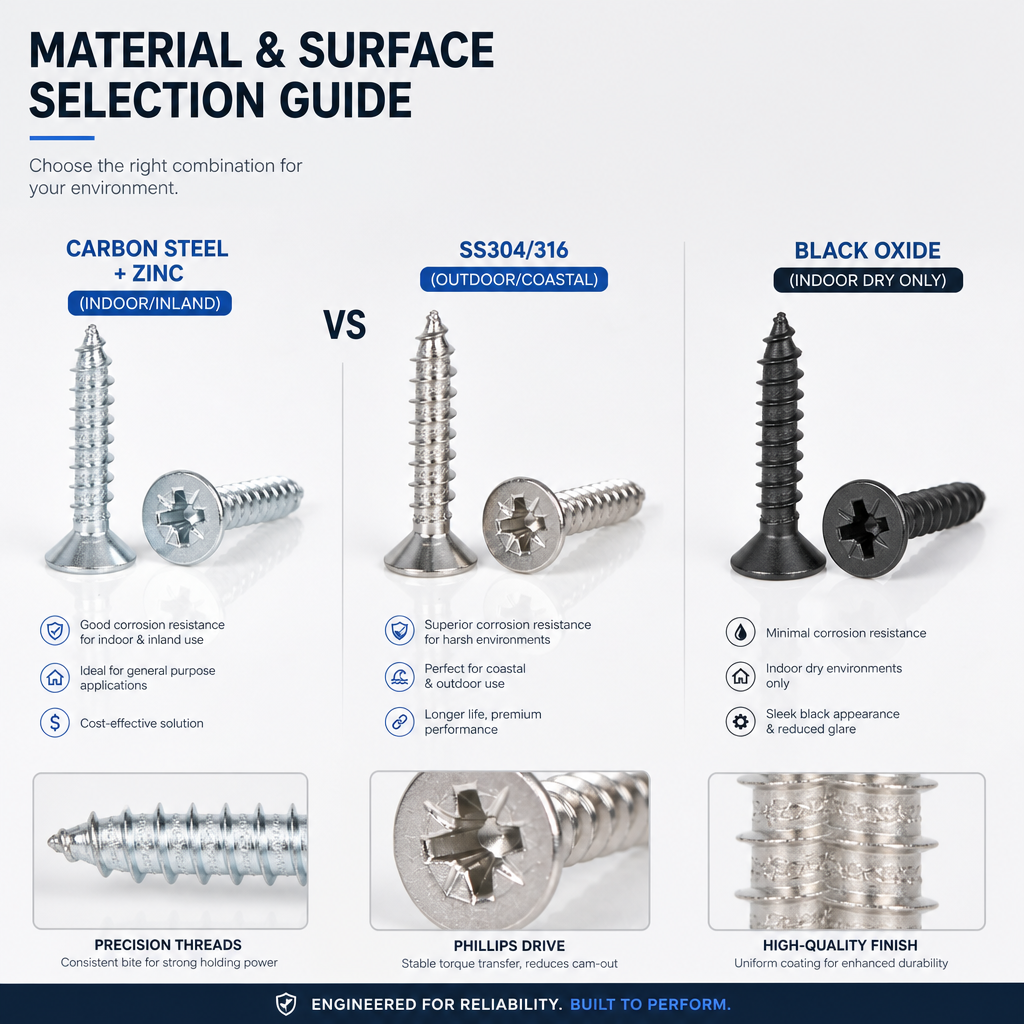
Carbon steel tapping screws cost less and fit dry indoor assembly. For outdoor or humid working condition, rust protection matters. Zinc plating is basic anti-rust treatment. Stainless steel works better in harsh environments. SUS410 is harder and good for tapping metal parts. SUS304 offers stable rust resistance. SUS316 suits coastal salt spray environment.
People use countersunk self tapping screws when exposed screw heads are not allowed. Electrical cabinet panels, furniture parts, plastic electronic housings, wood composite boards, automotive interior trim and decoration wall panels are common uses. This fastener is not suitable for all work. If workpiece is too thin to cut countersink, select other fastener types instead.
Run simple checks before full mass production. Test flush fit on real panels with sample screws. Adjust countersink dimension if heads cannot sit flat. Drill several groups of test holes, find the size for smooth tapping without cracking. Set torque limit for screwdriver, do not use maximum torque. Workpieces often break before screws break. Small batch trial is necessary. Check flatness, crack condition and thread quality, this simple work saves much rework cost.
We produce industrial self-tapping screws, serve furniture, electronics, construction and automotive customers. Our production covers cold heading, thread rolling, heat treatment and surface coating. Every batch gets dimension inspection and mechanical sampling test before shipment. Our technical team helps customers confirm hole size, torque setting and sample assembly tests.

If your project uses countersunk self tapping screws, send workpiece material, plate thickness and hole drawing to us. We suggest suitable screw type and help you avoid common assembly defects.
Post time: Oct-09-2026