
Shoulder screws look simple at first sight. Even so they directly affect machine running stability. Engineers pick them for positioning spacing and rotating pivot structures. Picking unsuitable shoulder screws brings stuck motion large clearance gaps or fast surface wear.
Many buyers only compare price and basic dimensions. This habit creates unexpected problems after mass installation. A few practical factors need checking before placing orders.
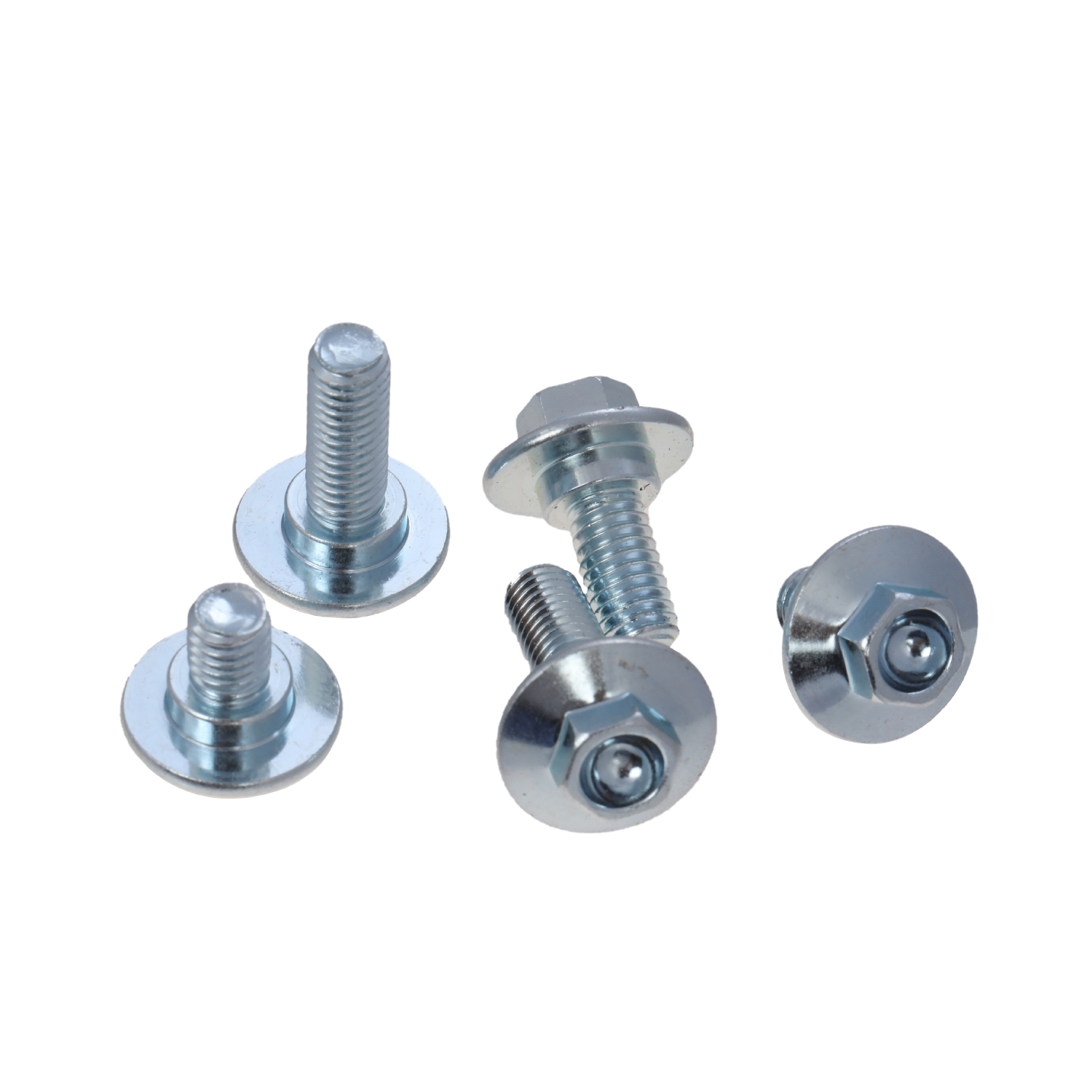
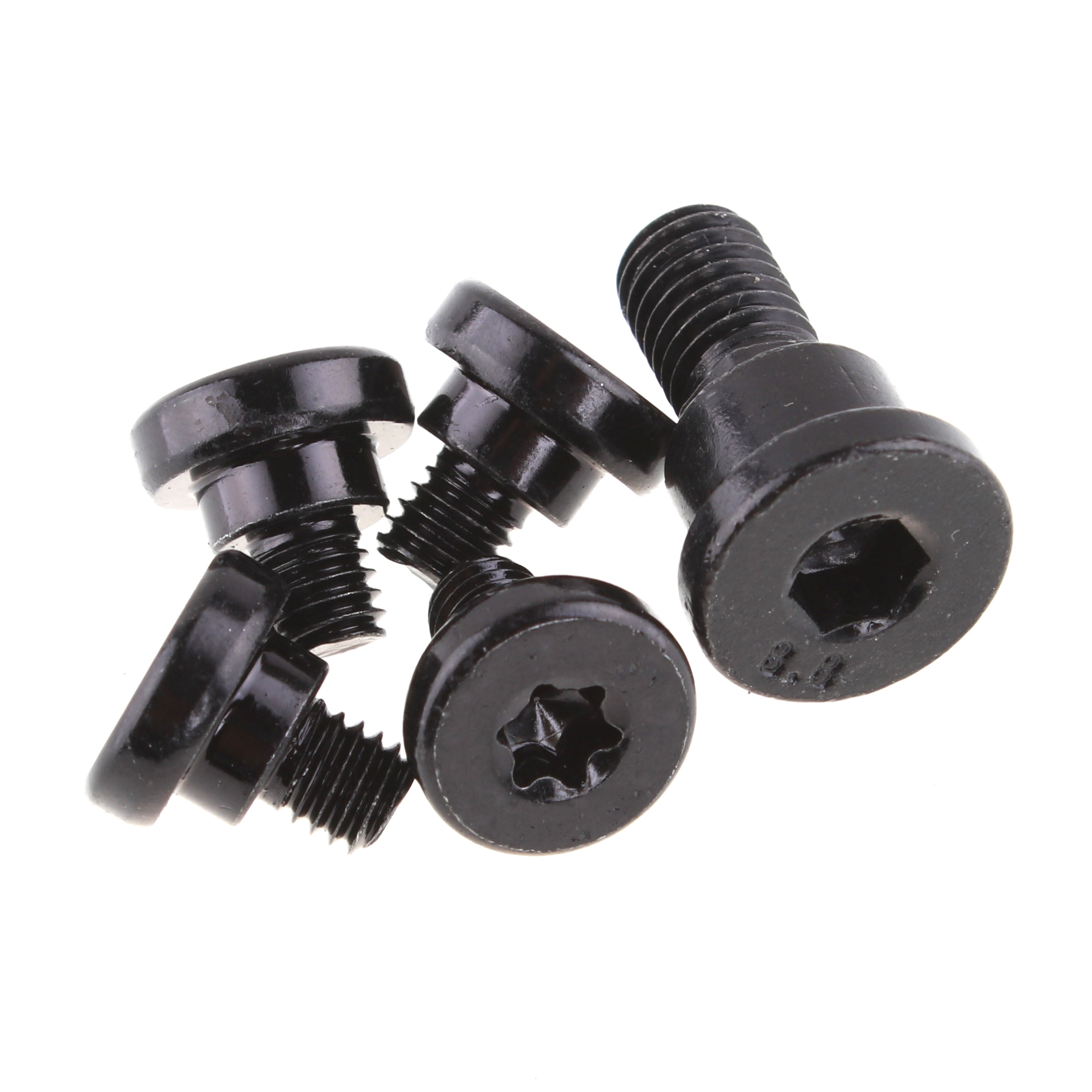
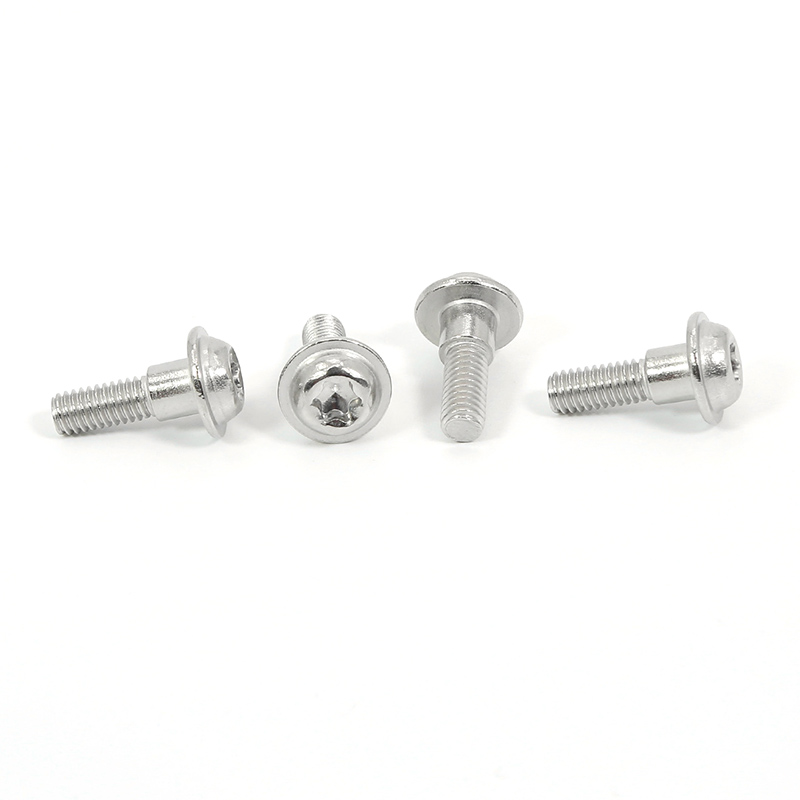
01 Start with shoulder diameter tolerance
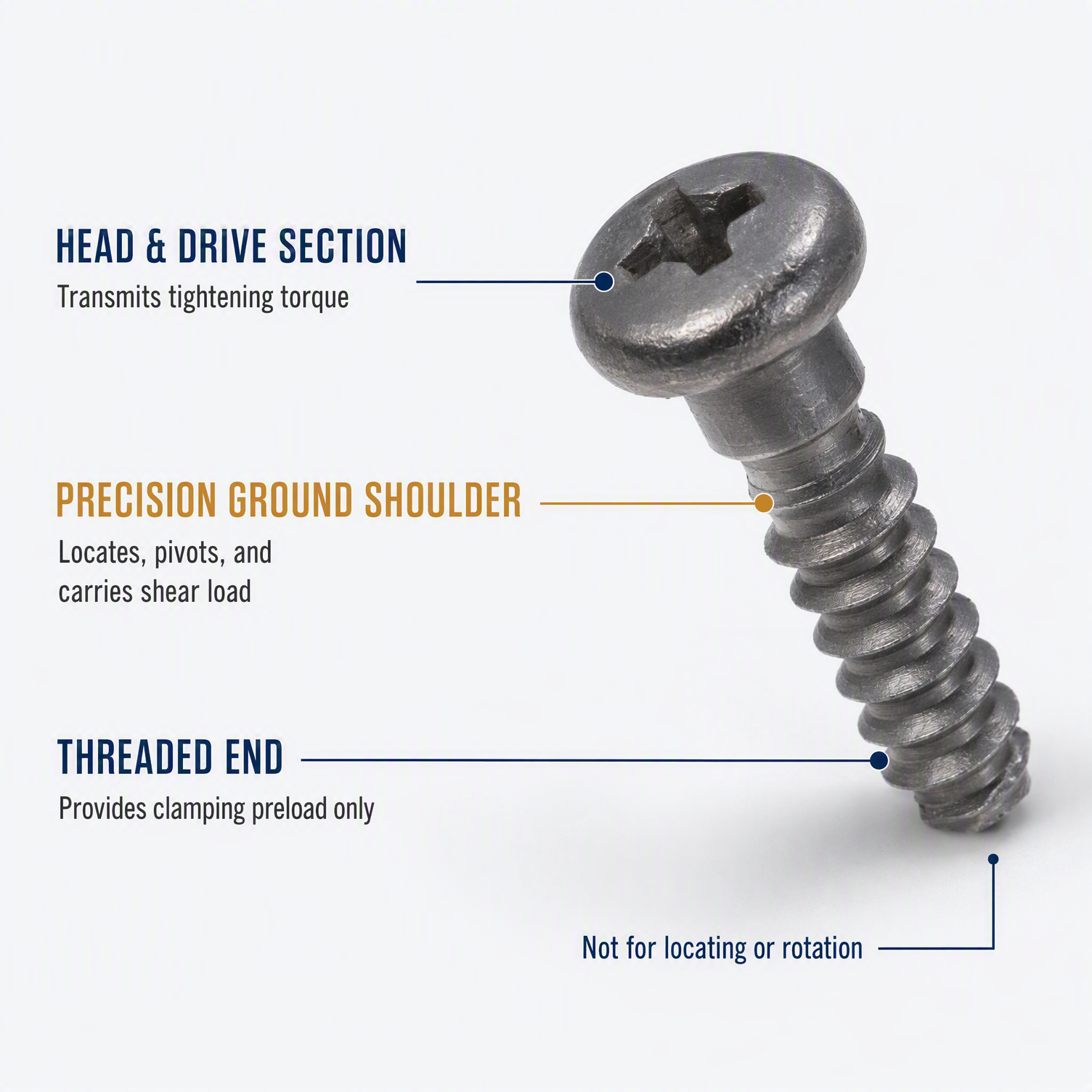
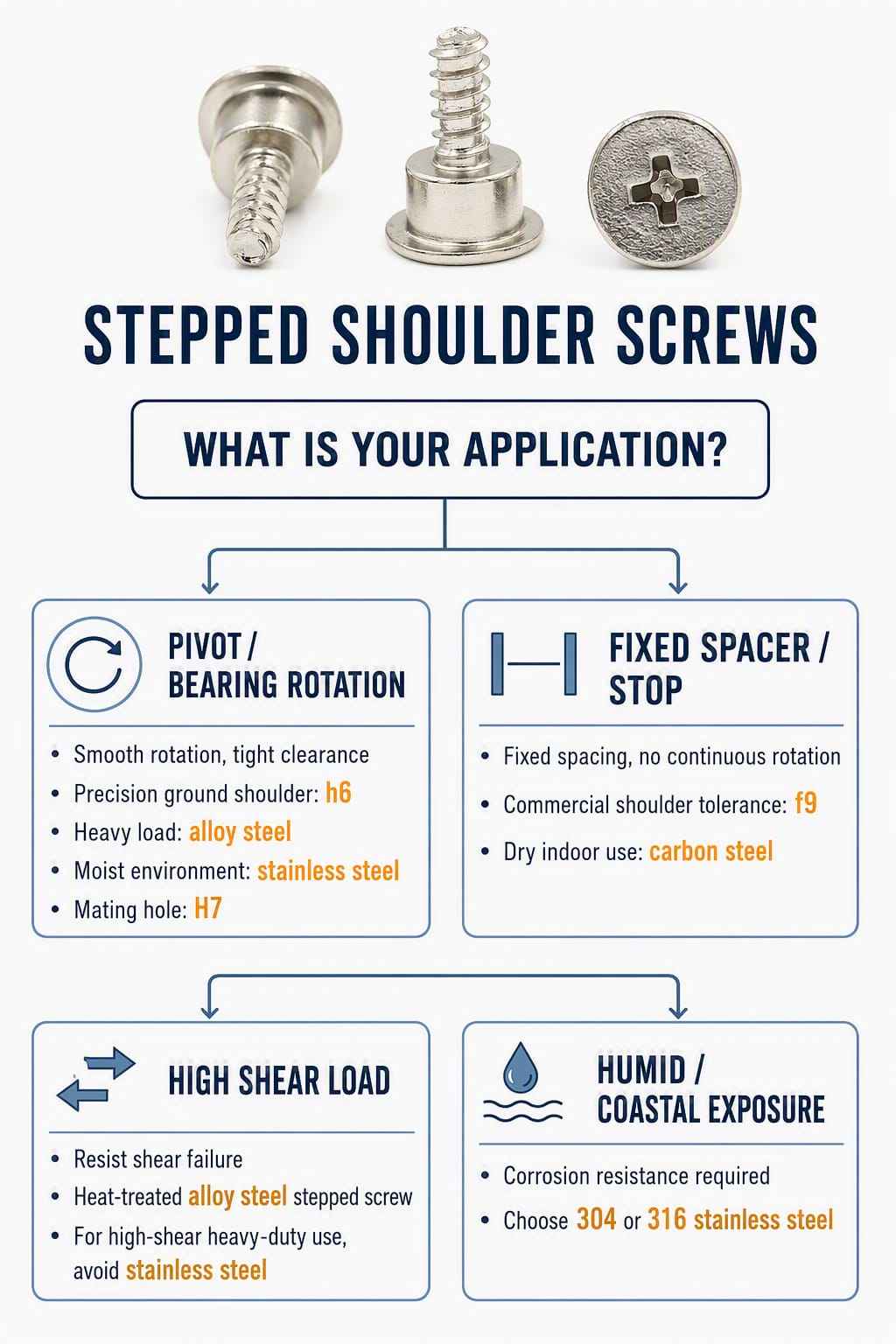
The unthreaded shoulder shaft controls assembly clearance and movement precision.
Loose tolerance causes obvious shaking during rotation. Over-tight tolerance makes assembly hard and leads to jamming. For regular static spacing h8 grade meets most demands. For rotating pivot jobs g6 tolerance is our usual suggestion.
Always match shoulder tolerance to the bore tolerance of mating parts. Do not blindly choose high precision which just increases unnecessary cost.
02 Select material based on load and environment
Material selection depends on load weight and working surroundings.
Heat-treated carbon steel shoulder screws have strong shear resistance. They work well for heavy-duty jigs inside dry workshops. Apply proper surface coating to stop rust.
Stainless steel offers reliable rust protection. SUS304 fits humid indoor working conditions. SUS316 is recommended for coastal working sites.
That being said stainless steel shear strength cannot reach hardened carbon steel. Do not use stainless versions under heavy shear load without prior confirmation.
03 Add anti loosening treatment
Constant movement and vibration slowly loosen threads. Nylon patch coating provides a simple practical fix. It adds friction between mating threads and prevents unintended loosening. For equipment with frequent vibration this small feature greatly cuts later maintenance work.
04 Head style must fit space
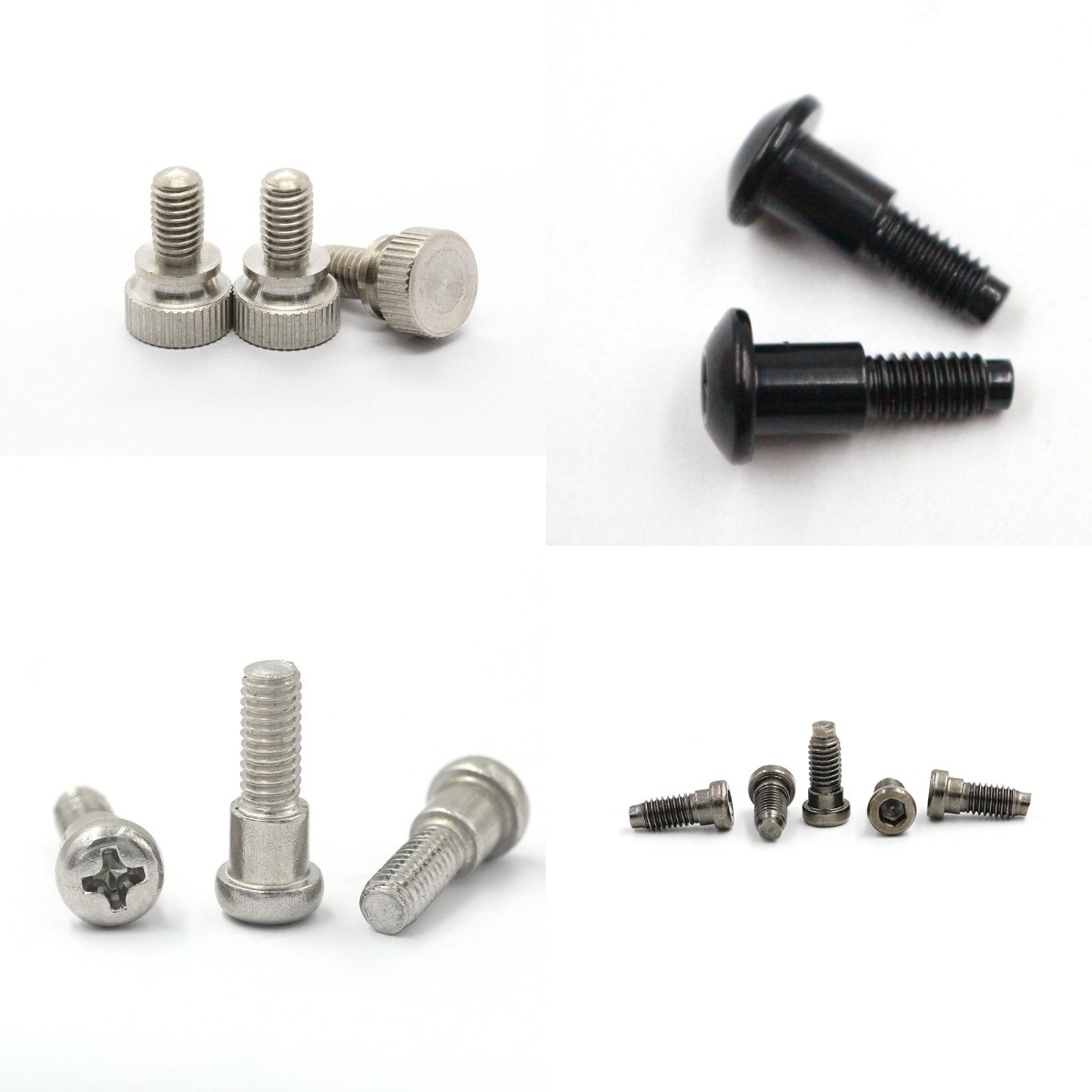
Head design is not a minor detail. Socket head types save vertical installation height. Phillips pan head shoulder screws support easy manual assembly and maintenance. Torx drive performs better when high tightening torque is required.
Check installation space and nearby components. Confirm the screw head will not interfere with surrounding parts.
Custom orders need complete drawing information
Standard sizes cannot satisfy all mechanical structures. Many projects need custom shoulder length multi-step diameter or special thread specs.
When submitting drawings fill in all key information: shoulder diameter and tolerance, shoulder working length, thread size, head dimensions, material, surface finish, hardness, and load condition.
Full clear specs reduce sample mistakes. Our team can also share simple suggestions to improve manufacturability.
Quick checklist before mass order release
Final words
Shoulder screws are small parts yet vital for precision assembly. Shoulder tolerance material head design and anti loosening function all deserve your attention.
Low price should never be your only consideration. Cheap fasteners may lead to higher repair and downtime cost later.
Post time: Oct-14-2026