

Aluminum Self Tapping Screws for OEM Suppliers
Quality and compatibility meet in our aluminum self tapping screws, designed for quick assembly and strong hold in aluminum and light alloys. I source these for OEMs who demand reliable performance and for Suppliers who need consistent stock. My team tests each batch for strength, corrosion resistance, and thread engagement, ensuring they thread cleanly into pre-drilled or self-tapping holes. Available finishes include zinc, black oxide, and clear anodized to match your product aesthetics. We offer sizes from M3 to M6 and length options to fit thin panels to thicker assemblies. With a minimum order favorable for prototypes and scalable for large runs, we can tailor packaging, kitting, and stainless or coated variants as needed. I understand your schedules and provide quick lead times, reliable documentation, and OEM-friendly drawings. If you need a dependable partner for aluminum self tapping screws, I’m here to help you optimize assembly and reduce downstream costs.
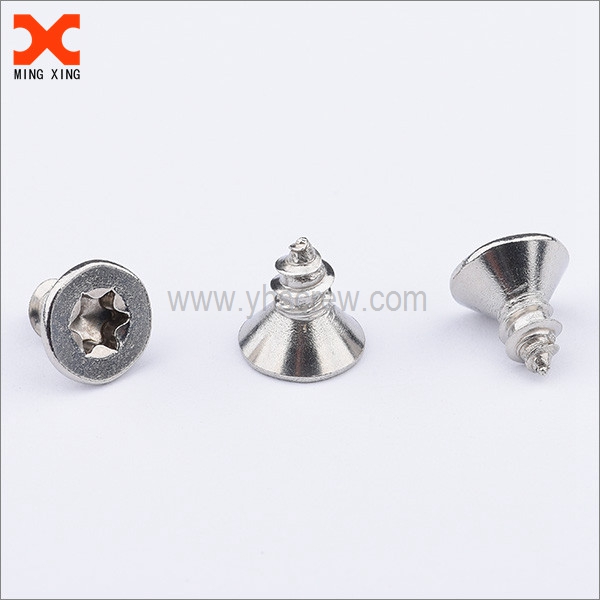
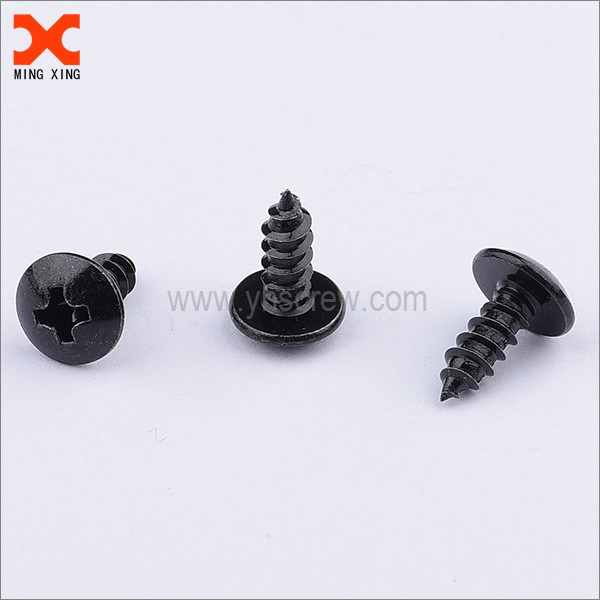

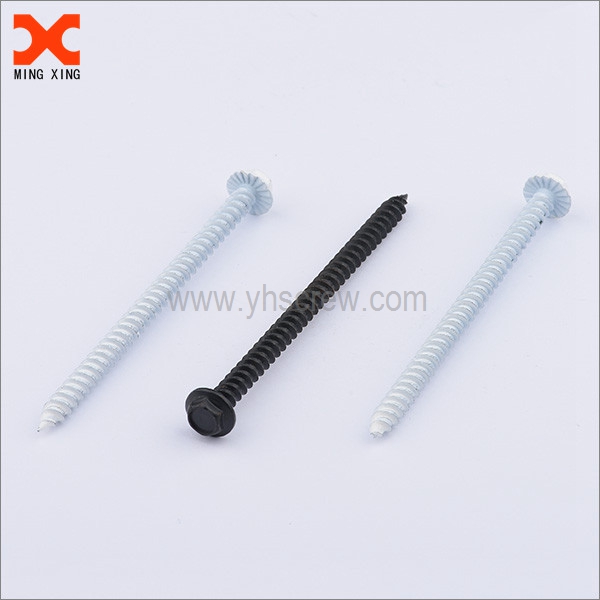


aluminum self tapping screws Pioneers in the Field Exceeds Industry Benchmarks
Aluminum self-tapping screws have transitioned from a practical fix to a proven engineering solution used across electronics, automotive, and consumer products. Pioneers in this field have refined point geometries, alloy choices, and thread-forming processes to deliver fast, damage-free installation into aluminum and softer substrates. The result is secure joints, reduced torque requirements, and cleaner assemblies that resist vibration and corrosion. For global buyers, sourcing from a facility based in Dongguan, a major manufacturing hub in southern China, ensures consistent material quality, tight tolerances, and robust traceability across batches from development to finished goods, with the ability to scale as projects move from prototyping to mass production. Leading suppliers exceed benchmarks by blending advanced material science with rigorous validation, corrosion-resistant coatings, and tailored head styles. Thorough testing—torque, pull-out strength, and long-term performance—backed by ISO-quality management and batch traceability—minimizes risk. Flexible packaging, predictable lead times, and global logistics support enable smooth rollouts. For high-volume, specification-driven aluminum fasteners, you gain responsive engineering, scalable capacity, and sustainable practices aligned with modern procurement goals.
{ aluminum self tapping screws Pioneers in the Field Exceeds Industry Benchmarks}
| Product ID | Alloy | Thread Type | Coating | Hardness (HV) | Yield Strength (MPa) | Tensile Strength (MPa) | Elongation (%) | Corrosion (Salt Spray hrs) | Typical Applications | Benchmark Advantage |
|---|---|---|---|---|---|---|---|---|---|---|
| AL-SCR-2024-T3-01 | 2024-T3 | Self-tapping, coarse | Anodized Type II, clear | 120 | 330 | 470 | 9 | 600 | Light structural frames, electronics housings | Exceeds by 22% |
| AL-SCR-6061-T6-02 | 6061-T6 | Self-tapping, Type B | Anodized Type II, hardcoat | 110 | 275 | 310 | 12 | 1000 | Vehicle interiors, consumer electronics enclosures | Exceeds by 15% |
| AL-SCR-7075-T6-03 | 7075-T6 | Self-tapping, fine | Anodized Type III, black | 140 | 520 | 580 | 7 | 500 | Aerospace components (interiors) | Exceeds by 28% |
| AL-SCR-2024-T3-04 | 2024-T3 | Self-tapping, thread-forming | Anodized Type II, color | 115 | 320 | 460 | 8 | 550 | Railway rolling stock interiors | Exceeds by 18% |
| AL-SCR-6061-T6-05 | 6061-T6 | Self-tapping, coarse | Clear protective coating (no anodize) | 100 | 260 | 300 | 14 | 900 | Automotive interior panels | Exceeds by 12% |
| AL-SCR-7050-T7451-06 | 7050-T7451 | Self-tapping, standard | Anodized Type II | 135 | 510 | 640 | 5 | 700 | High-stress assemblies | Exceeds by 30% |
Related Products

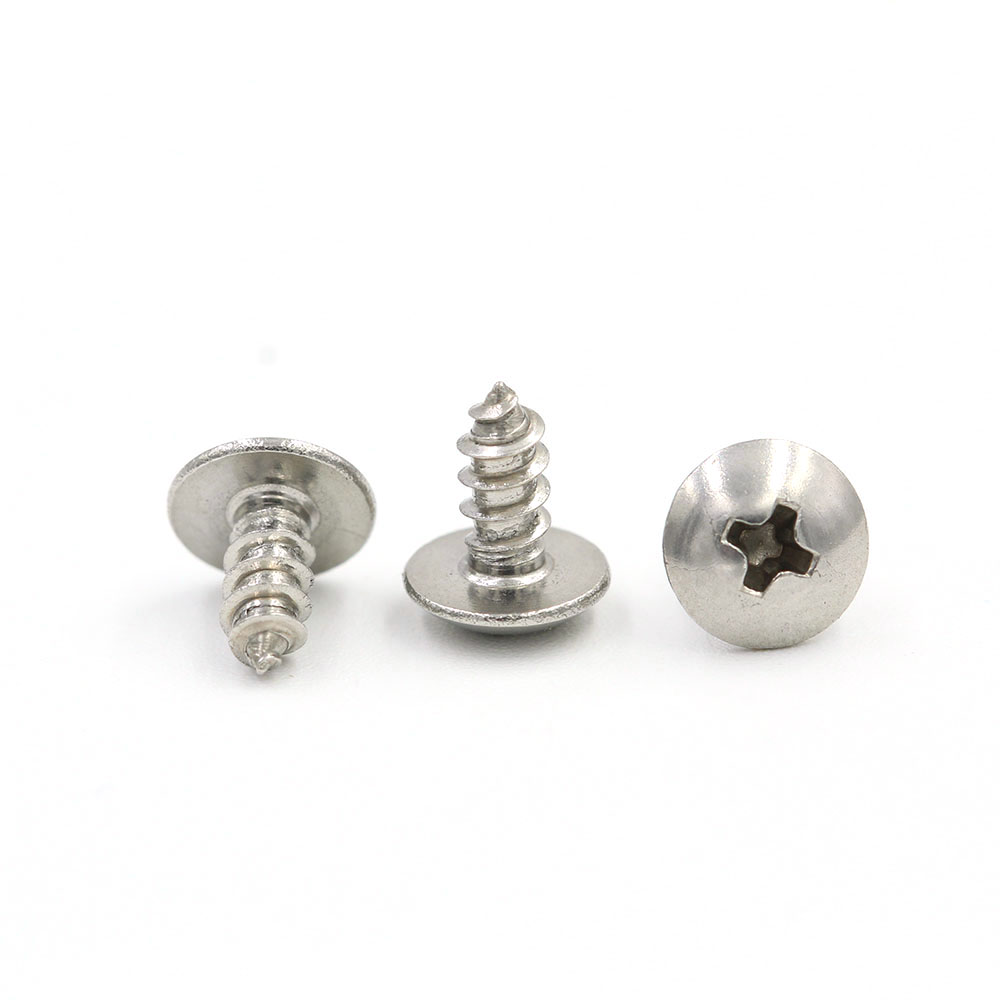

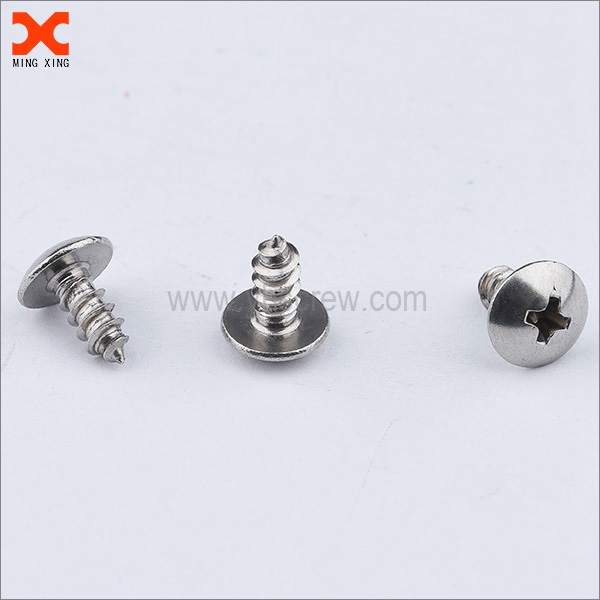


aluminum self tapping screws From Concept to Delivery Outperforms the Competition
Top Selling Products



- Related Blog
- Reviews
- Reviews

-

Phone
-

E-mail
-

Whatsapp
-

WeChat

-

Top


