banner (1)

Wholesale Stainless Torx Screws from Manufacturers

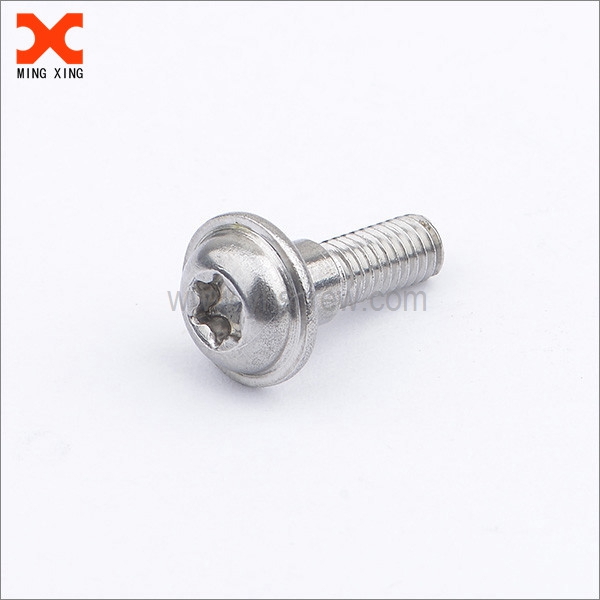
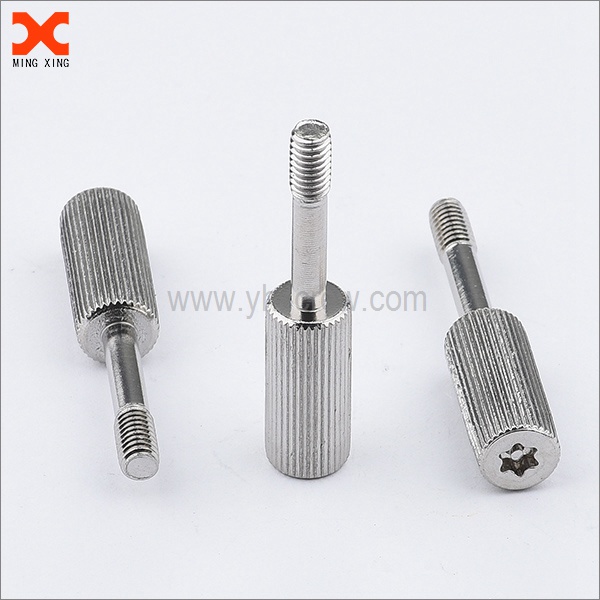
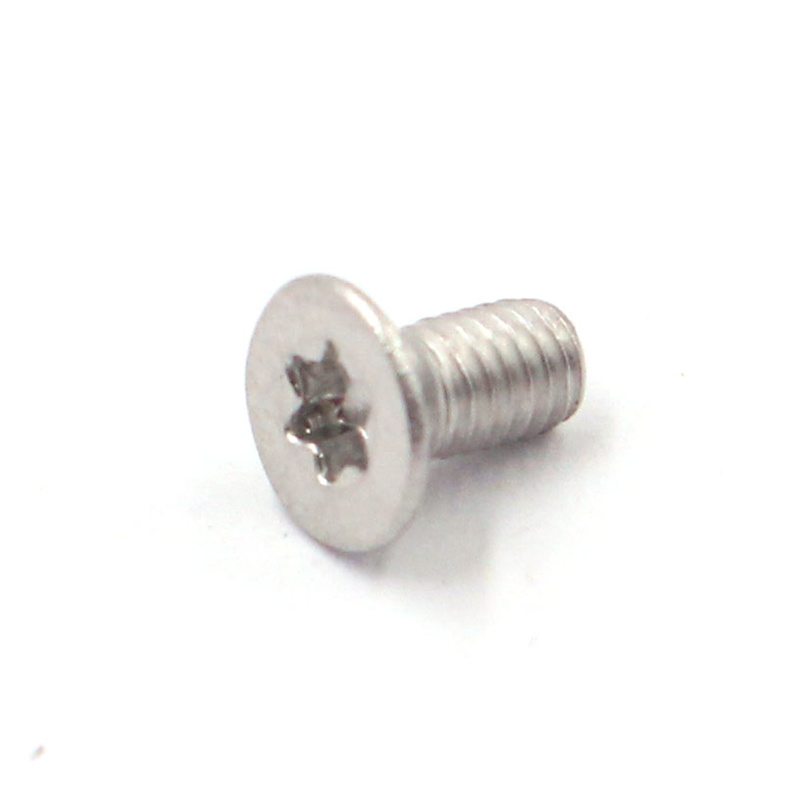
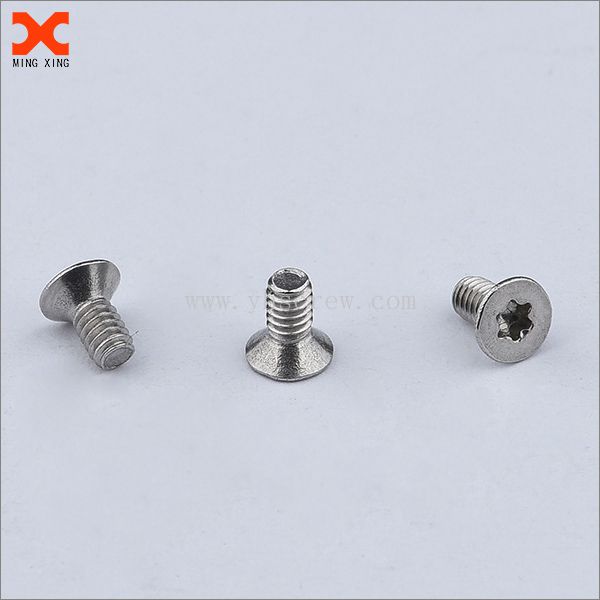
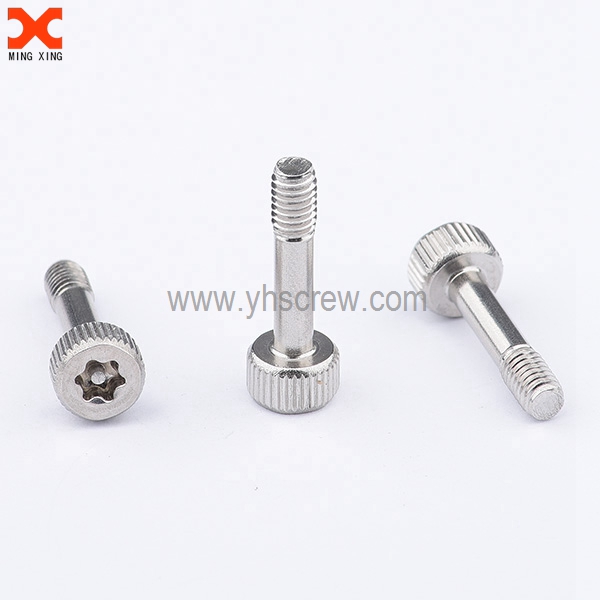
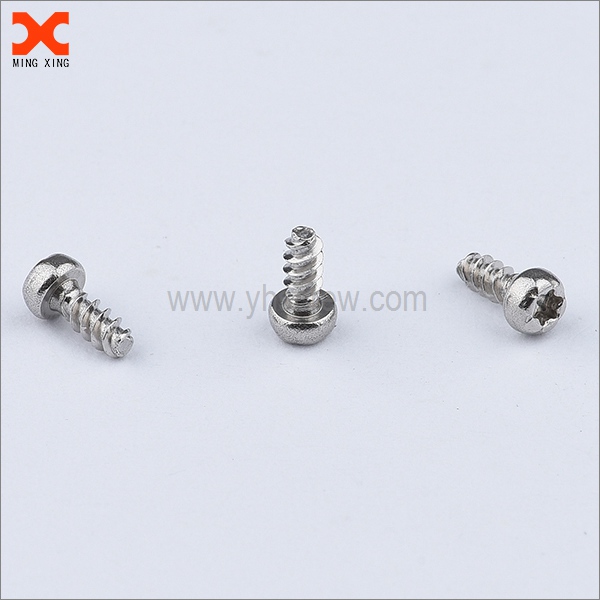
I supply stainless torx screws engineered for strength, corrosion resistance, and easy assembly. As a supplier to Wholesale buyers and Manufacturers, I offer bulk pricing, rapid lead times, and customizable packaging to fit your production line. Our screws come in 304/316 stainless, with hardened torx drives for durability, and ranges from M3 to M8, with various head types for wood, sheet metal, and machine assemblies. For harsh environments, you can rely on marine-grade options and traceable certifications. I provide private labeling, mixed SKU pallets, and drop shipments to streamline your logistics. Factory-direct pricing, strict QC, and on-time delivery mean you get consistent quality and dependable inventory. Reach out for wholesale quotes, MOQs, and production schedules, and I’ll tailor a solution that keeps your manufacturing costs low while maintaining performance. Let’s build a supply partnership that supports your growth.

Hot Selling Product

stainless torx screws Manufacturer Guarantees Peak Performance

Stainless torx screws are trusted for peak performance in electronics, machinery, and outdoor equipment. Their value comes from corrosion resistance combined with reliable torque transfer and fatigue strength in harsh environments. A capable manufacturer uses grade 304/316 stainless, precision-turned threads, controlled heat treatment, and thorough passivation to ensure stable performance. Each batch is traceable and subjected to dimensional, surface, and torque testing, reducing risk during assembly and extending service life. Together, these practices guarantee peak performance across diverse environments. Global buyers gain from consistent lead times, flexible packaging, and compliance with RoHS and REACH. Standard Torx profiles and tight tolerances enable easy interchange across platforms, while coatings and anti-corrosion treatments can be added for demanding conditions. With rigorous quality and scalable production, projects stay on schedule, maintenance needs drop, and equipment performs at peak levels in real-world use.

{ stainless torx screws Manufacturer Guarantees Peak Performance}
Part ID Screw Size Torx Type Material Grade Finish Tensile Strength (MPa) Thread Pitch (mm) Coating Temperature Rating (C) Corrosion Resistance QA Pass Rate (%)
S-1001 M4x0.7 Torx Socket Cap A2-70 (304) Passivated 520 0.7 None -50 to 250 Excellent (>1000 hrs) 99.5
S-1002 M3x0.5 Torx Socket Cap A2-70 (304) Passivated 510 0.5 None -50 to 250 Very Good (>1000 hrs) 99.7
S-1003 M5x0.8 Torx Pan Head A4-80 (316) Polished 600 0.8 None -55 to 350 Superior (>1500 hrs) 99.8
S-1004 M4x0.7 Torx Countersunk A2-70 (304) Passivated 525 0.7 None -60 to 350 Excellent 99.6
S-1005 M6x1.0 Torx Socket Cap A4-80 (316) Passivated 700 1.0 None -70 to 420 Superior 99.9
S-1006 M8x1.25 Torx Socket Head A2-70 (304) Polished 650 1.25 None -60 to 500 Excellent 99.95

Related Products

banner (2)

stainless torx screws Factory-Direct Excellence Your End-to-End Solution

Data Dimension: Performance Metrics by Screw Size Category

M3 M4 M5 M6 M8

Explanation: This chart presents a data dimension titled "Performance Metrics by Screw Size Category." The five categories M3, M4, M5, M6 and M8 represent common screw sizes in a fastener portfolio, and the bar heights reflect a composite performance score derived from a blend of yield, production time, and defect rate metrics. The higher the bar, the stronger the overall performance associated with that size category. The dataset is intentionally synthetic but designed to mirror practical manufacturing observations where tool availability, setup complexity, and material handling influence efficiency. In this configuration, M4 shows the highest score due to established tooling, standardized machining cycles, dependable suppliers, and efficient finishing processes, while M8 trails due to relatively fewer suppliers and higher process variability in finishing steps. M3 and M5 fall in between, illustrating how incremental changes in size correlate with distinct production footprints, cycle times, and quality stability. The insights derived from this chart can guide an end-to-end production strategy by focusing on category-level performance, identifying bottlenecks, and allocating capital and labor to the stages that most affect the final output. For example, a category with a lower score may indicate longer lead times, increased defect rates, or more frequent tool wear, suggesting opportunities to optimize cutting feeds, threading operations, heat treatment, or plating processes. The approach promotes cross-functional collaboration across procurement, engineering, and manufacturing to ensure alignment between component attributes and process capabilities. In a broader sense, adopting a direct-to-factory, end-to-end model helps reduce cycle times, improve on-time delivery, and sustain consistent quality across sizes by coordinating material procurement, production scheduling, and finished goods packaging. The data here is illustrative, but the underlying principle—linking product specifications to the end-to-end production chain—remains critical for continuous improvement. Regularly updating and enriching this dataset with real-time metrics enables better forecasting, more resilient supply chains, and smarter investment decisions that balance cost with performance across the entire screw-size portfolio.

Top Selling Products