banner (1)

Precision Metal Parts for OEM and Suppliers | Custom Solutions

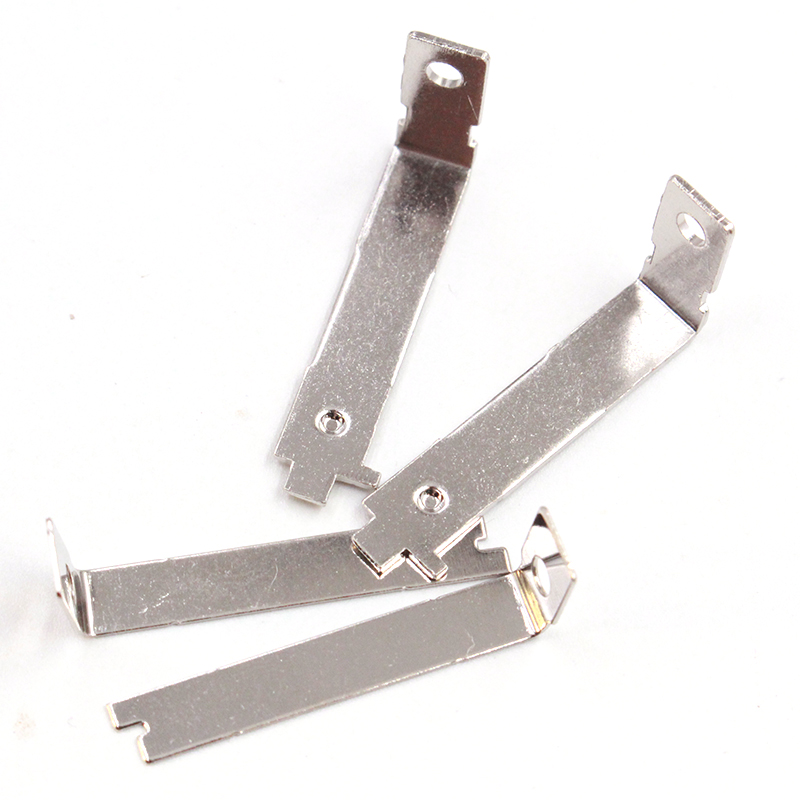
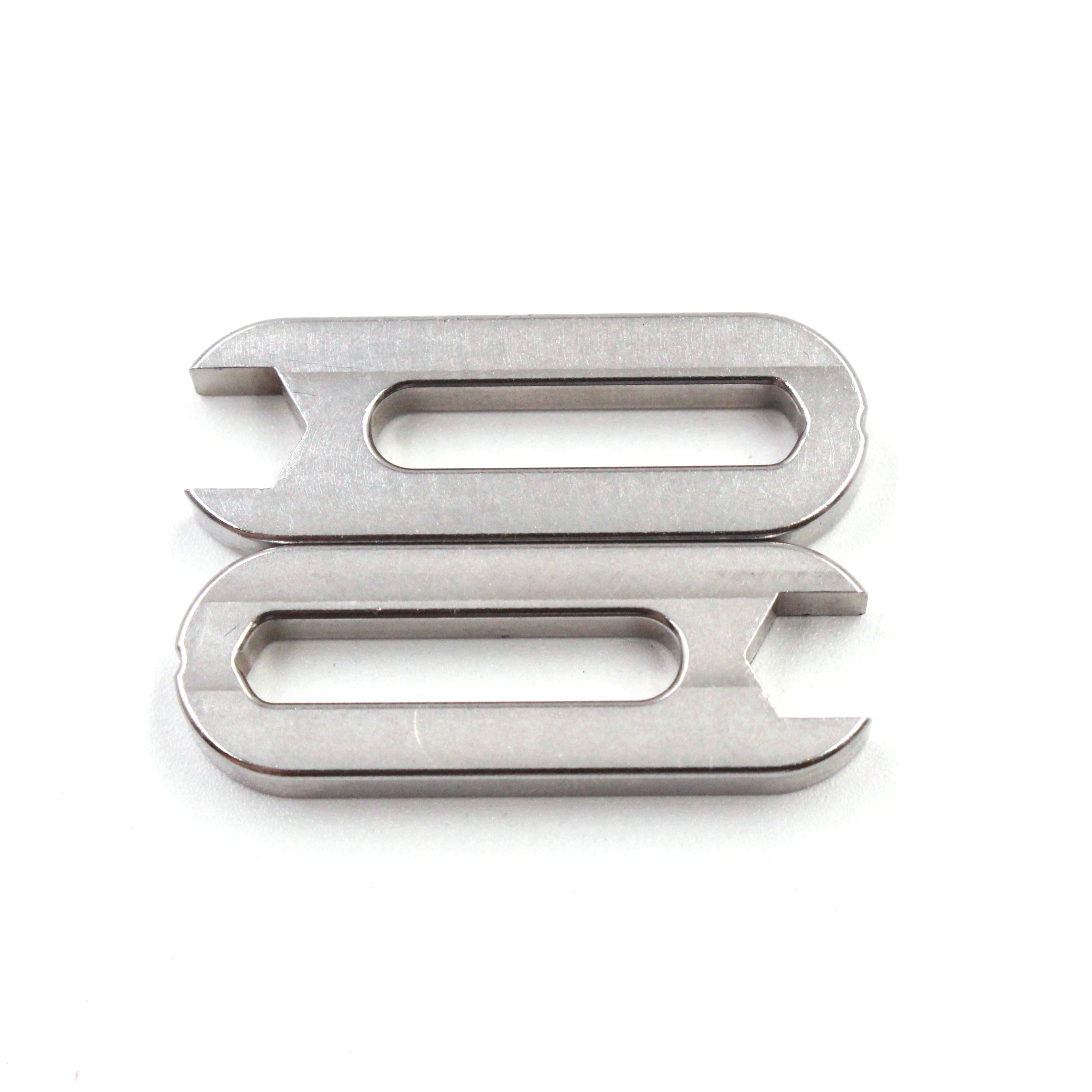
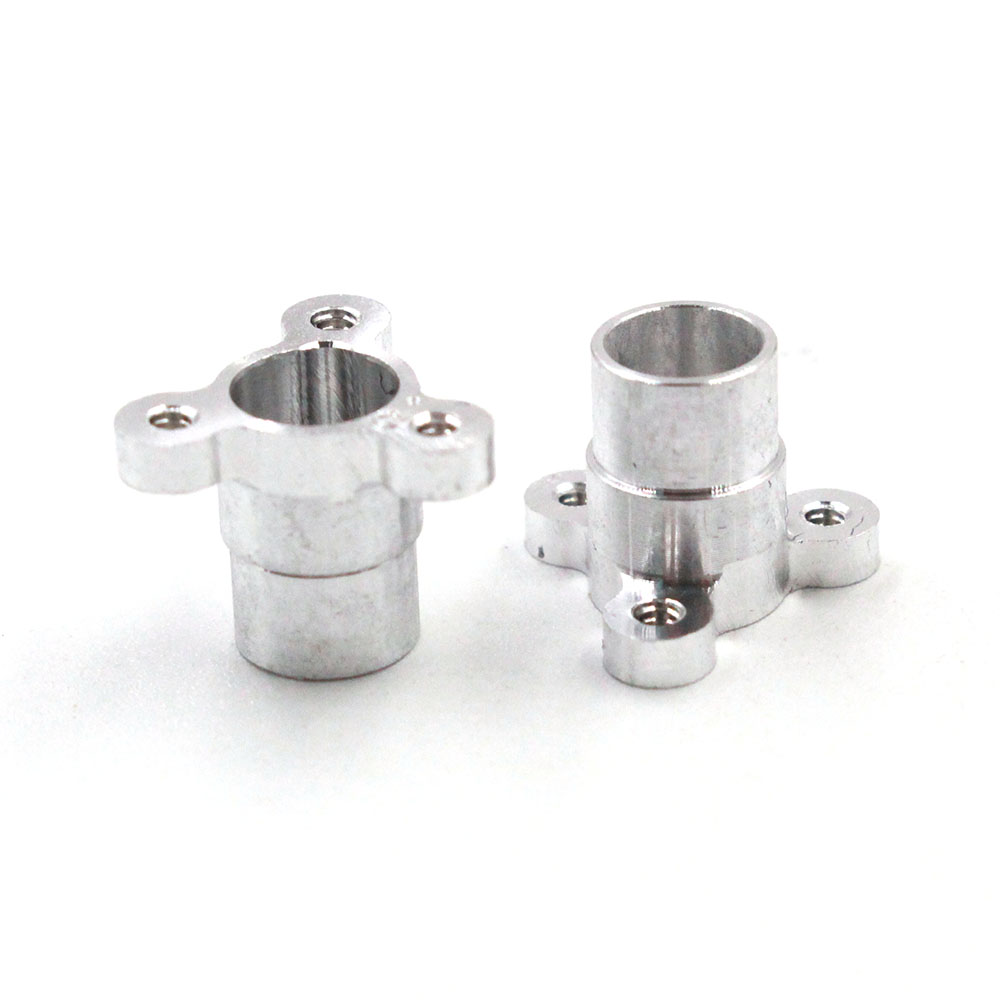
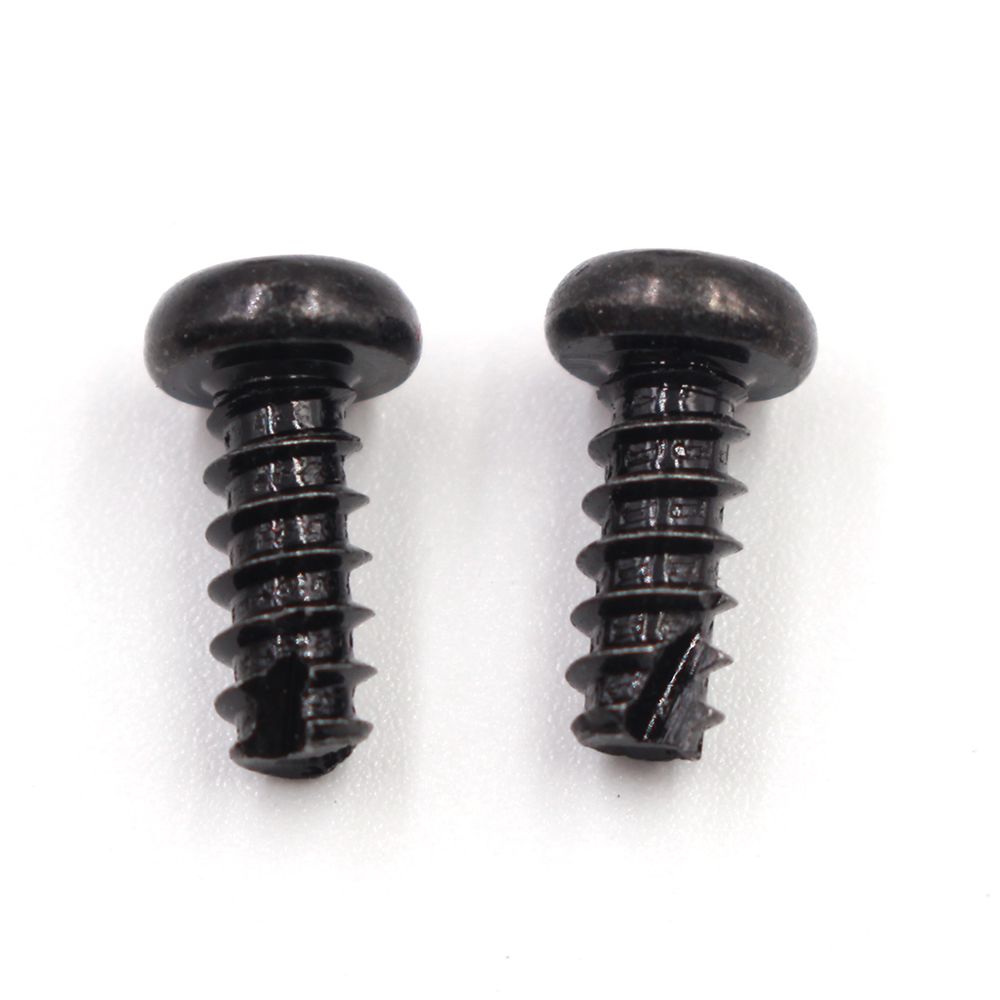
We specialize in precision metal parts for OEM applications, delivering tight tolerances, clean finishes, and reliable performance. I understand that as a buyer you want a trusted supplier who can move fast from design to production. That’s why we offer in-house CNC machining, turning, milling, stamping, and secondary operations such as deburring, passivation, and anodizing. For OEM projects, I align with your specs, materials, and dimensional checks, using a robust QA process and SPC data to ensure first-pass yield. We serve as a responsive supplier to many Suppliers across industries, providing scalable production and on-time delivery. With experienced engineering support, I can help optimize designs for manufacturability, reduce cost, and shorten lead times. If you need durable, repeatable, precision metal parts that perform in harsh environments, I’m here to partner with you and your team.

Hot Selling Product

precision metal parts Your Trusted OEM Partner Manufacturers You Can Rely On

Precision metal parts demand exacting standards, advanced processes and a responsive supply chain. As your trusted OEM partner, we deliver high-precision components using CNC turning/milling, stamping, EDM and laser cutting across stainless steel, aluminum, brass and specialty alloys. Tight tolerances, repeatable finishes and rigorous in-line inspection ensure consistent performance for automotive, medical, telecom and industrial applications. Prototyping, rapid tooling and low-to-high volume production are supported by material traceability, surface treatments and strict quality controls including FAI and statistical process monitoring. Working with global buyers, we emphasize transparent communication, engineering collaboration and reliable lead times to minimize risk and cost. Flexible MOQ, competitive pricing and consolidated logistics enable on-time delivery worldwide. Whether you need design-for-manufacturability input or turnkey supply, our customer-centric approach simplifies sourcing and accelerates time-to-market for precision metal parts.

{ precision metal parts Your Trusted OEM Partner Manufacturers You Can Rely On}
Part ID Category Material Surface Finish Tolerance (mm) Size Range (mm) Machining Process Annual Demand (units) Lead Time (days) QA Pass Rate (%) Compliance Standards
P-1001 Bracket 6061 Aluminum Anodized ±0.05 50-120 CNC Milling 120000 12 99.2 ISO 9001; RoHS
P-1002 Connector Stainless Steel 304 Electropolish ±0.03 15-60 CNC Turning 86000 9 98.7 ISO 9001; RoHS
P-1003 Washer Brass CuZn37 Zinc Plated ±0.04 5-25 Stamping 150000 7 99.0 ISO 9001; REACH
P-1004 Housing Titanium Ti-6Al-4V Matte Polished ±0.02 20-90 CNC Milling + EDM 42000 14 99.5 ISO 13485; RoHS
P-1005 Shaft Stainless Steel 17-4 PH Bright Draw ±0.03 30-180 CNC Turning + Milling 73000 11 98.9 ISO 9001; RoHS; REACH
P-1006 Bearing Steel 52100 Ground ±0.05 8-40 Precision Grinding 62000 13 99.1 ISO 9001
P-1007 Spacer Aluminum 2024 Anodized ±0.05 3-18 CNC Milling 99000 8 98.6 ISO 9001; RoHS
P-1008 Housings Copper Alloy Plated ±0.04 12-54 Die Casting + Machining 54000 15 97.8 ISO 9001; RoHS; REACH

Related Products

banner (3)

precision metal parts Market Leader Your End-to-End Solution

Data Dimension: Global Demand by Precision Metal Part Type (2025 Projection)

This dataset presents estimated global demand for eight categories of precision metal parts in 2025, measured in thousands of units per year. The chart uses a uniform scale so that the relative weight of each category can be compared at a glance. High-precision shafts and bearings appear as the largest bars, underscoring their foundational role in mechanical drives, motors, and rotational assemblies across aerospace, automotive, robotics, and industrial equipment. Gears also show strong demand due to multi-element assemblies and replacement cycles. Valve components and seals & fittings follow, reflecting the criticality of hydraulic and pneumatic systems across automation and process industries. Spring components and electrical connectors occupy mid-to-lower ranges, often aligned with sub-assembly content or specialized equipment. Structural housings, while smaller in this snapshot, remain essential for protective enclosures and modular platforms, and they commonly scale with the overall manufacturing footprint.

This visualization informs strategic decisions by highlighting where manufacturing capacity and process capability investments can yield the biggest returns. For example, the dominance of shafts and bearings suggests prioritizing high-volume, cost-efficient machining, precision finishing, and supply-chain resilience in those streams. Conversely, markets with lower but steady demand, such as connectors or housings, may benefit from flexible automation, outsourcing partnerships, or design-for-manufacturability initiatives to maintain profitability. The data also supports scenario planning: if OEM demand shifts toward electrification or fluid-control innovations, part types tied to those trends should be monitored closely for capacity and supplier risk. By standardizing data collection across regions and aligning it with engineering roadmaps, a company can translate this information into actionable capacity plans, pricing strategies, and service levels that reinforce its position as a market leader delivering end-to-end precision metal part solutions. In sum, this data dimension—demand by part type—provides a concise, comparable view of market structure, guiding investment, manufacturing development, and strategic focus in a competitive landscape.

Top Selling Products