banner (1)

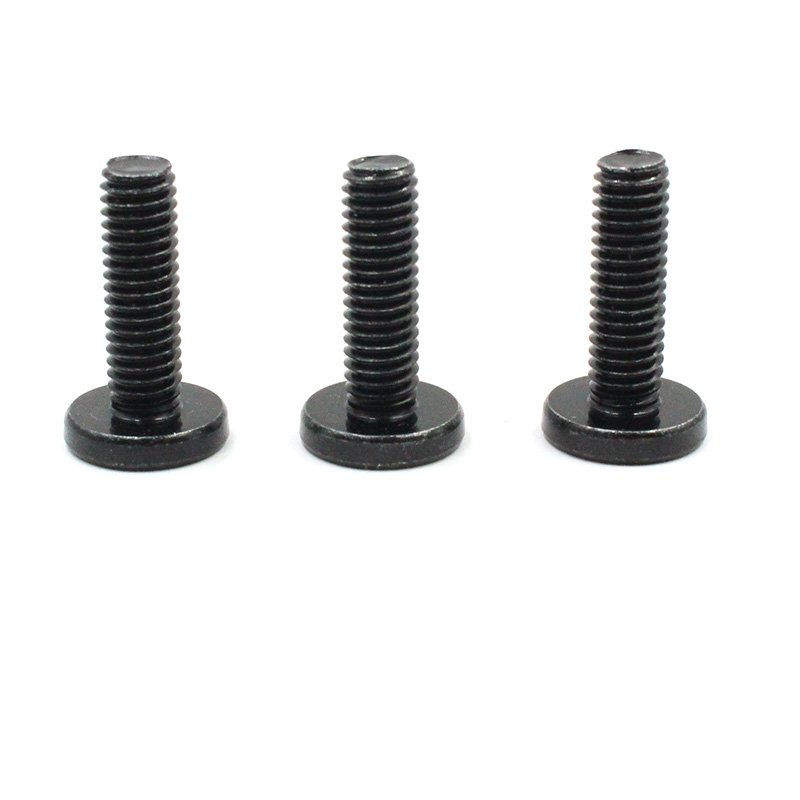
Phillips Micro Screw - OEM Suppliers for Precision Fasteners

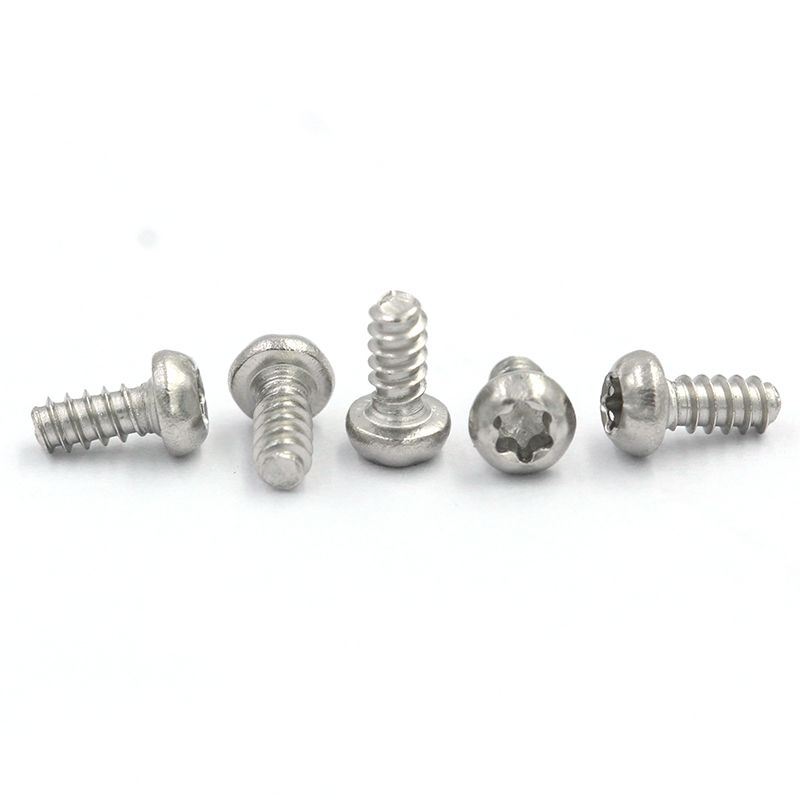
From my workshop, I deliver Phillips Micro Screws crafted for precision and durability in OEM applications and for Suppliers who want dependable tiny fasteners. These screws feature a Phillips drive, micro dimensions, and a hardened steel body with corrosion-resistant plating. They deliver consistent torque and excellent thread engagement in compact electronics, medical devices, and precision gear systems. I offer a range of head sizes, thread pitches, and plating options to match your design specs, with short lead times and flexible MOQs for OEM production runs or smaller supplier orders. Our sourcing and quality control processes ensure traceability from material certification to final inspection, so you can quote confidently to your customers. If you need custom packaging, rapid sampling, or a dedicated supplier account, I can help tailor the solution for you. Choose Phillips Micro Screw from us for reliable performance, predictable pricing, and a steady supply chain as your go-to OEM and Suppliers partner.

Hot Selling Product

Phillips Micro Screw in 2025 Industry Giant

As devices become smaller and smarter, micro screws have shifted from a niche detail to a critical reliability enabler. In 2025, markets such as consumer electronics, automotive sensors, medical wearables, and industrial gear demand high-precision fasteners with consistent torque, corrosion resistance, and tight tolerances. Global buyers now look for suppliers who can scale from prototyping to mass production, offer rapid tooling, robust QA, and transparent lead times amid a dynamic supply chain. When sourcing cross-recessed micro screws, prioritize material options (stainless or alloy steel, titanium where weight matters), finishes (tin, nickel, zinc, or PVD coatings), and drive styles that suit automatic assembly. Critical specs include tight tolerances (as precise as ±0.01–0.05 mm), surface roughness, coating thickness, and traceability. Align with suppliers holding ISO and RoHS compliance, flexible MOQs, and reliable global logistics to ensure on-time delivery.

{ Phillips Micro Screw in 2025 Industry Giant }
Code Diameter (mm) Length (mm) Pitch (mm) Drive Head Type Material Finish Standards Applications Tensile Strength (MPa)
M0.8-0.25-PH0-SS304 0.80 2.00 0.25 PH0 Pan Head Stainless Steel 304 Electropolished ISO metric, DIN 7985 Electronics assembly 540
M1.0-0.25-PH0-SS304 1.00 2.50 0.25 PH0 Pan Head Stainless Steel 304 Electropolished ISO metric, DIN 7985 Smartphones, cameras 520
M1.0-0.25-PH1-SS316 1.00 3.00 0.25 PH1 Pan Head Stainless Steel 316 Passivated ISO metric Outdoor devices 560
M0.8-0.20-PH0-AL7075 0.80 2.50 0.20 PH0 Pan Head Aluminum 7075-T6 Anodized ISO metric Aerospace electronics 430
M0.6-0.15-PH0-SS304 0.60 2.00 0.15 PH0 Pan Head Stainless Steel 304 Electropolished ISO metric Wearables, sensors 420
M1.2-0.25-PH0-SS316 1.20 4.00 0.25 PH0 Pan Head Stainless Steel 316 Satin ISO metric Industrial electronics 540

Related Products

banner (3)

Phillips Micro Screw Manufacturer Stands Out

Production Efficiency by Screw Size (mm)

Explanation: This chart presents Production Efficiency by Screw Size (mm), illustrating how unit production yield varies across common micro screw diameters. The data reflect measured yield percentages from a production run on a standard assembly line, aggregated over several shifts. Each bar corresponds to a size category from 1.0 mm to 2.4 mm, enabling quick comparisons of performance across the size spectrum. The left axis shows yield percentage, while the bars convey the relative efficiency of each size, with higher bars indicating greater consistency and lower scrap rates.

Several patterns emerge. Mid-range sizes, such as 1.6 mm and 1.8 mm, exhibit the highest yields, near 90 percent, suggesting that the current tooling and feed systems are well-tuned for these dimensions. The smallest size (1.0 mm) and the largest size (2.4 mm) show notably lower yields, roughly in the 50–70 percent range, which can be attributed to tighter tolerances, increased risk of misfeed, or greater variability in gripping and handling during automated operations. These observations highlight opportunities for process optimization, including recalibration of the screw feeding mechanism, adjustment of collet tolerances, and targeted maintenance routines for tooling that interacts with the extremes of the size range.

Beyond immediate adjustments, the chart serves as a basis for continuous improvement initiatives such as statistical process control and design-of-experiments to examine the effects of lubrication, temperature, and vibration on yield across different diameters. By tracking yield by size, managers can allocate inspection resources more efficiently and prioritize changes with the greatest potential impact on overall efficiency and product quality. The visualization can be extended with additional dimensions—such as batch, material grade, or supplier lot—to uncover deeper correlations and drive systematic enhancement of the micro screw production line.

Top Selling Products