banner (1)

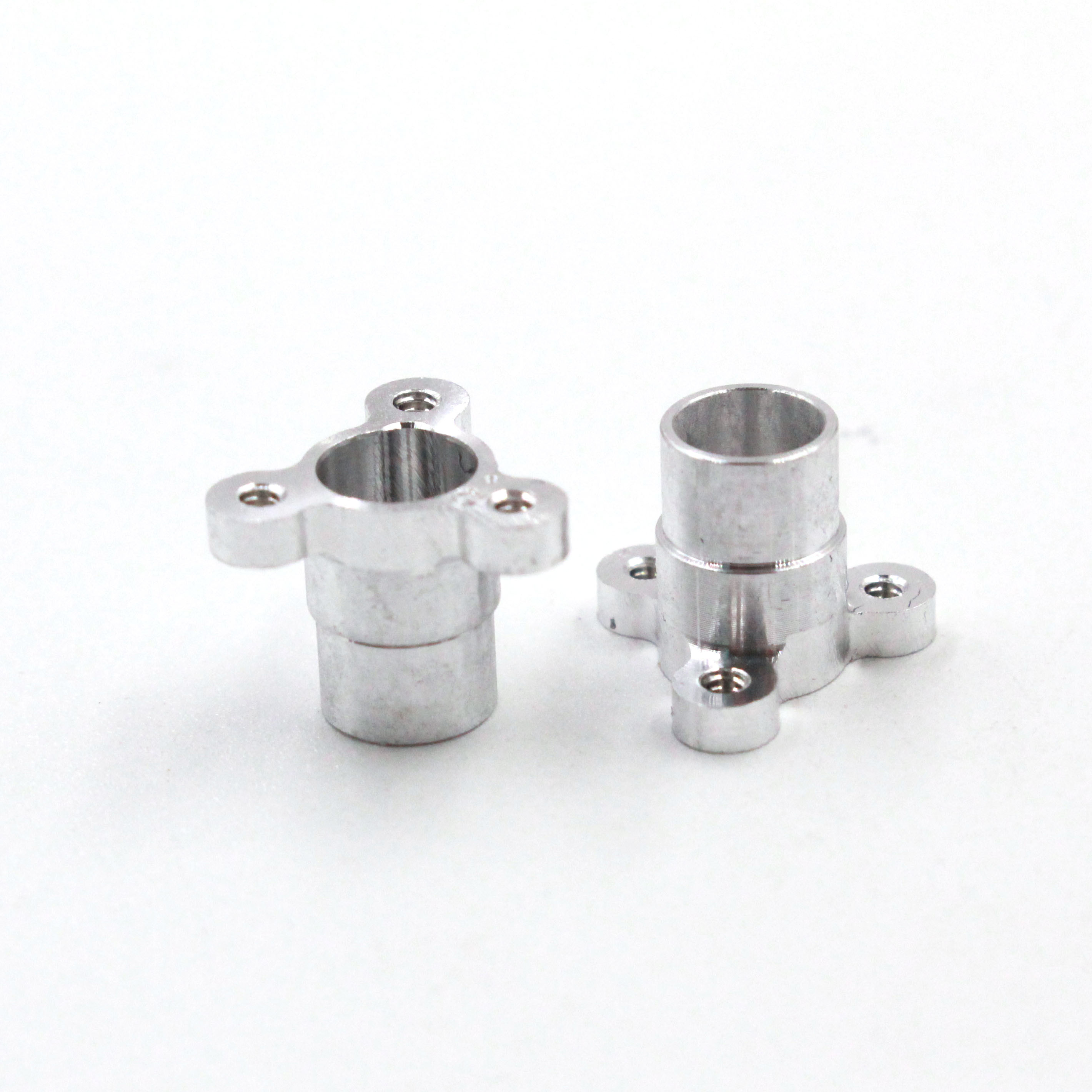
PCB Standoff - High-Quality Supplier for Durable Spacers

From the bench to the production line, I provide PCB Standoff solutions that keep boards secure and accessible. As a trusted supplier, I focus on High-Quality components designed for easy assembly, precise clearance, and durable performance in even tough environments. Our PCB Standoffs come in a range of heights, thread sizes, and materials (nylon, brass, aluminum) to match your board stack and impedance needs. I emphasize clean mounting, vibration resistance, and corrosion protection, so you spend less time on rework and more time moving forward. Each lot is inspected for tight tolerances, straightness, and thread integrity, ensuring a consistent fit across batches. Whether you’re prototyping or scaling, I offer fast quotes, reliable stock, and flexible packaging options. Partner with me for dependable supply chain continuity, competitive pricing, and a tailored selection of PCB Standoff that meet your design specifications.

Hot Selling Product

PCB Standoff Industry Leaders Where Innovation Meets 2025

2025 is shaping a new era for PCB standoffs as industry leaders merge precision engineering with resilient supply networks. Global buyers demand high-tolerance components, robust finishes, and materials tuned to thermal and environmental needs. Metals—stainless steel and brass with durable coatings—pair with high-temperature plastics like PEEK, PTFE, and UL94-V0 insulators to deliver reliable spacing, EMI control, and vibration dampening. Automation and rapid prototyping shorten lead times, while sustainable packaging and lead-free finishes support compliance. To stay ahead, procurement teams should seek partners with consistent batch-to-batch performance, clear traceability, and certifications such as ISO 9001, IPC, and RoHS. Prioritize scalable capabilities, transparent lead times, reasonable MOQs, and rigorous change-control. Standardized SKUs, accessible CAD data, and design-for-manufacture support reduce BOM fragmentation and total cost. Diversified supplier bases and proactive risk planning help protect continuity while enabling customization for board thickness, hole patterns, and mounting styles.

{ PCB Standoff Industry Leaders Where Innovation Meets 2025 }
Region Innovation Focus R&D Intensity (%) Lead Time (days) Automation Level (%) Throughput (units/day) Export Share (%) Patents Filed (last 12 months) Certifications Sustainability Score Primary Applications
APAC Materials integration, advanced HDI, embedded components 7.5 12 78 5400 68 128 ISO 9001, ISO 14001, IATF 16949 82 Automotive, Industrial Electronics, Consumer Electronics
Europe Precision HDI, microvias, RF shielding 6.8 14 72 4200 54 110 ISO 9001, ISO 14001, EN 9100 88 Automotive, Medical, Aerospace
North America Sensor integration, reliability-driven PCB design, DFM tooling 8.2 10 80 6000 60 142 ISO 9001, ISO 14001, AS9100 85 Aerospace, Automotive, Healthcare
India & SEA Low-cost high-mix manufacturing, regional supply chains 4.9 18 60 3500 35 75 ISO 9001 70 Automotive, Consumer Electronics
Latin America HDI and flexible PCB production 4.5 16 58 3100 28 52 ISO 9001 65 Industrial, Electronics
MEA Niche standoff components, defense, energy 5.1 19 54 2900 22 40 ISO 9001, ISO 45001 68 Industrial, Energy, Defense-related

Related Products

banner (2)

PCB Standoff Service Factory-Direct Excellence

Manufacturing Performance Metrics Over Time

Monthly Yield Trend (Yield %)

This visualization presents a year of manufacturing performance focusing on the yield of PCB standoff components. The yield percentage reflects the proportion of produced units that pass final inspection without defects. By plotting yield over 12 months, stakeholders can assess process stability, identify periods of improvement, and detect anomalies related to tooling changes, supplier variability, or maintenance scheduling. The data suggests a gradual upward trend with some seasonal fluctuations. Early months show yields in the low-to-mid 90s, while mid-year improvements coincide with the implementation of standardized changeover protocols and enhanced inline testing. The ability to sustain yields near 98–99% in the latter months indicates a mature production line with robust quality controls and repeatable setup procedures. Several factors influence yield: material quality, solder paste handling, board loading, and reflow profile consistency. When defect sources are localized, targeted countermeasures such as process parameter tuning, additional training for operators, and stricter incoming inspection translate into measurable yield gains in subsequent months. The chart also highlights the value of direct-to-customer service channels for feedback loops; faster communication between the engineering team and shop floor reduces downtime and shortens the cycle from issue detection to corrective action. The 12-month trajectory demonstrates that incremental improvements accumulate to produce a reliably high production yield, aligning with the goal of operational excellence in PCB standoff component manufacturing. This data visualization can guide capacity planning, supplier management, and continuous improvement initiatives. It emphasizes the importance of consistent process control, routine maintenance, and data-driven decision making. By monitoring yield alongside process capability, the factory can maintain stable output, minimize waste, and uphold quality standards. In the context of direct-to-customer service, maintaining high yield translates to faster delivery, lower rework costs, and enhanced competitiveness in a fast-moving electronics supply chain.

Top Selling Products